

Pure Melatonin for Sleep: How Fast Does It Work
Pure melatonin is a frequent ingredient in sleep-related supplements and other formulations. When taken orally, melatonin is absorbed rather fast although the start of action depends on the formulation, the dosage, the time of administration, the ingestion of food at the same time, and individual characteristics. A comprehensive evaluation of clinical pharmacokinetic studies indicated that the average duration to maximal plasma concentration for oral immediate-release melatonin is around 50 minutes, however the individual studies reported a significantly broader range.
And it’s a difference that matters for B2B manufacturers. The speed of action of a completed product is not dictated by the purity of raw-materials alone. Formulation design, administration format, dosage and manufacturing quality all impact the final product. For procurement teams, the most helpful questions are: does the raw material have a specified specification, reliable assay, sufficient documentation, and consistent batch quality.
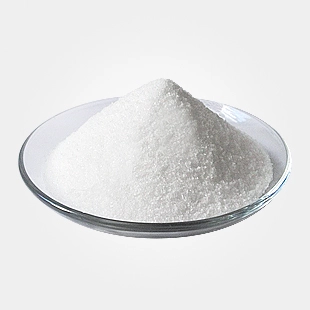
CAS No.: 73-31-4
Appearance: White to off-white powder
Ref standard: USP43
Assay: 99.7%(HPLC)
Molecular formula: C13H16N2O2
Molecular weight: 232.28
MOQ: 1KG
Stock:in stock
Our Advantages: Scalable production capacity, strict quality control, cost efficiency from integrated factories, over 20 years of experience, advanced technology, and 24/7 after-sales support.
Certificaions: FSSC2000/ISO2000/HALAL/KOSHER/HACCP
Delivery terms: FedEx, DHL, EMS, UPS, TNT, all kinds of the airline, international shipping companies.
Payment: TT/DP/PAY PAL/VISA/DA/LC/MASTER CARD/ESCROW
Grade: Pharmaceutical Grade
Customized Service: Supports ODM/OEM
Free sample is available.
We do not sell retail quantities to individuals.
Understanding Pure Melatonin and Its Role in Sleep
Pure melatonin is melatonin raw material that has a specified chemical purity and regulated contaminants. Melatonin is N-acetyl-5-methoxytryptamine (C13H16N2O2, CAS No. 73-31-4). USP publishes a monograph for melatonin, where an assay range of 98.5 to 101.5% on the dry basis is defined.
“Pure” does not mean that there is a sort of melatonin that is fundamentally distinct from manufactured melatonin. Ingredient purchasers are better served by evaluating purity in combination with identification, assay, impurity profile, testing methodologies and production controls.
The Science Behind Melatonin's Sleep-Inducing Properties
Melatonin is a naturally occurring hormone in the body and is highly related to the light-dark cycle. It operates on melatonin receptors such as MT1 and MT2 and is involved in the time of sleep and circadian signalling.
Additional melatonin has been explored for many sleep-related indications. Research shows it may affect your sleep time, and may be effective for certain circadian rhythm disorders, including jet lag. But the evidence is not as robust for all sleep problems. There is still minimal data for persistent insomnia, says the NCCIH, and the effects of melatonin may differ depending on the illness being treated.
For producers, it implies that a raw material should not be sold as ensuring a certain sleep effect. The completed product should be examined independently for its formulation, intended application, dosage and claims.
Bioavailability and Absorption Characteristics
Oral melatonin is absorbed quite rapidly, however the pharmacokinetic profile is very variable across studies and people. A comprehensive evaluation of 22 pharmacokinetic studies indicated that oral immediate-release melatonin reached peak plasma levels at a broad range of timeframes with a mean Tmax of about 50 minutes. The study also pointed up a wide variability in oral bioavailability.
Melatonin pharmacokinetics may be affected by food consumption, coffee, smoking, age and certain drugs.
These criteria matter more for formulators, instead than only picking a high-purity ingredient. The completed dosage form, release properties, excipients and circumstances of administration should be considered in the development of a product with a certain onset profile.
How Fast Does Pure Melatonin Work? Factors Influencing Onset Time?
There is no universal onset time for all pure melatonin products. Oral immediate-release formulations tend to be absorbed very fast, however the period at which a person perceives an effect may vary from the time when plasma concentrations peak.
So for B2B purchasers, it’s best to think of “onset time” as an attribute of the end product, not a constant of the raw powder.
Dosage Impact on Effectiveness Timeline
Dose can influence melatonin exposure, but it should not be assumed that increasing the dose will produce a proportionally faster or stronger effect. Clinical pharmacokinetic investigations have shown that melatonin exposure and Tmax are very variable across dosages and between individuals .
For manufacturers, the dose should be determined based on the intended final product, target market, relevant legislation, and existing clinical or formulation data. The assay result of a supplier might allow the formulators to work out the real quantity of active ingredient that is needed in a batch.
Jiayuan Bio-Tech sells their bulk melatonin powder with 99.7% HPLC assay, USP43 reference standard, CAS No 73-31-4 and a MOQ of 1 kilogram.
Formulation Type and Delivery Method Considerations
Delivery type might influence melatonin release and absorption properties. Immediate-release and modified-release medicines are developed for various therapeutic indications and so should not be assumed to have interchangeable pharmacokinetic characteristics.
The same is true for the choosing of raw materials. The incorporation of an active component into a completed product may be affected by the particle properties , formulation ingredients , manufacturing methods , and dose form . But there is no evidence that quicker absorption by humans is caused by particle size alone.
The practical strategy for B2B producers is to pick a raw material that fits the desired formulation and then confirm the resulting product via suitable development and quality testing.
Comparing Pure Melatonin with Alternatives for Sleep Solutions
Comparing pure melatonin with other sleep ingredients should be based on composition, standardisation, evidence, formulation needs and regulatory concerns rather than the assumption that one ingredient is better than the other in general.
Melatonin is a single recognised chemical substance. Many botanical compounds are composed of numerous constituents, which may vary in their amounts depending on plant source, extraction process and specification.
Pure Melatonin Versus Herbal Sleep Aids
Sleep related uses of ingredients such as valerian, passionflower and camomile have been researched but are quite different in content and action from melatonin.
Standardised melatonin raw material enables producers to operate with a known chemical entity and a quantifiable test. Botanical ingredients may need more consideration for botanical identification, marker chemicals, extraction ratios and batch to batch consistency.
Therefore, the choice of ingredients should be based on the desired formulation and target market, not on the blanket statement that one category is “better.” Manufacturers should also take into account the evidence and the regulatory requirements for the end product concerned.
Cost-Effectiveness Analysis
The price per kilo is not the only way to judge the cost of an item. Because melatonin is utilised in tiny amounts in final goods, purchasers should additionally consider assay, impurity profile, testing requirements, packaging, MOQ, shipping and batch consistency.
A high-assay raw material, although decreasing the amount required to reach a given active content, does not always provide the lowest overall product cost. “Procurement teams should do side-by-side comparisons of suppliers on the same specification and determine the total cost of ownership.
Therefore, a provider who supplies clear COAs, consistent standards, appropriate packaging and accurate documentation might have greater practical value than a supplier that competes just on unit pricing.
Safety, Side Effects, and Regulatory Compliance for Pure Melatonin
Melatonin safety should be assessed according to intended usage, dosage, target population and length of use. According to NCCIH, short-term supplementation with melatonin is somewhat safe for most individuals, while research on long-term safety is still few. It also states that melatonin may interact with several medications.
For B2B producers, these issues should be included into product development and regulatory approval, not only assumed from the purity of the raw material.
Established Safety Profile and Risk Assessment
Side effects include included headache, dizziness and tiredness with melatonin pills. However, safety information should not be given as a blanket guaranty for all formulations or users.
The NCCIH advises that persons using pharmaceuticals talk to a health care provider before using melatonin, especially if they take certain medications or have certain health issues.
Buyers should also assess raw-material quality from a production standpoint. Depending upon the specification and the intended use, the appropriate paperwork may contain assay, impurities, heavy metals, microbiological tests and other quality characteristics.
A COA is helpful because it enables customers to check the quality attributes of a particular lot rather than relying on a broad product description.
Regulatory Framework and Compliance Requirements
The regulatory status of melatonin varies from country to country and may vary depend on the product category and intended usage. A raw material for dietary supplements should not be immediately considered the same as a raw material for medicinal products.
Manufacturers should thus verify the requirements of the target market before finalising formulation, labelling, claims and import procedures. Pharmacopeial requirements such as the USP melatonin monograph may offer a helpful technical reference but adherence to a pharmacopoeia does not itself provide regulatory clearance for each finished-product category.
Suppliers must be able to supply the paperwork requested by the buyer's quality and regulatory teams. This may comprise specs, COAs, SDS paperwork where applicable, production information and appropriate quality-system certifications.
Procuring Pure Melatonin: How to Choose the Right Supplier and Product?
A reliable pure melatonin supplier should be evaluated using technical specifications, documentation, production consistency, packaging, MOQ, and supply capability. Price is only one part of the procurement decision.
Critical Quality Parameters and Specifications
A buyer should first establish a written specification covering identity, assay, impurities, appearance, packaging, storage, and required analytical tests.
USP's melatonin monograph specifies an assay of 98.5% to 101.5% on the dried basis.
Jiayuan Bio-Tech currently publishes the following product information for its bulk melatonin powder:
- CAS No.: 73-31-4
- Molecular formula: C13H16N2O2
- Molecular weight: 232.28
- Appearance: white to off-white powder
- Reference standard: USP43
- HPLC assay: 99.7%
- MOQ: 1 kg
The supplier's product page also lists heavy-metal and impurity specifications and provides batch-related quality information.
These details give procurement teams a more objective basis for comparing suppliers.
Manufacturing Excellence and Supply Chain Reliability
Manufacturing capability should be evaluated through evidence rather than broad claims about advanced technology.
For a B2B buyer, useful questions include:
- Is the product manufactured under a documented quality system?
- Can the supplier provide batch-specific COAs?
- Are the analytical methods clearly defined?
- Is the packaging appropriate for international transportation?
- Can the supplier provide samples before a bulk order?
- Can production and delivery schedules support the buyer's demand?
Jiayuan Bio-Tech states that its melatonin product is available in stock, supports ODM/OEM services, and offers free samples. Its product page also lists bulk packaging options and international delivery services.
These are more useful procurement points than unsupported claims about production efficiency or recovery rates.
Strategic Sourcing and Partnership Development
The key to a long-term supplier relationship is precise requirements, open documentation, communication and constant quality.
Buyers may request a sample and verify its COA against their internal standards before making a bigger purchase. They may also check MOQ, packing, storage conditions, lead time, payment terms and paperwork needs.
Technical communication is also vital for firms creating a new sleep related product. Not all orders should be a commodity buy. The supplier should know what assay is needed, what the product is to be used for, the batch size and the quality documentation.
Conclusion
Pure melatonin is an identified active ingredient in a variety of sleep formulations but its onset should not be simplified to a fixed “20–60 minute” guideline. Clinical pharmacokinetic studies have shown that oral melatonin is absorbed reasonably rapidly, however Tmax and bioavailability may vary widely across studies and people.
For B2B customers, assay, impurity control, formulation compatibility, paperwork, regulatory requirements, and supplier consistency are increasingly critical issues. Jiayuan Bio-Tech provides bulk melatonin with USP43 reference standard, 99.7% HPLC assay, CAS 73-31-4, with a minimum order quantity of 1kg.
FAQ
1. How long does it take for pure melatonin to start working?
The onset time of each pure melatonin product and the user is not same. Pharmacokinetic studies indicate that oral immediate-release melatonin reaches maximal plasma concentrations on average at about 50 minutes, however the reported Tmax varies widely across investigations . Response may also be affected by food consumption, dosage, individual features and formulation.
2. What factors influence pure melatonin absorption speed?
The formulation, dosage, food consumption, age, caffeine, smoking and certain drugs might affect the absorption and pharmacokinetics. A comprehensive review identified wide inter-study variability in pharmacokinetic characteristics of melatonin. Thus, the great purity of the raw material should not be a criterion of the determination of a certain absorption rate in the final product.
3. Is pure melatonin more effective than synthetic versions for sleep?
"Pure" and "synthetic" are separate properties of the substance and are not mutually exclusive categories. Melatonin is a defined chemical substance, whereas “pure” usually refers to its purity and impurity profile. In the case of procurement, the comparison should be based on the actual assay, the specification, the analytical documentation and the intended use, not the assumption that a certain supplier is intrinsically more effective.
Partner with Jiayuan Bio-Tech for Premium Pure Melatonin Supply
Jiayuan Bio-Tech supplies bulk pure melatonin for B2B applications. Its published product specification includes CAS No. 73-31-4, USP43 reference standard, 99.7% HPLC assay, white to off-white powder, and a 1 kg MOQ. The company also states that free samples and ODM/OEM services are available.
For procurement teams, the next step is to match the supplier's specification with the requirements of the intended finished product. Buyers can request product specifications, batch documentation, samples, packaging information, and commercial details before moving to larger-volume purchasing.
To discuss your requirements for Pure melatonin, contact Jiayuan Bio-Tech at sales@jayuanbio.com or sales1@jayuanbio.com.
References
1. Zhdanova, I.V., et al. "Melatonin treatment for age-related insomnia." Journal of Clinical Endocrinology & Metabolism, vol. 86, no. 10, 2001, pp. 4727-4730.
2. Buscemi, N., et al. "Efficacy and safety of exogenous melatonin for secondary sleep disorders and sleep disorders accompanying sleep restriction." British Medical Journal, vol. 332, no. 7538, 2006, pp. 385-393.
3. Ferracioli-Oda, E., et al. "Meta-analysis: melatonin for the treatment of primary sleep disorders." PLoS One, vol. 8, no. 5, 2013, article e63773.
4. Brzezinski, A. "Melatonin in humans." New England Journal of Medicine, vol. 336, no. 3, 1997, pp. 186-195.
5. Auld, F., et al. "Evidence for the efficacy of melatonin in the treatment of primary adult sleep disorders." Sleep Medicine Reviews, vol. 34, 2017, pp. 10-22.
6. Claustrat, B., and Leston, J. "Melatonin: physiological effects in humans." Neurochirurgie, vol. 61, no. 2-3, 2015, pp. 77-84.
You May Like
0