
Melatonin Powder for Sleep: How to Fall Asleep Faster
Sleep time is intimately related to the body’s circadian rhythm and melatonin is a key part of this process. Melatonin powder offers makers of sleep-related dietary supplements a specific active ingredient that may be included into a variety of finished-product shapes.
Melatonin, or N-acetyl-5-methoxytryptamine, is a hormone that the body produces naturally in reaction to darkness. It’s not some typical sedative. It’s working to manage the sleep-wake cycle and circadian timing. Research indicates melatonin may be effective for several illnesses like jet lag and delayed sleep-wake phase disorder, although results differ depending on the application and individual circumstances. (nccih.nih.gov) For For B2B purchasers, quality of raw material is just one element of the equation. All aspects of the assay, impurity control, formulation, dosage form, storage, documentation and target market requirements should be examined before choosing a supplier.
CAS No.: 73-31-4
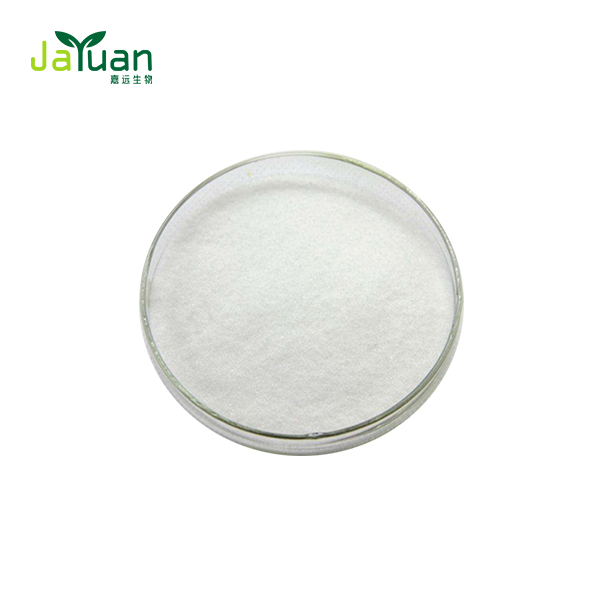
Appearance: White to off-white powder
Ref standard: USP43
Assay: 99.7%(HPLC)
Molecular formula: C13H16N2O2
Molecular weight: 232.28
MOQ: 1KG
Stock:in stock
Our Advantages: Scalable production capacity, strict quality control, cost efficiency from integrated factories, over 20 years of experience, advanced technology, and 24/7 after-sales support.
Certificaions: FSSC2000/ISO2000/HALAL/KOSHER/HACCP
Delivery terms: FedEx, DHL, EMS, UPS, TNT, all kinds of the airline, international shipping companies.
Payment: TT/DP/PAY PAL/VISA/DA/LC/MASTER CARD/ESCROW
Grade: Pharmaceutical Grade
Customized Service: Supports ODM/OEM
Free sample is available.
We do not sell retail quantities to individuals.
Understanding Melatonin Powder and How It Works?
Melatonin is a hormone that regulates the body’s circadian rhythms. After the onset of darkness , the body will normally increase melatonin production . This helps signal that it is nearing the regular biological sleep time .
“Melatonin powder” refers to the physical form of the raw substance. “Pure” or high-assay melatonin should not be considered a separate chemical from synthesised melatonin. Chemical identity is the same . Purity and impurity profiles are the quality of the item .
The Biological Mechanism of Sleep Regulation
The suprachiasmatic nucleus (SCN) is the master clock for circadian rhythms in animals. Melatonin signalling via melatonin receptors such as MT1 and MT2 influences this system, helping to synchronise biological time.
Melatonin supplements may shift the time of sleep, but whether they do so depends on the time they are taken and what they are being used for. The NCCIH says there is evidence for improvements for jet lag and delayed sleep-wake phase disorder, but not so much for persistent insomnia. (nccih.nih.gov) For this is a crucial difference for manufacturers. A high purity raw material may help promote uniformity in the formulation, but it should not be advertized as a guaranty of a certain sleep consequence.
Natural vs. Synthetic Melatonin Sources
Melatonin supplements are available from several sources although commercial melatonin supplements are most often synthetic. (nccih.nih.gov) For procurement teams, a raw material is not defined just by the source. Buyers should look at chemical identification, assay, impurity profile, production controls, traceability and batch documents.
With a synthetic source you may have a specified chemical substance and a quantifiable specification . The supplier ’ s analytical documentation allows customers to check whether each batch fulfils the stipulated standards . This is more beneficial for quality control than using the labels ‘natural’ or ‘synthetic’ to describe a product.
Powder Form Advantages for Manufacturing
The key benefit of the powder is the formulation flexibility. The bulk powder may be formulated into acceptable finished-product forms according to the formulation strategy of the producer.
Manufacturers have better control over dosage-form creation, excipient choice, packaging and manufacturing procedures by obtaining the active ingredient separately than if buying a completed tablet or capsule.
But it is not right to say that the powder is always the most stable or the quickest acting of all the forms. Stability varies on material specifications, packaging, storage circumstances and formulation. Therefore, buyers should adhere to the shelf life and storage conditions as specified by the provider, instead of making a generic assumption of three years.
Optimal Dosage and Safe Usage Guidelines
The dosage should be based on the desired final product, target demographic, target market and existing clinical and regulatory data. There is no single dose range that can be applied to all commercial melatonin formulations.
For B2B producers, the supplier’s assay is especially significant as it helps the formulation team to determine the exact raw-material input necessary for a certain active content.
Recommended Dosage Ranges for Different Applications
Melatonin has been evaluated over a broad range of dosages. A thorough analysis of its pharmacokinetics ranging from 0.3 mg to 100 mg concluded there was considerable variability in exposure and pharmacokinetic characteristics . (pubmed.ncbi.nlm.nih.gov)
That does not imply all of these dosages are suitable for consumer goods. Instead, commercial formulation should be based on the intended use and any regulatory requirements.
For manufacturers it is also crucial to differentiate between the quantity of raw material added during manufacturing and the final labelled serving size. A batch specific COA may assist validate the assay used for formulation calculations.
Timing Considerations for Maximum Efficacy
The substance interacts with the circadian clock of the body, which is why the biological activity of melatonin is timed.
Pharmacokinetic investigations have shown that oral immediate release melatonin reaches peak plasma concentrations rather fast. A comprehensive analysis found a mean Tmax of about 50 minutes. However, the Tmax values reported in the evaluated trials ranged from 15 to 210 minutes. Food consumption, age, coffee, smoking and certain drugs may also influence pharmacokinetics. (pubmed.ncbi.nlm.nih.gov) Therefore, Just because the basic ingredient is melatonin powder doesn’t mean it is appropriate to promote a completed product with a universal “30-minute” or “60-minute” onset claim.
Safety Profile and Precautionary Measures
According to the NCCIH, most individuals tolerate short-term melatonin supplementation pretty well but the long-term safety of the supplement is not yet known. Side effects reported have included headache, dizziness, nausea and drowsiness. (nccih.nih.gov) Melatonin may also interfere with several drugs. If you are on medication, especially blood thinners, you should obtain proper expert guidance before using melatonin supplements. (nccih.nih.gov) For Furthermore, the safety of raw materials should also be verified by proper quality controls, such as identification, assay, contaminants, and other tests as stipulated for the intended use.
Comparing Melatonin Powder with Alternative Sleep Aids
Sleep-support chemicals vary in mechanism, research basis, formulation needs and regulatory issues. So comparing them on one scale of “better or worse” is not relevant for B2B procurement.
Delivery Form Comparisons
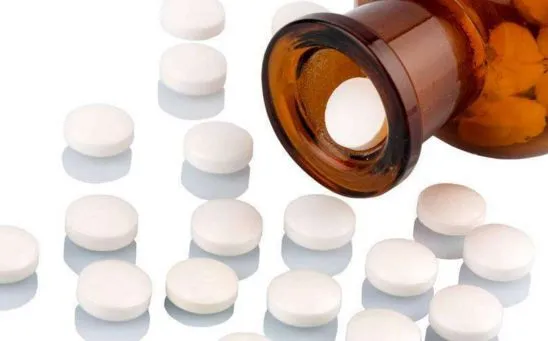
Melatonin may be formulated into a variety of final product forms including pills, capsules, liquids and other acceptable delivery methods.
Powder is used as a raw ingredient for formulation and enables the makers to regulate the end dose form. Tablets and capsules provide consumers a fixed format, but need more manufacturing stages and excipients. Liquid goods may have diverse formulation features but may need extra care for stability, packaging and preservation.
The right format is determined by the intended product, rather than presuming that one distribution technique is generally quicker or more effective.
Natural Alternatives in the Sleep Aid Market
Sleep and relaxation products also include ingredients including L-theanine, camomile, passionflower and valerian. However, they are not the same as melatonin.
Melatonin is a single identified hormone-related chemical, while botanical substances comprise several elements and may need additional controls to ensure botanical identification, marker compounds, extraction ratios, and batch consistency.
The choice should be based on the planned product idea, supporting evidence, formulation needs and regulations in the target market.
Synthetic vs. Natural Purity Considerations
Purity should not be judged on the basis of whether an ingredient is natural or manufactured. For a certain chemical constituent, such as melatonin, purchasers should look at identification, assay, impurity profile, analytical methodologies, and production controls.
The USP Melatonin monograph requires an assay of 98.5% to 101.5% on the dry basis. This illustrates why a purchaser should evaluate the supplier’s specification with the appropriate standard, rather than assuming that any “98%” or “99%” assertion means the same thing. (doi. usp. org)
Procurement Guide: Buying Melatonin Powder in Bulk for B2B Clients
Bulk procurement requires more than comparing quoted prices. A reliable evaluation should cover product specifications, analytical documentation, supplier qualifications, packaging, MOQ, samples, and regulatory support.
Essential Supplier Evaluation Criteria
Before selecting a melatonin powder supplier, buyers should establish a written specification for the material.
Important documents and parameters may include:
- Product specification
- Batch-specific Certificate of Analysis (COA)
- Identity and assay testing
- Impurity profile
- Heavy-metal testing where applicable
- Microbiological testing where applicable
- Storage conditions and shelf life
- Packaging specifications
- Manufacturing and quality-system documentation
HPLC is commonly used for analytical determination of melatonin content, while other analytical techniques may be used when specific impurities or contaminants need to be evaluated.
Jiayuan Bio-Tech currently publishes its bulk melatonin product with a USP43 reference standard and a 99.7% HPLC assay. The listed product information also includes CAS No. 73-31-4, molecular formula C13H16N2O2, molecular weight 232.28, white to off-white powder, and a 1 kg MOQ. (jayuanbio.com)
Pricing Dynamics and Cost Optimization
The price of melatonin is influenced by specification, order quantity, packaging, testing requirements, market circumstances, delivery, etc.
Therefore, publishing a set bulk-discount % without the latest bids of the supplier is not recommended. Procurement teams should be looking at the whole landed cost including the testing, the packaging, the freight, customs-related fees and other relevant charges, rather than the price of the commodity.
Buyers should also compare vendors on the basis of the same technical standard. A cheaper price is hard to judge if one provider has a different assay, testing package, packing type or MOQ.
Regional Supply Chain Considerations
Melatonin is provided to worldwide markets although procurement criteria differ depending on the destination. Buyers need to evaluate the manufacturing capacity, lead time, export paperwork, transportation needs and the regulatory status of the completed product in the destination country.
A supplier that can supply samples, technical documentation, batch COAs, proper packing and quick communication may make foreign procurement simpler to deal with.
Buyers should also check the product specification and paperwork approved for each shipment and not assume past purchases will stand.
Case Studies and Customer Experiences
Specific client case studies should be provided only when the underlying customer, performance statistics and authorisation to reveal the material can be validated.
The earlier version of this section promised a 40% reduced batch variation, dissolution in under 30 seconds, 30% greater consumer preference, and a cut in development time of 8-12 weeks. These are not to be cited as actual case studies without recorded customer proof.
Nutraceutical Manufacturing Success Stories
For nutraceutical manufacturers, the practical value of a consistent melatonin powder supplier can be assessed through measurable procurement and quality indicators.
These may include:
- Consistency of assay between batches
- Availability of batch-specific COAs
- Compliance with the agreed specification
- Sample-to-bulk consistency
- Packaging integrity
- Lead-time reliability
- Responsiveness to technical questions
This type of evidence is more useful than an unsupported sales or customer-preference percentage because it can be checked during supplier qualification.
Pharmaceutical Industry Applications
When melatonin is examined, the quality criteria may be more stringent for pharmaceutical development or clinical research than those applied to other product classifications.
Manufacturers should define the appropriate specification, impurity requirements, analytical methodologies, documentation, and regulatory process prior to the purchase of bulk material.
A supplier’s generic remark that a product is “pharmaceutical grade” should not substitute for the buyer’s own evaluation of quality. The appropriate quality and regulatory teams examine the applicable specification and associated analytical documentation.
Market Trends and Emerging Applications
Researchers continue to study melatonin and add it to products aimed at improving sleep and circadian health. However, market-growth numbers should not be given as reality unless they are from a clearly defined, current market research.
More important development issues for producers include what dosage form makes sense, what target market the product will address, what claims are allowed, and what quality criteria are needed.
This enables product producers to assess potential without assuming that all new formats or markets will have the same regulatory or formulation needs.
Conclusion
Choosing a melatonin powder is not as simple as a high assay or cheap purchasing price. Melatonin is a crucial component of circadian timing, yet effects are dependent on time, formulation, dosage and individual characteristics. The absorption and exposure also varied widely throughout the clinical pharmacokinetic investigations. (pubmed.ncbi.nlm.nih.gov) A clear specification is the first step to a more reliable procurement process, then comes COA review, supplier qualification, sample evaluation, package inspections and regulatory examination. It offers a firmer foundation for the development of consistent final goods than unfounded promises of fixed onset timings, guarantyd effectiveness or reductions in manufacturing costs.
FAQ
1. What purity level should I specify for pharmaceutical applications?
There is no one purity percentage suitable for all medicinal applications. The needed specification is dependent upon the relevant pharmacopeial standard, regulatory process, formulation and intended use. USP’s Melatonin monograph is 98.5% to 101.5% melatonin on a dry basis. Therefore buyers should determine their specification with their quality and regulatory teams rather than using 99% as a universal pharmaceutical level.
2. How does synthetic melatonin powder compare to natural sources?
The most prevalent kind of melatonin used in commercial supplements is synthetic. “Natural” and “synthetic” relate to the source or production method, while purity is about the chemical composition and impurity profile of the final r material. Buyers should examine identification, assay, contaminants, analytical documentation, traceability, and batch consistency for procurement, rather than assuming one supplier is inherently safer or more effective.
3. What storage conditions are required for maintaining potency?
Store as specified in the published product specification of the supplier. Buyers should check the suggested temperature and moisture controls, protection from light, packaging, and claimed shelf life, before buying in bulk. These parameters might be different for each product and each package arrangement and so a general guideline of “below 25°C and below 60% humidity” should not be imposed without documentation to back it.
Partner with Jiayuan Bio-Tech for Premium Melatonin Powder Supply
Jiayuan Bio-Tech supplies melatonin powder for B2B applications and publishes a product specification that includes USP43 as the reference standard, a 99.7% HPLC assay, CAS No. 73-31-4, molecular formula C13H16N2O2, molecular weight 232.28, white to off-white appearance, and a 1 kg MOQ. The product page also indicates that samples are available. (jayuanbio.com)
For buyers evaluating a new supplier, the practical next step is to compare the published specification with your internal requirements and request the relevant COA, sample, packaging information, and commercial details before moving to bulk procurement.
To discuss melatonin powder specifications, samples, or bulk requirements, contact Jiayuan Bio-Tech at sales@jayuanbio.com or sales1@jayuanbio.com.
References
1. Ferracioli-Oda, E., Qawasmi, A., & Bloch, M. H. (2013). Meta-analysis: melatonin for the treatment of primary sleep disorders. PLoS ONE, 8(5), e63773.
2. Brzezinski, A. (1997). Melatonin in humans. New England Journal of Medicine, 336(3), 186-195.
3. Zhdanova, I. V., Wurtman, R. J., Regan, M. M., Taylor, J. A., Shi, J. P., & Leclair, O. U. (2001). Melatonin treatment for age-related insomnia. Journal of Clinical Endocrinology & Metabolism, 86(10), 4727-4730.
4. Claustrat, B., Brun, J., & Chazot, G. (2005). The basic physiology and pathophysiology of melatonin. Sleep Medicine Reviews, 9(1), 11-24.
5. Pandi-Perumal, S. R., Trakht, I., Srinivasan, V., Spence, D. W., Maestroni, G. J., Zisapel, N., & Cardinali, D. P. (2008). Physiological effects of melatonin: role of melatonin receptors and signal transduction pathways. Progress in Neurobiology, 85(3), 335-353.
6. Hardeland, R., Pandi-Perumal, S. R., & Cardinali, D. P. (2006). Melatonin. The International Journal of Biochemistry & Cell Biology, 38(3), 313-316.