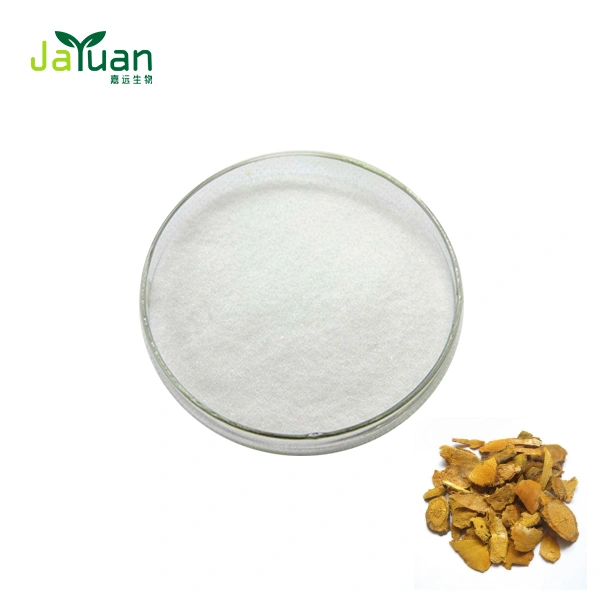

How to Choose Resveratrol Powder for Your Formulation
Selecting the correct resveratrol powder for your formulation is one of the most impactful decisions a procurement professional or formulator will make. There are dozens of vendors, different purity grades and various application types on the market and the selection process is more than just price comparison. This guide cuts through the noise to provide you with a practical, experience-backed framework for evaluating trans-resveratrol ingredient quality, matching specifications to your application, and building a supply chain you can depend on — whether you are sourcing for dietary supplements, cosmeceutical serums or functional beverage formulations.
What Is Resveratrol Powder and Why Does It Matter for Your Formulation?
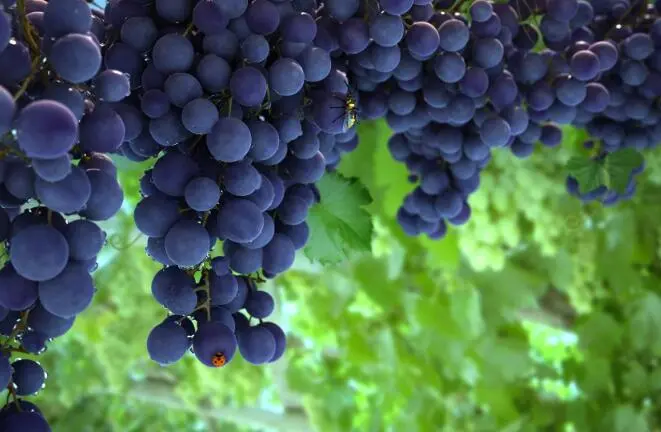
Most resveratrol powder is a phytoalexin produced from the root of Polygonum cuspidatum (Giant Knotweed) or by fermenting plants with bacteria. It is the biologically active form and when formulators wish to add antioxidants, activate the sirtuin pathway or aid collagen formation to skincare products they seek out the trans-isomer (trans-3,5,4’-trihydroxystilbene). It is an off-white to white fine powder with molecular weight 228.24 g/mol and melting point is 253°C to 255°C at normal conditions.
Natural vs. Synthetic: What Should You Prioritize?
The most popular commercial source of resveratrol is resveratrol powder derived from the knotweed root plant, since it provides a reliable source of high amounts of the trans-isomer. Whereas pharmaceutical grade pure claims are increasingly made using synthetic and fermentation derived variants, however these generally cost more per gram. The food supplement pills and softgels still generally use 98% pure (HPLC verified) plant extracted grades. In US and EU markets, more and more cosmetics and medicine related uses require ≥99% pharmaceutical grade material for regulatory reasons.
Validated Applications Across Formulation Categories
Across B2B formulation categories, the resveratrol ingredient is used in:
- Hard-shell capsules and softgels — mixed with lipid carriers like olive or grapeseed oil to help the body absorb them through the lymphatic system. They are often stacked with NMN or coenzyme Q10 to help people live longer.
- Functional gummies and beverages — usually microencapsulated to hide their natural bitterness and keep them from breaking down during pasteurization or long-term storage.
- Cosmeceutical serums and night creams — contain tyrosinase inhibitors and antioxidants need to be packed in vacuum-airless or nitrogen-flush containers to keep the products from going bad and changing color.
These application needs can't be switched around, and your resveratrol powder source needs to know how to meet each one's unique requirements.
Essential Criteria for Evaluating Resveratrol Powder Quality
An organized checklist keeps buying teams from making mistakes that cost a lot of money when they start to look over ingredients. Here are the main things that expert formulators look at before they approve a new source of resveratrol powder.
- Purity grade and isomer confirmation — For nutritional uses, a trans-resveratrol level of at least 98% must be confirmed by HPLC. Cosmetic-grade uses can accept up to 95%, but uses close to pharmaceuticals need up to 99%. It is important to always ask for the Certificate of Analysis (COA), which lists the isomer ratio, heavy metal limits, and bacteria count.
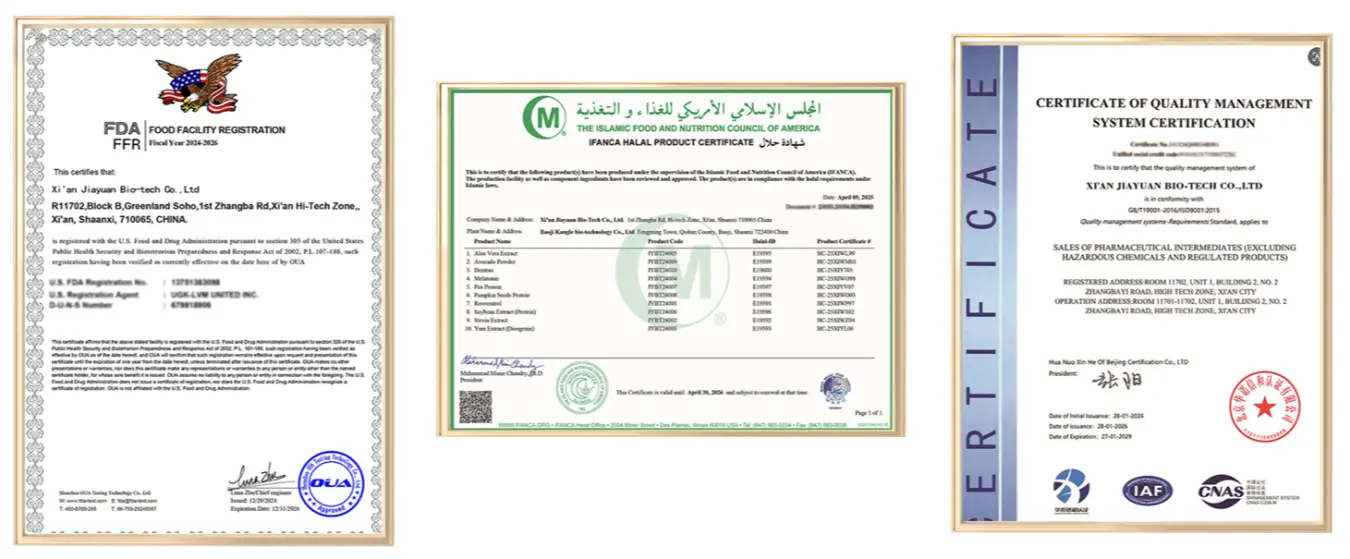
- Certifications and regulatory alignment — In order to sell in the US and EU, factories must be GMP-certified and follow ISO standards. The material meets traceable analytical standards, as shown by the USP/EP pharmacopeia conformance on the COA.
- Physical parameters and processability — Different particle sizes, moisture content (ideally ≤0.5%), and the ability to dissolve in water are all things that affect processing further down the line. Low moisture makes it easier to blend ingredients without clumps and keeps ingredients stable for longer while the product is stored.
- Batch consistency documentation — Ask for COA data for more than one batch, not just a report for one lot. A lot of small suppliers fail at batch-to-batch stability, which means that formulations have to be redone and regulatory applications have to be made again.
These criteria are the building blocks of a good process for qualifying ingredients. Without this data, even the most low price quote is a risk to your end product line that you can't measure.
Why Solubility Deserves Special Attention
Resveratrol is attracted to fats and doesn't dissolve well in water. This is a real recipe problem for cosmetics that are used in drinks or water. This can be fixed with micronized or nano-encapsulated forms of resveratrol powder, but they cost more. Check with your source to see if they offer particle-engineered types or if you have to do the encapsulation yourself.
Matching Resveratrol Powder Specifications to Your Use Case
For some uses, the purest grade might not be necessary, and being too specific can cut into your profit margin for no reason. The table below shows how to match the grade choice to the type of application:
- 50% standardized extract — It can be used for basic supplement blends and topical formulations where the label claims total polyphenol content and not just isolated trans-resveratrol.
- 98% HPLC-grade — This is the standard requirements for most pill, candy, and cosmetic uses. Offers the best mix of effectiveness, price, and accessibility.
- ≥99% pharmaceutical-grade — Needed when regulatory dossiers, clinical data, or drug-adjacent placement call for the highest level of isomer purity and the lowest levels of impurities.
If your recipe already has antioxidants that work well together, like grape seed extract or pterostilbene, a 98% resveratrol powder may work better and cost less total. Talk to your source about co-extraction options to find ways to save money without losing performance.
B2B Procurement Best Practices: Reducing Risk While Controlling Cost
Finding the best price per kilogram isn't the only thing that makes B2B buying of resveratrol powder work well. To do sustainable buying, you have to look at the whole cost of the product, which includes the costs of logistics, quality problems, and following the rules.
How to Verify Supplier Credibility Before Committing
Before you place a bulk order, you should ask for a pre-shipment sample and have an independent third party check the HPLC results. Make sure the seller has a current GMP certificate and can give you ISO documentation if you ask for it. Ask them directly about their liquid recovery systems. Suppliers with recovery rates of 90% or more of the ethanol tend to have more stable cost structures, which means that bulk prices for resveratrol powder will be easier to predict over the course of a contract.
A trustworthy company will also give you information on how stable different lots are, how to package it using nitrogen, and how to keep the wetness level at ≤0.5%. These things will protect the quality of your ingredient from where it is grown to where it is made.
Negotiating MOQ, Logistics, and After-Sale Support
When negotiating with a supplier of resveratrol powder, keep these points in mind:
- Ask for tiered prices based on quarterly volume agreements instead of spot orders to get cost savings of 40% to 60% compared to buying in small amounts.
- Check to see if the supplier works with shipping companies like FedEx, DHL, UPS, or EMS, and see if they handle customs clearance for countries like the US or EU.
- Find out how long it takes to reorder and if the seller keeps stock in a warehouse so that you can get your orders quickly when your production plan picks up.
Once you've qualified a supplier, set up a regular quality audit schedule and keep the lines of communication open about where the raw materials are coming from. This is especially important because suppliers that grow their own crops tend to offer more stable prices when the market changes.

Conclusion
Choosing the right resveratrol powder involves a number of factors, such as the purity grade, how well it works with other products, how reliable the supplier is, and the total cost of buying it. Formulators who take the time to properly qualify ingredients by checking COA data, trying batch consistency, and checking source certifications always make final products that are stronger and more competitive. Whether you're making a functional gummy, a serum for skincare, or a supplement to help people live longer, the best way to make sure your product works well and your supply chain is confident is to make sure you use the right trans-resveratrol extract specification.
FAQ
1.What purity level of resveratrol powder is appropriate for dietary supplement capsules?
For capsules and softgels that are meant to help with life or heart health, a trans-resveratrol content of at least 98% by HPLC is the norm. Lower standardized extracts (50%) are used in polyphenol mixes that are more general, but they are not as good for precisely giving the trans-isomer of resveratrol powder.
2.How should resveratrol extract be stored to maintain stability?
Keeping the moisture level below 0.5% and sealing the packages with nitrogen gas greatly increases the shelf life, which can last up to three years in the right conditions. Stay away from UV light and oxygen, as they can speed up the breakdown of isomers and change the color of cosmetic formulations.
3.What certifications should I require from a resveratrol powder supplier?
Ask for current GMP certification, ISO paperwork, and COA reports that are in line with the standards set by the USP or EP pharmacopeia. To get into the US and EU markets, you need these qualifications. An independent third-party HPLC check of your sample batch gives you extra peace of mind before you place large-volume orders.
4.Is resveratrol powder suitable for vegan-labeled products?
Plant-extracted resveratrol powder derived from Polygonum cuspidatum is naturally vegan because it comes from plants. Check with your source to make sure that no ingredients that come from animals are used in the processing or packing.
Partner With Jiayuan Bio-Tech for Reliable Resveratrol Powder Supply
Jiayuan Bio-Tech is a reliable company that makes resveratrol powder. They give pharmaceutical-grade (≥99%), cosmetic-grade (≥95%), and standardized extract grades, and they have GMP and ISO certifications to back them up. Our SMB chromatographic purification process makes sure that every batch is more than 98% pure, and our DCS-automated production lines make sure that every batch is the same, which is what your recipes need. We ship with FedEx, DHL, UPS, and EMS, and we can help with customs clearance in the EU and the US. To get samples and prices, email our team at sales@jiayuanbio.com or sales1@jiayuanbio.com, or go to jayuanbio.com.
References
1. Baur, J. A., & Sinclair, D. A. (2006). Therapeutic potential of resveratrol: The in vivo evidence. Nature Reviews Drug Discovery.
2. Cottart, C. H., Nivet-Antoine, V., Laguillier-Morizot, C., & Beaudeux, J. L. (2010). Resveratrol bioavailability and toxicity in humans. Molecular Nutrition & Food Research.
3. Shaito, A., Posadino, A. M., Younes, N., et al. (2020). Potential adverse effects of resveratrol: A literature review. International Journal of Molecular Sciences.
4. Neves, A. R., Lúcio, M., Lima, J. L., & Reis, S. (2012). Resveratrol in medicinal chemistry: A critical review of its pharmacokinetics, drug-delivery, and membrane interactions. Current Medicinal Chemistry.
5. United States Pharmacopeia (USP). (2023). USP–NF General Chapters: Dietary Supplement Monographs. USP Convention.
6. European Medicines Agency (EMA). (2016). Assessment Report on Polygonum cuspidatum Sieb. et Zucc., Rhizoma. Committee on Herbal Medicinal Products (HMPC).