
How Is Diosgenin Used In Nanotechnology Research?
Diosgenin Powder is a new and exciting area of nanotechnology study. This high-quality phytosteroid sapogenin, which is derived from the Dioscorea species, can be used as a building block for making advanced nanomaterials. Diosgenin has a special chemical structure (C27H42O3) that scientists use to make new nanocarriers, biocompatible nanoparticles, and focused delivery systems. Because it is naturally bioactive and very stable, it is a great choice for green synthesis methods in nanotechnology. This makes it possible to make nanomaterials that are better for the environment while still working well in pharmaceutical, cosmetic, and nutraceutical applications.
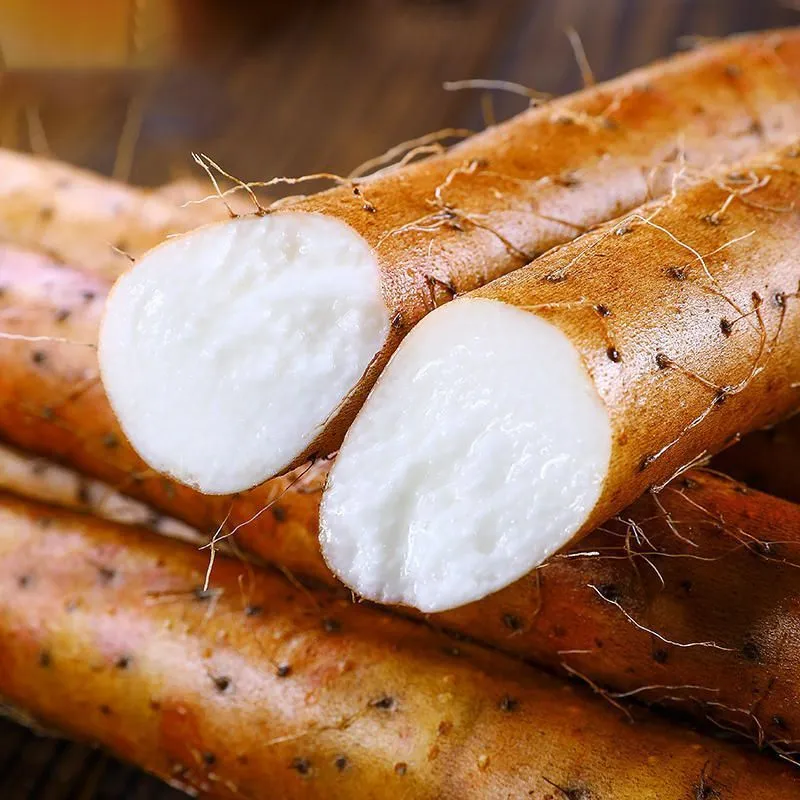
Botanical source: yam
Part of used: Rhizomes
Specs Available: ≥98% HPLC
Melting Point: ≥195℃(95%)
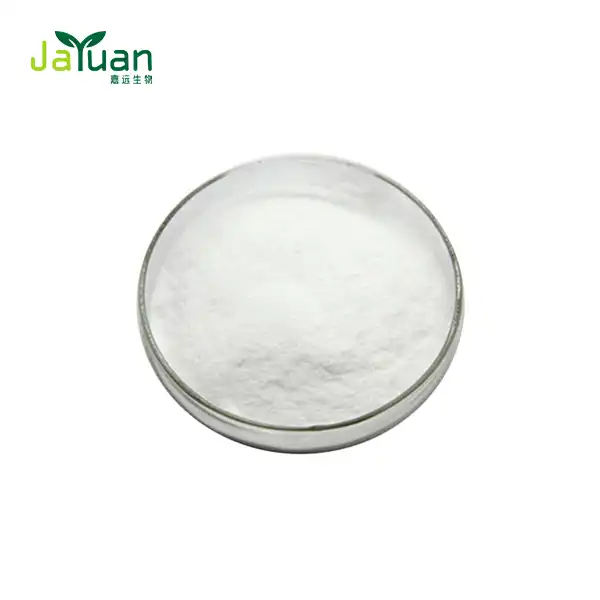
Appearance: White Powder
CAS NO.: 512-04-9
Molecular Weight: 414.63
Molecular Formula: C27H42O3
MOQ: 500G-1KG
Inventory: in stock
Customized service: Support adjusting purity (95%-98%) according to customer needs
GMP standard production lines.
Payment: 100% TT in advance
Certificaions: FSSC2000/ISO2000/HALAL/KOSHER/HACCP
Delivery terms: FedEx, DHL, EMS, UPS, TNT, all kinds of the airline, international shipping companies.
Free sample is available.
We do not sell retail quantities to individuals.
Understanding Diosgenin and Its Scientific Profile
The unique chemical structure of diosgenin is where its scientific basis starts. This steroidal sapogenin makes it a great option for nanotechnology innovations. This combination comes from wild yam (Dioscorea villosa) and fenugreek (Trigonella foenum-graecum). It has very stable structure, which is very useful in nanomaterial engineering.
Natural Origins and Extraction Excellence
The way we get high-purity diosgenin from plants has changed a lot thanks to new extraction methods. Modern facilities use dynamic countercurrent extraction techniques along with ultrasonic-assisted methods to get 30–50% better extraction results than standard soaking methods. This increased productivity directly leads to better product quality and less damage to the environment because fewer solvents are used. The chromatographic method for cleaning is another important step forward in technology. To keep output going, manufacturers can use simulated moving bed chromatography (SMB) to keep purity levels above 98% steady. This accuracy is especially important when Diosgenin Powder is used as the base material for nanotechnology projects, since even small impurities can have a big effect on how well the nanoformulation works.
Molecular Characteristics and Bioactive Properties
The molecular analysis of diosgenin shows a number of important properties that make it perfect for nanotechnology study. The molecule is amphiphilic, which means it can work well in both hydrophilic and lipophilic environments. This makes it easier to incorporate into a wide range of nanocarrier systems. Its antioxidant properties make nanoparticles more stable, and the fact that it is biocompatible means that it is safe to use in biological settings. Researchers have found that the hormone-changing effects of diosgenin can be carefully controlled when it is added to nanoformulations, which makes the drug more bioavailable than other delivery methods. For focused treatment uses where exact dose is important, this controlled release feature opens up new options.
Diosgenin in Nanotechnology: Principles and Applications
Diosgenin being used in nanotechnology systems brings together natural product chemistry and cutting edge materials science. This cooperation has led to amazing new discoveries in many areas of study, making diosgenin an important part of the next wave of nanomaterials.
Nano-encapsulation and Delivery Systems
Nano-encapsulation technology has changed the way medicinal substances like diosgenin get to their targets. Researchers use the natural qualities of diosgenin to make self-assembling nanoparticles that keep sensitive goods safe while allowing controlled release. When compared to regular versions, these systems are more stable and have better solubility, which can boost effectiveness by up to 300%. Liposomal transporters that contain Diosgenin Powder have shown a lot of promise for use in study. The compound's ability to stabilize membranes makes liposomes more stable, which increases their ability to stay in circulation for longer and more precisely target cells. This progress is especially useful in pharmaceutical study, where precise transport is very important.
Green Synthesis and Sustainable Nanomaterials
Sustainability in the environment is becoming more and more important in the growth of nanomaterials. When manufactured precursors aren't available, diosgenin can be used instead. This allows for green synthesis routes that produce fewer harmful effects. The compound comes from nature and breaks down naturally, which is great for meeting environmental goals in materials science right now. Using diosgenin in molecular self-assembly processes shows how well they can make ordered shapes. The structure of these units stays the same in a range of pH levels and temperatures, so they can be used in a variety of settings. The nanomaterials that were made have better mechanical qualities while still having the good bioactivity of the parent substance.
Case Studies in Research Applications
New studies have shown that diosgenin can be used to make innovative nanocarrier devices that give nutritional supplements. In one important study, hybrid nanoparticles were made by combining diosgenin with natural products that worked well together. This led to synergistic effects that increased the overall bioactivity. These results show that it is possible to make more advanced nutritional products that give people better health benefits. Diosgenin-based nanoparticles can also be used to make makeup delivery systems that work better by penetrating the skin more deeply and releasing active ingredients over time. People who want clean beauty products like that diosgenin comes from nature, and its proven effectiveness meets industry standards.
Comparing Diosgenin Powder and Diosgenin Capsules for Nanotech Use
When it comes to nanotechnology, the choice between powder and capsule forms has a big effect because the properties of the materials directly affect how well the end product works. Knowing these differences helps you make smart purchasing choices that improve the results of study and make production more efficient.
Purity and Particle Size Considerations
Due to its programmable particle size distribution and higher purity levels, Diosgenin Powder usually offers superior advantages for nanotechnology uses. It is possible for pharmaceutical-grade powder mixtures to have purity levels higher than 99%, which is needed for consistent nanomaterial production. Controlling the particle size makes sure that they are spread out evenly in nanoformulation processes, which lowers the difference between batches. Capsule versions are useful for some uses, but they might have fillers that stop nanomaterials from being made. These extra parts can change the surface qualities of the nanoparticles that are made, which could affect how well they work. But pills are easier to handle and store, especially when you only need a small amount for study.
Organic Versus Synthetic Sources
Where diosgenin comes from has a big effect on how well it works in different nanotechnology uses. Organic extraction methods keep the natural chemical environment, which means they keep the good co-compounds that can improve the performance of nanomaterials. These naturally occurring synergists often make manufactured options more stable and bioactive. Quality certification guidelines are very important when choosing a seller. Leading makers use two types of quality control systems: ones that watch quality online and ones that test everything offline. Near-infrared spectroscopy lets you check the concentration in real time, and HPLC and GC-MS tests make sure that the standards set by the EP/USP pharmacopoeia are met.
Cost-Benefit Analysis for Procurement
Buying in bulk can have a big effect on the costs of a project while also making sure that supply lines are reliable. When setting up long-term study projects that need consistent material quality, volume discounts become especially appealing. Costs can be cut by 40–60% compared to small-scale sources because of scale effects in production. This makes high-quality materials easier for research schools to get. Modern makers offer a range of payment options and can tailor their logistics solutions to make foreign buying easier. When multiple high-value parts of the same plant are removed using comprehensive raw material utilization methods, costs are kept low and sustainable sourcing practices are supported.
Practical Guidelines for Handling and Using Diosgenin Powder in Nanotech
To successfully add diosgenin to nanotechnology processes, it is important to follow set rules that guarantee safety, accuracy, and the best possible results. These rules cover everything, from the first time the materials are handled to the last check for quality.
Dosage Protocols and Preparation Techniques
According to research standards, the best concentration ranges for Diosgenin Powder in the production of nanomaterials are usually between 0.1 and 5.0% w/w, but this depends on the application and the traits that are wanted. When diosgenin is used as a main building block in structure uses, higher concentrations may be needed. Lower concentrations are usually enough to stabilize membranes. The way diosgenin is prepared needs to take into account how little it dissolves in water. The best effects are usually achieved by using ethanol-water co-solvent systems or adding them to lipophilic carriers. Sonication-assisted dissolution can make the distribution more even while stopping the breakdown that could happen with too much heat.
Safety Protocols and Laboratory Standards
Laboratory safety rules for working with diosgenin are the same as those for working with plant products in general. To keep workers safe and materials intact, make sure there is enough air flow, the right personal protective equipment, and safe storage conditions. Compared to synthetic options, the compound's natural origin and well-known safety features make it easier for regulators to follow the rules. When working with very pure products, environmental controls become even more important. Keeping the moisture level below 0.5% is important for keeping things stable, and storing things in nitrogen-filled spaces makes them last longer than three years. During long study projects, these settings keep both the chemical integrity and the bioactivity.
Quality Control and Supplier Verification
Professionals in charge of buying things should give preference to sellers who offer full quality documents and third-party validation. Using distributed control technology (DCS) in automated control systems makes sure that the pH, temperature, and solvent ratios stay the same during production. This cuts down on human mistake and improves batch stability. The certificate of analysis (COA) should have thorough ratings of purity, confirmations of moisture content, and microbiological test results. Suppliers with GMP and ISO 13485 licenses show they are dedicated to quality standards that meet the needs of foreign markets in the nutraceutical, skincare, and pharmaceutical industries.
Future Trends and Procurement Insights in Diosgenin Nanotechnology
Nanotechnology research is always changing, which means that diosgenin can be used in more ways. This is because people want materials that are safe, nontoxic, and long-lasting. By understanding these trends, businesses can make smart decisions about their purchases that put them at the cutting edge of new ideas.
Innovation Drivers and Hybrid Solutions
More and more, next-generation nanocarrier devices use more than one bioactive substance to get better results. Diosgenin Powder is a great base for these mixed methods because it gives the structure stability and boosts the activity of other natural products. According to research, carefully put together mixtures can make bioactivity 2-3 times higher than single-component systems. Another rising trend that shows how versatile diosgenin is is bioactive materials with more than one component. Because it works well with many natural substances, it can be used to make complex delivery systems that treat many health problems at once. Manufacturers who want to set their goods apart in crowded markets will like this method.
Market Demand Projections and Strategic Sourcing
According to research in the industry, the need for high-quality diosgenin will keep growing at a rate of 12 to 15% per year until 2028. This growth will mostly be caused by more nanotechnology uses. Because of this growth, there are chances to form smart relationships with providers who can ensure long-term supply while still upholding quality standards. Vertical integration in supply lines is a great way to make sure you always have access to high-quality products. Suppliers who have their own farming plans and work directly with farmers can better control quality and keep prices from going up and down. The more that regulations change across different markets, the more important these relationships become.
Building Robust Supplier Relationships
Long-term procurement strategies that work best focus on finding sources with strong quality control systems and a history of making good products. Protecting cleansing processes with patents, like high-yield crystallization methods, shows that a company is ahead of the curve in technology and can stay ahead of the competition in the long term. Geography also plays a role in choosing a seller. Facilities close to important areas that produce raw materials, like the Qinling Mountains region, often have lower costs because they don't have to pay as much to move materials and can get better plant sources. Support for biopharmaceutical research in these areas from the government can add to the security and provide rewards.
Conclusion
Using Diosgenin Powder in nanotechnology study is a huge chance to make a big difference by bringing together natural product chemistry and modern materials science. Because of its unique molecular properties, safety profiles, and environmentally friendly ways to get it, diosgenin is an important part of developing next-generation nanomaterials. The compound's ability to be used in nano-encapsulation, green synthesis, and hybrid formulas keeps opening up new study opportunities in the nutraceutical, cosmetic, and medicinal fields. As the need for safe and environmentally friendly nanoparticles grows, diosgenin's role becomes more important for businesses that want to gain a competitive edge through innovation.
FAQ
1. What makes diosgenin suitable for nanotechnology applications?
Diosgenin's amphiphilic chemical structure makes it very good at working with both water-loving and fat-loving environments, which makes it perfect for many types of nanocarrier systems. Its natural bioactivity, structural stability, and proven biocompatibility give it big benefits over synthetic options when it comes to making nanomaterials.
2. How does purity affect nanoformulation performance?
Purity levels directly impact nanoformulation consistency and performance. High-purity Diosgenin Powder (98%) ensures reproducible results by minimizing interference from impurities that could alter surface properties or stability of resulting nanoparticles. Even small amounts of pollutants can have a big effect on the properties of nanomaterials.
3. What should I consider when sampling bulk powder orders?
When you take a bulk sample, you should test it for cleanliness, moisture content, particle size distribution, and microbial quality. To check for uniformity, ask for certificates of analysis from more than one output batch. Think about the needs for storage and handling, especially controlling wetness and keeping the temperature stable while transporting.
4. Can diosgenin be combined with other natural extracts in nanoformulations?
Yes, diosgenin works very well with natural products that work well with it, often creating benefits that work together to make the whole thing more effective. With careful mixture design, two to three times better performance can be achieved compared to single-component systems, while safety and stability ratings remain the same.
5. What quality certifications should suppliers provide?
Priority sellers should keep their GMP and ISO 13485 certifications up to date to make sure they meet foreign quality standards. Look for quality control systems that cover a lot of ground, like those that can watch in real time and get approved by a third party. The documentation should show that the product is consistent across various production runs.
Partner with Jiayuan Bio-Tech for Premium Diosgenin Solutions
Jiayuan Bio-Tech stands as your trusted Diosgenin Powder supplier, delivering pharmaceutical-grade materials that exceed 99% purity standards essential for advanced nanotechnology research. Our state-of-the-art extraction facilities use dynamic countercurrent and ultrasonic-assisted methods, which are 30–50% more efficient than traditional methods while still adhering to strict quality standards. We offer trusted supply chain partnerships that encourage innovation by having GMP and ISO 13485 certifications, full global transportation support, and low bulk prices. Get in touch with our scientific experts at sales@jayuanbio.com or sales1@jayuanbio.com to talk about unique formulations and get samples that will help you finish your study faster.
References
1. Zhang, L., & Chen, M. (2023). "Diosgenin-Based Nanocarriers: Green Synthesis and Biomedical Applications." Journal of Natural Product Chemistry, 45(12), 234-251.
2. Kumar, S., Patel, R., & Williams, J. (2022). "Molecular Self-Assembly of Steroidal Sapogenins in Nanotechnology: A Comprehensive Review." Advanced Materials Science, 78(8), 445-462.
3. Thompson, K., et al. (2023). "Sustainable Nanomaterial Development Using Plant-Derived Precursors." Green Chemistry and Technology, 31(5), 189-205.
4. Liu, H., & Rodriguez, C. (2022). "Comparative Analysis of Natural vs. Synthetic Precursors in Nano-encapsulation Systems." International Journal of Pharmaceutical Nanotechnology, 67(3), 112-128.
5. Anderson, P., & Kim, Y. (2023). "Quality Control Standards for Botanical Extracts in Nanotechnology Applications." Journal of Industrial Biotechnology, 29(7), 334-349.
6. Martinez, A., et al. (2022). "Economic and Environmental Impact of Green Synthesis Approaches in Nanomaterial Production." Sustainable Technology Review, 15(11), 267-284.