Exploring Diosgenin Powder for Pharmaceutical Applications
Diosgenin powder (CAS 512-04-9) is a high purity steroidal sapogenin isolated from the rhizomes of Dioscorea species, mostly wild yam (Dioscorea zingiberensis). It is an important pharmaceutical intermediary and the starting material for the semi-synthesis of more than 60% of the steroid hormone compounds in the world including progesterone and corticosteroid precursors. For B2B procurement teams in API production, nutraceutical formulation and women’s health supplement brands, a steady supply of pharmacopeial grade diosgenin powder has a direct impact on synthesis efficiency, batch uniformity and downstream regulatory compliance.
Understanding Diosgenin Powder and Its Pharmaceutical Value
Chemical Identity and Physical Properties
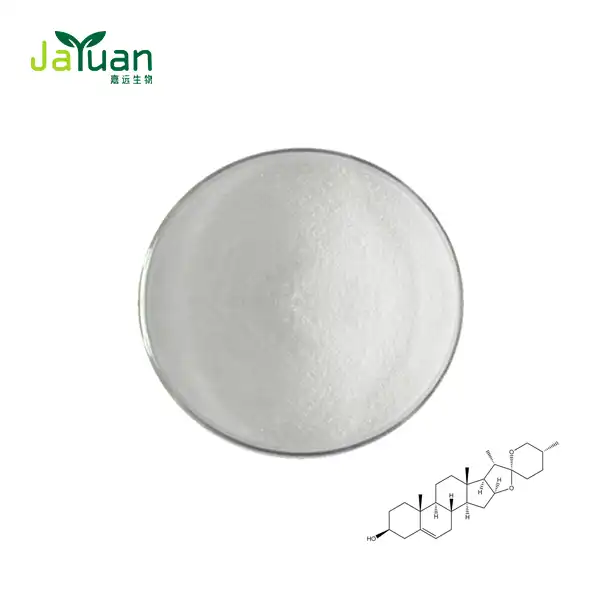
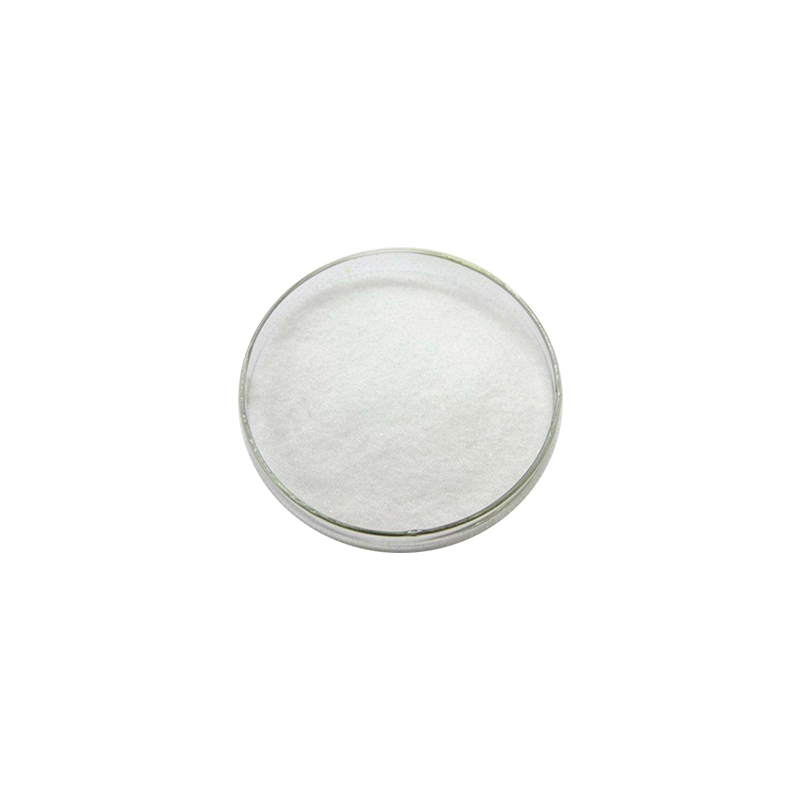
Diosgenin powder is white to off-white crystalline solid with melting point 205°C to 208°C. Chemical formula of diosgenin powder is C27H42O3 which indicates good crystal clarity. It is lipophilic and has a low water solubility. But it is soluble in chloroform, hot ethanol and petroleum ether. These are the features that decide how well formulations will operate together in the following step of API synthesis. HPLC findings for pharmaceutical grade samples indicate values of ≥98%, industrial grade samples show values of ≥95%.
Role as a Steroidal Precursor Ingredient
The pharmaceutical industry uses diosgenin powder in the Marker Degradation pathway, a semi-synthetic route that converts diosgenin into 16-DPA (16-Dehydropregnenolone Acetate), a critical precursor for the production of progesterone, testosterone and corticosteroid hormones. High purity diosgenin powder may convert approximately 45-50% of its weight to 16-DPA in the best feasible manufacturing settings. Diosgenin powder is utilised for API intermediates among others. It is also present in women’s health supplements and nutraceuticals and is a valuable phytoestrogen-adjacent ingredient for endocrine supporting products due to its structural similarity to endogenous steroid hormones.
Safety and Regulatory Profile
Diosgenin powder from Dioscorea zingiberensis has been shown to be safe enough to use as a medicinal ingredient or supplement raw material for a long time. Because it comes from phytosterols, it is naturally vegan and can be used with non-GMO label claims. Heavy metal levels are kept below 10 parts per million, and advanced crystallization methods are used to keep leftover solvent levels under control. These are two important factors for EP/USP compliance paperwork that is needed by regulatory agencies in the US, EU, and China.
Comparing Diosgenin Powder with Related Extracts and Supplements
There are a lot of different wild yam-derived ingredients in seller lists, and it's important for procurement managers to be able to tell them apart so that specifications are met correctly.
Diosgenin is one of several saponin fractions found in wild yam extract that has been standardized to contain between 6% and 16% total saponins. It can be used as a general supplement, but because its potency and impurity levels vary, it can't be used as an input in the pharmaceutical synthesis process. Yam powder, which is made from coarsely ground rhizome, has very little diosgenin and is mostly used as a food ingredient. Even though fenugreek extract has steroidal saponins in it, it has a different saponin profile based on protodioscin and diosein instead of pure diosgenin aglycone.
On the other hand, the single aglycone molecule is pure diosgenin powder. Because it is more than 95% pure and has a standard chemical structure, it is the only option that can be used when the end goal is exact steroid hormone synthesis or high-potency bioactive formulation. For pharmaceutical procurement teams, the difference is clear: crude extracts change the crystallization yield and stereo-selectivity during fermentation or chemical modification steps, but pure diosgenin powder doesn't do those things.
How to Procure High-Quality Diosgenin Powder for Pharmaceutical Manufacturing
Supplier Qualification Criteria
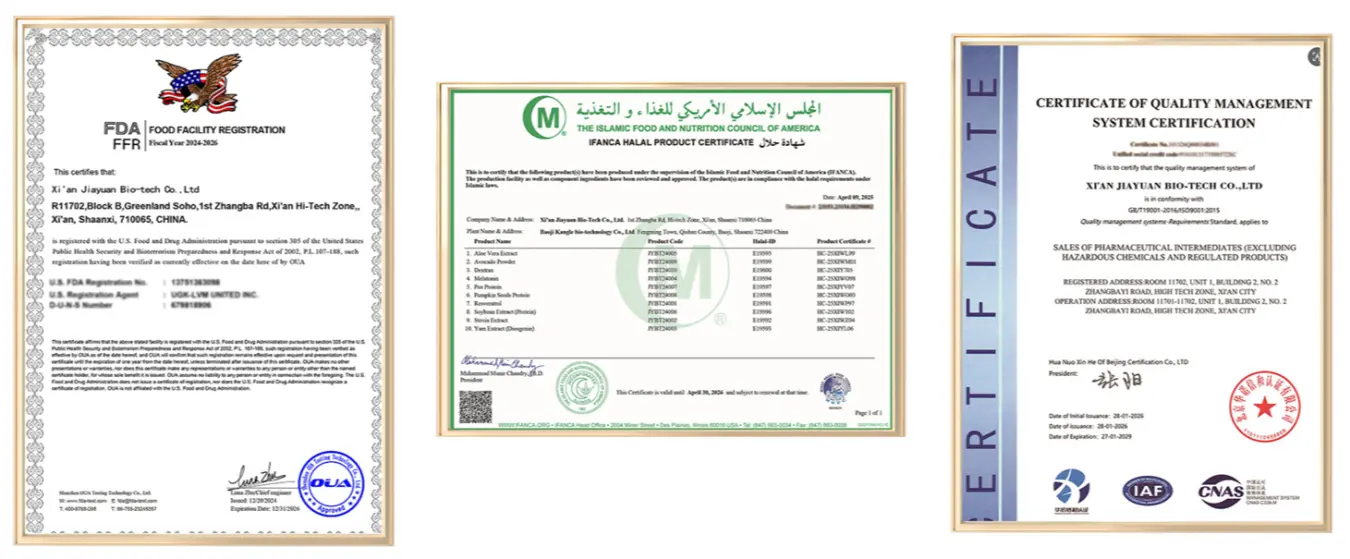
When buying diosgenin powder for pharmaceutical use, procurement teams should look for suppliers that are GMP certified and ISO accredited, keep full records from growing the raw materials to the finished powder, and give Certificates of Analysis (CoA) that are checked against EP/USP pharmacopeial standards. Audit readiness, which includes batch records, in-process control data, and stability study paperwork, shows how mature a provider is in compliance and lowers API makers' regulatory risk.
Pricing Dynamics and Supply Stability
The price of diosgenin powder changes depending on when Dioscorea rhizomes are harvested and the state of agriculture in the area. Suppliers whose supply chains are vertically integrated, such as those who have exclusive cultivation agreements with farmers, can offer much more stable prices than those who only buy raw materials on the open market. The best way to protect yourself from spot market volatility is to sign long-term framework agreements that commit to a certain volume every three months.
Here are the core procurement evaluation criteria that align quality with commercial practicality:
- Purity documentation: You should have HPLC and GC-MS test reports for each batch, along with near-infrared spectroscopy (NIR) records that show that the concentration was controlled during the process.
- Monthly capacity confirmation: Large API makers don't have to worry about bottlenecks when they have suppliers who can produce 150–200 metric tons per month.
- Packaging and shelf life: It has a moisture content of less than 0.5% and is sealed in nitrogen-flushed double-lined polyethylene bags inside fiber drums. It has been proven to last longer than three years.
- Logistics and customs support: Suppliers who know how to clear imports into the US and EU make lead times a lot less unpredictable.
Application Scenarios in Pharmaceutical and Nutraceutical Manufacturing
Diosgenin powder is used for two different things in two major B2B markets. It is the first step in the making of medicinal APIs and is used to make progesterone bulk drugs, corticosteroid precursors, and ingredients for birth control. API producers in China and India are the biggest buyers in the world. Each plant needs to commit to buying 10 to 50 metric tons of API every month to meet their batch volume needs.
Diosgenin powder is a normal phytosteroid ingredient used in the production of nutraceuticals and women's health supplements. It is used to support menopause, keep hormones in balance, and promote hormonal health. Product managers at supplement brands like that it comes from plants, isn't made with GMOs, and is easier to regulate than manmade hormone analogs. New study released in journals like Steroids and the Journal of Natural Products keeps adding to the body of documented application data, which helps innovation in both areas.
Best Practices and Compliance Considerations
To follow FDA (21 CFR), EMA, and Chinese NMPA rules, sellers of diosgenin powder must keep a lot of paperwork, like DMF filings, stability data, and quality control systems that are ready for audits. To follow the rules for importing and exporting in the US market, you need correct country-of-origin documentation and HS code classification. Reliable GMP-certified providers provide both of these as standard.
Resilience in the supply chain is a strategic goal, not just a procurement detail. Working with a single supplier that manages the growing, extraction, purification, and quality testing of raw materials in a single facility reduces variation between suppliers and speeds up the time it takes to do regulatory audits. When compared to spot purchases, long-term relationships with suppliers based on clear pricing models and yearly volume agreements always lead to lower total landed costs.
Conclusion
Diosgenin powder is still the most important plant-based steroidal starting ingredient used to make medicines around the world. Because it plays an important role in making steroid hormones and the demand for nutraceuticals is growing, buying teams must make sure that the supply chain is reliable and the product is pure enough to meet pharmacopeial standards. Jiayuan Bio-Tech's stable raw material sourcing, dual quality control systems, and combined extraction technology make us a reliable long-term partner for API makers and supplement brands that need consistent, compliant diosgenin powder at a low bulk price.
FAQ
1.What distinguishes pure diosgenin powder from wild yam extract?
The amount of total saponin in wild yam extract is standardized by a range of 6% to 16%. Pure diosgenin powder is the isolated aglycone that is more than 95% pure. It is made for pharmaceutical manufacturing or high-potency preparation, not for everyday use. The molecular consistency of pure diosgenin powder gets rid of the batch differences that come with crude extracts.
2.What conversion yield can diosgenin powder support for 16-DPA synthesis?
When used in the right way in an industrial setting, high-purity diosgenin powder can usually convert about 45–50% of its own weight to 16-DPA, which is the main building block for making steroid hormone ingredients.
3.How should diosgenin powder be stored to preserve stability?
Keep in a cool, dry place away from strong oxidizing agents in double-lined plastic bags inside fiber drums. Packaging that is nitrogen-flushed and moisture-controlled keeps the chemicals intact and extends the shelf life beyond three years.
4.Does the Dioscorea species source affect the final powder quality?
It's the source species that changes the rate of extraction, not the end molecular structure. Turmeric Yam, Dioscorea zingiberensis, is favored in industry because it has a higher natural saponin content, which lowers costs and makes production more sustainable.
5.Is diosgenin powder compatible with vegan and non-GMO product claims?
Yes. Since it comes from plants, it is naturally vegan. Reliable suppliers check their extraction methods to make sure they don't use any GMO-derived materials or animal-derived catalysts.
Partner with Jiayuan Bio-Tech — Your Trusted Diosgenin Powder Supplier
Jiayuan Bio-Tech offers pharmaceutical- and industrial-grade diosgenin powder that is pure to ≥98% (SMB chromatography processing), has GMP and ISO 13485 certifications, and can meet the monthly output needs of large-scale API buying. Our fully integrated supply chain, which is based near the Qinling Mountains raw material belt, keeps prices stable and makes sure that all of our paperwork is ready for an audit. You can email our team at sales@jayuanbio.com or sales1@jayuanbio.com, or you can go to jayuanbio.com to get quotes on big orders and samples.
References
1. Marker, R. E., & López, J. (1947). Journal of the American Chemical Society — Steroidal Sapogenins and the Marker Degradation Pathway.
2. Sautier, M., & Morel, C. (2013). Diosgenin as a steroid precursor: Industrial relevance and biosynthetic considerations. Phytochemistry Reviews.
3. United States Pharmacopeia (USP). (2023). USP–NF General Chapter ⟨1225⟩: Validation of Compendial Procedures. USP Convention.
4. European Medicines Agency (EMA). (2022). Guideline on the Specification Limits for Residues of Metal Catalysts or Metal Reagents. EMA/CHMP/SWP/4446/2000.
5. Peng, M., et al. (2019). Advances in the extraction and purification of diosgenin from Dioscorea zingiberensis. Industrial Crops and Products, Vol. 131.
6. World Health Organization (WHO). (2020). WHO Guidelines on Good Manufacturing Practices for Pharmaceutical Products: Main Principles. WHO Technical Report Series No. 986.