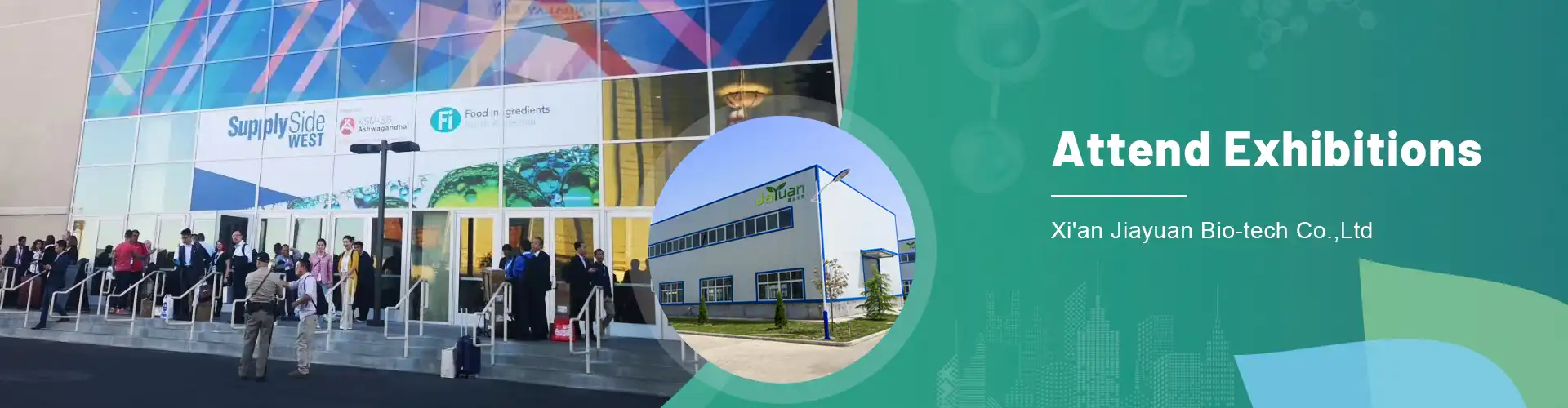
Bulk Diosgenin Powder: How to Choose a Reliable Supplier
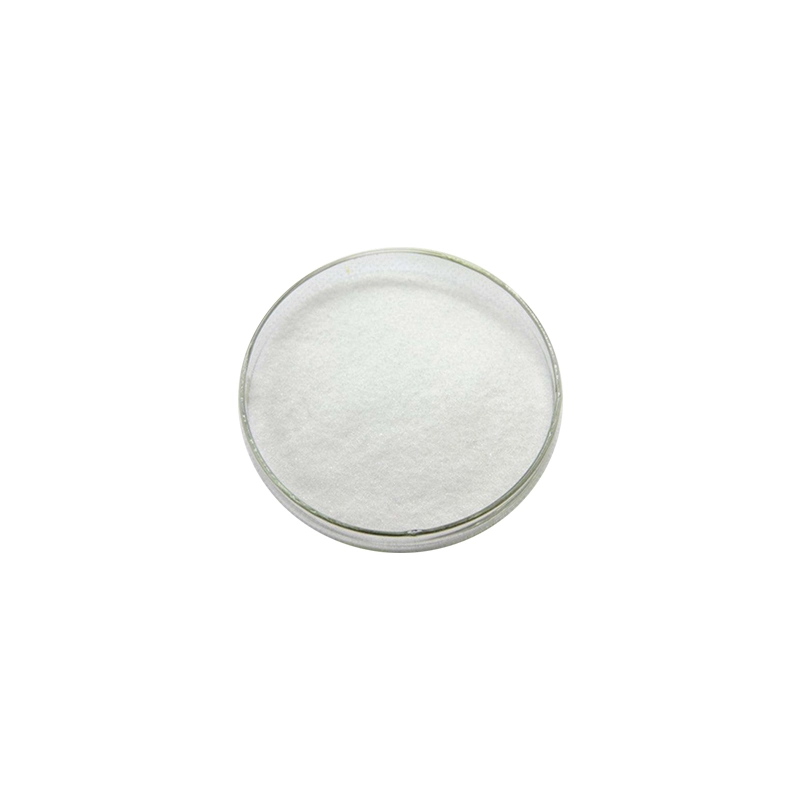
Choosing the right bulk diosgenin powder supplier is one of the most consequential sourcing decisions a procurement team can make. Diosgenin powder (CAS 512-04-9) is a steroidal sapogenin extracted from Dioscorea species, widely used as a pharmaceutical intermediate and nutraceutical ingredient. With purity grades ranging from ≥95% to ≥99%, this white crystalline powder supports the semi-synthesis of steroid hormones and serves as a phytoestrogen source in women's health supplements. Getting the supplier selection right means securing consistent purity, pharmacopoeia-grade documentation, and stable long-term supply.
Understanding Diosgenin Powder and Its Market Demand
What Is Diosgenin Powder?
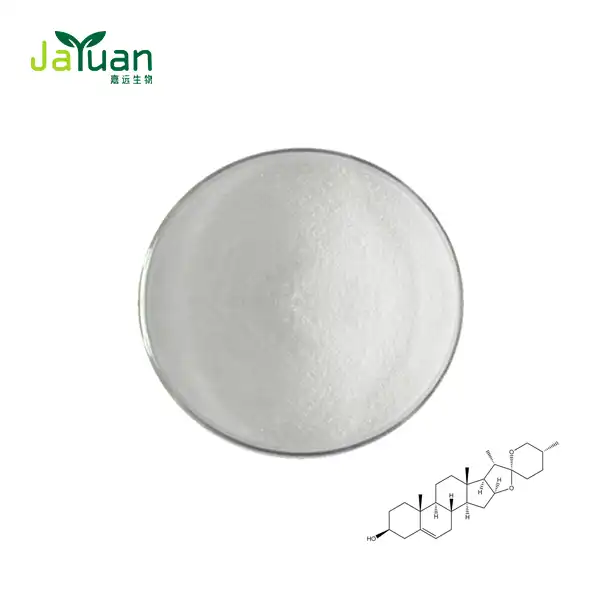
Diosgenin powder is a very pure steroidal sapogenin (C₂₇H₄₂O₃) that is made by breaking down saponins from Dioscorea zingiberensis or Dioscorea villosa roots in acid. Its chemical name is (3β,25R)-spirost-5-en-3-ol, and it is the building block for making more than 60% of the world's steroid hormones, such as progesterone intermediates and corticosteroid precursors. For people who buy industrial ingredients, high-purity diosgenin powder directly fixes problems in the synthesis process, like crystallization problems caused by low-purity input materials.
Market Demand Drivers
The market for plant-based steroid precursors keeps growing around the world. In China and India, pharmaceutical companies use diosgenin powder as an important API intermediate. Women's health supplement brands get it as a standard phytoestrogen element. More and more people are interested in plant hormone-support products, which is reflected in demand from the nutraceutical and cosmetics industries. Buyers are forced to put recorded purity above cost alone because of stricter pharmacopoeia compliance requirements from USP, EP, and ChP. This raises the quality standard across the supply chain.
Industry Applications
Diosgenin powder is used as a different type of B2B ingredient. It is changed by pharmaceutical API makers into 16-DPA (16-Dehydropregnenolone Acetate), which gives them a weight-to-weight return of about 45–50% when the conditions are just right. Supplement makers use it as a common phytosteroid in goods that help with menopause and hormones. Buyers of cosmetic ingredients use diosgenin powder (≥95%) that is made for cosmetics to prepare the skin. For each level of application, there are different levels of cleanliness, particle sizes, and paperwork needs.
Defining Your Procurement Needs: How to Establish Decision Criteria
Purity Grade and Volume Requirements
Before you call any diosgenin powder suppliers, you should make sure they understand your internal requirements. For pharmaceutical intermediate uses, it's usually necessary to do a test that is ≥98% (HPLC) and has full residue solvent profiles that are in line with EP/USP standards. ≥95% beauty-grade material can be used in nutraceutical and cosmetic uses. Also, the minimum order quantities are very different. For example, big API makers might need 150–200 metric tons of product every month, while supplement brands might start with small pilot batches. By being clear about the grade and volume you need right away, you can narrow down the suppliers you're interested in and avoid wasting time on qualification cycles.
Quality Documentation Standards
Compliance with regulations is a must for people who buy medicines. As a starting point, ask each potential supplier for these documents:
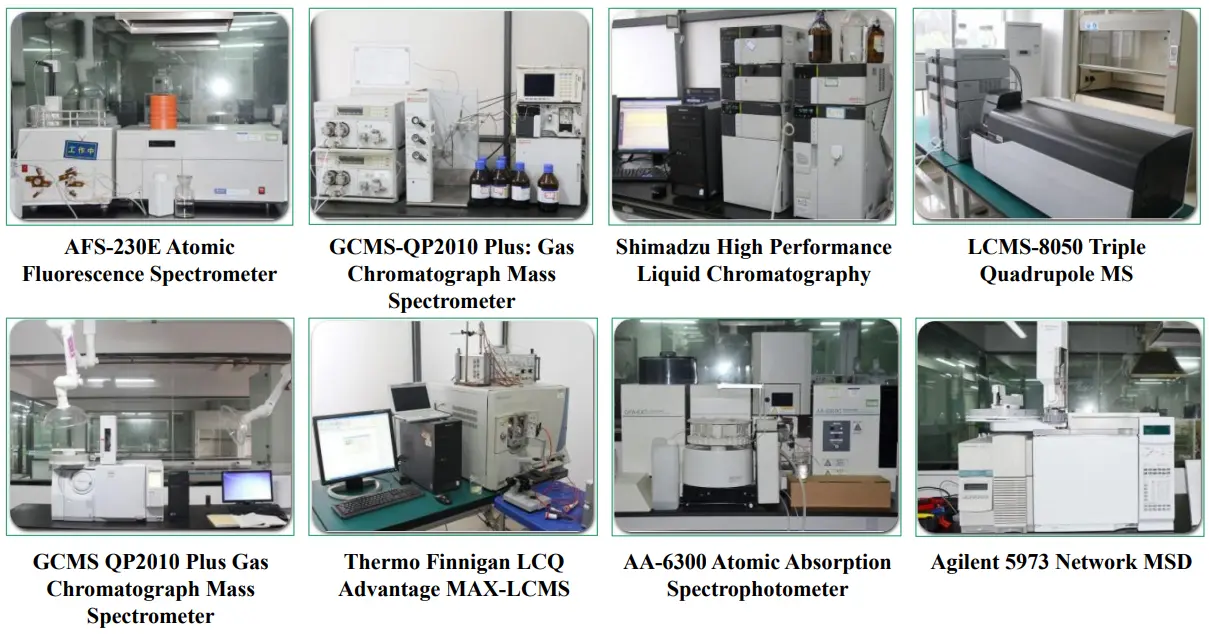
- Certificate of Analysis (CoA) with HPLC test, melting point (205–208°C), less than 10 parts per million of heavy metals, no solvents left over, and less than 0.5 percent moisture
- GMP certification is valid for making medicinal ingredients
- ISO certification (ISO 9001 or ISO 13485 for medical uses)
- Third-party lab test reports from outside laboratories that have been approved
These papers are the bare minimum of proof that the diosgenin powder is of good quality for any serious business buyer. A buying danger is suppliers who can't give them quickly.
Pricing Models and Logistics
The price of diosgenin powder is directly related to the market price for raw Dioscorea root, which changes with the seasons. Buyers who sign annual framework agreements or contracts based on volume can protect themselves from the volatility of the spot market. Also, think about the total landed cost. A lower ex-works price from a supplier that can't clear customs is often more expensive when you add in freight, duties, and compliance delays. When you're deciding where to buy something, you should think about how transparent the logistics are. This includes things like shipping timelines and help with imports.
Comparing and Evaluating Suppliers: Key Factors to Ensure Reliability
Manufacturer vs. Trading Company
The channel of sourcing is important. When you buy diosgenin powder directly from a manufacturer, you can keep an eye on the quality, make sure that production records are uniform, and help with plant audits. Trading companies might have more flexible MOQs or a wider range of products, but they usually charge more and make it harder to do audits. Working directly with a manufacturer is the safer way to get pharmaceutical-grade goods that need to be tracked from batch to batch and be open to GMP audits.
Credential Verification and Audit Readiness
Check all of the licenses on your own. GMP and ISO papers should have issue dates, the area of certification, and contact information for the body that issued the certification. A reliable diosgenin powder manufacturer will allow pre-qualification audits, share batch manufacturing records when asked, and give stability data that shows how the powder does over time. Red flags include suppliers who don't want to share documents, can't show that they can keep producing, or give CoAs without third-party verification.
Sample Testing and Pilot Orders
Before signing a long-term supply agreement, you should always ask for a commercial sample of diosgenin powder and test it in your own lab or through an outside lab you've hired. Check the particle size distribution, leftover fluid profile, melting point, and HPLC test against your own internal standards. Even though a small pilot order of 5–25 kg isn't much, it gives you batch-specific CoA data, a feel for how the seller handles shipping, and a way to negotiate prices on larger orders.
Product Variations and Formulations: Matching Supplier Offerings to Your Needs
Natural vs. Processed Grades
Diosgenin powder from Dioscorea zingiberensis is chosen for commercial extraction because it naturally has more saponin, which lowers the cost of the extraction. The plant source doesn't change the end chemical structure, but it does change the amount of oil that is extracted and the price of the goods as a whole. Natural diosgenin powder from plants is naturally vegan, and when made without using GMO carriers or animal-derived catalysts, it supports claims that a product is non-GMO and vegan, which are standards that supplement and functional food brands are asking for more and more.
Purity Grades and Format Options
Suppliers you can trust offer a range of product specs. Here are the standard grades that manufacturers who care about quality offer:
- Pharmaceutical grade (≥99% HPLC test): for API synthesis and authorized drug intermediates, requiring full pharmacopoeia documentation.
- Industrial/nutraceutical grade (≥98%): for making supplements with GMP production records
- Cosmetic grade (≥95%): used as a personal care and topical ingredient
In addition to normal bulk powder, experienced providers can offer micronized particle size choices for bioavailability-sensitive formulations, as well as nitrogen-flushed sealed packaging to keep moisture levels below 0.5% for more than three years.
Sustainability and Certification Considerations
Supplement and functional food brands are asking for organic-certified and non-GMO verified diosgenin powder more and more to back up what they say on the label. Vertically integrated suppliers can provide the chain-of-custody proof that these approvals need. This can include direct farming agreements or in-house cultivation bases. Environmental production credentials, like wastewater systems with zero liquid runoff and composting of plant waste, also show a stable supply chain and ethical buying practices that buyers in the US market like.
Best Practices in Bulk Purchasing and Establishing Long-Term Supplier Partnerships
Negotiating Volume and Terms
Buying diosgenin powder in bulk becomes more cost-effective as the amount bought each year rises. Manufacturers with production lines that make 10 tons or more a year can lower their unit costs by 40 to 60 percent compared to small-batch makers. They can pass these savings on to buyers who have agreed to buy from them for a long time. Instead of getting prices on the open market for every order, you should negotiate yearly framework deals with set price bands that are tied to benchmarks for raw materials. This method gives both parties stability in their plans and protects them from changes in the prices of raw materials.
Quality Assurance Protocols
Before you place your first big order, make sure that you know what you expect from incoming quality control (IQC). In your supply contract, agree on acceptable specification ranges, how to re-test batches that don't meet specifications, and how long you will take to respond to complaints. Leading diosgenin powder makers back this with two quality control systems: online near-infrared (NIR) spectroscopy for tracking concentrations in real time while production is going on, and offline HPLC and GC-MS tests on final batches. This two-layer quality control makes it much less likely that non-conforming material will make it to your production line.
Risk Management and Supply Continuity
In any single-source buying partnership, there is a real risk of supply disruption. A reliable diosgenin powder maker deals with this at the production level by directly negotiating with Dioscorea farmers near the Qinling Mountains, which is one of China's main Dioscorea production areas, to get the raw materials they need. Buyers can protect their operations against seasonal shortages of raw materials or delays in shipping by writing down a backup sourcing strategy and building up a safety stock of 60–90 days' worth of supplies.
Conclusion
It takes more than just checking price lists to find a supplier of bulk diosgenin powder. Purity grade, pharmacopoeia documentation, production capacity, and the stability of the supply chain are some of the things that show if a relationship with a supplier will last. Buyers who take the time to fully qualify suppliers by checking certifications, testing samples, and making framework agreements can be sure that the quality of the ingredients they buy will stay consistent, and they will have less long-term buying risk. No matter if you're looking for a seller for nutraceutical preparation or pharmaceutical intermediate synthesis, this guide will help you find one you can trust.
FAQ
1. What is the difference between wild yam extract and pure diosgenin powder?
The amount of total saponins in wild yam extract is standardized to a certain percentage, like 6% or 16%. Pure diosgenin powder is the pure aglycone molecule with an assay of >95%. It is meant to be used for pharmaceutical intermediate synthesis or high-potency functional ingredient uses instead of as a supplement in general.
2. How should diosgenin powder be stored?
Keep in a cool, dry place away from strong oxidizing agents in double-lined plastic bags inside fiber drums. Controlling the moisture is very important; good materials should arrive with less than 0.5% moisture. If you store and package it right, it will last longer than three years.
3. Is diosgenin powder suitable for vegan and non-GMO claims?
Yes. Since it comes from plants, it is naturally vegan. The ingredient can support both vegan and non-GMO labeling claims as long as the extraction process doesn't use GMO carriers or animal-derived catalysts.
Request a Sample from Jiayuan Bio-Tech Today
Xi'an Jiayuan Bio-Tech makes diosgenin powder for pharmaceutical and industrial use. Their products have full EP/USP-aligned documentation, GMP and ISO certifications, and HPLC assays that show they are ≥98% pure. Our fully integrated supply chain, which starts near the Qinling Mountains raw material area, ensures a steady monthly supply at prices that are competitive when you buy directly from the plant. We are a verified producer of diosgenin powder, and for buyers in the US and Europe, we offer trial samples, flexible specs, and dedicated customs clearing support. To get a sample or product catalog, please get in touch with our team:
Email: sales@jayuanbio.com | sales1@jayuanbio.com
Website: jayuanbio.com
References
1. Marker, R. E., & Rohrmann, E. (1940). Journal of the American Chemical Society — Steroidal sapogenins from Dioscorea species.
2. United States Pharmacopeia (USP 43-NF 38) (2020). Monographs for steroidal pharmaceutical intermediates.
3. European Pharmacopoeia, 10th Edition (2020). European Directorate for the Quality of Medicines & HealthCare (EDQM).
4. Bhatt, N. (2012). Diosgenin: A review of its biological activity. Asian Journal of Clinical Nutrition, 4(1), 1–15.
5. Grand View Research (2023). Plant-based steroid pharmaceutical intermediates market analysis report.
6. International Council for Harmonisation of Technical Requirements for Pharmaceuticals for Human Use (ICH Q7) (2000). Good Manufacturing Practice Guide for Active Pharmaceutical Ingredients.