
Can Melatonin Help Prevent Alzheimer's Disease?
New study suggests that melatonin powder, which is a supplement made from a naturally occurring substance, might help brain health and possibly prevent the neurodegeneration that comes with Alzheimer's disease. Melatonin powder helps with many problems connected to Alzheimer's, like oxidative stress, inflammation, and broken circadian rhythms, because it is a strong antioxidant and a sleep stabilizer. While not a perfect answer on its own, adding high-purity melatonin powder to preventive health formulas is a great chance for pharmaceutical and nutraceutical companies looking for brain health ingredients based on scientific proof.
CAS No.: 73-31-4
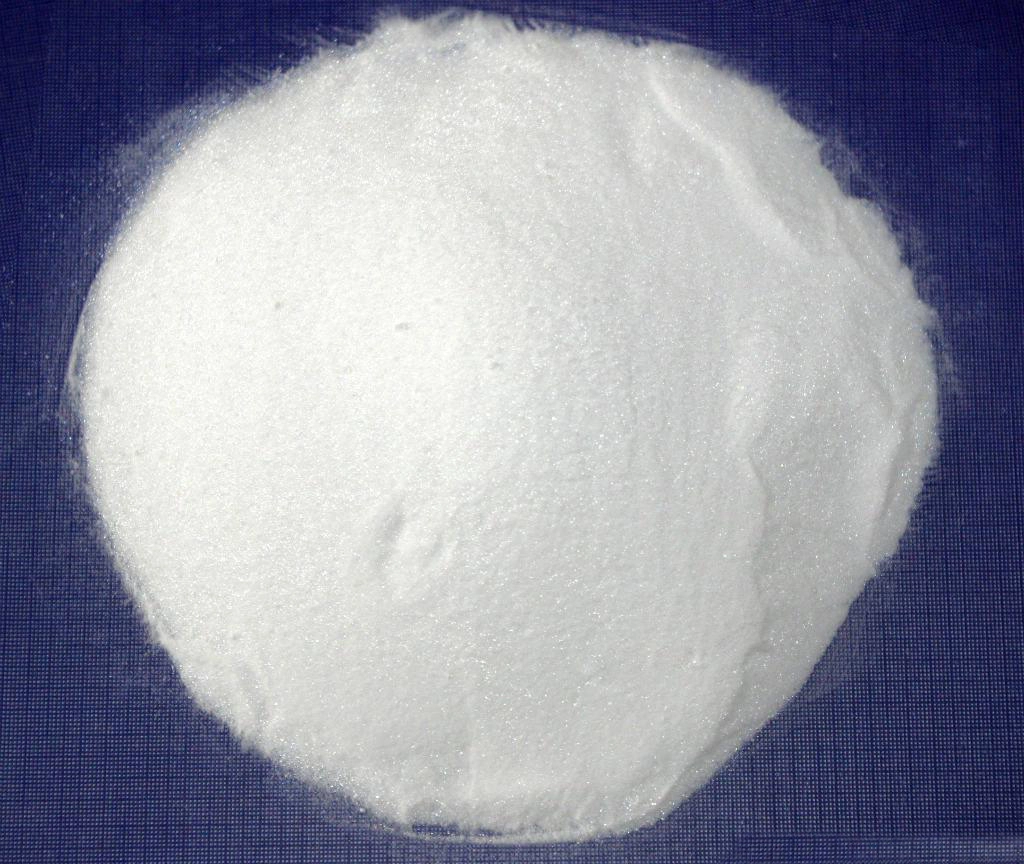
Appearance: White to off-white powder
Ref standard: USP43
Assay: 99.7%(HPLC)
Molecular formula: C13H16N2O2
Molecular weight: 232.28
MOQ: 1KG
Stock:in stock
Our Advantages: Scalable production capacity, strict quality control, cost efficiency from integrated factories, over 20 years of experience, advanced technology, and 24/7 after-sales support.
Certificaions: FSSC2000/ISO2000/HALAL/KOSHER/HACCP
Delivery terms: FedEx, DHL, EMS, UPS, TNT, all kinds of the airline, international shipping companies.
Payment: TT/DP/PAY PAL/VISA/DA/LC/MASTER CARD/ESCROW
Grade: Pharmaceutical Grade
Customized Service: Supports ODM/OEM
Free sample is available.
We do not sell retail quantities to individuals.
Understanding Alzheimer's Disease and Its Challenges
Alzheimer's infection is one of the greatest wellbeing issues that more seasoned individuals around the world have to bargain with. This neurological clutter gets more regrettable over time and makes it harder to keep in mind things, think clearly, and do typical things. Pathophysiology includes irregular protein buildup, particularly beta-amyloid plaques and tau tangles, which harmed brain cells and make it difficult for nerve cells to conversation to each other. The monetary strain on healthcare frameworks is out of control; in the US alone, costs surpass billions of dollars each year.
Families have a difficult time assembly the needs of caregivers whereas sedate companies surge to make successful medications. The medicines we have presently as it were offer assistance with a few side effects and do not halt or alter the disease's advancement. A part of medications have genuine side impacts and do not work exceptionally well in the long run. This error between what is required and what is accessible has driven to a part of intrigued in illness avoidance and other chemicals that work on the causes of infection instep of fair treating the indications.
Individuals who work in obtainment in the pharmaceutical and wholesome businesses know that the advertise needs items that offer assistance brain wellbeing in more than one way. Melatonin powder has gotten to be a exceptionally curiously alternative since it has a parcel of distinctive natural impacts and is known to be secure. This makes it a great fixing for companies making modern brain wellbeing products.
Melatonin Powder: Overview and Neuroprotective Properties
What Makes Melatonin Powder Unique?
Melatonin powder speaks to the filtered, concentrated shape of the pineal organ hormone. Advanced melatonin powder depends solely on manufactured pharmaceutical-grade fabricating, dispensing with animal-derived defilement concerns. This manufactured approach guarantees reliable quality and vegetarian compliance. For B2B applications, melatonin powder offers predominant definition adaptability compared to wrapped up measurement shapes. Bulk melatonin powder empowers exact dosing and custom conveyance frameworks. With dampness underneath 0.5%, melatonin powder keeps up soundness surpassing three years.
Neuroprotective Mechanisms Backed by Science
Melatonin powder demonstrates potent antioxidant activity, directly neutralizing free radicals while upregulating antioxidant enzymes. Melatonin powder readily crosses the blood-brain barrier and concentrates in neural tissues, protecting vulnerable cells. Studies show melatonin powder reduces beta-amyloid accumulation and modifies tau protein phosphorylation, potentially preventing neurofibrillary tangle formation. Melatonin powder also modulates inflammatory responses, reducing neuroinflammation associated with cognitive decline. These multi-pathway benefits make melatonin powder valuable for brain health product development.
Quality Parameters That Matter
Pharmaceutical-grade melatonin powder requires >99% purity by HPLC with synthetic impurities below 0.1%. Heavy metal content must remain below 10 ppm for elements including lead, arsenic, cadmium, and mercury. Gas chromatography testing ensures residual solvents meet international pharmacopoeia standards. Our dual quality control for melatonin powder uses real-time near-infrared spectroscopy plus offline HPLC and GC-MS verification, ensuring EP/USP compliance for melatonin powder across European, American, and Asian markets.
How Melatonin Powder May Help Prevent Alzheimer's Disease?
Restoring Healthy Sleep Cycles
Sleep problems show up years before someone is diagnosed with Alzheimer's. This suggests that sleep problems may add to the growth of the disease rather than just being a result of it. Circadian rhythms, which control sleep-wake cycles over a period of about 24 hours, are helped by melatonin powder. When it gets dark, the pineal gland releases melatonin powder, which tells the body it's time to rest. Melatonin powder production often decreases with age, which is one reason why many older people have trouble sleeping.
Taking melatonin powder as a supplement can help reset these natural processes, which can lead to better sleep quality and length. The brain's waste removal system, the glymphatic system, works mostly during deep sleep, so getting enough good sleep is important for brain cleansing. This system gets rid of cellular waste, which includes proteins called beta-amyloid. When sleep is interrupted, this cleaning is slowed down, which lets harmful proteins build up. Melatonin powder may help keep your brain healthy and cognitively functioning by supporting regular, restorative sleep patterns. This may lower your risk of Alzheimer's disease by improving brain care every night.
Combating Oxidative Stress and Inflammation
Brain tissue contains high polyunsaturated fatty acid concentrations with elevated metabolic rates, making it particularly vulnerable to oxidative damage. Age-related decline in endogenous antioxidant defenses creates imbalance favoring free radical accumulation. Melatonin powder acts as both direct and indirect antioxidant, upregulating protective enzymes including glutathione peroxidase and superoxide dismutase. Melatonin powder inhibits lipid peroxidation and preserves mitochondrial function essential for neuronal energy production. By reducing chronic inflammation, melatonin powder protects neurons and slows cognitive decline progression in aging populations.
Dosage Considerations and Safety Profile
Evidence-based melatonin powder recommendations vary by population and application. Sleep regulation typically requires lower melatonin powder doses of 0.5-3 mg. Antioxidant applications may benefit from higher melatonin powder doses of 3-10 mg. Elderly populations show particular sensitivity due to age-related production decline. Timing matters significantly—melatonin powder administered 30-60 minutes before desired sleep onset proves optimal. Our technical team helps clients optimize melatonin powder dosing while maintaining stability and bioavailability for finished product formulations targeting brain health.
Strategic Procurement Insights for Melatonin Powder in Alzheimer's Prevention
Quality Certifications and Compliance Standards
Pharmaceutical-grade melatonin powder requires >99% immaculateness by HPLC with manufactured pollutions underneath 0.1%. Overwhelming metal substance must stay underneath 10 ppm for components counting lead, arsenic, cadmium, and mercury. Gas chromatography testing guarantees remaining solvents meet universal pharmacopoeia benchmarks. Our double quality control for melatonin powder employments real-time near-infrared spectroscopy furthermore offline HPLC and GC-MS confirmation, guaranteeing EP/USP compliance for melatonin powder over European, American, and Asian markets.
Cost-Effective Sourcing Strategies
Melatonin powder pricing depends on purity grade, order volume, and supplier capabilities. Pharmaceutical-grade melatonin powder requiring >99% purity commands premium pricing. Volume commitments significantly reduce per-unit costs. Our 10-ton annual melatonin powder capacity delivers 40-60% cost advantages compared to smaller operations lacking economies of scale. Buyers should evaluate total landed costs including shipping and customs clearance. Our logistics partnerships with FedEx, DHL, and UPS ensure optimal delivery timelines for melatonin powder shipments to European and American markets.
Storage and Stability Management
Melatonin powder stays effective for a long time when it is stored properly. The combination is photosensitive, meaning it breaks down when exposed to ultraviolet light. We put melatonin powder in aluminized bags or fiber drums with UV-blocking covers to keep it safe during shipping and storage. When facilities get large products, they should keep them cool, dry, and away from direct light sources.
Controlling moisture is also very important. Our production methods keep product wetness at or below 0.5%, which greatly increases its shelf life. Putting sealed packages in an atmosphere of nitrogen also helps protect against oxidative breakdown. If these steps are taken, the shelf life will be longer than three years if the store instructions are followed. Manufacturers who add melatonin powder to finished goods should think about protecting the finished goods with amber glass or other opaque materials so that the stated strength stays the same over time. Our technical paperwork gives you thorough information on stability and storing suggestions that will help you with your quality management and planning your inventory.
Comparing Melatonin Powder With Alternative Sleep and Neuroprotective Solutions
Melatonin Versus Botanical Sleep Aids
Valerian root extract offers mild sedative effects but lacks melatonin powder's neuroprotective evidence base. Valerian products face standardization challenges due to raw material variability, complicating quality control. CBD oil has gained popularity for sleep support, but regulatory complexity across jurisdictions creates market access barriers. CBD's neuroprotective research remains less extensive than melatonin powder. Melatonin powder offers superior regulatory pathways, decades of safety data, and consistent production of highly purified active ingredient for pharmaceutical and nutraceutical applications.
Market Trends and Growth Projections
Brain health product markets continue rapid growth driven by aging populations and increasing wellness awareness. Melatonin powder occupies unique position supported by extensive clinical evidence and regulatory acceptance. Industry analysts project continued strong demand growth for melatonin powder across pharmaceutical prescription products and nutraceutical supplements. Emerging research explores synergistic combinations of melatonin powder with omega-3 fatty acids, B vitamins, and antioxidant complexes. Novel delivery systems including nano-emulsification and liposomal encapsulation enable differentiated melatonin powder product offerings.
Conclusion
Melatonin powder is becoming a popular ingredient for companies making goods that help brain health and might even help lower the risk of Alzheimer's. Its many molecular effects—including protecting against free radicals, reducing inflammation, regulating sleep, and directly interfering with Alzheimer's pathology—make it more useful than chemicals that only work in one way. When buying melatonin powder, you should put purity testing, legal compliance, seller reliability, and expert help at the top of your list. Because there is more and more scientific proof and the market is moving in a good way, melatonin powder is becoming an important ingredient for drug companies, supplement makers, and study groups looking into ways to stop neurodegenerative diseases.
FAQ
1. Does melatonin powder cause next-day drowsiness?
When taken at the right time and in the right amount, melatonin powder usually doesn't make you feel very sleepy for a long time. The complex is naturally broken down by the body, so its affects start to fade in the morning. Responses vary from person to person depending on amount, time of administration, and sensitivity. Formulations made for older people might want to start with low amounts and make changes based on how well they work.
2. What purity level should pharmaceutical applications require?
Pharmaceutical-grade uses need melatonin powder that is more than 99% pure, which can be proven by HPLC analysis with impurity levels below 0.1%. Pharmacopoeia guidelines are met by checking for heavy metals, leftover solvents, and microbial limits, among other things. Our production always meets these standards, and we keep track of each batch to support regulatory reports.
3. How does synthetic melatonin powder compare with natural sources?
Today, only synthetic pharmaceutical methods are used to make melatonin powder, so there are no longer any worries about using materials that come from animals. Synthetic melatonin has the same chemical makeup as the endogenous hormone, so it works the same way in the body. Controlling the manufacturing process ensures higher quality, fewer chances of contamination, and vegan-friendly materials that can be sold all over the world.
Partner With a Trusted Melatonin Powder Supplier
Xi'an Jiayuan Bio-Tech can help you make a brain health product by giving you high-quality melatonin powder that is made to strict pharmaceutical standards. Our high-tech production facilities use virtual moving bed chromatography to achieve constant purification and stable purity levels above 98%. Automated DCS control systems exactly control factory parameters, ensuring high stability from batch to batch, which is very important for medicinal and nutraceutical uses.
We offer a range of standards, such as pharmaceutical-grade materials that are at least 99% pure and cosmetic-grade materials that can be used in a variety of ways. Because our supply chain is fully linked and our solvent recovery systems are very good at getting ethanol back (more than 90% of the time), we can pass those savings on to our clients. Our dedication to quality is shown by our GMP and ISO licenses, and every production batch is thoroughly tested to make sure it meets all standards.
Get in touch with our buyers at sales@jayuanbio.com or sales1@jayuanbio.com to talk about your melatonin powder needs. We offer thorough technical documents, samples that you can test, and custom solutions that meet the needs of your particular application. Our team has the skills and dependability that your projects need, whether you're a pharmaceutical company creating new medicines, a nutraceutical company growing your brain health line, or a research center looking into neuroprotective chemicals.
References
1. Cardinali, D.P., Vigo, D.E., et al. (2012). "Melatonin therapy in patients with Alzheimer's disease." Journal of Pineal Research, addressing mechanisms of neuroprotection and clinical outcomes in cognitive decline populations.
2. Hardeland, R. (2017). "Melatonin and inflammation: Evidence from experimental and clinical studies examining oxidative stress pathways." International Journal of Molecular Sciences, documenting anti-inflammatory properties relevant to neurodegenerative processes.
3. Pappolla, M.A., Chyan, Y.J., et al. (2000). "Melatonin prevents beta-amyloid-induced neurodegeneration." Journal of Neuroscience, demonstrating direct effects on Alzheimer's pathology markers in experimental models.
4. Reiter, R.J., Tan, D.X., Manchester, L.C. (2009). "Melatonin as an antioxidant: Biochemical mechanisms and pathophysiological implications in aging." Annals of the New York Academy of Sciences, comprehensive review of antioxidant mechanisms supporting healthy brain aging.
5. Shukla, M., Govitrapong, P., et al. (2017). "Mechanisms of melatonin in alleviating Alzheimer's disease." Current Neuropharmacology, examining multiple therapeutic pathways including circadian regulation and tau protein effects.
6. Zhou, J., Zhang, S., Zhao, X., Wei, T. (2008). "Melatonin impairs NADPH oxidase assembly and decreases superoxide production in microglia exposed to amyloid-beta." Journal of Pineal Research, investigating cellular mechanisms protecting against amyloid toxicity through immune modulation.