Everything You Need to Know About Melatonin
In your body, the pineal gland makes melatonin, a hormone that controls your circadian schedule, or 24-hour sleep-wake cycle. When it gets dark, your brain makes more melatonin, which tells your body it's time to rest. For business-to-business buyers in the food, cosmetics, nutraceuticals, and pharmaceutical industries, melatonin powder is an important ingredient that allows for formulation freedom, uniform potency, and growth benefits. This complete guide gives procurement workers the information they need to make smart decisions about sources, quality standards, and application issues.
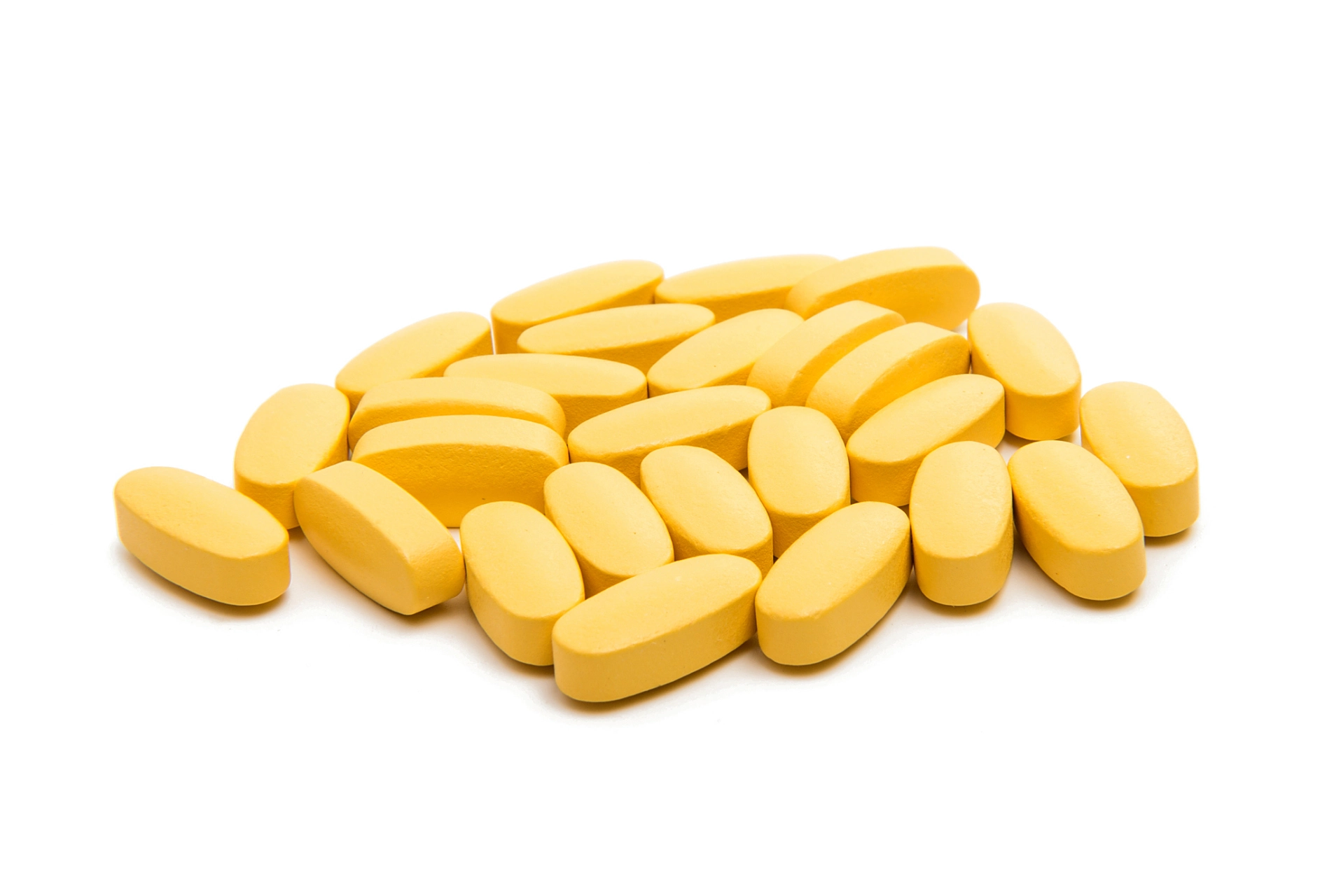
CAS No.: 73-31-4
Appearance: White to off-white powder
Ref standard: USP43
Assay: 99.7%(HPLC)
Molecular formula: C13H16N2O2
Molecular weight: 232.28
MOQ: 1KG
Stock:in stock
Our Advantages: Scalable production capacity, strict quality control, cost efficiency from integrated factories, over 20 years of experience, advanced technology, and 24/7 after-sales support.
Certificaions: FSSC2000/ISO2000/HALAL/KOSHER/HACCP
Delivery terms: FedEx, DHL, EMS, UPS, TNT, all kinds of the airline, international shipping companies.
Payment: TT/DP/PAY PAL/VISA/DA/LC/MASTER CARD/ESCROW
Grade: Pharmaceutical Grade
Customized Service: Supports ODM/OEM
Free sample is available.
We do not sell retail quantities to individuals.
Understanding Melatonin Powder: Basics and Benefits
For many sleep and health goods sold in North America and around the world, melatonin powder is the main ingredient. Knowing what an ingredient is made of and how it works helps buying teams choose the best sources and make sure that the ingredients they choose meet the needs of the manufacturing process.
Chemical Nature: Synthetic vs. Natural Sources
Modern melatonin powder relies exclusively on synthetic production. The industry moved from animal-derived extraction decades ago due to viral contamination concerns, particularly BSE. Synthetic melatonin powder ensures consistent molecular structure, vegan compliance, and eliminates biological contamination risks. This manufacturing approach guarantees batch-to-batch consistency critical for pharmaceutical applications and regulatory approvals across multiple jurisdictions for melatonin powder.
Why Powder Form Dominates B2B Supply Chains?
Melatonin powder offers clear advantages over finished dosage forms. Raw melatonin powder provides maximum formulation flexibility, enabling products tailored to specific market segments. Powder form avoids encapsulation or tableting costs, allowing brand owners to add value through final specifications. Bulk melatonin powder also delivers significant cost savings. With moisture below 0.5% and light-proof, nitrogen-flushed packaging, melatonin powder stability extends beyond three years for large-scale manufacturers.
Primary Benefits Supported by Research
Melatonin powder primarily regulates circadian rhythm. Clinical studies demonstrate effective sleep onset latency reduction, particularly beneficial for jet lag and shift work-related sleep disorders. Supplementing with melatonin powder helps synchronize internal clocks with external light-dark cycles. Emerging research investigates melatonin powder for cellular health through free radical scavenging, attracting cosmetic formulators for anti-aging skincare and beverage companies for functional wellness drinks targeting health-conscious consumers.
Safe Usage and Dosage Guidelines for Melatonin Powder
By setting clear dosage limits, B2B clients can make sure that their goods meet legal requirements and give customers what they want. Knowing about absorption rates and safety issues helps protect a brand's image and lowers the risk of being sued.
Recommended Dosages for Specific Applications
Dosage recommendations for melatonin powder vary significantly by application. Sleep onset support typically uses 0.5-5 mg melatonin powder taken 30-60 minutes before bedtime. Jet lag protocols recommend 2-5 mg melatonin powder at destination bedtime for several days after multi-time-zone travel. Formulation scientists must account for absorption factors. Sublingual melatonin powder enables faster absorption, potentially requiring lower effective doses than conventional tablets for equivalent sleep benefits.
Safety Precautions and Population-Specific Considerations
Melatonin powder is generally safe at recommended doses, but precautions apply. Pregnant or nursing women should avoid melatonin powder without medical supervision. Patients taking blood thinners, immunosuppressants, or diabetes medications should consult physicians due to potential interactions affecting blood sugar and clotting factors. Side effects of melatonin powder are typically mild including daytime drowsiness, dizziness, or headache, generally indicating excessive dosage or improper timing for melatonin powder supplementation.
Melatonin Powder vs Other Dosage Forms: Which is Right for Your Business?
Choosing the best delivery method relies on the tastes of the target market, the manufacturing skills, and the tactics used by competitors to place themselves. Each dose type has its own pros and cons that affect both the cost of production and the appeal to consumers.
Manufacturing Considerations Across Dosage Forms
Tablets provide precise melatonin powder dosing but require excipients and pressing equipment. Capsules are simpler than tablets but need encapsulation machinery. Gummies offer taste appeal but require specialized production and contain sugar conflicting with wellness positioning. Liquids enable rapid melatonin powder absorption but face stability challenges requiring preservative systems. Powder sachets maintain formulation simplicity but need moisture-protective packaging for melatonin powder stability during storage.
Quality Distinctions: Pharmaceutical vs. Cosmetic Grade
Purity requirements differ by application. Pharmaceutical-grade melatonin powder requires >99% purity with strict batch testing for heavy metals, residual solvents, and microbial contamination. Cosmetic-grade melatonin powder typically requires ≥95% purity with less rigorous protocols due to different regulatory frameworks. Understanding these distinctions prevents procurement errors. Pharmaceutical companies cannot substitute cosmetic-grade melatonin powder, while cosmetic formulators need not overpay for pharmaceutical-grade melatonin powder purity.
Regional Market Preferences Affecting Product Selection
Consumer preferences vary by region, influencing optimal melatonin powder product forms. North American markets show strong demand for softgel capsules and gummies, indicating willingness to pay premium for convenient, palatable formats. European consumers favor tablets and powder sachets, with sustainability concerns driving reduced packaging choices. Asian markets increasingly adopt functional beverages, creating demand for water-soluble or microencapsulated melatonin powder for stick pack delivery systems.
Procurement Insights: How to Source High-Quality Melatonin Powder?
To find trustworthy providers, you need to carefully look at their manufacturing skills, quality control systems, and how well their supply chains work. Costs must be weighed against quality assurance and legal compliance standards by people who work in procurement.
Global Supplier Landscape and Quality Benchmarks
China dominates global melatonin powder production due to integrated supply chains and production scale. Reputable Chinese manufacturers operate GMP-certified facilities maintaining quality standards comparable to Western producers at competitive pricing. European suppliers command premium positioning due to regional manufacturing preferences. North America lacks significant melatonin powder production capacity, forcing most buyers to rely on imports. Quality benchmarks must extend beyond simple purity testing for melatonin powder procurement.
Strategic Bulk Purchasing and Logistics Optimization
Volume commitments for melatonin powder secure better pricing but carry obsolescence risks. Quarterly or semi-annual purchase agreements protect manufacturers with established production schedules. New brands may prefer smaller melatonin powder orders initially to reduce working capital requirements despite higher per-kilogram costs. Packaging configuration affects operational efficiency and melatonin powder stability. Fiber drums with UV-blocking liners suit up to 25 kg. Multi-wall kraft paper bags with aluminum foil lamination maintain melatonin powder integrity during international shipping.
Private Label and Custom Formulation Opportunities
Strategic providers give more than just commodity powder. They also provide value-added services that speed up product creation. Custom preparation lets brands set their products apart by using special mixes of melatonin with ingredients that work well together, like L-theanine, magnesium, or plant extracts. Private label manufacturing takes care of the whole production process, from coming up with the recipe to packing the finished product. This is great for brands that don't have their own factories.
For these partnerships to work, there needs to be clear communication about intellectual property rights, minimum order amounts, and expected wait times. Suppliers with a good reputation give test samples, keep their end of confidentiality agreements, and provide expert help throughout the whole process of making a product. This way of working together cuts down on the time it takes to get a product to market and lets brands focus their resources on marketing and sales instead of making.
Making the Right Choice: How to Select the Best Melatonin Powder for Your Business?
To choose a good provider, you need to look at both objective quality factors and relationship factors that will ensure a successful long-term partnership. People who work in procurement should use structured evaluation factors that take both technology requirements and business concerns into account.
Critical Quality Evaluation Criteria
Verification of purity is the most important thing. Each batch should come with a Certificate of Analysis that shows the HPLC test results and confirms that the strength is within the amounts specified. Synthetic impurities like 5-Methoxytryptamine are found through related substance tests. This level of impurity should stay below 0.1% in pharmaceutical-grade material. Loss on Drying tests show that the moisture level stays at or below 0.5%, which stops hydrolytic breakdown while the product is being stored.
Another very important factor is photostability. Melatonin breaks down when it comes in contact with UV light, so all along the supply chain, light-blocking packing is needed. Suppliers should send goods in amber or aluminized bags so that the goods stay effective for longer periods of time. The people who make finished products need to make sure that this safety lasts longer by choosing the right main packing, like amber glass or opaque blister materials.
Consistency between batches of melatonin powder shows that a production control system works. By asking for multiple batch analyses of melatonin powder, you can find out if suppliers stick to tight standard areas or if there is significant variation from batch to batch in melatonin powder. Near-infrared spectroscopy and other inline testing technologies allow for real-time tracking during melatonin powder production, which leads to higher accuracy compared to facilities that only test finished melatonin powder products.
Supplier Credentials and Certification Verification
Certifications from regulatory bodies provide objective confirmation of industrial standards. GMP approval shows that a company follows Good Manufacturing Practices, which include designing the building, keeping the equipment in good shape, training employees, and keeping records. The ISO 13485 approval is only for companies that make medical devices and pharmaceutical ingredients. It shows that they are committed to quality management systems that meet international standards.
You can be sure that certifications are based on real operations rather than just paper compliance by asking for facility audit reports or setting up site visits. Seeing how things are made, how waste is handled, and how employees do their jobs can give you information that reading documents alone can't. Suppliers who are open about how they run their businesses and welcome proof visits show that they have faith in their systems and want to work with their customers.
At Jiayuan Bio-Tech, we keep a lot of quality records to back up our GMP and ISO licenses. Our two-tier quality control system uses near-infrared spectroscopy for live testing and HPLC and GC-MS for offline checking to make sure that every kilogram meets the requirements before it is shipped. We welcome client checks and offer full batch tracking, from where the raw materials come from to how they are packaged at the end.
Leveraging Market Reputation and Customer References
A supplier that has been in the market for a long time shows steadiness and knowledge. Companies that have been around for decades have dealt with quality problems, changes in regulations, and economic cycles in a way that younger companies haven't had to. Asking for customer references from people in the same field as you can give you useful information about how responsive the seller is, how good their technical help is, and how well they can solve problems.
Online reviews and the image of the business are two more sources of information. Joining trade groups and lists of ingredient suppliers shows that you care about professional standards and getting involved in your business. If you keep getting negative comments about shipment delays, inconsistent quality, or contact problems, you should really think about it even if the prices are good.
Having ties with several qualified providers will protect you from supply problems and keep prices and service levels competitive. Assigning volume to two or three approved vendors strikes a good mix between supply security and the difficulty of handling the relationships and quality systems of multiple suppliers.
Conclusion
Melatonin powder is an ingredient that can be used in many different ways in the medicinal, nutraceutical, skincare, and functional food industries. To successfully buy something, you need to know how the compound works biologically, what the rules are, and what quality standards set top sellers apart from commodity vendors. Synthetic production ensures safety and accuracy, and powder form gives formulators the most freedom and the lowest cost. When you're looking at providers, you need to carefully check their purity, make sure they have the right certifications, and make sure they have the manufacturing skills that will help your relationship last. Procurement experts can easily find high-quality melatonin that meets their specific application needs while minimizing costs and ensuring a steady supply by using the tips in this guide.
FAQ
1. Is melatonin powder suitable for beverage formulations?
The hydrophobic features of melatonin make it hard for it to dissolve in water. It is necessary to dissolve the melatonin powder in food-grade ethanol or propylene glycol first before mixing it with water-based ingredients for the beverage to work. Nano-emulsification technology and liposomal packaging are the most cutting edge ways to make ready-to-drink drinks clear and stable. Working with experienced formulators helps brands deal with these technical issues while keeping the truth of label claims and the security of shelf life throughout distribution.
2. What documentation should accompany bulk melatonin shipments?
Full packages come with Certificates of Analysis that list the results of the HPLC analysis, tests for heavy metals, residual solvents, microbial limit tests, and proof that Peak X and Peak E are not present. Material Safety Data Sheets tell you how to handle and store things. GMP licenses and proof of legal compliance make it easier to get goods through customs and meet the needs of the quality management system. Reliable sellers give complete paperwork packages that help with regulatory submissions and internal quality control processes, so you don't have to ask for them more than once.
3. How does bulk purchasing benefit ingredient procurement strategies?
When you make a volume promise, you can use tiered pricing systems that lower the cost per unit by a large amount. This is especially useful for well-known names with stable production schedules. When you combine packages, you save money on freight costs and make it easier to coordinate operations. Setting up long-term supply deals protects prices against changes in the market and makes sure that supplies are distributed when supplies are low. To find the best order amounts and frequencies while balancing the costs of keeping inventory with the saves from buying things in bulk, you need to look at how fast things are used up, how much space you have, and your access to working capital.
Partner with a Trusted Melatonin Powder Manufacturer
Jiayuan Bio-Tech is a trusted melatonin powder supplier that stands ready to support your melatonin sourcing requirements with pharmaceutical-grade and cosmetic-grade powder manufactured under strict GMP standards. Our advanced purification technology maintains purity exceeding 98%, while comprehensive quality testing ensures every batch meets international pharmacopoeia standards. Located strategically near raw material sources in China's Qinling Mountains region, we deliver cost advantages through vertically integrated supply chains and efficient solvent recovery systems that reduce production costs by 40–60% compared to smaller operations. We offer flexible minimum order quantities, customized formulation support, and complete logistics assistance including customs clearance services for seamless delivery throughout North America. Contact our technical team at sales@jayuanbio.com or sales1@jayuanbio.com to request samples, discuss your specific requirements, and receive competitive quotes.
References
1. Zhdanova, I.V., et al. "Melatonin: A Sleep-Promoting Hormone." Sleep Medicine Reviews, Vol. 12, No. 3, 2008, pp. 167-178.
2. Brzezinski, A., et al. "Effects of Exogenous Melatonin on Sleep: A Meta-Analysis." Sleep Medicine Reviews, Vol. 9, No. 1, 2005, pp. 41-50.
3. Reiter, R.J., and Tan, D.X. "Melatonin: A Novel Protective Agent Against Oxidative Injury." Physiological Reviews, Vol. 82, No. 4, 2002, pp. 1021-1045.
4. Hardeland, R., et al. "Melatonin in Plants: Diversity of Levels and Multiplicity of Functions." Frontiers in Plant Science, Vol. 6, 2015, Article 198.
5. Pandi-Perumal, S.R., et al. "Melatonin: Nature's Most Versatile Biological Signal?" Federation of European Biochemical Societies Journal, Vol. 273, No. 13, 2006, pp. 2813-2838.
6. Arendt, J., and Skene, D.J. "Melatonin as a Chronobiotic." Sleep Medicine Reviews, Vol. 9, No. 1, 2005, pp. 25-39.