
Best Resveratrol Powder: A Buyer’s Guide to Purity
Resveratrol powder should be on your radar if you obtain ingredients for nutritional supplements, cosmeceuticals or functional foods. From purity grades and quality certificates to bulk pricing and how to choose a supplier, this book has everything a B2B buyer needs to know so you can make educated procurement choices. Whether you are developing anti-aging capsules, skincare serums or functional drinks, knowing the difference between a high-quality resveratrol powder and low-quality resveratrol powder will safeguard your brand and your consumers.
Understanding Resveratrol Powder – Composition and Benefits
What Is Resveratrol Powder?
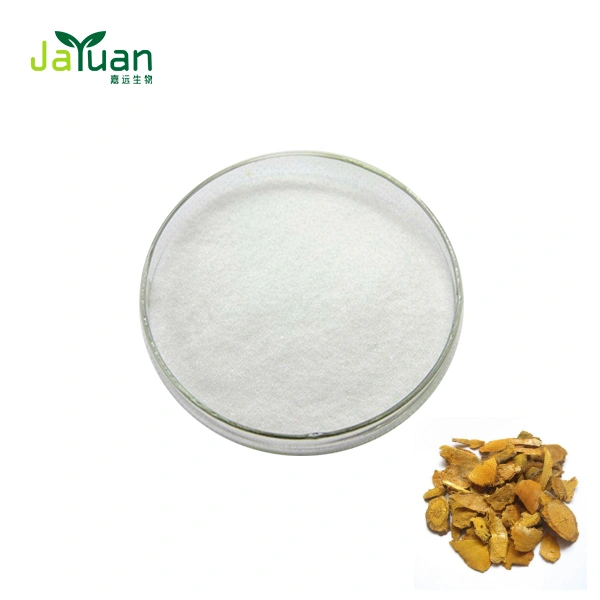
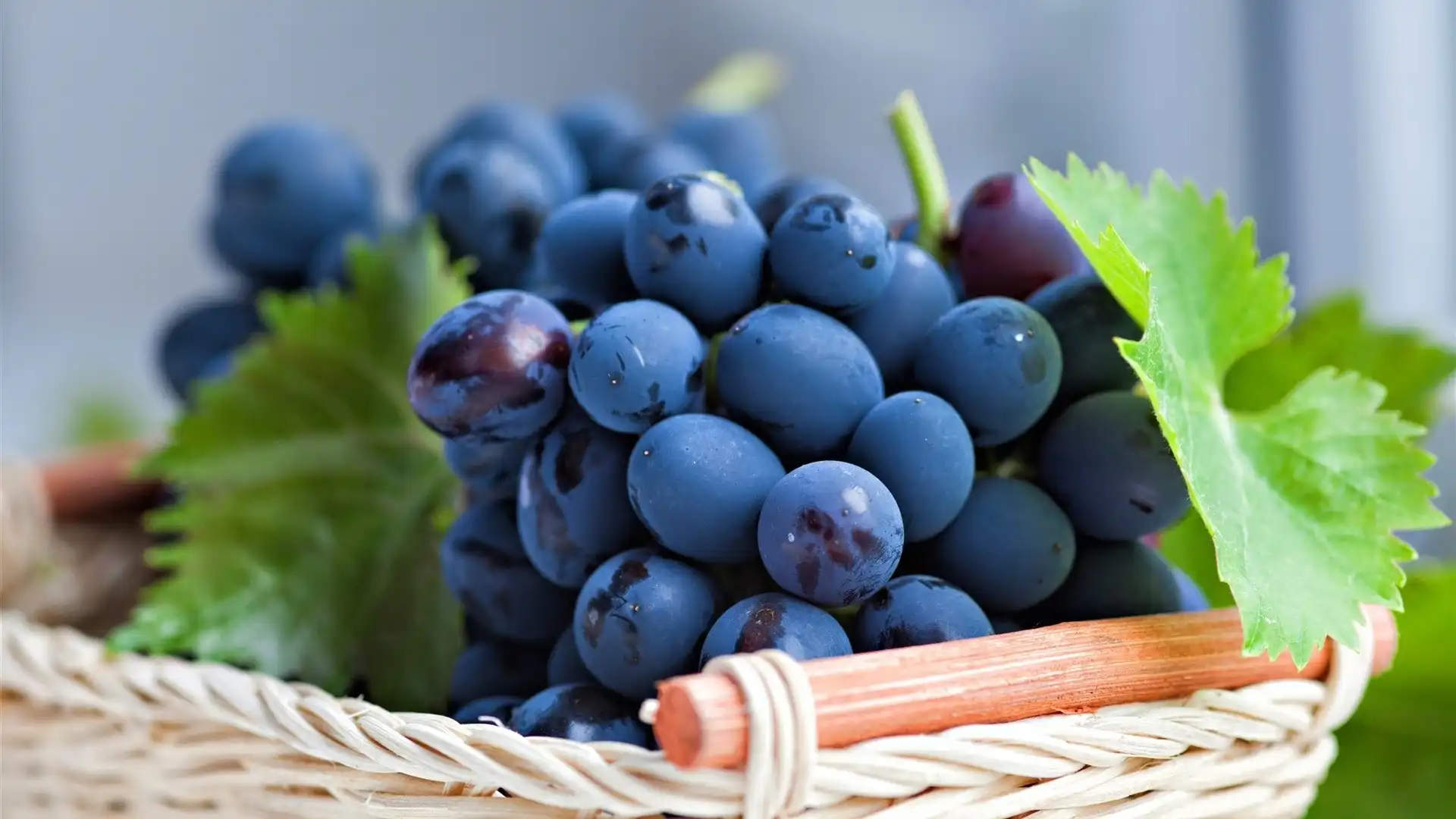
Resveratrol powder is a strong phytoalexin that is made from polyphenols and stilbenes. It is usually taken from the root of Japanese knotweed or grape skins. Trans-3,5,4'-trihydroxystilbene is the biologically active form. It has a molecular weight of 228.24 g/mol and a melting point between 253°C and 255°C. Commercial-grade resveratrol powder usually looks like a fine, off-white powder. Its quality can be checked using HPLC.
Powder vs. Other Delivery Forms
In terms of formulation, resveratrol powder is definitely superior than pre-made tablets or liquid extracts for bulk producers. The powdered form is easy to dose precisely, mix with carrier oils or other ingredients, and use in hard-shell pills, softgels, gummies, skin serums and functional drinks. It also stores and ships more efficiently at a large scale, which means that buyers of ingredients pay less per unit for operations.
Key Health Benefits Supported by Science
According to research published in peer-reviewed journals, resveratrol has bioactivity in a number of areas that are relevant to supplement and cosmetic uses.
- Antioxidant activity: The phenolic hydroxyl groups of resveratrol powder serve as free radical scavengers, which reduces oxidative stress indicators in cell models.
- Cardiovascular support: Regular use of resveratrol has been shown to be associated with better endothelial function and lipid profiles .
- Anti-aging applications: Resveratrol stimulates sirtuin pathways (SIRT1), a mechanism often mentioned in longevity supplement formulas with NMN or NR.
- Skin-brightening properties: In cosmeceutical formulas, trans-resveratrol inhibits tyrosinase activity and supports collagen synthesis, making it a preferred ingredient in night creams and serums.
- Resveratrol powder reduces oxidative stress markers in cellular models by scavenging free radicals through its phenolic hydroxyl groups.
- Cardiovascular support: Regularly eating resveratrol has been linked to better endothelial function and healthy lipid profiles by studies.
Quality and Purity – Core Considerations in Procurement
What Purity Percentages Actually Mean
The purity % of the resveratrol powder reflects the amount of active trans-resveratrol in the bulk material as measured by HPLC. The commercial grades in common use are 50%, 98%, and 99%. Buyers for pharmaceutical and nutraceutical use often want material with purity ≥98% to meet EP/USP pharmacopeia standards. Most skin formulae are okay with a cosmeceutical-grade substance that is 95% loaded or more. 50% grades are superior for cost-effective functional food usage with lower loading tolerance.
Certifications and Testing Standards That Matter
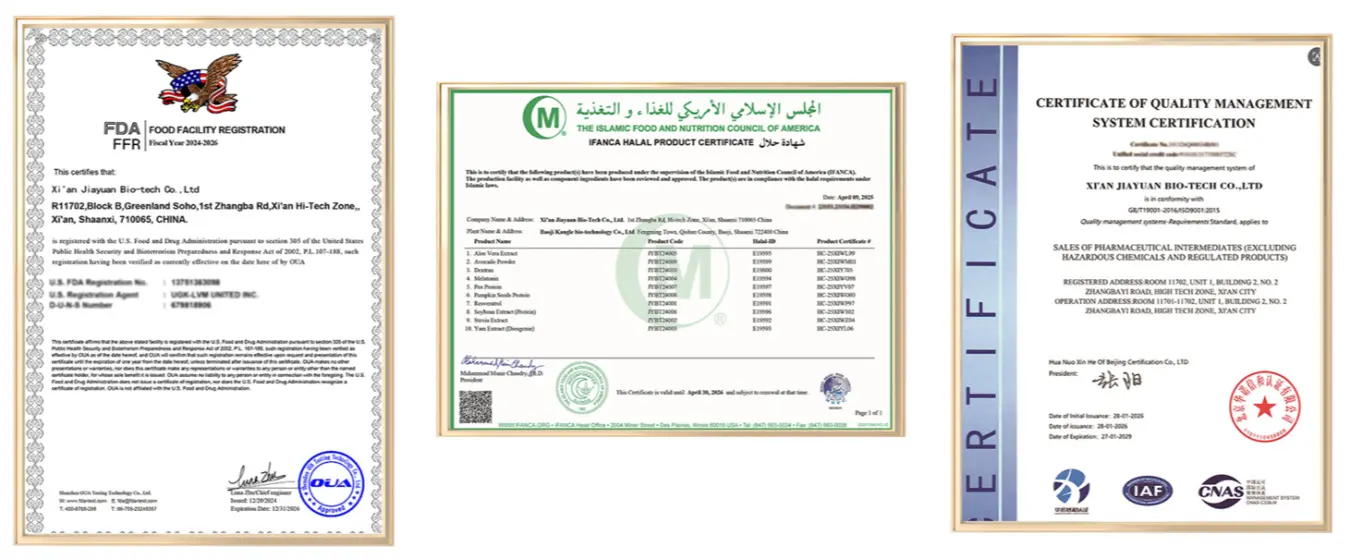
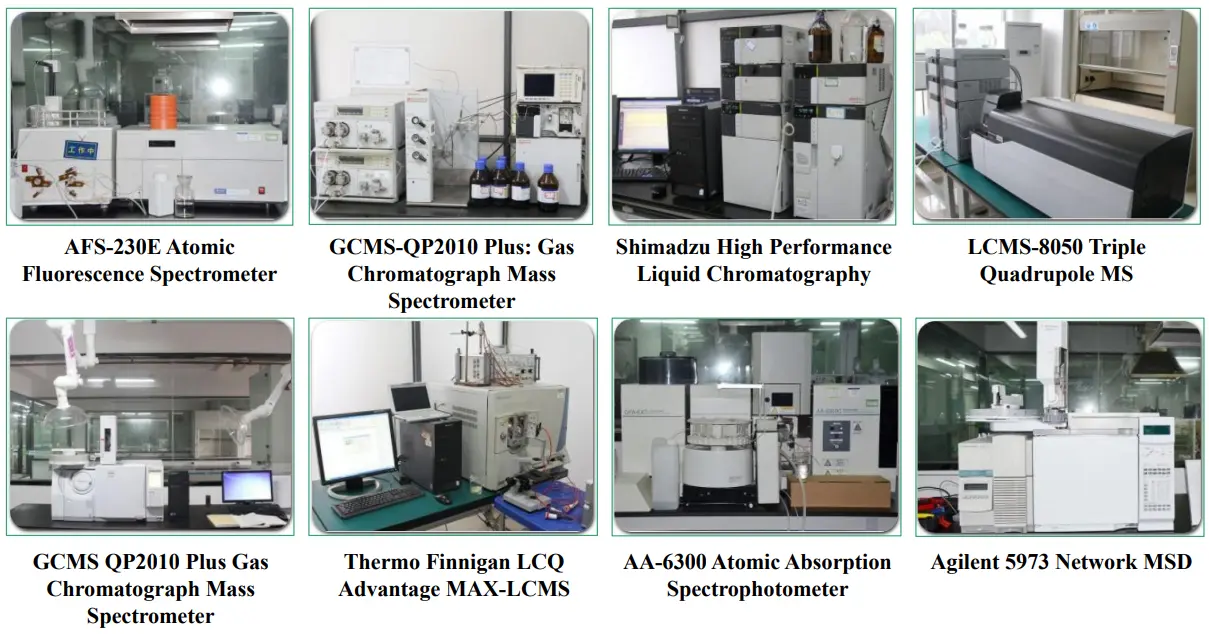
Any resveratrol powder provider worth their salt should give you at least a Certificate of Analysis (COA). In addition to the COA, you should look for suppliers who are also certified by GMP and ISO. Third party HPLC and GC-MS testing establish the name, purity, heavy metal concentration and microbiological limitations of the product. Inline near-infrared (NIR) spectroscopy provides a higher level of commitment to batch-to-batch uniformity, which is especially critical when you are manufacturing thousands of units every run.
Natural, Organic, and Synthetic Variants
Most commercial resveratrol powder is extracted from the roots of Polygonum cuspidatum, therefore it is plant derived and may be marketed as a natural product in most countries. Fermentation can also provide you resveratrol, which may have a “bio-based” label. There is completely synthetic resveratrol, however it does not find as much application in food supplements due to marketing and legal difficulties. For the buyer of makeup, knowing where the component originates from and how it was harvested helps to match it with your brand image and what your target market expects.
How to Choose the Best Resveratrol Powder for Your Business Needs
Matching Purity Grade to Application
The purity requirements for different types of products are different. Here is a useful reference:
- Pharmaceutical-grade (≥99%): Ideal for precise nutraceutical formulations, clinical-grade supplements and high-end anti-aging stacks.
- Cosmeceutical-grade (≥95%): Suitable for nite creams, serums and topical treatments where isomer purity and oxidative stability are important.
- Food-grade (50%): Functional drinks, energy bars and candies where cost efficiency and taste masking (typically via microencapsulation) are important.
By matching the right grade to the right application, you can avoid over-specification costs and still meet regulatory and effectiveness standards.
Evaluating Supplier Credibility
Resveratrol powder is sold in a market that is competitive, and there is real price pressure. But picking a provider based only on unit cost can cause problems later on, like batch inconsistency, delays, or gaps in paperwork. Check sellers' GMP and ISO certifications, the availability of COAs for each batch, the ability to track where raw materials come from, and the clarity of their minimum order quantity (MOQ) and wait time terms. A seller that gets its raw materials directly from Polygonum cuspidatum farms, for example, is less likely to be affected by changes in price and the risk of contamination.
Formulation Considerations for Bulk Buyers
Resveratrol powder is lipophilic and doesn't dissolve well in water, which makes it hard to plan how to make it. When making softgels for mouth vitamins, mixing them with oils like olive or grapeseed oil makes it easier for the lymphatic system to absorb them. The usual way of doing it is microencapsulation for beverages or other substances that may dissolve in water . To avoid oxidation and color change of the substance, cosmetics are packaged in vacuum-airless pump containers or enclosed delivery systems. Talk to your supplier about these requirements early on so you can avoid paying more to adjust the formula later.
Purchasing Resveratrol Powder – Where and How to Buy in Bulk
Global Sourcing Landscape
China is the main place where bulk resveratrol powder is made, and it supplies most of the world. Locating factories near areas where knotweed grows a lot, like the Qinling Mountain area, helps them save money on products and make sure they always have enough on hand. When looking at Chinese suppliers, make sure they follow GMP and have good infrastructure by asking for facility checks or inspection records from a third party.
Pricing Dynamics and MOQ Negotiation
The price of resveratrol powder changes a lot depending on the purity grade and the amount you order. Material that is pharmaceutical-grade (≥99%) costs more than material that is food-grade (50%). Due to fixed cost dilution and solvent recovery efficiency (≥90% ethanol/methanol recovery), suppliers with production lines that make 10 tons or more per year can offer unit costs that are 40% to 60% lower than smaller workshops. When negotiating, talk about different price ranges, the ability to get samples before making a decision, and different ways to package the goods, like nitrogen-flushed sealed bags that keep them fresh for longer than three years.
Why Jiayuan Bio-Tech Stands Out
At Jiayuan Bio-Tech, we use simulated moving bed (SMB) chromatographic purification to make resveratrol powder. This method keeps the quality above 98% during ongoing production runs. Our DCS-automated process keeps pH, temperature, and solvent ratio well within certain limits. This gives supplement brands and contract manufacturers the consistency they need from batch to batch. Our products are kept at a wetness level of ≤0.5%, and nitrogen-filled, sealed packaging keeps their effectiveness all the way through the supply chain. We are certified by GMP and ISO and can meet the needs of medicinal, cosmetic, and food-grade customers.
Side Effects, Usage Guidance, and Dosage Recommendations
Safety Profile and Known Interactions
At typical food supplement doses, resveratrol powder is usually well received. When loading levels are very high, some people say they have mild stomach pain. Formulators should know that resveratrol might react with compounds that stop blood clotting, so it is normal practice for final products to list all of their ingredients on the labels. As a seller of raw materials, we suggest that buyers look at the latest rules from the FDA and EFSA before making dosage claims for their final goods.
Application-Specific Dosage Guidance
Most commercially available capsules of anti-aging and heart health supplements have a finished product dosage of 100 mg to 500 mg per serving. Trans-resveratrol is usually added to cosmetics at a concentration of 0.1% to 1% in the end product. Microencapsulated resveratrol powder is often used in functional foods and drinks at lower amounts to keep costs down and make the product taste good.
Storage and Handling Best Practices
Store Resveratrol powder away from direct light, water & air. Sealed, nitrogen-flushed packaging is excellent for long-term storage. Working in a manufacturing environment, it is essential to keep the humidity low and avoid spending lengthy hours outside. If you store it well, it will survive more than three years as long as the moisture level is below 0.5%.
Conclusion
To find the right resveratrol powder, you must first understand the different levels of purity, make sure the specifications fit your needs, and work with a supplier whose quality systems you can check. The standard you choose—from 50% food-grade to ≥99% pharmaceutical-grade—has a direct effect on how well your formulation works, your brand's image, and how well it does with regulators. In this group of ingredients, you must have consistent batches, accurate records, and reliable transportation. Jiayuan Bio-Tech employs the latest extraction technology, GMP-certified manufacturing and vertically integrated raw material sources to suit the demands of significant supplement brands, cosmetics firms and functional food producers.
FAQ
1. What is the difference between resveratrol powder and capsule forms?
Resveratrol powder is the main material that is used before it is put into capsules or tablets. Capsules are a finished good for sale. For B2B buyers and formulators, buying the powder directly gives them more control over costs, dosage design, and formula mixing. Based on your product line, you choose the release method: pills, softgels, gummies, drinks, or topical goods.
2. How do I verify the purity of resveratrol powder before purchasing?
Ask for a COA with purity data proven by HPLC for each run. For extra peace of mind, you might want to have a third party test the product at a licensed lab using USP or EP reference standards. The best batch traceability is found from suppliers who give NIR inline monitoring data along with HPLC results.
3. What purity grade should I order for cosmeceutical applications?
Cosmetic-grade resveratrol powder with a 95% minimum purity is the benchmark for topical applications. If your product is based on clinical skin care claims or pharmaceutical-grade precision, ≥99% pharmaceutical-grade material can be a better match for your brand.
Request a Quote from Jiayuan Bio-Tech – Your Resveratrol Powder Supplier
Jiayuan Bio-Tech sells resveratrol powder that is pure, suitable for pharmaceutical, cosmetic, and food use. They have full COA paperwork and their production is GMP/ISO approved. You can get consistent quality at a reasonable price, right to your door, thanks to our factory-direct pricing, flexible MOQs, and long-term logistics partnerships with FedEx, DHL, UPS, and EMS. For samples, mass prices, or to talk about custom specifications, please contact our team right away at sales@jayuanbio.com, sales1@jayuanbio.com, or jayuanbio.com.
References
1. Baur, J. A., & Sinclair, D. A. (2006). Therapeutic potential of resveratrol: The in vivo evidence. Nature Reviews Drug Discovery.
2. Smoliga, J. M., Baur, J. A., & Hausenblas, H. A. (2011). Resveratrol and health – A comprehensive review of human clinical trials. Molecular Nutrition & Food Research.
3. Walle, T. (2011). Bioavailability of resveratrol. Annals of the New York Academy of Sciences.
4. Berman, A. Y., Motechin, R. A., Wiesenfeld, M. Y., & Holz, M. K. (2017). The therapeutic potential of resveratrol: A review of clinical trials. npj Precision Oncology — cited here for bioavailability data only.
5. United States Pharmacopeia (USP). (2023). Dietary Supplements Compendium – Resveratrol Monograph. USP Convention.
6. European Food Safety Authority (EFSA). (2016). Scientific opinion on the safety of trans-resveratrol as a novel food ingredient. EFSA Journal.