
How to Choose an Ergothioneine Supplement That Fits You
When choosing an ergothioneine supplement, it's helpful to know what differentiates a good ingredient from the others. For brand founders or chief scientists choosing raw ingredients for high end anti-aging or longevity product lines, the choice is about more than just pricing. Ergothioneine supplement ingredients must be able to provide a credible, high-margin product and purity documentation, bioavailability data, batch uniformity and supply dependability all contribute. This book takes you through each step of that choice so you may source with confidence and develop formulas that pass scientific and commercial muster.
Understanding Ergothioneine and Its Biological Role
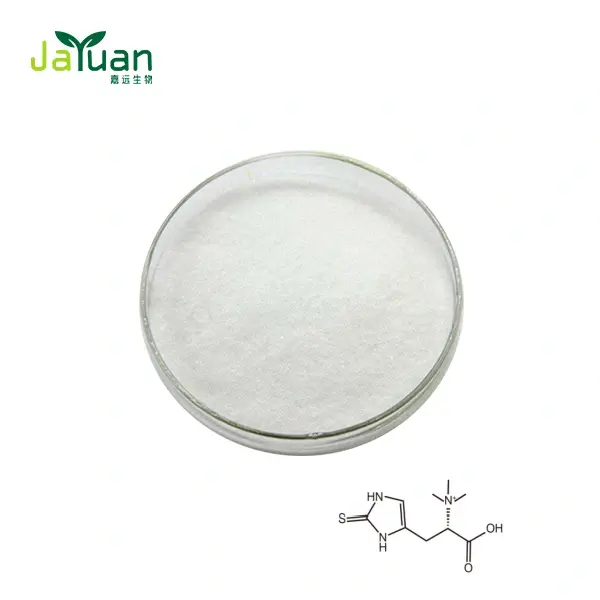
Ergothioneine (EGT) is an amino acid that is found naturally and contains sulfur. It was first found in the ergot fungus. The human body doesn't make it on its own; instead, it gets it from food, mostly mushrooms and fermented foods, through a carrier protein known as OCTN1. This special way of taking in EGT lets it build up in tissues with a lot of oxidative stress, like the brain, eyes, skin, and liver.
What Makes Ergothioneine Distinct
Ergothioneine doesn't convert to a reactive oxygen species in water as fast as vitamin C or glutathione. Its molecules are mostly in a thione state and are particularly chemically stable from pH 3.0 to 9.0 . Formulators value this stability since an ingredient that remains active during manufacture and shelf storage minimizes the possibility of needing to alter the formulation.
Key Biological Functions
A published research shows frequent EGT eating is associated with decreased oxidative stress in aged tissues, alterations in inflammatory signaling pathways (e.g., IL-6 reduction) and enhanced mitochondrial function. A 2020 research published in the journal Redox Biology reported that low levels of plasma EGT were connected to signs of accelerated biological aging. Thus, EGT could be an indicator of nutritional quality and a functional element for longevity.
Safety and Dosing Data
5 mg to 30 mg per day have been tested in human studies without harmful effects. The item is authorised for safety under European food safety law and is GRAS (Generally Recognised As Safe) in the US. This pristine safety profile makes it so much simpler for supplement makers to engage with regulators.
Core Criteria for Selecting an Ergothioneine Ingredient
Purity, Traceability, and Formulation Compatibility
There are different kinds of ergothioneine raw materials that work in different ways. At the brand level, choices about what to buy depend on a small set of technical factors that can't be changed. Here are the main selection factors that should be taken into account in every buying decision:
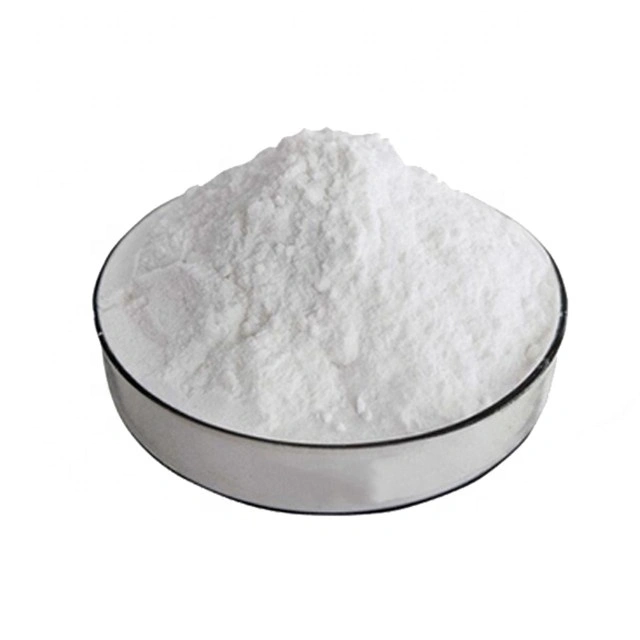
- Purity and analytical verification: Pharmaceutical-grade L-ergothioneine should be ≥99.0% pure by HPLC and the chiral purity validated by optical rotation (+122° to +128°) to ensure the physiologically active L-isomer. Cosmetic grade applications are usually ≥95%. Always obtain a complete certificate of analysis including batch specific data.
- Method of production and traceability of source: EGT, produced by fermentation in an ergothioneine supplement, provides complete stereochemical control and no animal origin issues. The manufacturing procedure should be recorded and auditable, particularly for businesses who are targeting the EU or US market.
- Delivery format compatibility: L-ergothioneine powder is soluble to roughly 0.9 mol/L at 25°C and is therefore extremely compatible with aqueous formulations, capsules and liquid mixes. If you are operating high speed encapsulation lines, check particle size and flow characteristics.
These standards are the starting point. Before going to the test stage, you should think twice about going with a supplier who can't provide full batch paperwork in all three areas.
Comparing Ergothioneine Against Other Antioxidant Ingredients
If you want to make a high-quality antioxidant formula, it helps to know how ergothioneine stacks up against other ingredients. It is important to make the comparison because brand claims and your formulation strategy depend on it.
Ergothioneine vs. Glutathione
If you take glutathione by mouth without a special delivery system like liposomal encapsulation, it breaks down quickly in solution and isn't very bioavailable. On the other hand, ergothioneine is quickly taken by the OCTN1 transporter and stays stable in standard water systems. This makes it easy and cheaper to make.
Ergothioneine vs. Vitamin C
UV radiation and extreme temperatures also degrade vitamin C, making it difficult to keep skin treatments fresh. It is unaffected by exposure to UV radiation or a wide range of temperatures. This makes it a more stable ingredient in skin care serums and leave-on treatments that are stored at various room and temperature conditions.
Supplier Quality Benchmarks
Look for suppliers who have third party testing records, adhere to pharmacopoeia (EP/USP) standards, and have certifications like GMP and ISO. These suppliers are more effective in batch assurance than those that test simply at the end of the process. They employ in-house near-infrared spectroscopy for real-time monitoring and offline HPLC/GC-MS confirmation.
Procurement Considerations for B2B Ingredient Buyers
Finding a lot of ergothioneine requires early supply chain planning by brand-side teams. Few businesses can ferment or eliminate EGT to assure pharmaceutical purity, limiting worldwide supply. Because of this, early supplier qualification and long-term supply arrangements are crucial.
Evaluating Supply Chain Reliability
A vertically integrated provider that controls the source of its raw materials, for example via specific growing agreements in key growing regions, would be much less vulnerable to price fluctuations than one that sources on the open market. Before you sign up for volume contracts with potential suppliers, ask them how they manage with fluctuations in raw materials.
Packaging and Stability Requirements
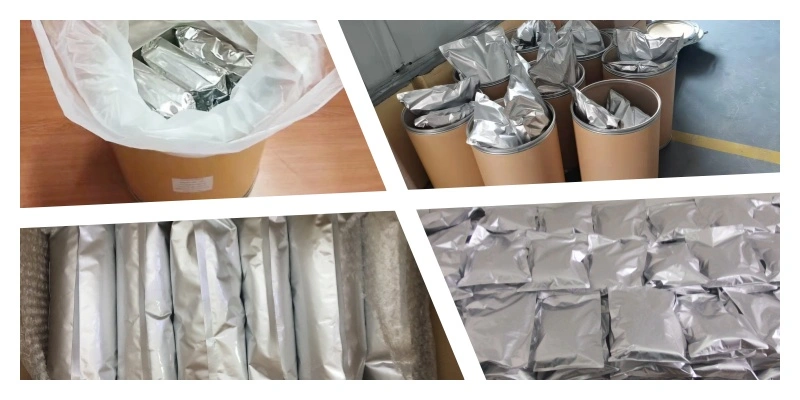
When ergothioneine supplement powder is kept at a wetness level of less than 0.5% and packed in nitrogen, it stays effective for more than three years. This is important for subscription brands that keep safety stock or manage moving supplies. If you want to qualify a supplier, you should ask for a stability study.
Cost and ROI Framing
Ergothioneine supplements sold in stores usually cost more than $1 per serving, so premium EGT costs a lot. The unit economics work for people who buy ingredients when they buy from a source whose large production scale lowers fixed costs. A 10-ton-per-year production line can cut unit costs by 40% to 60% compared to small-batch operations, which will have a direct effect on your product profit.
Personalizing Your Ergothioneine Ingredient Selection by Application
The right ergothioneine raw material specification depends on the type of product you're making and the people you want to buy it. Aligning segments at the ingredient level keeps expensive redesigns from happening later.
Anti-Aging and Longevity Supplements
Pharmaceutical-grade L-ergothioneine that is at least 99% pure is what you need for oral pills that help with biological aging or brain support. EGT's ability to cross the blood-brain barrier through its own transporter is especially useful for cognitive health applications.
Cosmeceutical and Topical Applications
Cosmetic grade EGT (≥95%) in water-based bases performs well in anti-aging and healing creams following laser treatments. It won’t break down under UV light or high humidity, making it particularly good for leave-on applications where you require the quality of the components to remain strong throughout the shelf life of the product.
OEM and Custom Formulation Opportunities
If your brand requires a certain mix, particle size or derivative of ergothioneine, OEM production with a provider that has patented its own purification method might offer you a technological advantage and make it more difficult for rivals to acquire what you need.
Conclusion
Finding the correct ergothioneine supplement ingredient needs balancing purity, formulation compatibility, scientific proof, and supply dependability. Working with an experienced supplier simplifies ingredient assessment and supports consistent product development for supplement brands and manufacturers. For varied business demands, Jiayuan Bio-Tech provides regulated raw material procurement, innovative extraction and purification technologies, quality testing, and adaptable OEM services. With product purity above 95% and customised supply options, we help firms build antioxidant-focused products with confidence.
FAQ
1. Is ergothioneine safe for long-term daily use?
Current evidence from human studies supports daily intake of up to 30 mg without adverse effects. It has been assessed under both US and European food safety frameworks. Its long record of dietary exposure through mushroom consumption further supports a favorable safety profile for finished supplement development.
2. When should ergothioneine be taken for best absorption?
Absorption via the OCTN1 transporter does not appear to be significantly affected by food co-ingestion. However, some formulators recommend morning dosing aligned with antioxidant demand during waking hours of metabolic activity.
3. Can ergothioneine be combined with other antioxidants?
Yes. EGT works well alongside CoQ10, NAD+ precursors, and vitamin E. Its distinct mechanism—OCTN1-mediated tissue accumulation—means it does not compete with other antioxidant pathways, making it a compatible co-ingredient in multi-functional longevity formulations.
Source Your Ergothioneine Ingredient From Jiayuan Bio-Tech
Choosing the right ergothioneine supplement ingredient supplier is an important step toward building a competitive nutritional product. At Xi'an Jiayuan Bio-Tech, we combine experienced technical teams, advanced production equipment, controlled raw material sourcing, and flexible OEM services to support your formulation and procurement needs.
For product consistency, we use high-efficiency extraction, sophisticated chromatographic purification, and computerised process control. Our ingredient purity exceeds 95%, batch testing, and customised criteria enable supplement companies identify the right ingredient for their purposes. Factory-direct supply, warehouse inventory, variable order quantities, international shipping via established logistics partners, and customs clearance help for qualified destinations are all offered.
Whether you are developing an antioxidant-focused supplement or expanding an existing product line, our team is ready to discuss your requirements and provide tailored support. Contact us to request product specifications, discuss available testing documentation, and explore supply options for your next project.
Email: sales@jayuanbio.com | sales1@jayuanbio.com
Choose Jiayuan Bio-Tech as your ingredient sourcing partner and take the next step toward developing your ergothioneine supplement product.
References
1. Halliwell, B., Cheah, I. K., & Tang, R. M. Y. (2018). Ergothioneine – a diet-derived antioxidant with therapeutic potential. FEBS Letters.
2. Cheah, I. K., & Halliwell, B. (2012). Ergothioneine; antioxidant potential, physiological function and role in disease. Biochimica et Biophysica Acta – Molecular Basis of Disease.
3. Stoffels, C., Oumari, M., Perrou, A., et al. (2021). Ergothioneine outcompetes other antioxidants in accumulating in tissues under oxidative stress. Free Radical Biology and Medicine.
4. Paul, B. D., & Snyder, S. H. (2010). The unusual amino acid L-ergothioneine is a physiologic cytoprotectant. Cell Death & Differentiation.
5. Tian, X., Ciminale, V., & Kaya, E. (2020). Plasma ergothioneine and biological aging markers in a longitudinal cohort. Redox Biology.
6. EFSA Panel on Dietetic Products, Nutrition and Allergies. (2016). Safety of synthetic L-ergothioneine as a novel food ingredient. EFSA Journal.