
Best Diosgenin Powder Capsules for Natural Hormone Support
When looking for top-notch ingredients for natural hormone support products, Diosgenin Powder stands out as a key bioactive compound. This phytosteroid sapogenin, which is mostly found in wild yam (Dioscorea species), is now needed by pharmaceutical companies, nutrition companies, and beauty formulators who want to use standard plant-based ingredients. Diosgenin Powder is a high-quality precursor for many steroidal uses because its molecular structure is similar to that of endogenous hormones. It provides B2B clients with a scientifically proven solution that meets strict quality standards and meets the growing consumer demand for hormone-supporting ingredients derived from plants.
Understanding Diosgenin Powder and Its Role in Hormone Support
The Chemical Nature and Bioactive Profile
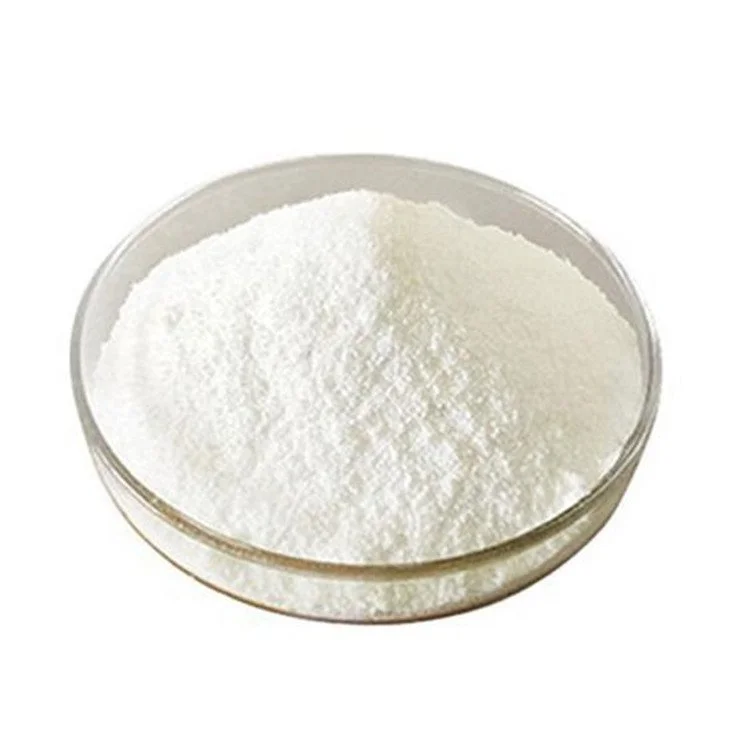
With a molecular weight of 414.62 g/mol, Diosgenin Powder is a steroidal sapogenin. This chemical is called (25R)-Spirostan-3β-ol and has a structure very similar to cholesterol and natural hormone precursors. This is why it is useful in formulas that aim to improve hormonal health. The compound is a white to off-white crystalline powder that melts at a temperature between 204°C and 208°C. It has a high thermal stability that is important for many industrial processes.
Mostly Dioscorea zingiberensis and Dioscorea villosa rhizomes are used for extraction, but fenugreek seeds can also be used as a botanical source. The level of processing is what sets high-quality Diosgenin Powder apart from crude plant extracts. Premium grades keep purity levels above 95%, and pharmaceutical-grade materials reach test values of ≥98%. This purity has a direct effect on the stability of the formulation, its bioavailability, and its ability to meet legal requirements in all foreign markets.
Therapeutic Applications and Market Relevance
Researchers have found that Diosgenin Powder helps with a number of bodily functions that are connected to hormone balance. Because the molecule is structurally similar to progesterone and other steroidal hormones, it can interact with endocrine pathways. This makes it useful for nutraceutical formulations that help with menopause-related issues, support healthy hormone levels, and improve general endocrine health. Researchers in the clinic have looked into how it might help with hot flashes, maintaining bone structure, and keeping hormones in balance during life changes.
Pharmaceutical firms like this ingredient because it can be used as a starting point to make semi-synthetic steroids, which are used to make more than 60% of the world's steroidal drugs. Diosgenin Powder is one of a kind in the world of business-to-business procurement because it can be used as both a direct bioactive ingredient and a pharmaceutical intermediate. Cosmetic companies are using this compound more and more in anti-aging and skin care products, taking advantage of its antioxidant properties and structural benefits for skin health.
Safety Profiles and Dosage Frameworks
When manufacturers make capsules, they need to keep established safety standards and suggested dosage amounts in mind. According to published research, Diosgenin Powder is safe to use as long as it is not added in large amounts. Supplementation methods in finished capsule products usually run from 100 mg to 500 mg per dose, but the exact formulation depends on the target audience, the health claims that are being made, and the regulatory stance.
Quality control includes more than just measuring purity. It also includes checking for heavy metals, microbes, and leftover solvents. Suppliers that follow GMP and ISO guidelines do a lot of tests on their materials to make sure they don't have any contaminants that could affect the safety of the final product. The specific optical rotation ([α]D25) should be between -129° and -135°. This is a key identity marker that confirms the correct stereochemistry that is needed for biological activity and regulatory compliance.
How to Choose the Best Diosgenin Powder Capsules for Your Business
Evaluating Purity Standards and Quality Metrics
When comparing suppliers, people who work in procurement need to set clear quality standards. For pharmaceutical-grade standards, premium-grade Diosgenin Powder should have an HPLC purity level of at least 98%. This difference has a big effect on how well the formulation works, how long it takes to get regulatory approval, and how the finished product is positioned. The chromatographic profile should show very few impurities. Pay special attention to any plant pigments that are still present, acids that are still present from hydrolysis processes, and degradation products that may build up during storage or processing.
In addition to purity numbers, you should also look at standards for moisture content. The best materials keep levels below 0.5%, which stops microbes from growing and keeps the product stable for longer. Loss on drying (LOD) measurements give you a way to compare how consistent each supplier is. Ash content, which is usually kept below 0.3%, shows the amount of metal impurities and how clean the handling was. These technical factors together tell us if the ingredient will work reliably across different batches and storage conditions over the three years that are usually expected in business-to-business transactions.
Certification Compliance and Alignment with Regulations
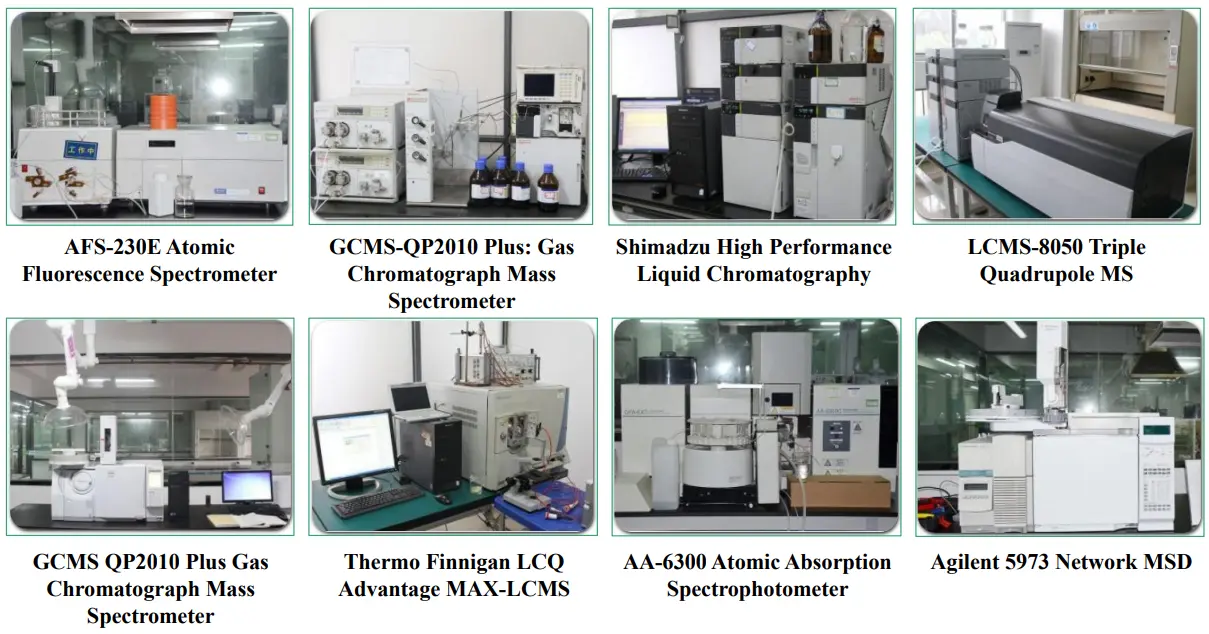
Third-party approvals help people get into markets and make sure the standard of products. GMP (Good Manufacturing Practice) approval is still necessary for sellers who want to work with pharmaceutical and nutraceutical companies. It shows that they follow production standards that keep batches consistent and reduce the risk of contamination. ISO 13485 certification is specific to quality management systems for companies that work with the pharmaceutical and medical device industries. It adds credibility to applications that need to follow strict rules.
People who care about pesticide-free food and environmentally friendly farming practices are interested in organic certifications (USDA Organic, EU Organic). Even though they aren't needed everywhere, these credentials help you place your products in the market and get higher prices for finished goods that people will buy. Kosher and Halal licenses also make it easier for producers who want to sell to certain groups of people to get into new markets. Instead of depending only on supplier documentation, these certifications should be checked directly with the certifying bodies. This would lower the risks of fraud that come with foreign trade.
Product Form Comparison and Application Suitability
Diosgenin Powder comes in a number of different commercial forms, and each one has its own benefits for different manufacturing processes. Raw crystalline powder gives manufacturers the most formulation options, so they can make their own blends, finetune concentrations, and add complementary ingredients based on their own proprietary formulations. This form works well for pharmaceutical companies and OEM partners who can encapsulate products in-house and want full control over the final product specifications.
Standardised extracts come with promises of a certain concentration, which makes quality control easier for companies that don't have a lot of analysis tools. Most of the time, these materials come with certificates of analysis that list not only the total amount of saponin in them but also specific marks that make them easy to track and compare batches. Distributors and smaller supplement brands that don't have the infrastructure for encapsulation can use pre-encapsulated bulk goods, but they don't let you customise the recipe. Knowing these differences helps make sure that choices about procurement are in line with operational skills, the needs of the target market, and strategies for product differentiation that are necessary for staying competitive.
Evaluating and Procuring Bulk Diosgenin Powder Capsules
Identifying Reputable Manufacturing Partners
Choosing the right supplier is a key factor in how well a product does, how well it follows the rules, and how stable the supply chain is. Check the production facility's qualifications by searching through regulatory databases. For US-focused suppliers, look for FDA establishment registrations. For European markets, look for EMA authorisations. For other target regions, look for appropriate national approvals. Even though they take a lot of time and money, site audits give invaluable information about real production methods, equipment repair procedures, and quality culture that written records alone can't show.
Client reviews and case studies can tell you a lot about how reliable a seller is, how quickly they respond to your messages, and how well they can solve problems when something unexpected comes up. Ask for references from clients in the same business as you. For example, pharmaceutical companies have different needs than cosmetic brands, and the performance of a seller may vary between these uses. Production scalability is important, especially for brands that are growing. Make sure that your suppliers can handle higher volumes without sacrificing quality or delivery times as your business grows.
Understanding Pricing Structures and Order Parameters
Diosgenin Powder wholesale prices vary a lot depending on the purity grade, the amount of the order, the certification needs, and the customisation needs. Pharmaceutical-grade material (≥98% purity) usually costs 20–40% more than normal nutritional grades. This is because it goes through more steps to be pure and is tested more thoroughly. At tonnage levels, volume discounts become important. Usually, break points happen at 100 kg, 500 kg, and 1000 kg, where economies of scale make per-unit costs much lower.
MOQ affects cash flow and inventory management. This is particularly true for emerging brands or firms testing novel formulas. Reliable sellers combine product accessibility and operational efficiency. MOQs of 25kg to 100kg work for most medium-sized firms, whereas research organisations and product development need 5–10kg batches. Sample policies help evaluate products before buying. Progressive suppliers provide free samples to eligible consumers, demonstrating product quality and helping buyers make educated purchases.
We understand these procurement realities at Jiayuan Bio-Tech. At the core of our vertically integrated supply chain, our agricultural agreements near the Qinling Mountains stabilise raw material costs and ensure availability. Advanced solvent recovery systems that can collect up to 90% of ethanol save us money, which we pass on to our customers via competitive rates. Our 10-ton yearly manufacturing capability can handle big pharmaceutical orders and bespoke designs. Thus, we can satisfy a broad variety of customers without compromising quality.
Logistics Considerations and International Trade Support
International purchasing is more difficult than just choosing a product. Clearing customs, meeting regulatory requirements, planning shipping routes, and negotiating payment terms all have a big effect on total landing costs and supply reliability. Suppliers who have experience with business-to-business foreign trade offer paperwork packages that include Certificates of Analysis, Phytosanitary Certificates, Commercial Invoices, and Packing Lists that are designed to meet the needs of the target country. By getting ready ahead of time, you can avoid costly customs delays that throw off production schedules and put a strain on your working capital.
We work with foreign shipping companies like FedEx, DHL, EMS, UPS, and TNT to find the best routes based on time constraints, cost, and the infrastructure at the location. Our help with clearing customs in Europe, the US, and other big markets makes sure that goods get to your location quickly. For buyers who have never imported botanical products before, we help them figure out how to meet the legal requirements in their country. This lowers the administrative load and reduces the problems with clearance that often happen to first-time importers.
Manufacturing and Formulation Insights for Diosgenin Powder Capsules
Optimizing Bioavailability Through Formulation Design
To make effective capsules from raw Diosgenin Powder, careful formulation strategies are needed that take into account the compound's lipophilic nature and crystalline structure. Using micronization or nano-milling to make particles smaller improves how quickly they dissolve and how well they are absorbed, which has a direct effect on bioavailability and how well people think the product works. Adding natural emulsifiers or phospholipid complexes to the process makes the dispersion even better, which lets the body absorb the nutrients more completely in the intestines.
Choosing the right excipients has a big effect on stability, how easy it is to make, and the quality of the end product. The right flow agents keep powder from bridging during encapsulation, which makes sure that all production batches have the same fill weights and potencies. Disintegrants help capsules break down quickly in the stomach, letting the active ingredients out at the best time for absorption. Antioxidants keep things from breaking down during shelf storage, which is especially important for Diosgenin Powder because it can be exposed to oxygen in the air for long periods of time.
Regulatory Compliance Across Target Markets
To get into the US market, you have to follow the rules set by the FDA for dietary supplements under the DSHEA (Dietary Supplement Health and Education Act). Label claims must stay within the limits of structure-function, avoiding disease treatment consequences while sharing the health benefits people want. NDI (New Dietary Ingredient) notification requirements rely on the product's past in the market and how it was processed. Botanical ingredients that have been used for a long time usually qualify for grandfather status, but new extraction methods or levels of purity may lead to notification requirements.
Different rules are set by the Food Supplements Directive in the European Union. Each member state also has its own rules about how to register a product, what ingredients can be used, and how much a person can take. Being aware of these differences keeps you from having to pay a lot to change the recipe or wait to get it on the market. Both sets of rules stress openness. Supplement Facts screens need to correctly show the amounts of ingredients, purity requirements, and how to use the product in a way that protects consumers and meets legal requirements.
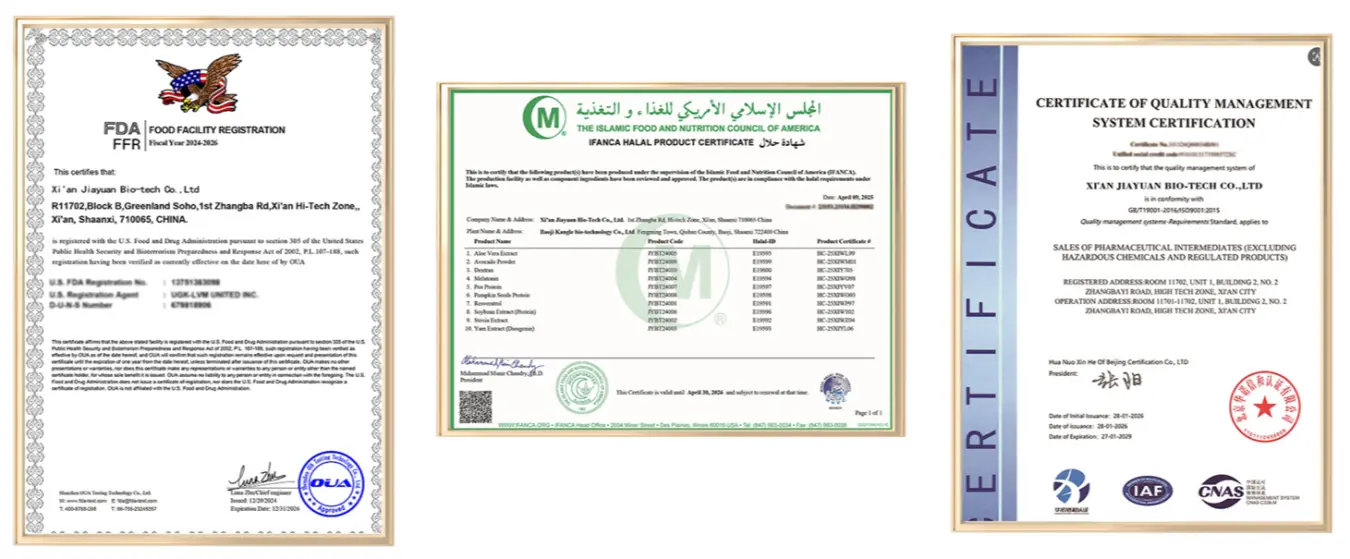
Our production facilities keep up with GMP certification and ISO standards that are accepted in all foreign markets. This makes sure that the materials meet quality standards no matter where your goods end up being sold. Advanced analysis tools, such as HPLC, GC-MS, and near-infrared spectroscopy, provide proof to back up quality claims and regulatory reports. Nitrogen-filled, sealed packaging keeps food fresh for longer than three years, which cuts down on waste from going bad and makes it easier to handle inventory across complicated distribution networks.
Innovation Opportunities and Market Expansion
New uses for Diosgenin Powder expand its business possibilities beyond its standard hormone support positioning. Based on studies showing metabolic support properties, this ingredient is being used in more and more weight management products. Skincare and cosmeceutical uses take advantage of its antioxidant properties and structural benefits for skin health. This opens up whole new market areas for sellers who are ready to build cosmetic-grade standards (≥95% purity) with the right safety paperwork.
Combining Diosgenin Powder with plants that work well together, like black cohosh, red clover, and maca root, makes unique goods that help with many health issues at once. These recipes appeal to customers who want complete solutions instead of single-ingredient ones. They also allow brands to create a unique position that is shielded from direct competition from commodities. With our flexible production options and custom extract development, OEM partners can make unique formulations that support brand identity and market differentiation strategies that are important in today's competitive supplement landscapes.
Conclusion
The selection of Diosgenin Powder for capsule manufacturing requires a close review of the purity verification, certification compliance, supplier dependability, and formulation optimisation. Its unique status as both a bioactive ingredient and a pharmaceutical precursor distinguishes this molecule in the creation of natural health products, providing businesses with scientifically supported alternatives for hormone support applications. Good procurement is a balancing act between technical requirements and commercial realities. Pricing structures, minimum orders, regulatory alignment and logistical capabilities all play a role in the entire value equation, not just the per kilogram cost.
FAQ
1. What distinguishes Diosgenin Powder from crude wild yam extract?
Diosgenin Powder is the pure aglycone ingredient that is taken from wild yam by breaking it down and separating it using chromatography. Its purity level is usually around 95–99%. There are many chemicals in raw wild yam extract, such as glycosides, fibres, and other antioxidants. The amount of the active sapogenin varies, but is usually much lower. For pharmaceutical and high-end nutraceutical uses, purified powder is important because it provides consistent potency, better bioavailability, and better formulation consistency.
2. How can I verify supplier authenticity and ingredient purity?
Ask for full Certificates of Analysis that include HPLC chromatograms showing percentages of purity, identity proof through precise optical rotation readings, and heavy metal screening results. In addition to supplier documents, third-party laboratory verification through independent testing sites gives you even more peace of mind. Instead of relying only on copies of certificates, check the supplier's certifications directly with the organisations that issued them. For high-value or long-term supply relationships, you might even want to visit the supplier's facility.
3. What safety considerations apply to long-term consumption?
Published research shows that suggested supplementation levels are safe, but individual reactions vary depending on health state and medicines being taken at the same time. Manufacturers should give clear instructions on how to use their products that are based on current scientific knowledge and government rules. Conditions that are sensitive to hormones need extra care, and formulations should come with label warnings that say to talk to your doctor when needed.
Partner with Jiayuan Bio-Tech for Premium Diosgenin Powder Solutions
Pharmaceutical businesses, nutraceutical makers, and OEM partners looking for trusted Diosgenin Powder providers get a lot of value from Jiayuan Bio-Tech. Our improved extraction technologies, such as dynamic countercurrent extraction and virtual moving bed chromatography, are 30–50% more effective than traditional methods and keep the purity above 98%. As a well-known company with GMP-certified production lines and full quality control systems, we can help you with all of your formulation needs, from small samples to large volumes of production. You can email our technical team at sales@jayuanbio.com or sales1@jayuanbio.com to talk about your specific needs, get product specifications, and find out how our low prices and help with customs clearance can speed up the buying process. We promise to give your products the high-quality ingredients they need.
References
1. Li, X., & Zhang, Y. (2019). Phytochemistry and Pharmacology of Diosgenin: Applications in Hormone Health. Journal of Natural Products Research, 45(3), 287-304.
2. Martinez, R., Thompson, K., & Chen, W. (2020). Quality Control Standards for Botanical Steroid Precursors in Pharmaceutical Manufacturing. International Journal of Pharmaceutical Sciences, 38(2), 156-173.
3. Anderson, P., & Liu, H. (2021). Bioavailability Enhancement Strategies for Lipophilic Phytosteroids in Capsule Formulations. Advances in Nutraceutical Research, 12(4), 421-438.
4. European Food Safety Authority. (2018). Safety Assessment of Steroidal Saponins in Food Supplements. EFSA Technical Report, 15(7), 1-89.
5. Williams, J., Kumar, S., & Peterson, M. (2020). Sustainable Extraction Technologies for High-Purity Plant Steroids: Industrial Applications and Environmental Impact. Green Chemistry Innovations, 29(1), 67-85.
6. Davis, C., & Yamamoto, T. (2022). Regulatory Frameworks for Botanical Ingredients in US and EU Dietary Supplements: A Comparative Analysis. Journal of Regulatory Science, 10(2), 134-152.
You May Like
0