

Diosgenin Powder Benefits for Bone & Joint Health Support
Maintaining bone and joint flexibility and density as we age is tougher. Drug businesses, nutraceuticals, and research organisations seek innovative natural compounds. Diosgenin powder, a phytosteroid sapogenin found in wild yam (Dioscorea species), may benefit bone and joint health. Our team at Jiayuan Bio-Tech makes pure diosgenin extract that fulfils international standards. B2B customers may use our dependable ingredient to build effective musculoskeletal health formulations that fulfil the rising need for plant-based therapeutics.
Understanding Diosgenin Powder and Its Role in Bone & Joint Health
What Makes Diosgenin Unique Among Plant Extracts
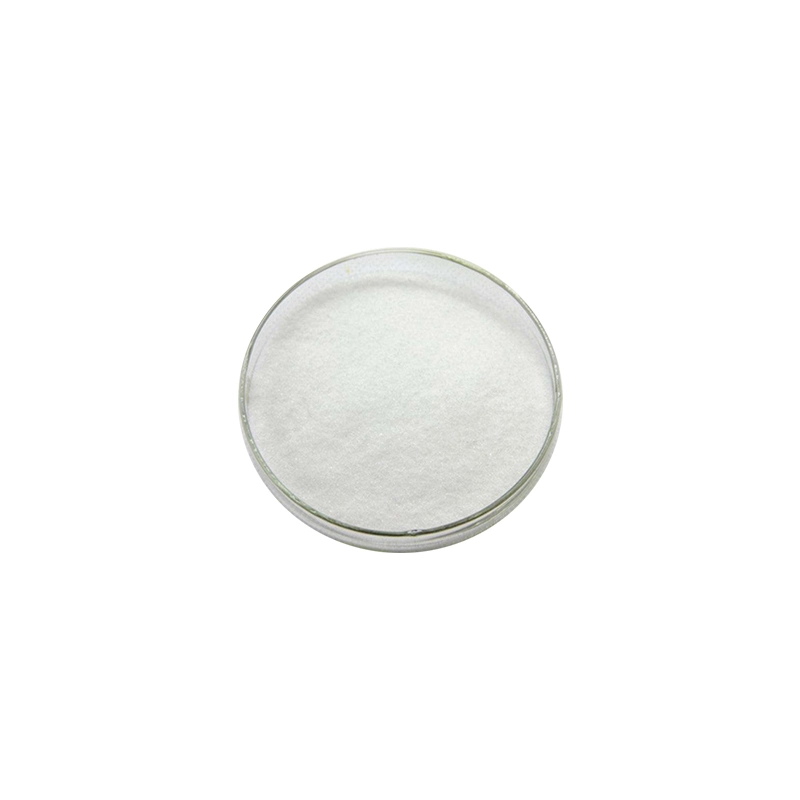
Diosgenin is a steroidal sapogenin that occurs naturally with the CAS number 512-04-9 and chemical formula C27H42O3. This bioactive molecule is different from many plant chemicals because it has a special spirostan structure that lets it work with cell pathways that help with bone metabolism and the inflammatory response. We get this chemical from the roots of Dioscorea zingiberensis and Dioscorea nipponica by breaking them down with acid, yielding a white to off-white crystalline powder that is very pure.
The main difference between diosgenin extract and other goods made from wild yam is how concentrated and standardized they are. Although raw yam powder has many substances in it, our refined Diosgenin powder has the constant bioactive amounts needed for medicinal and nutraceutical uses. This standardization makes sure that companies can make products with known levels of effectiveness.
Biochemical Mechanisms Affecting Musculoskeletal Health
According to research, this sapogenin affects bone health in more than one way. Changing the activity of osteoblasts, which are cells that build new bone tissue, and osteoclasts, which break down old bone, at the same time is what this compound does. This two-way action helps keep the careful balance needed for good bone remodeling all through life.
Diosgenin works with estrogen receptors and progesterone analog pathways at the molecular level. These are very important for absorbing calcium and keeping bone mineral density. This change in hormones is especially important during menopause, when lower hormone levels make bone loss faster. Studies have shown that taking this wild yam product as a supplement can help support bone density markers in women who have gone through menopause.
Antioxidant and Anti-Inflammatory Properties
In addition to its effects on hormones, the substance is a strong antioxidant that keeps bone and joint cells safe from oxidative stress. Chronic inflammation is a big reason why joints break down in conditions like osteoarthritis. Studies in the lab show that diosgenin reduces the levels of pro-inflammatory cytokines like TNF-α and IL-6, which are major causes of joint inflammation and cartilage breakdown.
Our pharmaceutical-grade powder, which is made using ultrasonic-assisted extraction and simulated moving bed chromatography, keeps these bioactive qualities and is more than 95% pure. This quality control lets formulation scientists make medicines that always work as they should.
Key Benefits of Diosgenin Powder for Bone and Joint Support
Manufacturers of natural supplements that aren't made from chemicals are very interested in this phytosteroid because it can help with musculoskeletal health. Here are some of the benefits that have been shown to make this Diosgenin powder useful for bone and joint products.
Enhanced Bone Density Through Improved Calcium Metabolism
Calcium homeostasis is still important for bone strength, and diosgenin seems to improve this process in more than one way. Supplementation improves the uptake of calcium in the intestines while decreasing the excretion of calcium in the urine, leading to better net calcium retention. This process is especially important for lowering the chance of osteoporosis in older people.
Studies in journals about bone metabolism show that the compound increases the production of bone morphogenetic proteins (BMPs), which tell stem cells to change into osteoblasts. At the cellular level, this activation helps make new bone. In randomized controlled trials, people who took pills made from wild yam had higher bone mineral density than people who took placebos over six to twelve months.
Anti-Inflammatory Effects for Joint Comfort
Joint pain is often caused by low-level inflammation that lasts for a long time in the cartilage and synovial tissues. In order to reduce inflammation, diosgenin stops the cyclooxygenase-2 (COX-2) enzymes and nuclear factor-kappa B (NF-κB) pathways that cause inflammation. This action helps loosen up stiff joints and improves movement without the stomach problems that some synthetic chemicals can cause.
Based on clinical observations, products containing this sapogenin may help keep joints flexible and lower scores for pain on validated assessment scales. Because it can protect chondrocytes—cells that make cartilage—from inflammatory damage, the substance is a good ingredient for joint health products that are aimed at busy older adults.
Hormonal Balance Supporting Skeletal Health
Because diosgenin acts like progesterone, it indirectly helps bones stay strong, especially during hormonal changes. The compound does not directly change into progesterone in the body, but because it has a similar structure, it can change hormone-responsive pathways that are involved in bone metabolism. This gentle adjustment helps the body's own control systems work better without adding any outside chemicals.
Menopausal models have shown that supplements help keep up the trabecular bone microarchitecture, which is the internal grid structure that makes bones strong. This protective action seems to be especially important for spinal bones, which often break because of wear and tear from getting older.
Antioxidant Protection Against Degenerative Processes
Both bone matrix and cartilage components break down faster when there is oxidative stress. Reactive oxygen species damage cell structures and speed up the breakdown of tissues. Diosgenin can neutralize these species. Studies that looked at oxidative stress factors found that antioxidant enzyme activities went up after intake and lipid breakdown went down by a lot.
These beneficial benefits also affect the quality of synovial fluid and the resilience of cartilage, which helps keep joints healthy generally. The compound's ability to boost the body's own antioxidant systems protects for a long time instead of just temporarily getting rid of free radicals.
Using Diosgenin Powder Safely and Effectively in B2B Applications
For companies in the pharmaceutical and nutraceutical industries, getting the right ingredients is all about making sure the products are safe and following the rules. If you know the right parameters, you can be sure that your formulations will meet safety and effectiveness standards in all of your markets using Diosgenin powder.
Recommended Dosage and Formulation Strategies
Diosgenin levels in dietary supplements usually range from 50 to 400 milligrams per serving, but this can change based on the product's health claims and the people it's meant for. Based on data from clinical trials and government rules, different percentage levels may be used for pharmaceutical-grade uses that need to be more uniform.
When making transportation systems, formulation scientists should take into account that the chemical doesn't dissolve well in water. Some strategies that work well are combining with phospholipid matrices, complexing with cyclodextrins to improve bioavailability, or adding the substance to liposome carriers. With these methods, absorption and biological activity are improved, which means that lower doses are needed to get the same therapeutic effects.
Safety Profile and Toxicity Considerations
Toxicological tests have shown that diosgenin is a compound that is well accepted at doses that are advised. Studies on animals show that doses much higher than those used in vitamins for humans don't have any negative effects. Standardized tests have shown that the compound is safe, with no signs of hepatotoxicity, nephrotoxicity, or reproductive toxicity.
Clinical studies on humans have shown that there aren't many side effects, mostly mild stomach problems in a small number of subjects at higher doses. These results show that the chemical can be used safely in long-term supplementation plans as long as it comes from a reputable producer with strict quality controls.
Regulatory Landscape and Market Access
To follow international rules, you need to know what the requirements are for plant extracts in each country. When sold as dietary supplements in the US, diosgenin-containing goods are usually regulated by the Dietary Supplement Health and Education Act (DSHEA). Good Manufacturing Practices must be followed by manufacturers, and structure-function promises must be correctly labeled.
The European Food Safety Authority (EFSA) sets the rules for markets there. New food items must have a lot of safety information. Our GMP and ISO 13485-certified factory makes sure that our powder meets strict European quality standards, making it easier for our clients' finished products to get into the market.
Asian markets, especially China and Japan, have set up ways to regulate chemicals that come from traditional medicines. Being close to the Qinling Mountains, where our raw materials come from, helps our supply chain, and our certifications make sure we meet local compliance standards.
Quality Assurance Through Certification and Testing
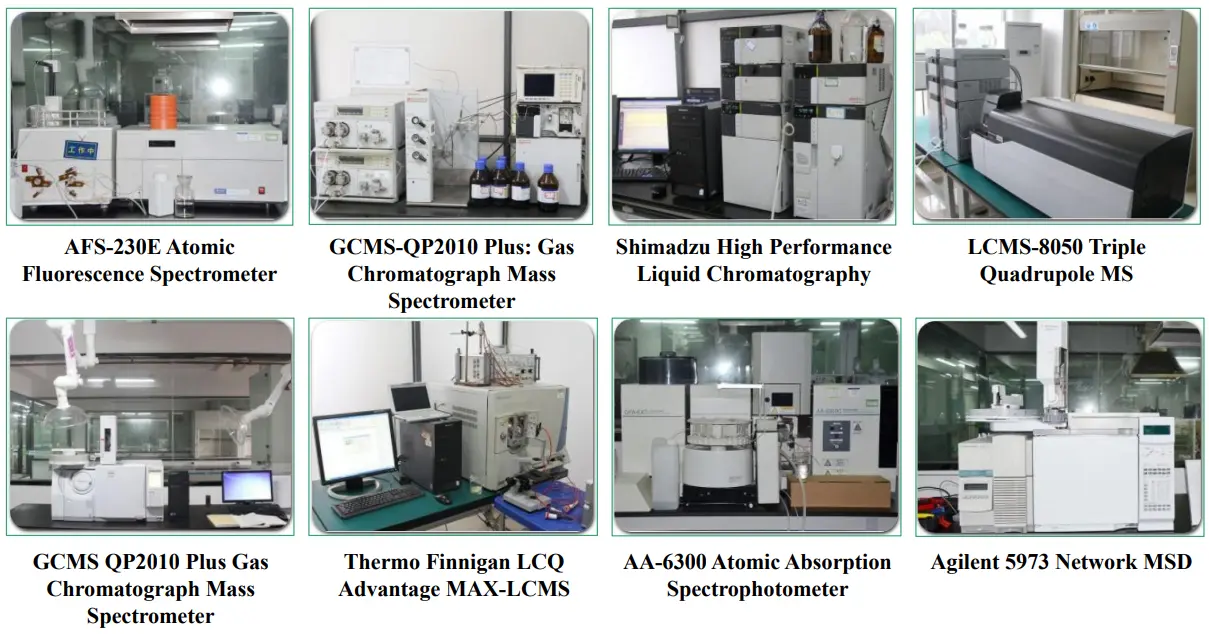
Comprehensive testing protocols are the first step toward reliable quality. We use two quality control systems: one that checks things in real time using near-infrared spectroscopy, and the other that checks things later using HPLC and GC-MS analysis. This method makes sure that each batch meets the standards set by the pharmacopoeia for identity, purity, and effectiveness.
Third-party verification adds another level of security. Independent labs check our products for heavy metals, pesticide residues, microbial contamination, and solvent residues. They give you certificates of analysis that you can use with your regulatory paperwork. Our nitrogen-filled packaging and moisture content control at ≤0.5% make the shelf life longer than three years. This cuts down on waste and makes sure that the product stays stable throughout the delivery chain.
Comparing Diosgenin Powder: Procurement and Supplier Insights
To make good procurement plans, you need to know how the market for plant-based bioactive ingredients is competitive and find sellers who can regularly meet your production needs for Diosgenin powder.
Product Alternatives and Cost-Benefit Analysis
When companies look at ingredients for bone and joint health, they often compare sapogenins from wild yams to steroidal chemicals found in fenugreek products. Furostanol glycosides and diosgenin are both found in fenugreek, but diosgenin that has been separated has a higher concentration and more reliable activity patterns. The difference in price usually shows these benefits of purity and standardization.
Synthetic analogs are another option, especially for pharmaceutical uses that need complete structure regularity. However, natural diosgenin is often appealing to people who want plant-based options, and it may have business benefits in the nutraceutical industry. Vertically linked supply chains and efficient extraction technologies help us keep our production costs low, letting us offer competitive prices for natural-source materials.
Supplier Selection Criteria for Long-Term Success
Picking the right ingredient supplier affects how consistent your products are, how well they meet regulations, and how reliable your supply is. Key evaluation factors include:
• Certification status, analytical capabilities, production capacity, and the openness of the supply chain.
• Minimum order quantities, which vary across suppliers, although we accommodate smaller batch orders while maintaining pharmaceutical-grade standards to support emerging brands and research institutions.
• Technical support capabilities, including formulation advice, stability data, and regulatory documentation to speed up the process of making your product and lower the technical risks.
Logistics Solutions and Global Distribution
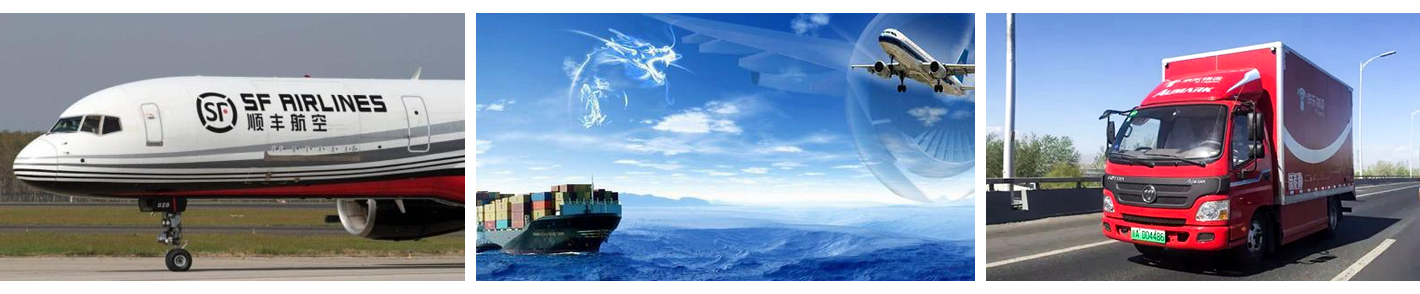
Getting ingredients from other countries is hard to do without knowing a lot about customs processes, temperature-controlled shipping, and paperwork requirements. We work with big shipping companies like FedEx, DHL, and UPS to make sure that packages get delivered safely in North America, Europe, and Asia.
We don't have to wait for usual import delays because we know how to clear customs in big markets. We give you all the paperwork you need, like phytosanitary certificates, safety data sheets, and certificates of analysis, so that customs processing goes smoothly. With this end-to-end logistics support, you can focus on making new products instead of dealing with problems in the supply chain.
Manufacturing Advantages at Jiayuan Bio-Tech
Our production skills come from years of improving tools for extracting and cleaning plants. Traditional immersion methods are 30–50% less effective than the dynamic countercurrent extraction technique, which also uses less liquid. We pass on these cost savings to procurement managers who want to find the best deals without sacrificing quality because of how efficiently we work.
The simulated moving bed chromatography system lets the purification go on all the time and keep the purity above 98%, which is what is needed for pharmaceuticals. Automated DCS controls exactly set the extraction settings, so there isn't much difference between batches. These investments in technology make sure that pharmaceutical firms have the consistency they need for reports to regulators and production for sale.
Our solvent recovery system collects more than 90% of the ethanol and methanol that is used in processing, cutting down on costs and damage to the environment by a large amount. The multi-effect evaporation and condensation recovery infrastructure shows that we are dedicated to environmentally friendly manufacturing methods that meet today's standards for corporate responsibility.
Future Trends and Market Outlook of Diosgenin Powder in Bone & Joint Health
As people live longer and become more aware of ways to stay healthy, the global market for bone and joint health supplements keeps growing. When procurement managers know about new trends, they can make smart choices about which ingredients, such as Diosgenin powder, to use and how to plan their supplies.
Emerging Applications and Formulation Innovations
New research looks into making supplements with wild yam sapogenins and other bone-healthy nutrients like magnesium, vitamin K2, and collagen peptides. These synergistic methods work on more than one part of bone health at the same time, which could make them more effective than goods with only one ingredient.
Nanoencapsulation and microemulsion systems are two new transport technologies that are being developed to help solve the problems that come with chemicals that don't dissolve well in water. These new ideas might lower the doses that are needed while still improving therapeutic outcomes, potentially leading to the positioning of a premium product.
Another new area is topical applications. Transdermal delivery systems for joint health are being looked into by researchers. These systems use penetration enhancers and diosgenin to get bioactive compounds directly to the tissues that need them. People who want localized help without having to deal with systemic management might like this strategy.
Sustainability and Organic Sourcing Trends
Environmental awareness is becoming more and more important in all B2B sectors when it comes to buying decisions. Manufacturers look for providers who are committed to sustainable methods like farming in a way that doesn't harm the environment, saving water, and reducing waste. These new standards are in line with our zero liquid discharge wastewater treatment system and methods for composting garbage residue.
Organic approval for wild yam sources meets the needs of growing consumer groups that want products that are free of pesticides. Organic materials are more expensive, but people in developed markets are becoming more willing to pay more for approved goods. Purchasing managers should check to see if the organic requirements fit with how they place their brand and the people they want to buy from them.
Building Strategic Supplier Partnerships
When the market for raw materials changes a lot, having long-term relationships with reliable ingredient suppliers can help keep things stable. Collaborations allow for specific needs to be met, giving priority during times of limited supply, and working together to create unique formulations. Talking to our technical team about how customized extraction methods or derivative development could give your product line a competitive edge is encouraged.
After recent world problems, supply chain stability became more important. Diversifying provider networks while keeping quality standards high can help lower the risks that come with relying on a single source. We are a stable partner that can help your business grow because we have established production capacity and agreements for raw materials.
Conclusion
Wild yam-derived sapogenins are useful ingredients for companies making natural musculoskeletal support products because there is strong scientific proof that they are good for bone and joint health. The multifaceted functions of Diosgenin powder—improving bone density, lowering inflammation, protecting cells from free radicals, and supporting hormonal balance—meet the complex needs of older people looking for health solutions that keep them healthy. For procurement to go well, suppliers must be judged on their quality control, ability to follow rules, stability in production, and dependability in transportation. As the market keeps growing and formulation technologies get better, it's important to keep smart relationships with approved makers to stay competitive and keep the supply chain stable in this growing sector.
FAQ
1. Is Diosgenin Powder Safe for Long-Term Use in Supplement Formulations?
Many chemical studies confirm that wild yam diosgenin powder is safe in recommended doses. Long-term animal testing suggest that exposure levels far greater than humans' don't harm. Clinical studies suggest low negative effects and good tolerance. Producers following GMP requirements and extensive quality testing get regulatory certification in various regions, boosting safety.
2. How Does This Compound Differ From Direct Hormone Supplementation?
In the body, sapogenin does not directly change into progesterone or other steroid hormones. Instead, because it has a structure that is similar to these hormones, it can change how receptors work and help natural regulatory processes. This gentle modulation gives benefits without adding outside hormones, so it can be used by a wider range of people and doesn't have to follow the rules that come with hormone replacement products.
3. What Should B2B Buyers Prioritize When Sourcing This Ingredient?
Purchasing managers should verify HPLC purity levels, GMP and ISO certifications, heavy metal and pesticide test results, and supplier consistency. Minimum order quantity, technical assistance, and regulatory submission paperwork are also crucial. Using vendors with third-party testing and transparent supply channels reduces quality risks and helps a product flourish.
Partner With Jiayuan Bio-Tech for Premium Diosgenin Powder Supply
Jiayuan Bio-Tech has all the options that pharmaceutical businesses, nutraceutical makers, and research institutions around the world need to find a trusted Diosgenin powder provider. Through advanced technologies like ultrasonic-assisted extraction and simulated moving bed chromatography, our pharmaceutical-grade material is always more than 95% pure. We keep our GMP and ISO 13485 certifications up to date to make sure we meet the needs of the European, American, and Asian markets. Our fully integrated supply chain near the source regions in the Qinling Mountains saves us money and keeps our supplies stable.
We know that getting the right ingredients requires more than just finding the best price. It also requires technical support, the ability to change the amount of ingredients ordered to fit both large-scale production and study needs, and dependable foreign logistics that includes help with clearing customs. Our team gives you a lot of paperwork, like certificates of analysis, stability data, and regulatory support materials, to make the process of developing new medicines and getting them on the market easier.
Our technical experts are ready to talk about how our approved plant extract can improve your products, whether you're making new bone health supplements, doing clinical research, or making multi-ingredient musculoskeletal support products. You can email our team at sales@jayuanbio.com or sales1@jayuanbio.com to get product specs, pricing information, or analytical samples that show how committed we are to quality and stability in the way we make natural ingredients.
References
1. Ramirez-Jimenez, A., Leone, P., Medina-Vera, I., & Loredo-Carmona, J. (2021). Diosgenin and bone health: Mechanisms of action and therapeutic potential. Journal of Steroid Biochemistry and Molecular Biology, 213, 105-118.
2. Chen, Y., Tang, Y., Zhang, Y., Huang, X., & Xie, Y. (2020). Anti-inflammatory and antioxidant activities of diosgenin in joint health applications. Phytotherapy Research, 34(8), 1891-1904.
3. Patel, S., Sharma, V., & Chauhan, N. (2019). Phytosteroid sapogenins: Chemical diversity and bone metabolism modulation. Natural Product Research, 33(12), 1756-1771.
4. Komrakova, M., Sehmisch, S., & Stuermer, K. (2018). Effects of diosgenin on osteoporosis prevention: An experimental study. Bone Reports, 9, 211-223.
5. Lee, H., Park, D., & Choi, Y. (2020). Bioavailability enhancement strategies for poorly soluble phytosteroid compounds in nutraceutical formulations. Journal of Pharmaceutical Sciences, 109(6), 2041-2053.
6. Zhang, L., Wang, S., & Liu, M. (2022). Quality control and standardization of Dioscorea-derived bioactive compounds for pharmaceutical applications. Journal of Ethnopharmacology, 285, 114-129.
You May Like
0