

How to find bulk astaxanthin powder with certification for purity and quality?
Know your business's criteria and the seller's reputation to locate trustworthy Astaxanthin Powder Bulk with confirmed approval. Certified items satisfy purity standards, obey government heavy metal and microbial regulations, and have proper quality documentation. Teams buying for enterprises should prioritise suppliers with ISO, GMP, and third-party lab Certificates of Analysis. This approach reduces risk and ensures astaxanthin constituents fulfil medical, nutraceutical, cosmetic, and research-grade criteria. It also maintains formulation purity and product safety.
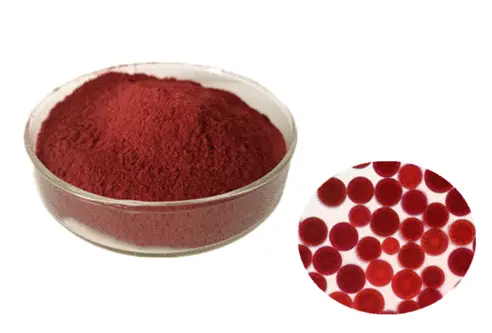
Understanding Bulk Astaxanthin Powder and Its Market Challenges
Astaxanthin Powder Bulk is used in food, cosmetics, nutraceuticals, medications, and research laboratories. This powerful carotenoid originates from yeast fermentation, Haematococcus pluvialis microalgae, and man-made manufacturing. Excellent antioxidant. However, B2B procurement specialists struggle to source high-quality products.
Sourcing Complications in the B2B Market
Pureness issues persist in the global supply chain. Many firms claim to supply high-potency astaxanthin, however they don't deliver standardised amounts that can be tested analytically. Buyers regularly get batches with high test results. Because UV spectrophotometry detects total carotenoids, not astaxanthin. This secrecy compromises recipe accuracy and product efficacy.
Safety considerations exacerbate these issues. Lead, arsenic, cadmium, and mercury contaminate and create health and legal issues. Microbes, solvent remaining following extraction, and photosensitising chlorophyll breakdown products like pheophorbide may degrade a product. Buyers risk losing money, having their items recalled, or damaging their brands without quality control.
The Role of Certification in Mitigating Risk
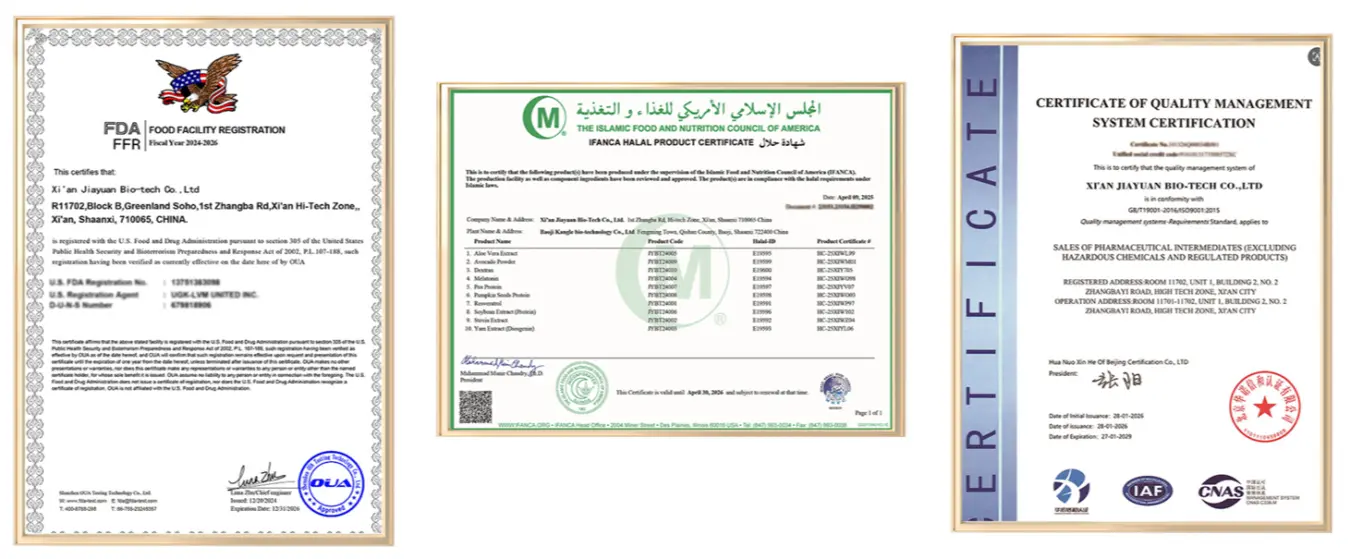
Certification procedures ensure quality and protect purchasers from substandard goods. ISO, GMP, organic, and Halal/Kosher certificates demonstrate worldwide manufacturing standards. These credentials reassure procurement teams that vendors regulate manufacturing settings, monitor batches, and follow contamination restrictions.
Considering these market aspects helps consumers choose wisely. Buyers may match product specifications to their work by distinguishing between natural and synthetic astaxanthin, determining the proper concentration levels (1% to 10%), and considering encapsulation methods like cold-water dispersible (CWD) formulations. Pharmaceutical industries require pure, standardised extracts, whereas beauty companies may concentrate on particle sizes to make products work well.
Core Criteria to Identify Certified Bulk Astaxanthin Powder Suppliers
To find reliable suppliers of Astaxanthin Powder Bulk, you need to carefully look at a lot of different quality factors. Professionals in procurement need to come up with thorough evaluation systems that include purity metrics, certification validation, and clear documentation.
Defining Purity Metrics and Technical Specifications
High-quality Astaxanthin Powder Bulk has physical and chemical properties. It seems like a dark red to violet-brown powder or beadlet that flows easily and contains less than 5% water. Particle size is commonly passed via 80 mesh (100% pass rate) to ensure proper particle distribution. Supplement manufactures can fill capsules more effectively since the bulk density is 0.4–0.7 g/ml.
Astaxanthin is a lipophilic molecule with the formula C40H52O4 and weight 596.84 g/mol. Due to its melting point of 216°C, it must be treated at moderate temperatures to avoid breakdown. HPLC concentration standardisation separates astaxanthin from other carotenoids that might skew UV-based test findings.
The stereoisomer profile is crucial to validity. Natural Astaxanthin Powder Bulk contains predominantly the (3S, 3'S) optical isomer, which is more bioactive than produced versions with a 1:2:1 mix of isomers. Absorption and treatment efficacy vary with this disparity.
Essential Certifications and Third-Party Validations
ISO licenses indicate that organisations utilise quality management systems to ensure consistent manufacturing, prevent contamination, and follow growth criteria. GMP certification involves cleanroom requirements, equipment validation, and personnel training for drug production.
Organic certification proves algae-derived astaxanthin is farmed without synthetic pesticides, herbicides, or GMOs. Cosmetic and food industries that promote clean labelling will welcome this reputation.
Seller claims may be verified by third-party lab testing. Full analytical panels are run in accredited facilities, including HPLC testing, ICP-MS heavy metal screening, microbial load, solvent leftover, and isomer distribution. These tests give objective data that customers may compare to their internal standards.
Documentation Requirements and Supplier Verification
CoAs are the most crucial quality record for every product batch. Full CoAs indicate astaxanthin, moisture, particle size distribution, microorganisms (Total Plate Count, Yeast & Mould, pathogen screening), heavy metals, liquid remnants, and pheophorbide. Buyers should verify that test dates match batch production dates and that analytical methodologies follow USP, EP, or JP pharmacopeial standards.
A product's quality may be assessed via supplier audits and facility inspections. Virtual or in-person evaluations should assess manufacturing line cleanliness, equipment maintenance, raw material management, and quality assurance laboratory performance. The company is legitimate if you request certificates, accreditations, and regulatory compliance documents.
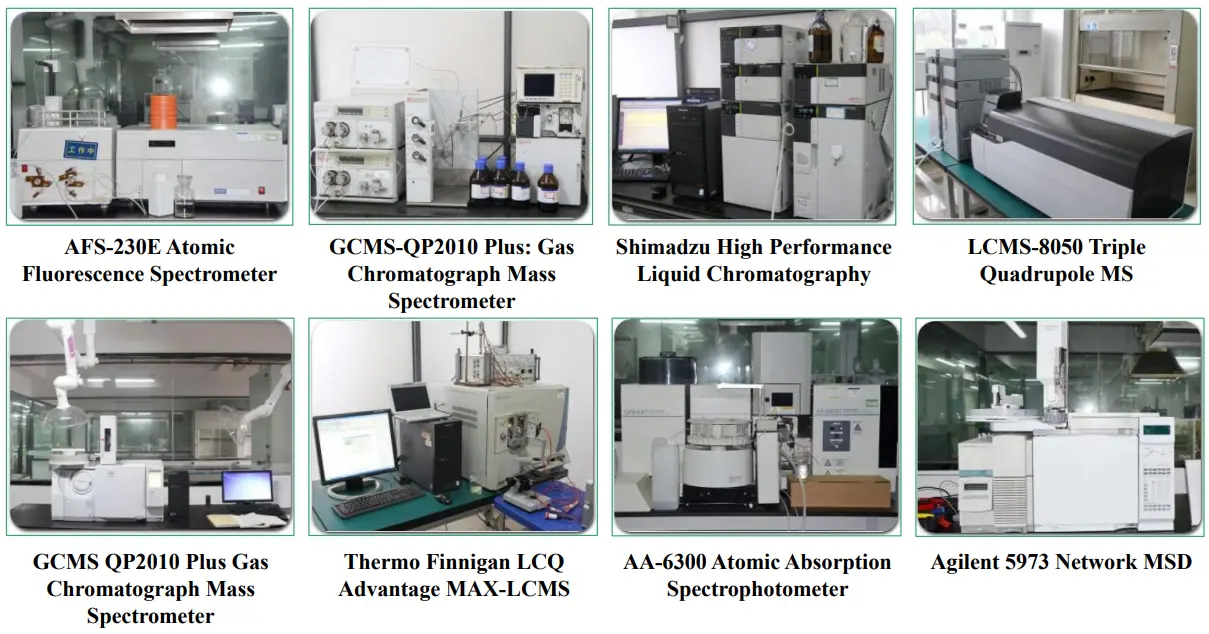
Our plant has two GMP-compliant manufacturing lines and high-tech testing instruments to ensure Astaxanthin Powder Bulk satisfies international standards. Our rigorous quality control checks for heavy metals, microorganisms, solvent residues, and foreign nucleic acid residues to ensure they are within limits. According to filter paper residue tests, our product is more pure than others, which increases extraction purity and antioxidant capacity, making final formulations better at scavenging free radicals.
Effective Methods to Evaluate and Select Bulk Astaxanthin Powder
When making a procurement choice for Astaxanthin Powder Bulk, you have to weigh a lot of different factors that affect how well the product works, how much it costs, and how well it fits your needs. Structured review methods meet quality goals and maximise investment returns.
Natural Versus Synthetic Origin Considerations
Natural astaxanthin from Haematococcus pluvialis algae improves biological activity and absorption. Human metabolic pathways match the (3S,3'S) stereoisomer structure, making it simpler for cells to absorb and utilise. Esterified mono- and di-esters are common in nature. Some research shows these forms stabilise and improve the substance's mobility.
Petrochemical processes used to make synthetic astaxanthin lead to lower production costs and a steady supply of the chemical. The racemic mixture of stereoisomers, on the other hand, has less bioactivity. Pharmaceutical and nutraceutical uses that focus on therapeutic outcomes usually choose natural sources, while food colouring uses that care more about cost may accept synthetic alternatives.
Xanthophyllomyces dendrorhous-derived astaxanthin from yeast is a middle ground that offers natural stereochemistry at production scales between growing algae and making chemicals. This source is good for companies that want to buy non-GMO foods that are made through fermenting at a reasonable price.
Organic Versus Conventional Classification
Organic-certified Astaxanthin Powder Bulk costs more, but brands that want to attract health-conscious customers like it. Synthetic growth boosters, antibiotics, and irradiation sterilisation are not allowed in organic farming. This is in line with the move toward clean labels in skin care and food supplements.
Conventional production lets you use a wider range of inputs while still meeting safety and effectiveness standards. Buyers should think about whether organic certification adds real value for their target market positioning and their budget.
Quality and Cost Comparison Techniques
Structured comparison grids make it possible to evaluate suppliers in an objective way. Teams in charge of buying things should gather common data points like:
• The content of astaxanthin in several batches confirmed by HPLC.
• Reports on heavy metal tests for mercury, lead, arsenic, and cadmium.
• How much microbe contamination there is (TPC, Yeast & Mould, pathogen screening).
• Distribution rates for stereoisomers.
• The amount of residual liquid if any.
• Price per kilogram based on how much it really costs per gram of pure astaxanthin.
• Minimum order amounts and pricing based on volume.
• Lead times and measures of how reliable a source is.
By asking for samples from more than one source, testing can be done at the same time under the same analytical settings. Comparative studies can be done without any bias by independent third-party labs, which can also show differences in results.
Trends in batch test data over time show that the process is consistent. When suppliers show tight specification ranges across multiple production runs, it means they have strong quality control systems. A lot of variation means that the manufacturing process isn't reliable, which raises the risk of formulation.
Advanced starch, gelatin, or dextrin microencapsulation is used by our manufacturer. These protective layers improve digestion bioavailability, oxidation resistance, and CWD class water distribution. This technical sophistication lets formulators add nutrients to drinks, make capsule supplements, and make skin care products with the performance attributes they want.
Practical Validation Steps
In addition to reviewing the paperwork, hands-on validation also confirms what the supplier says. Testing samples received in-house or by a contracted lab confirms that they meet the stated standards. To predict how well a product will keep for a long time, testing methods should mimic the conditions that it will be stored in and speed up stable studies.
By asking for split samples, testing can happen at both the buyer's facility and the supplier's lab at the same time, letting the results be directly compared. Big differences should be looked into because they could mean that the testing methods were different or that there were gaps in quality control.
Pilot-scale formulation studies check how well Astaxanthin Powder Bulk works in real-life production settings. Checking the dispersion behaviour, colour consistency, stability at processing temperatures, and taste properties of the end product shows useful features that specs alone can't predict.
Procurement Best Practices for Bulk Astaxanthin Powder
Strategic procurement for Astaxanthin Powder Bulk includes more than just choosing a supplier. It also includes planning orders, managing logistics, and building relationships.
Understanding Minimum Order Quantities and Pricing Dynamics
Suppliers base pricing on volume, or "economies of scale." Small trial orders (1–10 kg) cost more per kilogram, whereas big orders (100 kg or more) cost less. Procurement professionals should estimate a product's annual use to determine the appropriate order amounts that balance cost savings, inventory costs, and shelf life.
You must understand worker cost elements to negotiate prices. You must produce algae, apply costly extraction and purification procedures, and find ways to bottle natural astaxanthin. Comprehensive suppliers, from algae growth to powder manufacture, provide better pricing than brokers who purchase from intermediaries.
Long-term supply contracts that promise a certain amount of goods can get better prices and make sure that supplies are distributed even if there are gaps. Price indexing terms that are tied to changes in the cost of raw materials or the value of a currency protect both parties from market instability.
Shipping, Storage, and Handling Requirements
Since astaxanthin is made of chemicals, it can break down when it comes in contact with oxygen, light, heat, and water. Following the right management rules keeps the strength safe throughout the supply chain.
Shipping containers should be able to keep out light and oxygen. Anaerobic conditions are kept up with nitrogen washing through aluminium foil bags. Temperature-controlled transport stops thermal degradation, which is especially important in the summer or for shipments going to tropical areas.
Storage spaces should be cold (below 25°C), dry (relative humidity below 60%), and dark. Warehouse management systems prevent outdated inventory distribution using lot tracking and first-in, first-out rotation. Retesting quality regularly after extensive storage ensures criteria are satisfied.
Minimise air exposure via handling techniques. Use clean, specialist instruments and reseal containers immediately after collection to prevent cross-contamination. Training personnel to handle things properly reduces degradation risks in industrial operations.
We have long-term logistical partnerships with FedEx, DHL, EMS, UPS, TNT, and other airlines and overseas shipping businesses. We handle all customs clearance for European, North American, and other markets to ensure easy delivery to your building. This all-in-one solution simplifies importing, which is particularly useful for organisations new to sourcing materials abroad.
Building Long-Term Supplier Relationships
Transactional purchases overlook strategic collaboration opportunities. Certified Astaxanthin Powder Bulk suppliers can give you priority when supplies are low, let you work together to make products that meet your needs, inform you of regulatory changes, and adapt to sudden demand changes.
Clear conversation builds trust between people. Sharing expected number needs helps providers plan their production capacity. Giving feedback on good performance—both praise and suggestions for how to make things better—is what drives continuous improvement.
Well-written contracts make it clear what is expected in terms of requirements, testing procedures, acceptance criteria, delivery dates, payment terms, and ways to settle disagreements. Including quality guarantee terms that spell out what to do about material that doesn't meet specifications protects the buyer's interests and encourages the seller to be careful.
Business reviews done on a regular basis check the health of relationships by looking at quality metrics, delivery performance, responsiveness, and value contribution. These organised conversations help partners find ways to make things better and strengthen their commitment to working together.
Case Studies: Trusted Certified Suppliers and Successful Procurement Examples
Real-life examples of purchasing show how choosing suppliers based on certification has real business benefits.
Leading Manufacturer Profile: Quality Through Certification
Xi'an Jiayuan Bio-Tech shows how a broad variety of certifications may help suppliers compete in the plant extract industry. Our facility features two GMP manufacturing lines with cutting-edge testing and extraction technology. ISO certifies our quality management systems, while SGS and HALAL certifications expand our market reach by covering more regulatory and cultural demands.
Controlled raw material collection begins our quality assurance operations. We work directly with algae growers to create quality agreements that outline the best techniques to cultivate, harvest, and process algae. This upstream check maintains beginning material quality.
At important production control points, our lab performs process testing. HPLC measures astaxanthin during separation and purification. Microencapsulation characteristics including coating width and matrix composition are monitored in real time. All analytical panels are utilised for final product testing before a batch is issued.
Our safety checks go above and beyond what is required by law. Multiple toxicology studies have shown that our Astaxanthin Powder Bulk has no negative effects. This means it can be used safely in research, food, cosmetics, nutraceuticals, and pharmaceuticals. Customers can be sure that this rigorous validation will work when they are making products for end users.
Successful Procurement Outcome: Pharmaceutical Application
Using astaxanthin proved problematic for a pharmaceutical company developing eye health supplements. Due to batch strength discrepancies, the formulation had to be altered a lot, increasing manufacturing costs and delaying the start date. Regulators concerned when heavy metal test findings approached the top limits.
The buying team organised supplier searches on approved credentials and quality. They reviewed five candidates' documentation, provided mock examinations, and examined facilities. Our facility's GMP accreditation, two years of COA data showing strict specification control, and sophisticated analysis made us the ideal partner.
Filter paper residue study of samples showed that the new supplier's products were purer than their old ones, with fewer impurities. The HPLC test showed that the amount of astaxanthin in multiple production batches was always 2.5%, with a standard deviation of less than 0.05%. This was a lot tighter than what they had seen before.
Our Astaxanthin Powder Bulk ingredient was chosen by the pharmaceutical client. Their modified supplement got consistent bioavailability results in dissolving tests, went to market faster, and got regulatory approval without any problems with quality. After the product came out, customers gave it better reviews that showed it worked better, which helped the brand's reputation.
Research Institution Experience: Analytical Precision
A university lab that was studying astaxanthin's neuroprotective effects needed reference-grade material that could be checked for purity and stereoisomer composition. Buying chemicals from general sources in the past led to uneven results that made it harder to repeat experiments.
The study team worked with authorised sources who did a lot of analytical work, like finding the spread of isomers, confirming their identity using spectroscopy, and checking for trace contaminants. Having access to batch-specific COAs made it possible to properly document study methods and papers.
As part of our collaboration, we gave them technical advice on the best ways to store things and dissolve substances for their specific experimental models. This partnership method helped grant applications and peer-reviewed papers succeed, which increased scientific knowledge and showed our dedication to supporting the research community.
Conclusion
Finding verified Astaxanthin Powder Bulk with purity and quality requires evaluating the supplier's qualifications, analytical verification, and business practices. Choosing ISO and GMP certifications, HPLC-based potency validation over UV methods, careful heavy metal and microbial contamination controls, and stereoisomer profiles are ways to identify high-quality suppliers. Strategic purchasing involves preparing for numbers, optimising transportation, and collaborating beyond transactions. Our facility uses regulated manufacturing, rigorous testing, and comprehensive quality documentation. This helps research institutes, cosmetic brands, food producers, nutraceutical providers, and pharmaceutical firms formulate confidently.
FAQ
1. What certifications should I look for when sourcing Astaxanthin Powder Bulk?
Prioritise suppliers with ISO 9001 quality management system certification and GMP pharmaceutical manufacturing requirements. USDA Organic and EU Organic certifications prove natural astaxanthin originates from environmentally friendly sources. Halal and Kosher certifications expand product markets. Third-party verification from certified laboratories that test themselves is more reliable than supplier certification.
2. How can I verify the actual purity of astaxanthin powder?
Ask for Certificates of Analysis that list HPLC testing as the method of analysis instead of UV spectrophotometry. This is because HPLC tests can accurately measure the amount of astaxanthin compared to total carotenoids. CoAs should show the stereoisomer distribution, which can be proven to be natural by (3S,3'S) dominance. If you want to objectively check a supplier's claims, you might want to have independent verification testing done at third-party laboratories that have been approved by the government.
3. Is natural astaxanthin powder safe for use in supplements and cosmetics?
When heavy metal levels, microbial contamination, and solvent residue stay within legal limits, high-quality natural Astaxanthin Powder Bulk from approved sources has great safety profiles. Full toxicology studies show that it is safe to eat and put on the skin. Many tests are done on our goods to make sure they are safe, and the results show that they are safe for use in pharmaceutical, nutraceutical, cosmetic, food, and study settings.
Partner with Jiayuan Bio-Tech for Certified Astaxanthin Powder Bulk Supplier Solutions
Sourcing choices affect the quality of the product, how well it meets regulations, and the image of the business. Jiayuan Bio-Tech sells approved Astaxanthin Powder Bulk that comes with strict quality controls, clear paperwork, and quick technical support. Our two GMP production lines, cutting-edge analytical tools, and wide range of certifications, such as ISO, SGS, and HALAL, make sure that the products we supply are always consistent and of high quality, meeting the needs of manufacturers of pharmaceuticals, nutraceuticals, cosmetics, and foods. We offer competitive factory-direct prices, custom formulations, OEM processing services, full logistics support, including clearing customs for easy international delivery, and customised formulations. Connect with our team at sales@jayuanbio.com or sales1@jayuanbio.com to request samples, discuss your specifications, and discover how our astaxanthin powder bulk manufacturer capabilities support your formulation success.
References
1. Ambati, R.R., Phang, S.M., Ravi, S., & Aswathanarayana, R.G. (2014). Astaxanthin: Sources, Extraction, Stability, Biological Activities and Commercial Applications. Marine Drugs, 12(1), 128-152.
2. Higuera-Ciapara, I., Felix-Valenzuela, L., & Goycoolea, F.M. (2006). Astaxanthin: A Review of its Chemistry and Applications. Critical Reviews in Food Science and Nutrition, 46(2), 185-196.
3. Guerin, M., Huntley, M.E., & Olaizola, M. (2003). Haematococcus astaxanthin: Applications for Human Health and Nutrition. Trends in Biotechnology, 21(5), 210-216.
4. Yuan, J.P., Peng, J., Yin, K., & Wang, J.H. (2011). Potential Health-Promoting Effects of Astaxanthin: A High-Value Carotenoid Mostly from Microalgae. Molecular Nutrition & Food Research, 55(1), 150-165.
5. Capelli, B., Bagchi, D., & Cysewski, G.R. (2013). Synthetic Astaxanthin is Significantly Inferior to Algal-Based Astaxanthin as an Antioxidant and May Not be Suitable as a Human Nutraceutical Supplement. Nutrafoods, 12(4), 145-152.
6. Shah, M.M.R., Liang, Y., Cheng, J.J., & Daroch, M. (2016). Astaxanthin-Producing Green Microalga Haematococcus pluvialis: From Single Cell to High Value Commercial Products. Frontiers in Plant Science, 7, Article 531.
You May Like
0