
Astaxanthin Powder in Skincare: Benefits and How to Use
Astaxanthin Powder is one of the most popular antioxidant substances in contemporary skincare. This fat-soluble keto-carotenoid is sourced mostly from microalgae Haematococcus pluvialis. It is reported repeatedly in published research to neutralise free radicals far more efficiently than vitamin C. Some comparisons estimate its singlet oxygen quenching capacity to be up to 6,000 times that of vitamin C. For beauty businesses and product formulators targeting B2B customers, the draw is easy to see: less visible ageing, greater protection against environmental harm and increased skin suppleness. But that promise can only be realised in a salable product if there’s a good understanding of use and dose. Astaxanthin is an ingredient that works best when it’s handled properly. Here is a guide to the science, the formulation practicalities and the sourcing considerations involved.
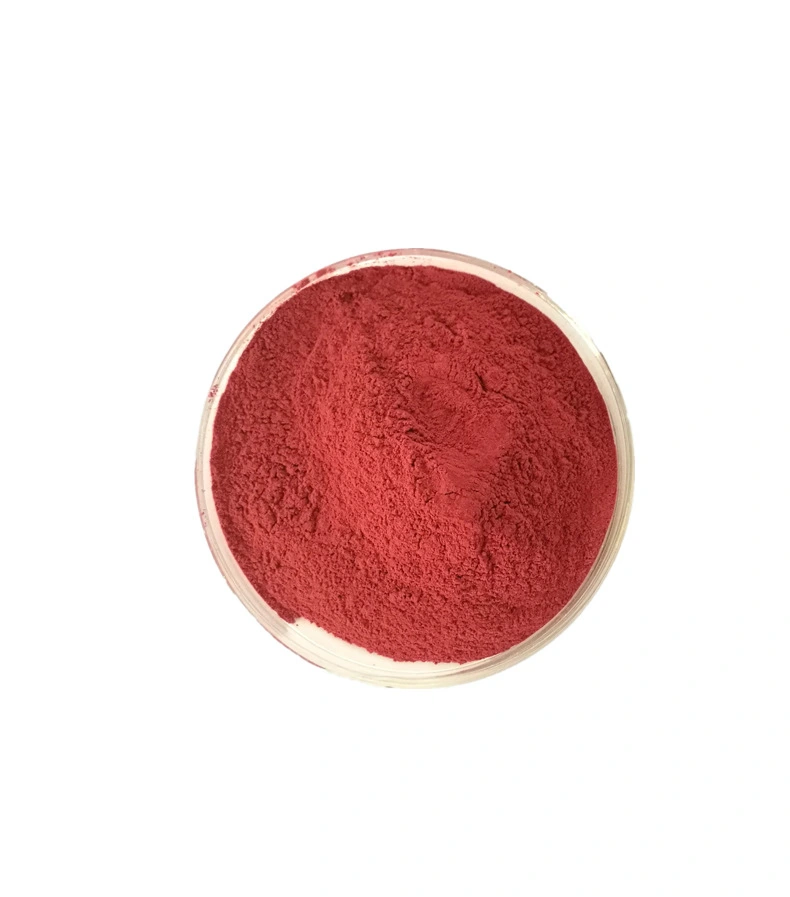
Purity: 1%-10%
Appearance: Dark red powder
CAS NO.: 472-61-7
Molecular Weight: 596.85
Molecular Formula: C40H52O4
MOQ: 500G-1KG
Inventory: in stock
Our Advantages: Scalable production capacity, strict quality control, cost efficiency from integrated factories, over 20 years of experience, advanced technology, and 24/7 after-sales support.
Certificaions: FSSC2000/ISO2000/HALAL/KOSHER/HACCP
Delivery terms: FedEx, DHL, EMS, UPS, TNT, all kinds of the airline, international shipping companies.
Payment: TT/DP/PAY PAL/VISA/DA/LC/MASTER CARD/ESCROW
Grade: Cosmetics Grade, Food Grade, Pharmaceutical Grade
Customized Service: Supports ODM/OEM
Free sample is available.
We do not sell retail quantities to individuals.
Understanding Astaxanthin Powder and Its Skincare Benefits
The skincare industry is turning to compounds with reliable clinical support and natural antioxidants are right at the core of this change. Astaxanthin is notable among them for the exceptional range of its preventive and regenerative benefits on skin — and for the volume of that data based on human trials rather than test-tube research alone.
The Science Behind Astaxanthin's Antioxidant Power
Astaxanthin (C40H52O4) is a naturally occurring keto-carotenoid pigment generated by the fresh water microalga Haematococcus pluvialis. It’s the lengthy chain of conjugated double bonds that makes it such an efficient free-radical scavenger: the molecule intercepts reactive oxygen species before they can destroy skin structures.
“What makes astaxanthin really unique compared to most antioxidants is where it sits in the cell membrane. It has polar end groups that extend across the whole lipid bilayer . These attach to the outside and inner surfaces of the cell . This means it can protect both the water-facing and lipid-facing sides of skin cells – something water-soluble antioxidants like vitamin C can't accomplish alone.
This dual placement is one of the reasons researchers refer to astaxanthin as one of the strongest natural antioxidants discovered to date (Davinelli et al., 2018). The practical impact for skin is huge: UV exposure, pollution and regular metabolism cause oxidative stress, which is a major driver of premature ageing, and astaxanthin acts directly against that driver instead of treating its downstream symptoms.
Key Skincare Benefits for Product Development
For manufacturers, astaxanthin's commercial value concentrates in four areas.
- Anti-aging. By protecting collagen fibers from degradation and supporting the skin's own repair processes, astaxanthin helps reduce the appearance of fine lines and keeps skin smoother and more supple over time. Human trials combining oral and topical astaxanthin have reported measurable improvements in wrinkle depth and skin texture (Tominaga et al., 2012).
- Barrier support and hydration. Astaxanthin helps maintain the skin barrier, which in turn supports normal moisture retention — a benefit relevant to moisturizers, essences, and treatment formats alike.
- Photoprotection. As a complement to sunscreen, astaxanthin adds an inner layer of defense against UV-induced damage. A randomized, double-blind, placebo-controlled trial found that daily astaxanthin supplementation reduced markers of UV-related skin deterioration in healthy participants (Ito et al., 2018).
- Natural color as branding. Its vivid red-orange pigment is visible evidence of the active inside — a visual cue premium brands use on the shelf and in marketing imagery.
Cellular Mechanisms and Skin Protection
Astaxanthin functions via three primary mechanisms in the cell. First, it directly scavenges reactive oxygen species (ROS) by breaking the oxidative chain reactions that damage cell structures. Secondly, it has photoprotective action, which means it lessens the impact of UV radiation on skin cells, which is why it is positioned alongside – not instead of – UV filters in sun-care solutions. Thirdly, it assists the normal cell turnover of the skin by reducing chronic oxidative stress, i.e. tiny damage is fixed more effectively.
This makes astaxanthin suitable for solutions that address numerous ageing problems at once, including as dullness, loss of firmness and susceptibility to environmental stress for formulators. One ingredient, several claim angles – a remarkable economy in premium composition.
Optimal Usage and Dosage Guidelines for Skincare Applications
When you’re creating a successful astaxanthin product, it’s less about the astaxanthin ingredient itself, and more about how it’s given. Astaxanthin is oil soluble and prone to oxidation, therefore the choice of base, packaging and processing temperature significantly determines whether the final product remains powerful during its shelf life.
Formulation Types and Delivery Systems
- Creams and emulsions are the workhorse format. Being lipophilic, astaxanthin incorporates readily into the oil phase, where emulsifiers keep it stable and support absorption into the skin.
- Serums allow higher active loads in a lighter texture that consumers prefer for daily use. The trade-off is stability: astaxanthin serums benefit from airless or UV-protective packaging that limits oxygen and light exposure.
- Masks: sheet masks and clay-based formats alike — suit intensive treatment positioning. They allow short-contact, higher-concentration use and open a path into spa channels and at-home boost routines.
The unifying denominator in all three types is to shield the active from heat, light and oxygen throughout manufacture and storage. Skip that discipline and the red disappears, so do the boasts on the package.
Recommended Concentration Ranges
Most cosmetic formulations use astaxanthin at 0.01% to 0.5%, and the right choice depends on the product's positioning.
- 0.01%–0.1%: daily-use creams and lotions — gentle antioxidant protection, suitable for sensitive skin, with minimal color impact.
- 0.1%–0.5%: premium anti-aging serums and treatments — the range where wrinkle and elasticity benefits are emphasized most.
- Above 0.5%: reserved for professional or intensive treatment products. At higher loads, cost, stability, and the intensity of the natural red pigment all become limiting factors, so this territory requires careful formulation work.
One of the things buyers should clarify with suppliers: Find out what the percentage truly means. Astaxanthin Powder grades are offered with varied levels of stated content, and the same number may indicate different things, depending on whether it is total carotenoids or pure astaxanthin certified by HPLC.
Application Timing and Ingredient Synergy
Timing has an effect on product line marketing. Morning antioxidants pitch a product as everyday protection from UV and pollution; nite usage links it to the skin’s natural healing cycle. Many companies develop AM-protect/PM-repair pairings, and astaxanthin suits both sides of that framework.
Pairing astaxanthin with the right co-ingredients amplifies its benefits:
- Vitamin E stabilizes astaxanthin and contributes its own antioxidant activity.
- Peptides combined with astaxanthin support collagen-related claims from two directions — protection and signaling.
- Hyaluronic acid pairs with astaxanthin for hydration-plus-protection systems that serve a broad customer base.
Procuring High-Quality Astaxanthin Powder: B2B Buyer's Guide
Sourcing decisions affect cost, quality consistency, and supply stability all at once. A structured procurement process should cover three areas: verification, sustainability, and economics.
Quality Verification and Certification Standards
Before committing to a supplier, verify the following:
- Certifications: ISO quality management systems and GMP-compliant production indicate a controlled, repeatable manufacturing process.
- Certificate of Analysis (CoA): every batch should come with HPLC-verified potency plus testing for heavy metals, microbiological counts, and solvent residues.
- Batch consistency: ask for CoAs across several production batches to confirm the numbers hold over time — not just on the golden sample.
- Traceability: documentation from cultivation through extraction to final Astaxanthin Powder supports both regulatory compliance and the claims you make in marketing.
Suppliers who volunteer this documentation rather than producing it under pressure are signaling a quality culture that protects your brand downstream.
Sustainable Sourcing and Supply Chain Management
In cosmetics, environmental concern increasingly has direct commercial weight. Astaxanthin from regulated microalgae production is by nature renewable, but responsible sourcing is more than that: a transparent chain that tracks material from cultivation to final processing and documentation that supports both regulatory requirements and sustainability claims. Early buyer audits of this chain prevent later compliance surprises and reputational damage — and get claims material competitor goods can’t match.
Economic Considerations and Volume Purchasing
Price depends on astaxanthin concentration, manufacturing process and quantity of order. Bulk agreements tend to reduce per-unit costs while securing supplies for ongoing manufacturing, but the least expensive grade is seldom the best option when a quality product is the aim. By working with a direct factory supplier like Jiayuan Bio-Tech you also eliminate a layer of trading-company margins that show up in your final unit economics.
There are two practical aspects worth mentioning. First, lead times: Scheduling planning orders to fit production timelines eliminates both stockouts and rush premium freight. Second, the availability of raw material may vary with the seasons, hence a buffer stock or a certified second source secures the production calendar.
Real-World Implementation and Case Studies for Skincare Products
Formulation discipline is the link between a potential ingredient and a winning product. The patterns below are typical of brands that have had successful astaxanthin launches.
Successful Brand Applications and Market Performance
Premium skincare manufacturers have developed whole anti-aging ranges based on astaxanthin – often a serum and cream combination – and the market response has confirmed the positioning. Products that visibly alter texture and tone have excellent repeat purchase rates, which in turn justify premium pricing.
The clinical literature supports the assertions. In trials and meta-analyses, skin elasticity and hydration have improved, with participants reporting less fine wrinkles and a better overall look (Tominaga et al., 2012; Ng et al., 2020). Brands that focus their marketing on this data foundation – not broad antioxidant verbiage – regularly perform better in both conversion and press attention.
Formulation Chemistry Insights and Technical Solutions
A handful of technical variables decide whether astaxanthin survives the production process with its potency intact:
- pH control keeps the active stable and skin-compatible.
- Temperature discipline: astaxanthin degrades under heat, so cold-process or low-temperature manufacturing protects potency.
- Dispersion: proper mixing ensures even distribution of both pigment and active — uneven dispersion shows up as visible streaks of color.
- Co-antioxidants such as vitamin E extend shelf life of the finished product.
- Color strategy: the natural red-orange shade can be embraced as part of the product's visual identity — proof of the active inside — or softened within the formula. Deciding this early prevents expensive reformulation later.
Emerging Trends and Future Applications
The next generation of astaxanthin products will be powered by two trends. Nanoencapsulation and other innovative delivery technologies enhance penetration and stability, thus lesser dosages may be just as effective. At the same time, the growing trend for customised skincare has created a desire for compounds that can be tailored to diverse skin profiles in varying concentrations and forms – a perfect match for an ingredient with a broad and well-established safety profile. The need for natural antioxidants continues to rise, and astaxanthin is right in the middle of that development path.
Conclusion
Astaxanthin Powder gives skincare brands a unique opportunity: a naturally sourced antioxidant with solid clinical proof, well-defined formulation routes in creams, serums and masks, and an ever-increasing level of consumer awareness. Success is the basics - proven quality, right dosage and rigorous composition. Brands who get them right are building on an ingredient that continues to develop stronger on the science side and on the market demand side in tandem.
FAQ
1. Is astaxanthin powder safe for all skin types?
Clinical research supports astaxanthin's safety across a wide range of skin types, and at typical cosmetic concentrations it is generally well tolerated, including by sensitive skin. As with any active, people with known carotenoid allergies should patch-test first, and finished products should undergo dermatological testing before launch.
2. How does astaxanthin potency affect product performance?
Potency is the foundation of performance. Verified, high-purity astaxanthin powder delivers the antioxidant activity your label claims, while degraded or under-dosed material simply will not produce visible results. This is why HPLC-verified potency on every batch matters: it guarantees the concentration you specified is the concentration that reaches the consumer.
3. Can astaxanthin be safely combined with other active ingredients?
Yes — astaxanthin is known for playing well with others. Vitamins C and E, peptides, and hyaluronic acid all combine effectively with it, and several pairings are synergistic. The main caution is ordinary formulation chemistry: verify pH compatibility and stability of the complete formula, which your supplier's technical team can help confirm.
Partner with Jiayuan Bio-Tech for Premium Astaxanthin Powder Supply
Jiayuan Bio-Tech supplies Astaxanthin Powder sourced from certified microalgae cultivation, with pharmaceutical-grade quality control and comprehensive testing protocols that exceed standard industry requirements. Our production runs on two GMP-certified lines backed by ISO, SGS, and HALAL certifications — a quality foundation that global skincare manufacturers rely on for batch-to-batch consistency.
We also handle the practical side of procurement: complete supply chain support including customs clearance services, and competitive factory-direct pricing. Whether you are developing your first astaxanthin serum or scaling an established line, our technical team will discuss your specifications and provide a customized quotation.
Contact us at sales@jayuanbio.com or sales1@jayuanbio.com to start the conversation about your astaxanthin powder requirements.
References
1. Davinelli, S., et al. "Astaxanthin in Skin Health, Repair, and Disease: A Comprehensive Review." Nutrients, vol. 10, no. 4, 2018, pp. 522-540.
2. Ito, N., et al. "The Protective Role of Astaxanthin for UV-Induced Skin Deterioration in Healthy People—A Randomized, Double-Blind, Placebo-Controlled Trial." Nutrients, vol. 10, no. 7, 2018, pp. 817-832.
3. Camera, E., et al. "Astaxanthin, Canthaxanthin and β-Carotene Differently Affect UVA-Induced Oxidative Damage and Expression of Oxidative Stress-Responsive Enzymes." Experimental Dermatology, vol. 18, no. 3, 2009, pp. 222-231.
4. Tominaga, K., et al. "Cosmetic Benefits of Astaxanthin on Humans Subjects." Acta Biochimica Polonica, vol. 59, no. 1, 2012, pp. 43-47.
5. Ng, Q.X., et al. "A Meta-Analysis of the Use of Oral Astaxanthin for Skin Health and Anti-Aging Effects." Journal of Cosmetic Dermatology, vol. 19, no. 4, 2020, pp. 836-843.
6. Kidd, P.M. "Astaxanthin, Cell Membrane Nutrient with Diverse Clinical Benefits and Anti-Aging Potential." Alternative Medicine Review, vol. 16, no. 4, 2011, pp. 355-364.