
Astaxanthin Powder Supplement Guide: What You Must Know
Astaxanthin Powder has become one of the most important natural antioxidants in the supplement field. This keto-carotenoid, frequently termed the “King of Carotenoids,” comes from the microalgae Haematococcus pluvialis and has antioxidant potency that is nearly 6,000 times more than vitamin C. For nutraceuticals, cosmeceuticals and functional beverage makers, the component important for two reasons: it delivers verifiable health benefits, and it functions dependably in formulation when acquired appropriately. If you're a product developer, formulator, or procurement manager looking at astaxanthin powder suppliers, this article guides you through everything you truly need to know - from vetting quality to picking a source - so you can add the ingredient to your product line with confidence.
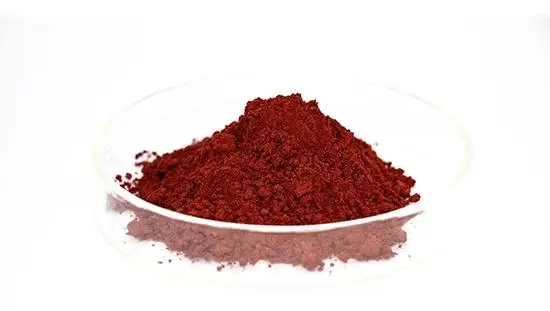
Purity: 1%-10%
Appearance: Dark red powder
CAS NO.: 472-61-7
Molecular Weight: 596.85
Molecular Formula: C40H52O4
MOQ: 500G-1KG
Inventory: in stock
Our Advantages: Scalable production capacity, strict quality control, cost efficiency from integrated factories, over 20 years of experience, advanced technology, and 24/7 after-sales support.
Certificaions: FSSC2000/ISO2000/HALAL/KOSHER/HACCP
Delivery terms: FedEx, DHL, EMS, UPS, TNT, all kinds of the airline, international shipping companies.
Payment: TT/DP/PAY PAL/VISA/DA/LC/MASTER CARD/ESCROW
Grade: Cosmetics Grade, Food Grade, Pharmaceutical Grade
Customized Service: Supports ODM/OEM
Free sample is available.
We do not sell retail quantities to individuals.
What is Astaxanthin Powder and Why It Matters?
Astaxanthin Powder is said to be the most powerful plant-based antioxidant accessible to supplement producers today. Commercial manufacture involves growing microalgae Haematococcus pluvialis under controlled conditions. This pigment gets its unique deep red colour and its molecular formula, C40H52O4. The same substance is also naturally present in seafood such as salmon and prawns but the cultivation of algae gives a steady, scalable supply that cannot match wild collection. For the customer, the practical problem is to determine the difference between real astaxanthin and inferior or contaminated material – a difference that matters both for product effectiveness and regulatory compliance.
The Science Behind Superior Antioxidant Performance
The power of astaxanthin as an antioxidant comes from its molecular makeup. The molecule has a chain of conjugated double bonds that allows it to quench free radicals with an extraordinary efficiency of around 6,000 times the activity of vitamin C and 100 times that of vitamin E in laboratory models. Astaxanthin has a double-action effect as it penetrates the cell membrane and simultaneously protects both the water-soluble and fat-soluble areas of the cell. Natural astaxanthin from Haematococcus pluvialis is mostly the 3S,3'S stereoisomer, the type the human body most easily recognises. Synthetic versions have a mixture of isomers, which is one reason formulators frequently choose natural sources. The algal matrix also contains trace carotenoids such as lutein and beta-carotene, which have a synergistic impact and further enhance antioxidant effectiveness.
Applications Across Health and Wellness Sectors
The powder format solves two problems that have dogged antioxidant formulations: stability and flexibility. Raw astaxanthin is sensitive to light, heat and oxygen and rapidly degrades. Microencapsulation ensures the active chemical is stable throughout handling, storage and final manufacture. That stability gives it a broad range of uses, from eye health supplements to sports nutrition to anti-aging skincare. Clinical research has linked astaxanthin to cardiovascular support, immune function, and faster recovery after exercise. With a growing body of evidence behind it, astaxanthin powder has become a staple ingredient in the fast-expanding functional food market.
Comparing Astaxanthin Powder with Alternative Supplements
Astaxanthin Powder is unique in potency, stability and application range compared with beta-carotene, spirulina and vitamin E complexes. Understanding these distinctions enables procurement teams to pick the correct antioxidant for each product—and offers final items a clearer point of differentiation.
Superior Antioxidant Potency and Stability
Beta-carotene is often included in multivitamin formulae, however it has nothing near the antioxidant capacity of astaxanthin. In laboratory testing, astaxanthin quenches singlet oxygen around 40 times better than beta-carotene. That potency translates straight into reduced inclusion rates: producers obtain the antioxidant activity they require from less raw material, saving both the formula and the bottom line. Spirulina is another popular natural source, providing a comprehensive nutritional profile, but a significantly weaker antioxidant impact. Where a product is targeted toward a particular purpose – eye health, exercise recovery – the focused activity of astaxanthin delivers more predictable, measurable outcomes than the overall nutrition of spirulina.
Natural versus Synthetic Sourcing Considerations
Natural astaxanthin from grown microalgae is more expensive than synthetic material, but the premium is worth it for true formulation benefits. The 3S,3’S stereoisomer is available from natural sources as its physiologically preferred form, and clinical tests demonstrate higher absorption and effectiveness than manufactured mixes. Natural astaxanthin also fits with the clean-label movement, an increasing need in luxury nutrition and cosmetics. Synthetic astaxanthin is cheaper, and simpler to get in bulk . This makes it ideal for high-output applications where cost is more important than bioavailability . Third-party lab results should be included of any review, and synthetic buyers must verify the isomer ratios and check that chemical synthesis leftovers are not present.
Powder Format Advantages for Manufacturing
The powder form is more versatile than oil-based extracts and pre-made softgel. Astaxanthin Powder mixes clean into capsules, tablets and dry-mix drinks and dosage in a dry form is far more controllable than measuring oils. Uniform blending guarantees every batch is hitting the labelled potency, which is important for both regulatory compliance and customer confidence. For producers the combination of dosage accuracy and formulation versatility that exists with powders is impossible to match with liquid or encapsulated forms.
How to Procure High-Quality Astaxanthin Powder for Your Business?
The first step to finding high-quality Astaxanthin Powder is a systematic look at the provider, not the price list. The proper partner has proven quality processes, regulatory compliance and manufacturing capability appropriate to your demand. This section examines the tests that distinguish the reliable vendors from those that only appear good on paper.
Essential Quality Certifications and Testing Standards
Good suppliers have quality programs that exceed the minimums required by regulation. Look for certifications like USDA Organic (or a comparable regional standard), non-GMO verification, and Good Manufacturing Practice (GMP) compliance. But certificates are not enough, ask for lab data at the batch level. Standard testing includes heavy metals, microbiological safety, residual solvents and purity by HPLC Every batch is provided with a Certificate of Analysis (COA) that validates these specifications, offering you traceability from raw material to completed products. More advanced vendors additionally conduct a filter paper residue study, an additional step that shows cleaner processing and greater elimination of handling contaminants. For crucial orders, an on-site audit or video tour of the manufacturing plant is an acceptable request; serious manufacturers would welcome the inspection.
Supplier Evaluation and Geographic Considerations
A few locations, including the United States (Alaska is a major center), sections of Europe and Asia, dominate astaxanthin production. Each area makes its own trade-offs in terms of quality, cost and delivery. Local suppliers usually have shorter lead times and are easier to align with regulations, however offshore suppliers generally win on unit cost for big purchases. When considering a contender, consider the applicant’s manufacturing capacity, quality control systems, compliance history and quality of technical assistance. Established manufacturers with years of production data may help with stability testing, provide formulation advice and create unique concentrations, a level of assistance that is difficult to get from a pure trading house.
Pricing Structure and Supply Chain Management
The price of Astaxanthin Powder varies with its concentration, the quality of its source and the quantity you purchase. The standard products are 2% to 10% astaxanthin, with premium pricing for the higher-potency grades. Bulk buying cuts down the per-unit cost and offers inventory assurance for planning manufacturing runs. Think about minimum order quantities, lead times, storage conditions and transportation needs on the supplier side. Astaxanthin is sensitive to light, heat and moisture, thus packing and handling techniques during transport and storage are not optional. They maintain the efficacy you paid for.
Best Practices for Using Astaxanthin Powder in Product Formulation
Getting Astaxanthin Powder into a finished product involves three decisions that shape both efficacy and customer satisfaction: the dosage, the delivery system, and ingredient compatibility. Each one deserves attention before you commit to a formula.
Optimal Dosage Ranges and Bioavailability Enhancement
For general antioxidant support, human studies suggest 4 – 12 mg per day, with greater amounts used for specialised aims. For example, sports nutrition formulae may include 8–16 mg per serving to aid recovery and lower oxidative stress after training, while eye health products usually combine 4–8 mg of astaxanthin with lutein and zeaxanthin. This is where formulation becomes interesting - astaxanthin is fat-soluble, so mixing it with fatty carriers boosts absorption. So bioavailability. Microencapsulated powders that withstand transit through the digestive system perform well, as do absorption enhancers such as piperine or phospholipids. Such techniques increase expense, but they also make the active ingredient demonstrably more effective – generally a reasonable exchange in a premium positioning.
Stability and Storage Protocols
Astaxanthin, carefully handled and maintained, maintains its power throughout the shelf life of the product. There are three adversaries - light, heat and oxygen, all accelerating deterioration, thus the completed goods require packing and storage conditions that exclude all three. Microencapsulated powders are more stable than raw extracts and sustain action longer under regulated storage conditions. Do compatibility testing on the active ingredient, excipients and packaging materials before signing off on a final recipe; interactions here discreetly reduce shelf life. Then accelerated stability testing will inform you how the completed items will behave over time and what expiration date you can honestly claim.
Safety Considerations and Quality Assurance
Astaxanthin Powder has an excellent safety profile according to clinical studies. No major side effects have been recorded in human studies at above dosages [1]. Formulators should continue to note any interactions with blood-thinning drugs and ensure labelling bears the correct advice. Quality assurance is only a basic loop: you test your incoming raw materials, you watch the manufacturing in progress, and you validate the completed items before release. These requirements are also periodically verified by supplier audits and routine inspection of certificates of analysis over the life of the supply agreement.
Making the Right Choice: Astaxanthin Powder for Your Business Needs
The proper grade of Astaxanthin Powder is the one that meets three things: your product positioning, your target market expectation and your own manufacturing skills. Align it correctly and the ingredient becomes a real differentiator. Get it incorrectly, even if the raw material is superb, and you will underperform in the market.
Market Segment Alignment and Customization Strategies
Each market segment demands a different grade. The nutrition sector wants high-potency material backed by clinical evidence—premium consumers pay for proof, and a capsule or tablet claim needs solid data behind it. Cosmetics formulators prioritize stability and compatibility with complicated emulsion systems. This is why skin-specific astaxanthin powders are formulated with precise particle sizes and carriers to release uniformly in serums or creams. Functional food and beverage businesses, however, often use water-soluble grades that preserve the clarity and neutral taste of the final product, whether it is packaged as a ready-to-drink bottle or a stick-pack powder. Top suppliers will tailor particle size, delivery mechanism and concentration to the application – a level of service that elevates commodity buy to formulation collaboration.
Case Studies and Industry Success Examples
Successful goods follow the same pattern. Astaxanthin formulations are the real deal as opposed to manufactured antioxidants, and their premium price is justified by the health benefits shown, marketed by high-end supplement companies. Sports nutrition businesses use astaxanthin’s recovery properties to stand out in a competitive industry, commonly combining it with protein and electrolytes in post-workout mixes. You’ll see it in anti-aging skincare brands, where it’s used for UV protection and collagen preservation, two promises people get right away. What they have in common is that, in each case, the brand picked astaxanthin for a particular, verifiable benefit, not as a general antioxidant filler.
Future Industry Trends and Growth Opportunities
The potential of astaxanthin for brain health, immunological support and digestive health is still being explored, but the promise there might open up a whole new product category. Delivery technology is also progressing: improved encapsulation techniques and innovative carriers continue to push up bioavailability and formulation freedom. “Demand for high-end astaxanthin products is likely to continue to grow as consumers lean toward natural ingredients backed by science. The bottom line for manufacturers is simple: create solid supplier connections now, study how the ingredient acts in your formulae and you will be ready when the next wave of applications comes.
Conclusion
Astaxanthin Powder is a must-have for any product line based on scientifically proven, high quality ingredients. In this article we have addressed the basics of why it is better than other antioxidants, how to check quality in sourcing and how to utilise it successfully in formulation. It is a robust, flexible element with a strong base of research and that is why it continues turning up in successful products in nutrition, cosmetics and functional meals. Your supply partner is the last variable. Choose a provider that demands high levels of quality and provides you genuine formulation assistance and astaxanthin powder will do what it does best – make your product noticeably better.
FAQ
1. What makes astaxanthin powder superior to other antioxidant ingredients?
Astaxanthin Powder shows antioxidant activity roughly 6,000 times stronger than vitamin C and 100 times more potent than vitamin E in laboratory models. Its molecular structure lets it span cell membranes and protect both water-soluble and fat-soluble regions simultaneously, giving it broader free-radical defense than antioxidants that work through a single mechanism.
2. How should astaxanthin powder be stored to maintain potency?
Keep it in sealed containers, away from light, heat, and moisture, ideally below 25°C. Microencapsulated forms are more stable than raw extracts, and stored as directed they retain potency for the product's full shelf life.
3. What concentration levels are available for different applications?
Most Astaxanthin Powder products fall in the 2%–10% active range. Lower concentrations suit cost-sensitive applications, while higher concentrations enable precise dosing in premium formulas. Custom concentrations can be produced to match a specific recipe.
Partner with Jiayuan Bio-Tech for Premium Astaxanthin Powder Supply
Jiayuan Bio-Tech supplies astaxanthin powder that meets or exceeds pharmaceutical-grade standards. Every batch is tested for heavy metals, microbial contamination, and residual solvents, with results kept within strict regulatory limits. Advanced filter paper residue analysis confirms a higher level of purity than competing products, which means more active antioxidants and stronger free-radical scavenging in your formula. Our ISO- and GMP-certified production facilities deliver consistent quality order after order, and our technical team can help you develop a formulation tailored to your product. Factory-direct pricing and free shipping keep your landed cost competitive. Minimum order quantities typically range from 1 to 25 kilograms for initial orders; established relationships may allow smaller trial quantities for product development, while bulk orders unlock the best per-unit economics for commercial production. Contact us at sales@jayuanbio.com or sales1@jayuanbio.com to discuss your Astaxanthin Powder requirements.
References
1. Ambati, R.R., Phang, S.M., Ravi, S., & Aswathanarayana, R.G. (2014). Astaxanthin: Sources, extraction, stability, biological activities and its commercial applications. Marine Drugs, 12(1), 128-152.
2. Capelli, B., Bagchi, D., & Cysewski, G.R. (2013). Synthetic astaxanthin is significantly inferior to algal-based astaxanthin as an antioxidant and may not be suitable as a human nutraceutical supplement. Nutrafoods, 12(4), 145-152.
3. Fakhri, S., Aneva, I.Y., Farzaei, M.H., & Sobarzo-Sánchez, E. (2019). The neuroprotective effects of astaxanthin: Therapeutic targets and clinical perspective. Molecules, 24(14), 2640.
4. Guerin, M., Huntley, M.E., & Olaizola, M. (2003). Haematococcus astaxanthin: Applications for human health and nutrition. Trends in Biotechnology, 21(5), 210-216.
5. Higuera-Ciapara, I., Félix-Valenzuela, L., & Goycoolea, F.M. (2006). Astaxanthin: A review of its chemistry and applications. Critical Reviews in Food Science and Nutrition, 46(2), 185-196.
6. Yuan, J.P., Peng, J., Yin, K., & Wang, J.H. (2011). Potential health-promoting effects of astaxanthin: A high-value carotenoid mostly from microalgae. Molecular Nutrition & Food Research, 55(1), 150-165.