Astaxanthin Powder Benefits for Skin: What to Expect
Astaxanthin Powder, meantime, has quietly evolved from a niche antioxidant to a headline ingredient in luxury skincare – and for good cause. The keto-carotenoid is derived from the microalgae Haematococcus pluvialis, stabilised using current microencapsulation, and benefits the three things that every anti-aging treatment promises: elasticity, hydration, and protection from environmental stress. The real world challenge is not if astaxanthin works but how to acquire it and in what format without the quality shocks. This book outlines what the clinical data really states, how to manufacture using the powder format and the difference between pharmaceutical grade supply and commodity material - with annotations from our own manufacturing experience at Jiayuan Bio-Tech.
Purity: 1%-10%
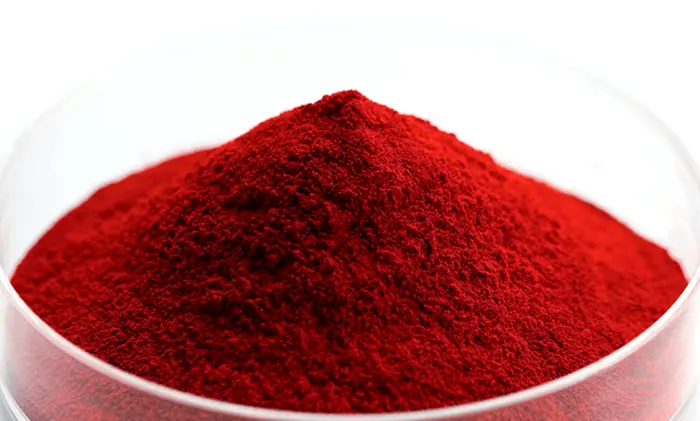
Appearance: Dark red powder
CAS NO.: 472-61-7
Molecular Weight: 596.85
Molecular Formula: C40H52O4
MOQ: 500G-1KG
Inventory: in stock
Our Advantages: Scalable production capacity, strict quality control, cost efficiency from integrated factories, over 20 years of experience, advanced technology, and 24/7 after-sales support.
Certificaions: FSSC2000/ISO2000/HALAL/KOSHER/HACCP
Delivery terms: FedEx, DHL, EMS, UPS, TNT, all kinds of the airline, international shipping companies.
Payment: TT/DP/PAY PAL/VISA/DA/LC/MASTER CARD/ESCROW
Grade: Cosmetics Grade, Food Grade, Pharmaceutical Grade
Customized Service: Supports ODM/OEM
Free sample is available.
We do not sell retail quantities to individuals.
Understanding Astaxanthin Powder and Its Role in Skin Health
What Makes Astaxanthin Powder Unique
Astaxanthin (3,3'-dihydroxy-beta,beta-carotene-4,4'-dione) is a lipid soluble carotenoid with a structure that performs something that few antioxidants do. The polar hydroxyl and ketone groups are anchored at the two ends of the cell membrane and the lengthy nonpolar chain is embedded in the lipid core, such that a single molecule neutralises free radicals on the inner and outer surfaces of the membrane simultaneously. Vitamin C is active in the aqueous phase whereas vitamin E is active in the membrane. Astaxanthin addresses both at once – the primary structural basis for its distinct behaviour from other antioxidants in skin applications.
Source and Ways of Making
Still, for commercial production, H. pluvialis is the obvious source of choice. The microalga develops astaxanthin as a protective pigment under environmental stress such as high light and carefully managed culture drives astaxanthin concentration to several percent of the dry biomass. Jiayuan Bio-Tech extracts the oleoresin using supercritical CO2. As CO2 is the sole extraction medium there are no residues of organic solvents to be removed afterward and the low temperature procedure retains the delicate conjugated structure of the molecule. The lipophilic oleoresin is subsequently microencapsulated with food-grade carriers such modified starch or gum arabic and transformed into a stable, free-flowing powder that may fulfil a variety of industrial requirements. Routine QC shows consistently low filter paper residue values - a tangible evidence that extraction and encapsulation is clean. The formulators will pay for cleaner material since it is more predictable in the formulation.
Antioxidant Strength
In vitro experiments have shown that astaxanthin is 6,000 times more efficient than vitamin C and 100 times more effective than vitamin E in quenching singlet oxygen. Those numbers may be used as benchmarks in the lab, not marketing multipliers. But even a cautious reading shows the potency differential is genuine, and derives from the lengthy conjugated double-bond structure that effectively absorbs and neutralises reactive oxygen species. For skin, this matters most in two processes: defense against UV-induced oxidative damage and inhibition of lipid peroxidation in the barrier, a primary driver of premature aging. For purchasing teams, the practical translation is simple: less astaxanthin by weight is needed to reach the same antioxidant endpoint, which changes both the cost sheet and the color intensity of the finished formula.
Proven Skin Benefits of Astaxanthin Powder
Anti-Aging and Wrinkle Reduction
There is more clinical literature here than with most cosmetic actives. In a human trial combining oral and topical astaxanthin (Tominaga et al., 2012), participants saw considerable improvement in wrinkle depth and crow’s feet. In another 12-week placebo controlled research (Yoon et al., 2014), face elasticity was enhanced and the expression of matrix metalloproteinase-1 and -12, the enzymes that breakdown collagen and elastin in the skin matrix, was decreased. The trick is the MMP mechanism. Astaxanthin also inhibits the enzyme route that degrades existing collagen, not only acting as a scavenger of radicals after damage has occurred. This enables marketing teams promises that can withstand regulatory scrutiny for premium anti-ageing lines on elderly skin.
Better barrier and hydration function
Astaxanthin takes on hydration on two fronts. It also protects the lipids in the stratum corneum from oxidative degradation and encourages the skin’s own generation of natural moisturising ingredients. This combination is reflected in clinical assessments by lower transepidermal water loss (TEWL) and greater surface hydration levels. The third advantage is its anti-inflammatory action. Barrier-repair solutions that include astaxanthin tend to be well tolerated by delicate skin, while stronger actives may irritate. This is where the ingredient earns its place in your portfolio if you have products for dry, stressed or compromised barriers.
Making collagen and elasticity
As well as preventing collagen degradation, astaxanthin seems to encourage new collagen production. Research suggests it encourages fibroblast activity, while protecting those same fibroblasts from oxidative stress – a balanced approach that works with the skin’s healing system, rather than pushing it, avoiding the irritating trade-offs commonly observed with aggressively stimulating chemicals. Mechanical elasticity testing, not just consumer perception research, may back up firmness claims in reality using pharmaceutical grade Astaxanthin Powder at effective doses.
Application and Dosage Guidelines for Optimal Skin Results
Formulation Considerations for Topical Products
Astaxanthin is most stable in anhydrous systems or emulsions held between pH 5.5 and 7.0. In water-based formulas, the microencapsulated powder still needs appropriate solubilizers and cautious dispersion to keep bioavailable . Poor dispersion is a typical reason a recipe under performs even with adequate raw material. Typical usage levels for topical application are 0.1% to 1.0%, depending on location and delivery mechanism. Intensive therapy serums are at the top of that range, while daily moisturisers utilise the lower end, often partnered with complimentary actives. The microencapsulated powder form obviously indicates better stability than oil suspensions. Finished products retain potency and colour during their shelf life and the tell-tale decline from deep red to light orange, the obvious indicator of oxidation and potency loss, is much longer to occur.
Dosage Guidelines and Timing
Results were typically obtained using procedures of twice-daily administration. Use it in the morning for antioxidant protection against the effects of daily UV and pollution, and at nite to assist your skin’s natural healing cycle. They strengthen the protective and corrective aspects of the action of the substance together. Common daily dosages in oral and sublingual supplement formulations with Astaxanthin Powder are from 4 mg to 12 mg with skin benefits shown from the lower end of that range and above. Microencapsulation enhances bioavailability, allowing formulators to attain goal endpoints at low dosages rather than over loading the formula.
Safety and Compatibility Things to Think About
Astaxanthin is compatible with most popular actives. The interaction with vitamin E is especially well known – tocopherol helps prolong the antioxidant activity of astaxanthin. It also works well with hyaluronic acid, niacinamide and peptides for multi-target anti-ageing solutions. There are minimal contraindications, the major concern being stability not safety, in high-acid or retinoid-heavy systems that need compatibility testing before to launch. On the supply side, check that your vendor’s paperwork includes heavy metals, microbiological and residual solvents against recognised limits. This shipment should be delivered by a pharmaceutical quality source without having to be asked twice.
Comparison to Other Astaxanthin Formats and Related Ingredients
Comparing Powder, Capsule, and Oil Forms
For the industrial customer, powder wins on almost all operational counts. It stores better than oil suspensions and stands up to manufacturing procedures, and the microencapsulation layer protects the active from oxidation – which is precisely what stops the colour drift from deep red to light orange that denotes potency loss. Capsules are fine for completed consumer supplements, but they are limiting for formulators. You can’t compress a capsule into a tablet or combine it into a beverage base. Astaxanthin Powder flows into tablet compression, capsule filling, and complex formulation systems without re-engineering. Water-dispersible grades extend this advantage into drinks and liquid supplements, where oil-based versions would separate or cloud the product.
Organic Versus Synthetic Quality Considerations
The natural astaxanthin in Haematococcus pluvialis is mostly in the form of the 3S,3’S stereoisomer, which research suggests is better used by the body. Synthetic synthesis results in a racemic mixture of stereoisomers and various studies reveal reduced biological activity from those mixed forms. Certification is where the market splits quickly: premium natural grades are becoming certified organic, verified non-GMO and GMP-compliant. Jiayuan Bio-Tech is ISO, SGS and HALAL certified so our material may be used in the pharmaceutical, cosmetic and nutraceutical sectors - especially the regulated ones where paperwork is what determines whether a cargo clears or stalls.
Performance Against Other Antioxidants
Astaxanthin has a particular benefit compared to other ingredients. Beta-carotene cannot compete with its singlet oxygen quenching rate and provides less membrane protection. Spirulina extracts include a wide range of chemicals but have far lower antioxidant density per gram than a normal astaxanthin preparation. One thing to remember is that ORAC scores alone might be misleading since they evaluate a different radical system than the singlet oxygen chemistry that is most important to skin. In the fairer comparison of singlet oxygen quenching and membrane protection, astaxanthin’s figures are worth the price. The downstream consequences are both economic and technical. Lower usage concentrations imply less colour intensity in the end product, allowing for lighter hues and more elegant textures than intensely pigmented antioxidant compositions permit.
Procuring Astaxanthin Powder: What B2B Buyers Should Know
Supplier Credentials and Certifications
Start with GMP, the foundation for pharmaceutical and cosmetic supplies, then verify ISO 9001 and any market-specific certification that fits your regulatory route. One stage of vigilance people sometimes skip: check the scope of the certificate, not simply that it exists. Some facilities do not certify the full operation but just one line of manufacturing. Request the full quality dossier, e.g.Certificate of Analysis,Heavy Metal Results,Microbiological Testing Methods,Stability Data and ask specific questions. The speed and completeness with which a supplier provides these records tells its own story, as well as the documents themselves.
Quality Parameters and Testing Standards
The pharmaceutical standard for pure grades is astaxanthin concentration of 98% or above by HPLC. Microencapsulated grades are standardised to a stated assay specific to the application. No matter what grade is bought, residual solvents, moisture content and microbiological should be checked using standardised procedures. The filter paper residue test is basic but is a surprisingly honest measure of overall process cleanliness – little residue is a reflection of tight control over both extraction and encapsulation. In high-end skin care, where purity drives both safety and effectiveness of end users, these differences are not theoretical. They show up in the completed product, batch upon batch.
Bulk Purchasing and Logistics
But the unit price is just half of the picture. Bulk buying will reduce the cost per kilogram but astaxanthin powder will only retain its specification if kept in a cold, dry and dark environment – thus match order amounts to your real production cycle rather than overstocking. “Logistics capability is a true differentiator between suppliers. We have connections with FedEx, DHL, EMS, UPS, and TNT, as well as customs paperwork help for shipments to Europe, North America and other locations, since overseas customers lose more profit on stopped shipments than they do on pricing deltas. If you are comparing bids, compare the landed cost and timetable, not the ex-works figure. Have a question regarding lead times, packing or documentation? Email sales@jayuanbio.com or sales1@jayuanbio.com - we respond sourcing queries regardless of whether a purchase follows.
Conclusion
Astaxanthin Powder has moved from trend to toolkit. For anti-aging, hydration and photoprotection, the clinical data is robust enough to justify product claims in regulated markets. Format is important – microencapsulated powder provides stability and formulation flexibility that oils and pre-encapsulated forms cannot – and supplier is more important yet, since discrepancies in purity immediately translate into end product outcomes. Get the application conditions right, from the pH window, to the concentration range, to compatibility testing, and astaxanthin gives you one of the greatest benefit-to-dose ratios on the skin care ingredient shelf.
FAQ
1. Is Astaxanthin Powder safe for all skin types?
Clinical research and safety testing to date report good tolerability across skin types, including sensitive and reactive skin, largely because of astaxanthin's anti-inflammatory profile. Its non-toxic character has been confirmed through repeated testing at pharmaceutical-grade purity levels. That said, professional practice still calls for standard patch testing of the finished formulation - as with any active - before wide commercial release.
2. When Buying Astaxanthin Powder, What Certifications Should I Look for?
Start with GMP compliance and ISO quality management standards, and add organic certification if you are sourcing natural Haematococcus-derived material. Depending on your target market, non-GMO, kosher, and halal certificates may also be required. Beyond certificates, every batch should arrive with a certificate of analysis plus heavy metal, microbiological, and residual solvent results - the paperwork that lets the batch into pharmaceutical and cosmetic supply chains.
3. How does Astaxanthin Powder stack up against other antioxidants used in medicines?
In laboratory comparisons, astaxanthin outperforms vitamin C and vitamin E in singlet oxygen quenching by one to three orders of magnitude, so equivalent protection requires a much smaller dose. Its molecular structure lets it protect the full depth of the cell membrane, not just one surface. It also stacks well with other antioxidants - vitamin E in particular - allowing formulators to build layered, multi-mechanism defense systems for advanced skin care applications.
Partner with a Trusted Astaxanthin Powder Supplier
Xi'an Jiayuan Bio-Tech supplies pharmaceutical-grade Astaxanthin Powder built for skin care applications. Supercritical CO2 extraction and microencapsulation deliver a clean assay - heavy metals, microbiology, and residual solvents consistently within strict limits, with filter paper residue results well below typical market levels. In practical terms, that means stronger antioxidant performance per gram and formulations that hit their targets at lower concentrations. We support beauty brands, pharmaceutical companies, and nutraceutical makers with bulk supply, custom formulations, and OEM processing tailored to your product roadmap. Ready to test the material yourself? Request samples, discuss specifications, or get bulk pricing by emailing sales@jayuanbio.com or sales1@jayuanbio.com - tell us your target application and volumes, and we will send a quotation together with the full quality dossier.
References
1. Tominaga K, Hongo N, Karato M, Yamashita E. Cosmetic benefits of astaxanthin on humans subjects. Acta Biochimica Polonica. 2012;59(1):43-47.
2. Davinelli S, Nielsen ME, Scapagnini G. Astaxanthin in Skin Health, Repair, and Disease: A Comprehensive Review. Nutrients. 2018;10(4):522.
3. Camera E, Mastrofrancesco A, Fabbri C, et al. Astaxanthin, canthaxanthin and β-carotene differently affect UVA-induced oxidative damage and expression of oxidative stress-responsive enzymes. Experimental Dermatology. 2009;18(3):222-231.
4. Saw CL, Yang AY, Guo Y, Kong AN. Astaxanthin and omega-3 fatty acids individually and in combination protect against oxidative stress via the Nrf2-ARE pathway. Food and Chemical Toxicology. 2013;62:869-875.
5. Yoshihisa Y, Andoh T, Matsunaga K, Rehman MU, Maoka T, Shimizu T. Efficacy of astaxanthin for the treatment of atopic dermatitis in a murine model. PLoS One. 2016;11(3):e0152288.
6. Yoon HS, Cho HH, Cho S, Lee SR, Shin MH, Chung JH. Supplementing with dietary astaxanthin combined with collagen hydrolysate improves facial elasticity and decreases matrix metalloproteinase-1 and -12 expression: a comparative study with placebo. Journal of Medicinal Food. 2014;17(7):810-816.