
Where to Buy Vegan-Friendly Astaxanthin Powder Raw Material?
Looking for reliable sources of vegan-friendly astaxanthin powder raw material? Your best bet lies with specialized manufacturers and verified suppliers who focus on marine algae-derived formulations. Xi'an Jiayuan Bio-Tech stands out as a leading provider, offering pharmaceutical-grade astaxanthin extracted from Haematococcus pluvialis algae. Their GMP-certified facilities ensure consistent quality while maintaining competitive pricing through direct factory supply chains.
The global advertising for common cancer prevention agents has seen exceptional development, with astaxanthin driving the charge as one of nature's most effective defensive compounds. Not at all like engineered choices, vegan-friendly astaxanthin powder determined from microalgae offers predominant bioavailability and improved restorative potential. This marine carotenoid conveys momentous benefits over pharmaceutical, corrective, and nutraceutical applications.
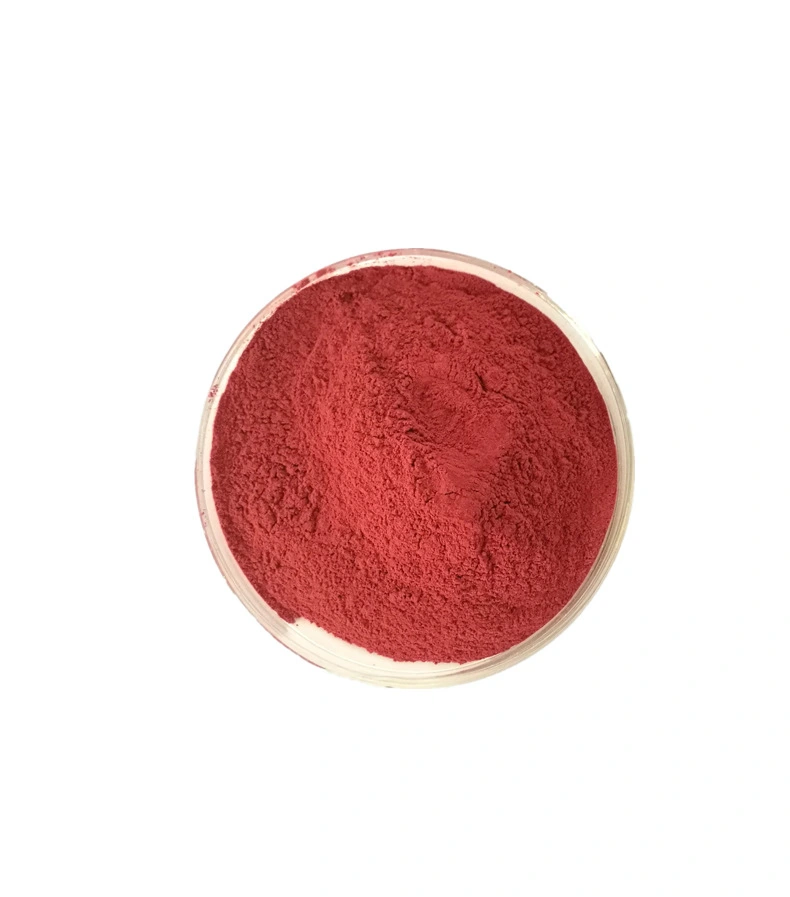
Purity: 1%-10%
Appearance: Dark red powder
CAS NO.: 472-61-7
Molecular Weight: 596.85
Molecular Formula: C40H52O4
MOQ: 500G-1KG
Inventory: in stock
Our Advantages: Scalable production capacity, strict quality control, cost efficiency from integrated factories, over 20 years of experience, advanced technology, and 24/7 after-sales support.
Certificaions: FSSC2000/ISO2000/HALAL/KOSHER/HACCP
Delivery terms: FedEx, DHL, EMS, UPS, TNT, all kinds of the airline, international shipping companies.
Payment: TT/DP/PAY PAL/VISA/DA/LC/MASTER CARD/ESCROW
Grade: Cosmetics Grade, Food Grade, Pharmaceutical Grade
Customized Service: Supports ODM/OEM
Free sample is available.
We do not sell retail quantities to individuals.
Understanding Astaxanthin: The King of Carotenoids
What Makes Astaxanthin Special?
Astaxanthin speaks to a breakthrough in common antioxidant innovation. This marine carotenoid gives the dynamic ruddy coloration found in salmon, shrimp, and lobster. In any case, vegan-friendly forms come solely from microalgae sources like Haematococcus pluvialis, making them reasonable for plant-based formulations.
The compound belongs to the carotenoid family but has one-of-a-kind atomic properties. Not at all like other cancer prevention agents, astaxanthin never gets to be a pro-oxidant under any circumstances. This steadiness makes it especially important for long-term supplementation and mechanical applications.
Health Benefits and Applications
Research illustrates astaxanthin's momentous anti-inflammatory properties and safe back capabilities. The compound crosses both the blood-brain obstruction and blood-retinal boundary, advertising special focal points for eye well-being and cognitive work. Competitors especially esteem astaxanthin for its capacity to decrease exercise-induced oxidative stress and make strides in recuperation times.
Skin well-being speaks to another essential application zone. Astaxanthin underpins collagen generation while ensuring against UV harm and untimely maturing. These properties make it priceless for corrective details and anti-aging supplements.
Global Market Dynamics and Supply Chain Analysis
Market Demand Across Industries
Pharmaceutical companies speak to the biggest customer fragment for high-quality astaxanthin powder. These organizations require standardized extricates, assembly, and strict administrative necessities. Clump consistency, overwhelming metal testing, and microbiological security take precedence over far-fetched considerations.
Cosmetic and skincare brands center on astaxanthin's defensive and regenerative properties. They look for details that mix consistently into creams, serums, and other topical applications. Color consistency and steadiness beneath different pH conditions have gotten to be significant factors.
Food and refreshment producers prioritize taste, lack of bias, and warm solidness. They join astaxanthin into useful nourishments, vitality drinks, and dietary bars. Administrative endorsement for nourishment applications changes by locale, impacting sourcing decisions.
Regional Supply Patterns
Asia Pacific overwhelms worldwide astaxanthin generation, with China driving fabricating capabilities. European markets emphasize natural certification and feasible sourcing. North American buyers regularly prioritize residential supply chains for administrative compliance advantages.
Supply imperatives sometimes affect estimating, especially amid top request seasons. Climate conditions influencing green growth development can cause brief deficiencies. Setting up connections with numerous qualified providers makes a difference in moderating these dangers.
Evaluating Different Sourcing Channels
Direct Manufacturer Relationships
| **Advantages** | **Disadvantages** |
|---|---|
| Lowest pricing through elimination of middlemen | Higher minimum order quantities |
| Direct quality control and technical support | Limited product variety from single source |
| Customization capabilities for specific applications | Extended lead times for specialized formulations |
| Long-term supply agreements and priority allocation | Language and time zone communication challenges |
B2B Trading Platforms
Online B2B platforms offer convenient access to multiple suppliers simultaneously. They provide comparison shopping capabilities and often include supplier verification services. However, quality consistency can vary significantly between different vendors on the same platform.
Payment protection services and dispute resolution mechanisms add security to transactions. Nevertheless, building direct relationships with suppliers often yields better long-term results than relying solely on platform intermediaries.
Regional Distributors and Importers
Local distributors understand regional regulatory requirements and can navigate import procedures efficiently. They maintain inventory for faster delivery and often provide smaller minimum order quantities. This convenience typically comes with higher per-unit costs compared to direct sourcing.
Established distributors offer valuable market insights and can recommend appropriate product specifications. They also handle customs clearance and local compliance issues, reducing administrative burden for buyers.
Quality Assessment and Supplier Verification
Critical Quality Parameters
Astaxanthin powder virtue levels regularly run from 1% to 10% in commercial powder definitions. Higher concentrations require more advanced extraction and stabilization methods. Overwhelming metals, microorganisms, and dissolvable buildups must stay inside strict compliance limits for pharmaceutical and nourishment applications.
Filter paper buildup testing uncovers extraction immaculateness and fabricating quality. Prevalent items appear to have negligible buildup, demonstrating compelling decontamination forms. This translates to more grounded antioxidant capacity and more compelling free radical rummaging abilities.
Supplier Evaluation Checklist
Verify fabricating certifications, including GMP, ISO, and important nourishment security measures. Ask for nitty-gritty certificates of examination for later generation clumps. Look at third-party testing reports for overwhelming metals, pesticides, and microbiological contamination.
Assess generation capacity and reinforcement fabricating capabilities. Explore supply chain unwavering quality and crude fabric sourcing. Assess specialized back capabilities and responsiveness to quality inquiries.
Review client references and case ponders from comparative applications. Look at bundling and capacity capabilities to guarantee item soundness amid transportation. Affirm accessibility of custom definitions and private labeling services.
Regulatory Compliance Considerations
Different districts keep up with shifting guidelines for astaxanthin powder supplements and nourishment-added substances. European markets require Novel Nourishment endorsement for certain applications. FDA directions in the United States classify astaxanthin as For the most part, recognized as secure (GRAS) for particular uses.
Documentation necessities incorporate certificates of beginning, phytosanitary certificates, and item determinations. A few applications require natural certification or kosher/halal compliance. Confirm that providers keep up suitable documentation for your target markets.
Practical Procurement Strategies
Minimum Order Quantities and Pricing
Typical MOQs extend from 25 kg for standard details to 500 kg for bulk pharmaceutical applications. Smaller amounts are accessible through merchants but command premium estimates. Volume rebates have gotten to be noteworthy at amounts surpassing 1,000 kg annually.
Pricing vacillates based on crude fabric costs, regular requests, and money trade rates. Long-term contracts can give cost solidness but require exact request estimating. Spot advertising buys offer adaptability but may result in higher costs amid top request periods.
Payment Terms and Risk Management
Standard installment terms incorporate a 30% progress installment with 70% against shipping records. Letters of credit give extra security for expensive orders but include keeping money costs. A few providers offer amplified installment terms for setup clients with solid credit histories.
Quality is ensured, and substitution arrangements guard against detail disappointments. The scope of protections for universal shipments ensures against misfortune or harm amid transportation. Money-supporting techniques can relieve trade rate dangers for repeating purchases.
Logistics and Delivery Considerations
Air cargo gives the speediest conveyance but increments costs essentially. Ocean cargo offers temperate transportation for bigger amounts with longer lead times. Express dispatch administrations work well for test amounts and critical little orders.
Cold chain necessities depend on item definition and goal climate. Appropriate bundling ensures against light presentation and dampness defilement. Temperature checking amid transportation guarantees item keenness upon arrival.
Common Pitfalls and How to Avoid Them
Quality Shortcuts and Hidden Costs
Some providers offer suspiciously low estimates by utilizing second-rate crude materials or insufficient preparation strategies. These items may fail quality testing or illustrate destitute steadiness characteristics. Continuously confirm third-party testing reports and ask for tests some time recently after putting in huge orders.
Hidden costs can incorporate traditional obligations, taking care of expenses, and capacity charges. Calculate these costs into the added-up fetched calculations when comparing providers. Get it in Incoterms clearly to maintain a strategic distance from unforeseen charges and obligation disputes.
Communication and Specification Misunderstandings
Technical determinations require exact communication to maintain a strategic distance from errors. Utilize standardized testing strategies and clearly characterize acknowledgment criteria. Set up quality understandings, laying out testing strategies and remedial activities for non-conforming products.
Cultural contrasts in commerce and homes can lead to misaligned desires. Construct connections continuously through little beginning orders. Keep up standard communication to address issues; some time recently they ended up with problems.
Conclusion
Sourcing vegan-friendly astaxanthin powder requires cautious assessment of provider capabilities, quality frameworks, and showcase elements. Coordinating connections with certified producers regularly gives the best combination of quality, estimating, and specialized bolster. In any case, the ideal sourcing procedure depends on your particular volume prerequisites, quality benchmarks, and advertising situation. Fruitful acquirement equalizations fetched contemplations with quality affirmation, building dependable supply chain associations for long-term commerce victory.
FAQ
1. What is the typical shelf life of astaxanthin powder?
Properly stored astaxanthin powder maintains potency for 24-36 months when kept in cool, dry conditions away from light. Esterified natural astaxanthin generally demonstrates superior stability compared to synthetic alternatives.
2. How do I verify the vegan status of astaxanthin products?
Vegan astaxanthin comes exclusively from microalgae sources like Haematococcus pluvialis. Request certificates confirming algae-based extraction and absence of animal-derived processing aids or encapsulation materials.
3. What minimum order quantities should I expect?
MOQs typically range from 25kg to 500kg depending on supplier and product specification. Smaller quantities are available through distributors at higher per-unit costs.
4. Are there seasonal pricing variations for astaxanthin?
Pricing can fluctuate based on algae harvest conditions and seasonal demand patterns. Peak demand typically occurs during spring months when supplement manufacturers prepare for summer sales cycles.
5. What testing should I request from suppliers?
Essential tests include astaxanthin content, heavy metals screening, microbiological analysis, and solvent residue testing. Request certificates of analysis for each batch and third-party verification reports.
Ready to Source Premium Astaxanthin Powder from a Trusted Manufacturer?
Jiayuan Bio-Tech delivers pharmaceutical-grade astaxanthin powder with guaranteed purity and competitive factory-direct pricing. Our GMP-certified production facilities and comprehensive quality testing ensure consistent results for your formulations. Contact our technical team at sales@jayuanbio.com or sales1@jayuanbio.com to discuss your specific requirements and receive detailed product specifications with pricing.
References
1. Ambati, R.R., Phang, S.M., Ravi, S., & Aswathanarayana, R.G. (2014). Astaxanthin: sources, extraction, stability, biological activities and its commercial applications. Marine Drugs, 12(1), 128-152.
2. Capelli, B., Bagchi, D., & Cysewski, G.R. (2013). Synthetic astaxanthin is significantly inferior to algal-based astaxanthin as an antioxidant and may not be suitable as a human nutraceutical supplement. Nutrafoods, 12(4), 145-152.
3. Guerin, M., Huntley, M.E., & Olaizola, M. (2003). Haematococcus astaxanthin: applications for human health and nutrition. Trends in Biotechnology, 21(5), 210-216.
4. Hussein, G., Sankawa, U., Goto, H., Matsumoto, K., & Watanabe, H. (2006). Astaxanthin, a carotenoid with potential in human health and nutrition. Journal of Natural Products, 69(3), 443-449.
5. Lorenz, R.T., & Cysewski, G.R. (2000). Commercial potential for Haematococcus microalgae as a natural source of astaxanthin. Trends in Biotechnology, 18(4), 160-167.
6. Yuan, J.P., Peng, J., Yin, K., & Wang, J.H. (2011). Potential health-promoting effects of astaxanthin: a high-value carotenoid mostly from microalgae. Molecular Nutrition & Food Research, 55(1), 150-165.