
Guide to Testing Purity of Bulk Astaxanthin Powder
Testing bulk astaxanthin powder purity requires a comprehensive approach involving multiple analytical methods to ensure product quality and safety. Professional laboratories employ spectroscopic analysis, chromatographic testing, and contamination screening to verify astaxanthin content, identify impurities, and confirm compliance with industry standards. These rigorous testing protocols help manufacturers, pharmaceutical companies, and supplement producers guarantee the authenticity and potency of their astaxanthin powder products before incorporating them into formulations.
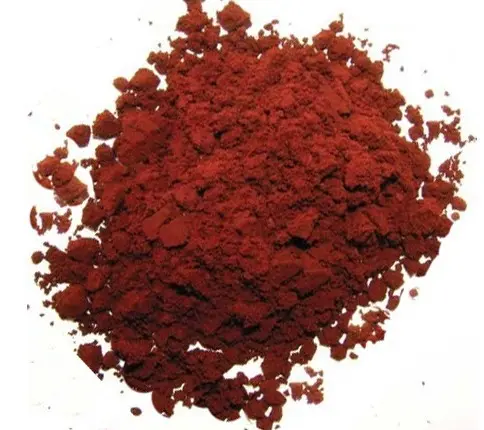
Purity: 1%-10%
Appearance: Dark red powder
CAS NO.: 472-61-7
Molecular Weight: 596.85
Molecular Formula: C40H52O4
MOQ: 500G-1KG
Inventory: in stock
Our Advantages: Scalable production capacity, strict quality control, cost efficiency from integrated factories, over 20 years of experience, advanced technology, and 24/7 after-sales support.
Certificaions: FSSC2000/ISO2000/HALAL/KOSHER/HACCP
Delivery terms: FedEx, DHL, EMS, UPS, TNT, all kinds of the airline, international shipping companies.
Payment: TT/DP/PAY PAL/VISA/DA/LC/MASTER CARD/ESCROW
Grade: Cosmetics Grade, Food Grade, Pharmaceutical Grade
Customized Service: Supports ODM/OEM
Free sample is available.
We do not sell retail quantities to individuals.
Understanding Astaxanthin Purity Standards
The immaculateness of astaxanthin supplements straightforwardly impacts their restorative adequacy and commercial esteem. High-quality astaxanthin powder ordinarily contains 95% or higher unadulterated compounds, with negligible defilement from overwhelming metals, microorganisms, or dissolvable buildups. Industry measures order particular immaculateness limits to guarantee shopper security and item effectiveness.
Pharmaceutical companies especially request exacting virtue prerequisites for astaxanthin antioxidant items. These organizations depend on standardized testing conventions to confirm that bulk materials meet administrative compliance sometime recently, fabricating solutions or helpful items. The characteristic pigment's solidness and bioavailability depend intensely on keeping up legitimate virtue levels all through the extraction and preparing stages.
Understanding these measures makes a difference in acquiring supervisors who assess providers and make educated acquisition choices. Quality astaxanthin powder ought to illustrate steady immaculateness profiles over diverse bunches, demonstrating dependable generation forms and vigorous quality control measures.
Essential Laboratory Testing Methods
High-Performance Liquid Chromatography (HPLC)
Modern explanatory research facilities utilize different advanced procedures to survey astaxanthin powder virtue comprehensively. High-performance liquid chromatography (HPLC) serves as the gold standard for measuring astaxanthin substance and distinguishing potential pollutions or adulterants.
Spectroscopic Screening Methods
Spectroscopic examination gives a fast preparatory evaluation of astaxanthin concentration by measuring characteristic assimilation crests. UV-visible spectrophotometry can rapidly determine inexact astaxanthin levels, in spite of the fact that more nitty-gritty examination requires chromatographic confirmation.
Chromatography–Mass Spectrometry Analysis
Mass spectrometry coupled with chromatographic partition offers the most noteworthy accuracy for distinguishing particular astaxanthin isomers and identifying follow contaminants. This method demonstrates especially profitable for investigating teaching conducting point-by-point compositional ponders of astaxanthin marine green growth extracts.
Infrared Spectroscopy for Structural Verification
Infrared spectroscopy makes a difference in confirming the atomic structure and distinguishing any basic alterations that might show debasement or engineered root. These complementary testing approaches give comprehensive quality evaluation capabilities for astaxanthin powder bulk materials.
Chemical Composition Analysis Techniques
Chemical Composition and Structural Identification
Accurate chemical composition investigation uncovers the genuine nature of astaxanthin powder tests and recognizes any undesirable compounds. Atomic Attractive Reverberation (NMR) spectroscopy gives point-by-point auxiliary data around astaxanthin atoms and can distinguish the nearness of manufactured variations or debasement products.
Heavy Metal and Elemental Analysis
Elemental investigation utilizing procedures like Inductively Coupled Plasma Mass Spectrometry (ICP-MS) evaluates overwhelming metal defilement levels. Lead, mercury, cadmium, and arsenic concentrations must stay underneath indicated limits to guarantee astaxanthin security for human consumption.
Residual Solvent Testing
Residual dissolvable investigation utilizes gas chromatography to identify and measure natural solvents remaining from extraction forms. Common solvents like hexane, ethanol, and acetone require observing to guarantee astaxanthin powder extraction keeps up worthy buildup levels.
Moisture Content and Stability Control
Moisture substance assurance influences astaxanthin powder solidness and rack life. Karl Fischer titration gives exact dampness estimations, making a difference in anticipating capacity prerequisites and item lifespan. Appropriate dampness control avoids oxidation and keeps up astaxanthin wellbeing impacts over expanded periods.
Contamination Detection and Assessment
Microbiological Safety Testing
Comprehensive defilement screening ensures end-users are protected from possibly destructive substances in astaxanthin powder items. Microbiological testing recognizes bacterial, yeast, and mold defilement that might compromise item security or efficacy.
Pesticide Residue Analysis
Pesticide buildup investigation gets to be significant when testing astaxanthin inferred from developed green growth sources. Multi-residue screening strategies can at the same time distinguish handfuls of diverse pesticide compounds, guaranteeing compliance with natural certification necessities where applicable.
Mycotoxin Risk Assessment
Mycotoxin testing distinguishes contagious poisons that once in a while sully plant-derived materials amid dishonorable capacity or preparing conditions. Aflatoxins, ochratoxins, and other mycotoxins require measurement to guarantee astaxanthin powder for makeup meets security standards.
Foreign Matter and Physical Contamination Checks
Foreign molecule investigation utilizing infinitesimal examination uncovers physical contaminants like clean fiber or other remote matter. These pollutions can demonstrate destitute fabricating homes or lacking office controls amid astaxanthin powder production.
Quality Control Protocols for Manufacturers
Raw Material Quality Verification
Establishing strong quality control conventions guarantees reliable astaxanthin powder virtue over generation clumps. Approaching crude fabric testing confirms that source materials meet determinations some time recently before preparing starts. This proactive approach anticipates quality issues from engendering through the fabricating process.
In-Process Monitoring and Control
In-process observing tracks basic parameters amid extraction, decontamination, and drying stages. Real-time estimations offer assistance to administrators to keep up ideal conditions for protecting astaxanthin solidness and maximizing the surrender of high-purity material.
Statistical Process Control and Consistency
Statistical preparation control strategies analyze testing information patterns to recognize potential quality floats; some time recently it influenced the last item details. These expository instruments offer assistance producers keep up steady astaxanthin capsule quality and diminish batch-to-batch variation.
Documentation and Quality Traceability
Documentation frameworks record all testing that comes about, making traceable quality records for administrative compliance and client affirmation. Comprehensive documentation bolsters astaxanthin dose precision claims and gives proof of fabricating quality standards.
Interpreting Test Results and Certification Standards
Understanding Purity Test Results
Interpreting the astaxanthin immaculateness test goes past essentially perusing numerical values. It requires an understanding of expository strategies, their impediments, and the edge of estimation instability. Experienced quality experts are able to recognize unpretentious irregularities or potential dangers that may not be quickly clear in crude research facility information, guaranteeing a more exact evaluation of item quality.
Role of Certificates of Analysis
Certificates of Investigation (COAs) show tests come about in a clear and standardized organization, summarizing key quality pointers such as virtue, power, and security parameters. These records play a basic part in confirming the source and quality of astaxanthin, as well as supporting administrative entries and compliance with industry requirements.
Use of Reference Standards for Validation
Comparing tests against setup reference measures makes a difference in affirming explanatory precision and advances consistency between distinctive research facilities. Reference materials with confirmed astaxanthin concentrations serve as solid calibration focuses for explanatory rebelliousness, lessening inconstancy and reinforcing certainty in the detailed data.
Importance of Third-Party Certification
Third-party certification from authorized testing research facilities adds an additional level of validity to astaxanthin virtue claims. Free confirmation not only fortifies belief in item quality but also underpins promotion and brand positioning, especially for astaxanthin skincare items. This straightforwardness reflects a solid commitment to quality control and capable fabricating practices.
Practical Implementation for Different Industries
Pharmaceutical Applications
Pharmaceutical companies apply the most rigid necessities when sourcing astaxanthin powder for restorative utilization. High virtue levels are fundamental, along with comprehensive testing to affirm personality, power, and security. These companies, moreover, anticipate full documentation covering fabricating forms, quality control methods, and administrative compliance to guarantee the fixing meets worldwide pharmaceutical standards.
Cosmetic Industry Applications
In the restorative segment, astaxanthin powder is esteemed for its antioxidant benefits and skin-protective properties. Producers put solid accentuation on security assessments, including skin compatibility and aggravation testing. In expansion, color steadiness and compatibility with different corrective details are carefully surveyed to back reliable item execution and visual requests all through the product’s rack life.
Food and Beverage Applications
Food and refreshment companies center on the dietary part of astaxanthin powder, requiring strict testing for allergens and precise dietary labeling. Solidness considers beneath distinctive capacity and preparing conditions are, moreover, vital, as they offer assistance to producers to gauge rack life and keep up item quality from generation to consumption.
Research and Academic Use
Research teachers depend on nitty-gritty explanatory information when utilizing astaxanthin powder for anti-inflammatory powders and other logical investigations. These organizations ordinarily require comprehensive characterization, counting virtue profiles, atomic structure information, and consistency over tests. Such data bolsters the solid test that comes about and reinforces the logical esteem of their discoveries.
Conclusion
Testing astaxanthin powder purity requires sophisticated analytical approaches combining multiple techniques to ensure comprehensive quality assessment. Proper implementation of testing protocols protects manufacturers from quality issues while supporting regulatory compliance and customer satisfaction. Understanding these testing methodologies empowers procurement professionals to make informed supplier selections and maintain consistent product quality standards across their operations.
Partner with Jiayuan Bio-Tech for Premium Astaxanthin Powder
Jiayuan Bio-Tech stands as a trusted astaxanthin powder manufacturer committed to delivering exceptional quality through rigorous testing protocols and advanced production capabilities. Our comprehensive quality assurance program ensures every batch meets the highest purity standards demanded by pharmaceutical, cosmetic, and nutraceutical industries. Contact our experienced team at sales@jayuanbio.com or sales1@jayuanbio.com to discuss your specific requirements and discover how our premium astaxanthin powder can enhance your formulations.
References
1. Li, J., Zhu, D., Niu, J., Shen, S., & Wang, G. (2011). An economic assessment of astaxanthin production by large scale cultivation of Haematococcus pluvialis. Biotechnology Advances, 29(6), 568-574.
2. Ambati, R. R., Phang, S. M., Ravi, S., & Aswathanarayana, R. G. (2014). Astaxanthin: sources, extraction, stability, biological activities and its commercial applications. Marine Drugs, 12(1), 128-152.
3. Higuera-Ciapara, I., Félix-Valenzuela, L., & Goycoolea, F. M. (2006). Astaxanthin: a review of its chemistry and applications. Critical Reviews in Food Science and Nutrition, 46(2), 185-196.
4. Shah, M. M. R., Liang, Y., Cheng, J. J., & Daroch, M. (2016). Astaxanthin-producing green microalga Haematococcus pluvialis: from single cell to high value commercial products. Frontiers in Plant Science, 7, 531.
5. Lorenz, R. T., & Cysewski, G. R. (2000). Commercial potential for Haematococcus microalgae as a natural source of astaxanthin. Trends in Biotechnology, 18(4), 160-167.
6. Guerin, M., Huntley, M. E., & Olaizola, M. (2003). Haematococcus astaxanthin: applications for human health and nutrition. Trends in Biotechnology, 21(5), 210-216.