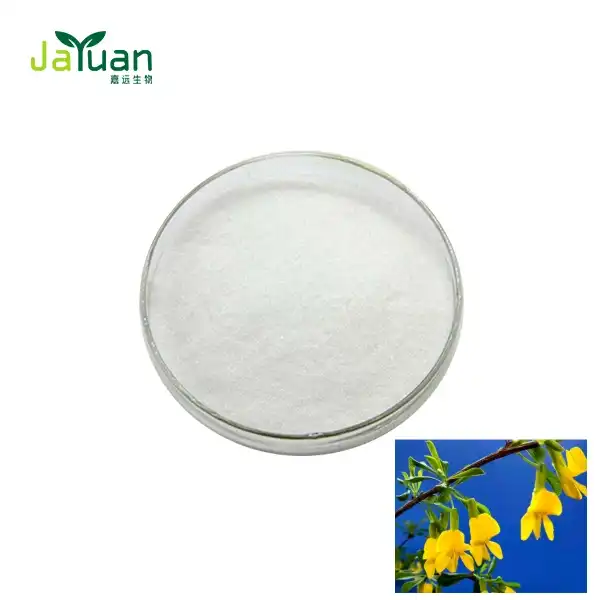
Where to Buy Cytisine Supplement: A B2B Sourcing Checklist
Sourcing cytisine supplement ingredients for B2B applications involves rigorous examination and strategic planning. This naturally occurring alkaloid from the seeds of Cytisus laburnum (Golden Rain acacia) has been known to pharmaceutical businesses, nutraceutical producers, and research institutes for its use in smoking cessation formulations. The goal is to find reputable suppliers that offer pharmaceutical grade purity, regulatory compliance and consistent batch quality. In this tutorial, we’ll take a look at the procurement environment, including quality verification techniques, supplier assessment factors, and practical strategies for sourcing cytisine raw materials that match your production requirements while maximizing cost efficiency.
Understanding Cytisine Supplement in B2B Context
Natural Origins and Scientific Mechanism
Cytisine supplement is a partial agonist at nicotinic acetylcholine receptors and has a stronger affinity for α4β2 neuronal receptors than nicotine. This interaction at the molecular scale mitigates withdrawal symptoms and the rewarding effects of tobacco usage. The chemical has a molecular weight of 190.24 g/mol and a good lipophilicity profile, making it appropriate for numerous administration modalities, from oral tablets to transdermal patches being investigated at present.
The compound was first used in traditional eastern European treatments before being used on humans. Modern extraction procedures, using sophisticated chromatographic techniques, now provide pharmaceutical-grade materials with purity levels greater than 98%. The standardization has changed cytisine supplement from a local herbal treatment to an internationally recognized active pharmaceutical constituent.
Relevance to B2B Markets
Pharmaceutical companies are considering the use of cytisine as a low-cost alternative to varenicline with equal effectiveness but possibly reduced manufacturing costs. Nutraceutical businesses include a standardized extract of the cytisine supplement into dietary supplement formulas to assist people in quitting smoking. Its major commercial use is smoking cessation, although cosmetic companies are investigating its antioxidant qualities for use in skin care treatments.
The expansion of the worldwide nicotine addiction treatment market directly impacts the need for cytisine supplements. OEM supplement manufacturers and private label operators in the procurement space are looking for bulk cytisine supplement providers with flexible MOQs and unique specifications and regulatory paperwork packages for destination markets.
Common Procurement Challenges
The primary issue is that there's a difference in quality from provider to supplier. Variations in the extraction procedures, raw material sources, and purifying procedures lead to different alkaloid profiles in different batches. Regulatory difficulty adds additional step, since the legal status of cytisine supplement differs globally, meaning procurement teams have to deal with jurisdiction-specific constraints.
The challenge of transparency of the supply chain is typical for multi-tier distribution networks. Good documentation and supplier collaboration are necessary to track raw materials back to botanical origins and confirm sustainable harvesting procedures. Unpredictability in lead times may interfere with just-in-time inventory systems, particularly for firms that depend on single-source suppliers.
Core Criteria for Selecting Cytisine Supplement Suppliers
Certification Standards and Quality Assurance
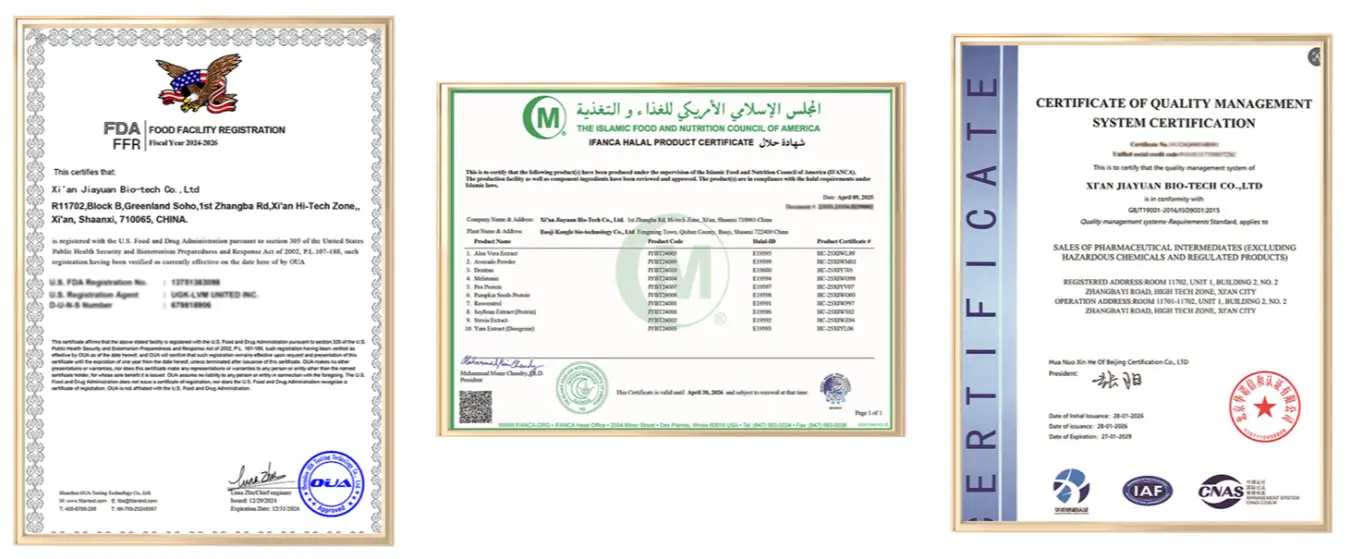
The basis of supplier assessment is certification verification. Cytisine supplement GMP certification means it complies with Good Manufacturing Practices which include contamination controls, required paperwork, and proven methods. ISO 9001 signifies systematic quality management, whereas ISO 13485 pertains to the manufacture of medical devices and pharmaceutical components.
Third party testing is crucial for validation. Reputable vendors will give Certificates of Analysis from independent labs with HPLC purity data, heavy metal screening, microbiological contamination testing and residual solvent analysis. Attach these papers to each batch shipment. Technologically advanced suppliers use near-infrared spectroscopy to check concentration in real-time during extraction and this is associated with consistent output quality.
Seek dual quality control systems with online monitoring and offline verification using methods such as GC-MS. This redundancy detects deviations before the materials reach the supply chain. The best partners keep their product moisture below 0.5% and use nitrogen-filled packaging to ensure shelf life beyond three years, which is important for inventory management when buying in bulk.
Transparency and Communication Infrastructure
Supplier transparency manifests through willingness to share production process details, raw material origin documentation, and quality control protocols. Reliable partners respond promptly to technical inquiries and provide batch traceability records linking finished products to source botanical materials.
The communication infrastructure is very important in international commerce. Suppliers with multilingual technical support teams and specialized account managers lessen the chances of misunderstanding while addressing specifications. Current logistical collaborations with carriers like FedEx, DHL, and UPS demonstrate international shipping expertise, including assistance with customs clearance to facilitate importation by purchasers who are not acquainted with the regulatory process.
Regulatory Compliance Across Markets
The regulatory environment around cytisine supplement differs substantially among regions. U.S. procurement teams need to consider FDA import rules and ingredient categorization. For European markets, European Pharmacopeia (EP) standards are required while for pharmaceutical uses, United States Pharmacopeia (USP) standards are applicable in North America.
Suppliers with documented experience navigating these regulatory frameworks provide valuable partnership advantages. They should furnish regulatory status letters, ingredient declarations suitable for product labeling, and supporting documentation for health authority submissions. Understanding geographic sourcing considerations—such as whether materials originate from controlled cultivation or wild harvest—affects regulatory acceptance in certain markets.
Comparison of Cytisine Supplement Products and Solutions
Product Positioning Against Alternatives
Procurement managers evaluate the place of a cytisine supplement within the smoking cessation product portfolio based on a number of parameters. Nicotine replacement medicines like patches and gums need continuous use, producing recurrent income but also customer weariness. Efficacy of varenicline has been shown but greater production costs and worries about adverse effects hinder its acceptability.
Cytisine supplement is an alternate way, clinical tests show similar efficacy with varenicline but less side effects occurred, and the manufacturing cost is still much cheaper than the synthetic substance. This cost-efficacy ratio makes cytisine supplement an appealing proposition for generic pharmaceutical makers and nutraceutical firms that target price-conscious customer groups.
Herbal alternatives such as lobelia or St. John’s wort lack the clinical validation cytisine supplement has via several randomized controlled studies. The evidence base enables marketing claims and supports regulatory approvals in nations that need substantiation.
Dosage Forms and Packaging Options
Cytisine supplement raw materials accommodate diverse formulation strategies. Capsule formulations allow precise dosing with rapid market entry, while tablet compression requires additional excipient optimization but offers better stability. Powder forms provide maximum flexibility for custom formulations, particularly relevant for research institutions developing novel delivery systems.
Bulk buyers benefit from packaging customization aligned with production workflows. Pharmaceutical-grade materials typically ship in 25kg fiber drums with double polyethylene lining, while smaller research quantities arrive in 1kg foil bags with desiccant protection. OEM private label opportunities extend to custom labeling, specification adjustments, and even co-development of proprietary formulations.
The availability of both pharmaceutical-grade materials at ≥99% purity and cosmetic-grade variants at ≥95% purity enables suppliers to serve multiple industries from single production platforms. This flexibility reduces switching costs when exploring new application areas.
Pricing Models and Value Optimization
Pricing arrangements in procurement of cytisine supplements are based on a number of factors such as the purity criteria, amounts ordered, terms of payment and logistical arrangements. Pharmaceutical grade materials are more expensive due to the strict quality control and documentation requirements . Technical grade items are used for research purposes and are hence cheaper .
Volume-based discounting typically activates at 100kg thresholds for established relationships, with significant price breaks appearing at 500kg and 1000kg annual commitment levels. The scale economies of large production facilities—like 10-ton annual capacity lines—enable competitive pricing 40-60% below boutique suppliers operating smaller batches.
Value-added services differentiate competitive suppliers beyond base pricing. These include complementary analytical method development, stability study support, regulatory documentation packages, and technical consultation on formulation optimization. Some suppliers offset lower unit costs through freight absorption on large orders or warehousing services that reduce buyer inventory carrying costs.
B2B Procurement Process: Step-by-Step Cytisine Supplement Sourcing Checklist
Defining Business Requirements
The key to successful sourcing is defining requirements accurately. Procurement teams should define purity levels based on the intended use – pharmaceutical applications need ≥99% purity and pharmacopeia compliance, whereas research applications may require ≥95% requirements. When predicting the quantity of cytisine supplement, consider scaling-up of production including safety stock for interruptions in supply.
Regulatory destination determines documentation needs. Products entering US markets require different supporting paperwork than European shipments. Quality specifications should reference recognized standards (EP, USP, or in-house validated methods) to ensure supplier understanding. Delivery timelines need realistic buffering—international shipments typically require 2-4 weeks including customs clearance.
Supplier Verification Procedures
Thorough supplier verification reduces risk exposure significantly. Begin by requesting business licenses, manufacturing permits, and certification copies. Verify these documents through issuing authorities when possible. Request client reference lists and conduct discreet inquiries about delivery reliability and quality consistency.
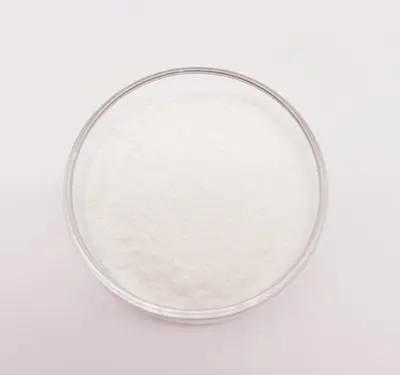
Sample testing represents the critical validation step. Order small quantities (typically 100g-1kg) for in-house or third-party analytical verification before committing to bulk orders. Testing should replicate your quality control methods, confirming the supplier's CoA accuracy. Visual inspection reveals material characteristics—crystalline structure, color uniformity, and absence of foreign particulates indicate proper processing.
Factory audits provide ultimate verification for strategic partnerships. On-site visits assess actual production capabilities versus marketing claims. Evaluate equipment sophistication, cleanliness standards, raw material storage conditions, and quality control laboratory facilities. Observe batch documentation practices and interview technical personnel to gauge expertise depth.
Negotiation and Order Management
Good negotiations include balancing quality and connection development with cost savings. Negotiate payment terms that support cash flow management. Qualified buyers frequently may negotiate 30-60 day terms in addition to unit pricing with established suppliers. Negotiate quality guaranties including clauses for replacement of off-specification materials.
Carefully check the minimum order amounts. Bigger commitments provide better price, but also include higher inventory holding costs and risk of expiry. Consider yearly purchasing agreements with quarterly delivery to get bulk price while retaining inventory flexibility.
Logistics optimization : Deciding between faster and cheaper shipment alternatives. Air freight is good for small urgent orders while big shipments above 500kg are best sent by sea freight. Explain Incoterms — the FOB, CIF and DDP terms split the risk and costs between the parties in various ways, learn where the costs are transferred.
Comparison Table: Cytisine Supplement Specifications
| Specification | Pharmaceutical Grade | Research Grade | Cosmetic Grade |
|---|---|---|---|
| Purity (HPLC) | ≥99% | ≥98% | ≥95% |
| Moisture Content | ≤0.5% | ≤1.0% | ≤1.0% |
| Heavy Metals | ≤10 ppm | ≤20 ppm | ≤20 ppm |
| Microbial Limits | EP/USP compliant | Standard | Standard |
| Typical MOQ | 25kg | 1kg | 10kg |
| Lead Time | 3-4 weeks | 2-3 weeks | 2-3 weeks |
| Price Range | Premium | Moderate | Moderate |
This comparison demonstrates specification variations across application categories, helping procurement teams match material grades to intended uses while optimizing cost structures.
Technological and Cost Advantages in Modern Production
From Extraction to Sustainability: Technology Driving Efficiency and Value
The manufacturing environment of cytisine supplement has changed a lot with the technology progressing. Advances in countercurrent extraction and ultrasonic-assisted procedures used by top manufacturers today may be 30-50% more efficient than old immersion processes. These methods minimize the amount of solvent used, and thereby reduce manufacturing costs and environmental effect.
Chromatographic purification using simulated moving bed technology offers continuous instead of batch operation. This improvement preserves purity well above 98% while improving throughput. Automated DCS systems carefully control pH, temperature and solvent ratios throughout the course of extraction, reducing human error and providing outstanding batch-to-batch consistency.
Cost optimization is not just manufacturing efficiency. Raw materials may be fully used to extract various high-value components (e.g., flavonoids) from a single botanical source, hence dispersing expenses among product lines. Sophisticated solvent recovery systems with multi-effect evaporators may recover ethanol and methanol at rates over 90%, significantly decreasing consumable costs.
These technical competencies are competitive strengths for the procurement teams. Suppliers using sophisticated manufacturing platforms may give better quality, shorter lead times and prices based on their operational efficiency. The scale effects of bigger facilities (10-ton annual capacity lines) dilute fixed costs and result in unit costs that are 40-60% lower than smaller operations.
Environmental compliance is another aspect of value creation. Zero liquid discharge MVR evaporation crystallization is meeting more and more demanding EHS criteria, lowering the regulatory risk for purchasers in environmentally aware markets. The waste residue composting operations show environmentally friendly procedures consistent with the company social responsibility efforts.
Conclusion
Getting cytisine supplement involves balancing technical specs, regulatory compliance, cost optimization and quality of supplier relationships. The best sourcing strategy is one that includes a thorough supplier vetting process with a clear specification of requirements, and continuous quality monitoring and relationship building. Those procurement experts who get these things right will get dependable supply of the cytisine supplement to allow competitive product development while controlling risk exposure. With the world’s focus on quitting smoking and using natural ingredients, cytisine supplement is well positioned to continue its growth in the market. Buyers who build strategic alliances with suppliers now will reap the benefits of long term supply security and cost advantages as demand picks up.
FAQ
1. What purity level should B2B buyers specify for cytisine supplement materials?
For pharmaceutical uses, the cytisine supplement must be at least 99% pure and meet pharmacopoeia standards (EP or USP), which ensures that it is accepted by regulators and that the formulation remains the same. Nutraceutical and cosmetic applications typically specify ≥95% purity, balancing quality with cost considerations. Research institutions may accept ≥98% purity depending on experimental protocols. Always request HPLC verification and match specifications to your quality control capabilities.
2. How can buyers verify cytisine authenticity from overseas suppliers?
Request comprehensive documentation including manufacturer business licenses, GMP certifications, and batch-specific Certificates of Analysis for the cytisine supplement. Conduct independent third-party testing through accredited laboratories before bulk purchases. Factory audits provide ultimate verification, assessing actual production capabilities and quality systems. Establish relationships with suppliers offering transparent traceability and consistent communication.
3. What are typical minimum order quantities and lead times?
Pharmaceutical-grade materials typically carry 25kg MOQs, while research-grade products may start at 1kg. Lead times for cytisine supplement average 2-4 weeks including production and international shipping, varying by destination and customs efficiency. Established suppliers with inventory may offer faster fulfillment. Annual purchase agreements often reduce MOQs and secure priority allocation during high-demand periods.
Partner with a Trusted Cytisine Supplement Supplier
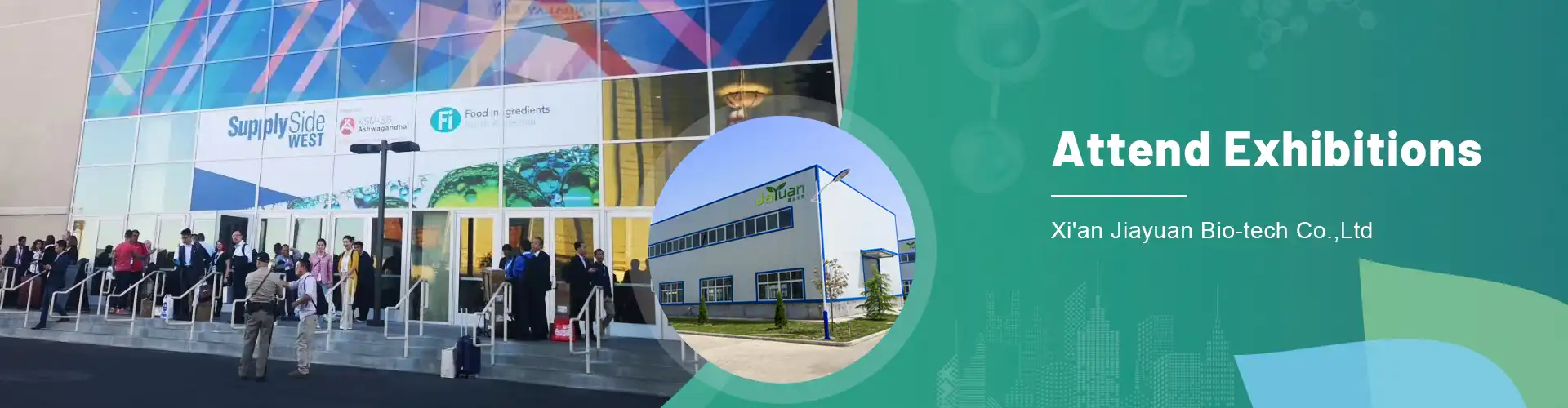
Jiayuan Bio-Tech specializes in producing high-purity cytisine supplement ingredients for pharmaceutical companies, nutraceutical manufacturers, and research institutions worldwide. Our advanced extraction facilities utilize simulated moving bed chromatography and automated control systems, consistently delivering ≥98% purity materials that meet EP and USP pharmacopoeia standards. With GMP and ISO certifications, comprehensive solvent recovery systems, and vertically integrated supply chains, we provide cost-effective cytisine supplement solutions backed by rigorous quality assurance.
Our experienced team supports international procurement through FedEx, DHL, and UPS partnerships, including customs clearance assistance for seamless delivery to your facility. Whether you require pharmaceutical-grade materials at ≥99% purity or customized specifications for research applications, we offer flexible production capacity with competitive pricing reflecting our operational efficiency. Contact our procurement specialists at sales@jayuanbio.com or sales1@jayuanbio.com to request technical documentation, sample testing, or personalized quotations. Discover why leading manufacturers trust Jiayuan Bio-Tech as their cytisine supplement manufacturer for reliable supply, transparent quality control, and dedicated technical support. Visit jayuanbio.com to explore our complete natural extract portfolio.
References
1. Walker, N., Howe, C., Glover, M., McRobbie, H., Barnes, J., Nosa, V., Parag, V., Bassett, B., & Bullen, C. (2014). Cytisine versus nicotine for smoking cessation: a randomized controlled trial. New England Journal of Medicine, 371(25), 2353-2362.
2. West, R., Zatonski, W., Cedzynska, M., Lewandowska, D., Pazik, J., Aveyard, P., & Stapleton, J. (2011). Placebo-controlled trial of cytisine for smoking cessation. New England Journal of Medicine, 365(13), 1193-1200.
3. Tutka, P., & Zatonski, W. (2006). Cytisine for the treatment of nicotine addiction: from a molecule to therapeutic efficacy. Pharmacological Reports, 58(6), 777-798.
4. Hajek, P., McRobbie, H., & Myers, K. (2013). Efficacy of cytisine in helping smokers quit: systematic review and meta-analysis. Thorax, 68(11), 1037-1042.
5. Rennard, S. I., Glover, E. D., Leischow, S., Daughton, D. M., Glover, P. N., Muramoto, M., & Franzon, M. (2012). Efficacy of the nicotinic acetylcholine receptor partial agonist cytisine in smoking cessation. Clinical Pharmacology & Therapeutics, 91(3), 450-456.
6. Etter, J. F. (2008). Cytisine for smoking cessation: a literature review and a meta-analysis. Archives of Internal Medicine, 168(18), 1958-1965.