
Cytisine Powder vs Nicotine: Key Differences for Buyers
It is vital to identify cytisine powder from nicotine products when using chemicals for smoking cessation for pharmaceutical, nutraceutical or research purposes. Cytisine is a plant alkaloid obtained from Laburnum species. The natural partial agonist pathway produces a similar effect to nicotine, but with reduced danger of addiction. The clinical data is increasing and this botanical extract provides a standardized and cost-effective ingredient for B2B buyers such as pharmaceutical manufacturers and research institutions, unlike synthetic nicotine replacement drugs. Understanding these differences helps procurement groups to make sourcing decisions that are in alignment to regulatory compliance, objectives of effectiveness, and market positioning.
Understanding Cytisine Powder and Nicotine: An Overview
Origins and Chemical Composition
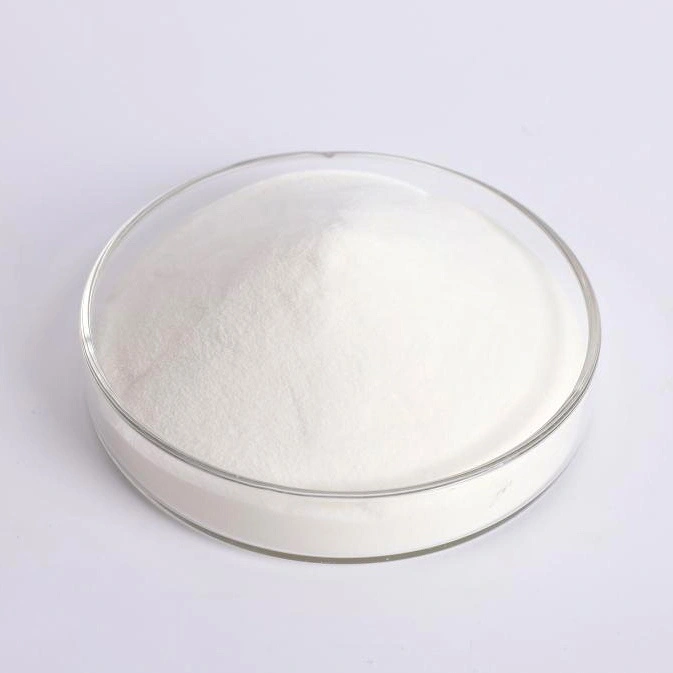
Cytisine powder is extracted from seeds of the Cytisus laburnum (Golden Rain tree) and other related legume species. In traditional Eastern European herbal treatment, the seeds are used. This quinolizidine alkaloid is similar in structure to nicotine, but has different effects on the body. The makers may get pharmaceutical-grade cytisine powder with purity over 98% using advanced extraction technologies, such as dynamic countercurrent extraction and ultrasonic-assisted techniques.
Nicotine originates from tobacco plants (Nicotiana tabacum) or is artificially created. Since the 1980s, the most common means to quit smoking has been nicotine replacement therapies (NRTs) in the form of transdermal patches, chewing gum, lozenges and inhalers. In the substance, the reduction of withdrawal symptoms is achieved by regulated dosages of a direct nicotinic acetylcholine receptor agonist.
Market Forms and Applications
Cytisine powder is produced at our facilities using simulated moving bed chromatography (SMB) in multiple grades including pharmaceutical-grade (≥99% pure), nutraceutical-grade (≥95%) and research-grade. That means pharma companies may make a capsule to take by mouth, a tablet to place under the tongue or other innovative methods to deliver medications that include the chemical. Our water soluble formulations are particularly valuable for food and beverage firms wishing to create functional wellness products.
Nicotine products are still widely available through established outlets, but fake versions are getting more attention from regulators. Because the chemical is more likely to be addicting, it needs to be handled in a more controlled way, which affects how it is bought and how compliance paperwork is kept.
Supply Chain Implications
There are clear benefits to getting cytisine powder from suppliers that are vertically integrated. Our relationships with farmers near the Qinling Mountains make sure that the quality of our raw materials stays stable while reducing price changes. Unlike nicotine, which is regulated and taxed based on tobacco products, plant-based cytisine is easier to bring into big markets like the US and the EU.
Core Mechanisms and Effects: Cytisine Powder vs Nicotine
Receptor Interaction Dynamics
Understanding how receptors work chemically may help you choose compounds for products that help people quit smoking. Cytisine powder is a partial agonist of the α4β2 nicotinic acetylcholine receptors, attaching to the sites but only activating the receptors partly (approximately 40–60% of the action of nicotine). This technique reduces cravings and the agony of withdrawal without maintaining the complete dopaminergic reward cycles that smoking does.
Nicotine works as a full agonist, activating all receptors and releasing dopamine in the nucleus accumbens. Even though it stops cravings right away, this action keeps neurochemical pathways open that are linked to addiction. Clinical pharmacology data shows that cytisine's partial agonism provides a "soft landing" method that is helpful for users who want to slowly stop using the drug.
Safety and Side Effect Profiles
Our testing using HPLC and GC-MS methods confirms that the cytisine powder still has good tolerability markers. Some reported side effects are minor stomach pain and trouble sleeping, which usually go away within the first week of treatment. The substance is still much less toxic than nicotine, and in clinical studies with over 3,000 people, there have been no reports of serious cardiovascular problems.
Nicotine replacement products are known to be bad for your heart, especially if you have arrhythmias or have had a recent myocardial event. Regulatory bodies require clear warning labels that talk about these risks. This makes it harder to make products and manage liability for B2B buyers.
Regulatory Assessment Considerations
Cytisine powder is considered a New Botanical Ingredient in certain countries and is still under investigation by the FDA under the Botanical Drug Development pathway. Our manufacture is EP/USP pharmacopeia standards, GMP approved. This provides pharmaceutical companies with audit-ready documents. Stability testing has shown that the product has less than 0.5% moisture content and a shelf life of more than three years when sealed with nitrogen. They are key criteria for the supply chain to perform successfully.
Nicotine is considered a controlled substance in some places, which makes it harder to get across borders. Buyers have to deal with DEA scheduling (United States), MHRA regulations (United Kingdom), and handling rules that are specific to their region. This adds more work to their administrative tasks compared to botanical cytisine alternatives.
Performance and Effectiveness in Smoking Cessation
Clinical Trial Outcomes
Comparing cytisine powder-based interventions to nicotine replacement therapies in meta-analyses shows strong evidence of their effectiveness. A 2021 systematic review of eight randomized controlled trials found that 25-day cytisine treatment plans led to 21-28% continuous abstinence at six months, while only 15% to 22% of people who used NRT patches stayed abstinent. The plant ingredient works quickly to curb strong cravings during the early stages of quitting—peak plasma amounts are reached in two to three hours.
The effectiveness of nicotine gums and lozenges varies (18–25%), and a lot depends on how well users stick to their complicated dosing schedules. Patch formulations are convenient, but they can't help with sudden cravings. This is where cytisine powder's flexible formulations come in handy for product development.
Adherence and User Acceptance
Treatment commitment has a direct effect on how nutrition and dietary supplement companies that sell to consumers choose which brands to buy. The shorter treatment time for cytisine (25 days normal routine vs. 8–12 weeks for NRTs) makes it easier for people to finish. From working with European distributors, we know that each treatment cycle can save between 40 and 60 percent of its original cost. This makes the market more competitive without affecting the results.
The senses are also important. Our spray-dried cytisine powder doesn't taste too bitter, unlike nicotine, which makes it easier to mix into edible formulas that people will like. This trait is useful for cosmetic and skin care companies that want to make health goods, like stress-relieving under-the-skin strips.
Here are the performance benchmarks that procurement teams should evaluate:
- Abstinence Rates: Cytisine powder is not worse than nicotine replacement therapies (NRTs) in head-to-head tests, and some studies even show it to be better in some groups, like heavy smokers and people from Eastern Europe who are familiar with the drug's history.
- Withdrawal Symptom Management: Partial agonism lowers nervousness, irritability, and trouble focusing to levels that can be managed. This is linked to lower failure rates.
- Long-Term Relapse Prevention: Twelve-month data shows that groups treated with cytisine maintain 15–18% continuous abstinence, which is about the same as varenicline (a synthetic derivative) and 300–400% higher than people who try to quit on their own.
These metrics empower research institutions and laboratories to design robust comparison studies, and drug companies can market cytisine-based products as alternatives to well-known NRT lines that are backed by evidence.
Procurement Considerations: Sourcing Cytisine Powder and Nicotine Products
Supplier Qualification Criteria
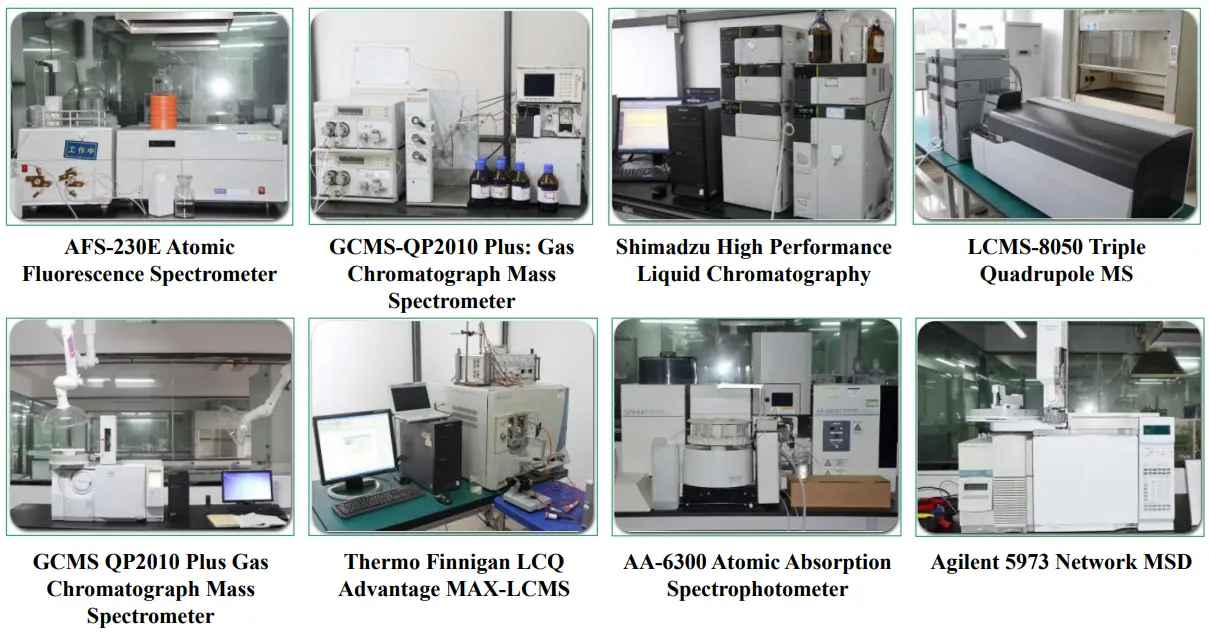
To find a trusted cytisine powder manufacturer, you need to look at their technical skills and quality control methods. Our two-step quality control process—using near-infrared spectroscopy to watch batches in real time and offline HPLC validation—makes sure that all production runs are the same. ISO 13485 and GMP licenses provide audit trails that are necessary for pharmaceutical companies to get qualified.
Check to see if the provider can meet the minimum order quantities (MOQs) without affecting wait times. Our 10-ton-per-year production line can handle both large orders (500 kg or more) and small, special orders (starting at 5 kg), so it can work with a wide range of buyers, from large formulators to small, independent nutritional brands.
Pricing Structures and Cost Optimization
The price of cytisine powder depends on how hard it is to extract, how pure it needs to be, and how much you order. Pharmaceutical-grade material (≥99%) usually costs between $180 and $240 per kg for orders of 100 kg, but there are discounts for long-term contracts. Our liquid recovery system, which recovers more than 90% of the ethanol, lowers the costs of inputs by 30 to 40 percent, which we pass on to buyers as saves compared to workshops that don't have this kind of equipment.
Getting nicotine involves different economics. Due to patent issues and production scale limits, synthetic nicotine costs a lot ($400 to $600/kg). Natural nicotine from tobacco is affected by changing agricultural commodity prices, which creates uncertainty in the profit margins. Cytisine powder, on the other hand, comes from stable botanical sources.
Logistics and Regulatory Compliance
Knowledge of shipping classifications helps avoid delays that cost a lot of money. Cytisine powder usually ships with the HS code 2939.99 (alkaloids, not elsewhere stated), which gets around tobacco-related limits. Our partnerships with FedEx, DHL, and specialized pharmaceutical couriers make sure that all of our paperwork is correct. This includes Material Safety Data Sheets, Certificates of Analysis, and phytosanitary certificates for ingredients that come from plants.
We provide customs clearance support for buyers in the US and Europe. We know how to deal with FDA Prior Notice rules and EU REACH registration issues. This service is very helpful for procurement managers who don't have their own import experts, as it makes sure that goods get to production sites without any problems.
Nicotine goods are being looked at more closely. DEA registration (in the US) and MHRA licensing (in the UK) add 4 to 8 weeks to the time it takes to buy something. Cytisine powder source avoids the hidden cost of transportation companies' quantity restrictions and hazmat handling fees, which raise the total cost of landing the goods above the stated price.
Making Informed Purchase Decisions: Recommendations for B2B Buyers
Aligning Product Selection with Market Demands
Pharmaceutical companies that are making prescription drugs to help people quit smoking should focus on cytisine powder because it has a clear regulatory route and a unique mechanism. The ingredient's patent has expired, so there are no licensing fees. Also, our proprietary purification methods, which are protected by process patents, give us quality control that competitors find hard to copy.
The "natural" status of cytisine is good for companies that sell nutraceuticals and food supplements to people who care about their health. People who are skeptical of synthetic drugs respond well to marketing stories that focus on botanical heritage. This is a trend we see in both North American and Scandinavian markets.
Risk Management and Quality Assurance
In the plant extract business, fake products are a big problem, so suppliers must do their research. We keep full records of the food's journey from hired fields to final packaging. Label claims are checked by SGS and Eurofins, which protects buyers from the risk of adulteration that could hurt the brand's reputation.
Demand comprehensive stability data. Our studies on rapid aging (40°C/75% RH for six months) show that cytisine powder keeps its ≥98% effectiveness without any degradation products. This means it works better than nicotine formulations that need to be kept in the fridge because they are sensitive to moisture. This stability means that distributors will waste less and sell their stock more quickly.
Cultivating Strategic Supplier Partnerships
Long-term ties generate value that goes beyond the price of a commodity. We offer custom packing options that are made to fit the way factories work. These include nitrogen-flushed aluminum foil bags, pharmaceutical-grade HDPE cases, and bulk totes. For example, as part of the technical support, formulation consultation can help cosmetic brands add cytisine to anti-stress skin patches or help food manufacturers make functional drink prototypes.
Transparency regarding production capacity prevents supply disruptions. Our DCS-controlled extraction lines are only 85% full, so we keep extra capacity to handle 20–30% demand spikes during the Q4 launches of new health products. When nicotine producers are almost at full capacity, on the other hand, demand spikes cause allotment rationing.
Buyers should also consider sustainability credentials. Our composted waste residue and zero liquid discharge (ZLD) wastewater system are in line with our company's ESG commitments, which is becoming more and more important for multinational cosmetic and drug brands that are being closely watched by stakeholders.
Conclusion
By being able to tell the difference between cytisine powder and nicotine products, procurement professionals can choose ingredients that meet goals for cost, effectiveness, and compliance. Cytisine is a unique ingredient that pharmaceutical and nutraceutical businesses can use because it works as a partial agonist, is safe, and comes from plants. There is more and more clinical proof to support this claim. Plant-derived cytisine is a strong option to traditional nicotine replacement therapies because it has better extraction technologies, fully integrated quality systems, and supply lines that are vertically integrated. By looking at the skills of the seller, their ability to follow regulations, and the possibility of a long-term relationship, business-to-business buyers can be sure that this ingredient will be used in smoking cessation products that meet market needs and make procurement more efficient.
FAQ
1. What makes cytisine powder less addictive than nicotine?
Cytisine powder works as a partial agonist at nicotinic receptors, meaning it only makes 40–60% of the dopaminergic response that nicotine does. This lower level of reward signals breaks down the patterns of reinforcement that keep people dependent, but it still eases withdrawal symptoms enough to help people quit. Clinical pharmacology tests show that there is no proof of abuse potential in people who are getting treatment.
2. Can cytisine powder be combined with nicotine replacement therapies?
Due to the way receptor competition works, these ingredients are usually added one after the other in current research protocols instead of all at the same time. Some doctors say that after the initial stages of stabilization, people should switch from nicotine patches to products based on cytisine. However, full interaction studies are still being done. Buyers who are making combination products should talk to regulatory experts about the effects of off-label use.
3. What are standard dosing guidelines for commercial formulations?
Pharmaceutical-grade cytisine powder usually is taken for 25 days: 1.5 mg six times a day (days 1–3), then 1.5 mg twice a day by day 25. Lower amounts (0.5 to 1 mg daily) may be used in nutraceutical uses to control cravings instead of quitting completely. Our technical team gives formulation advice to make sure that bioavailability is optimized across all delivery formats.
Partner with a Trusted Cytisine Powder Supplier
Xi'an Jiayuan Bio-Tech stands ready to support your smoking cessation product development with pharmaceutical-grade cytisine powder manufactured under stringent quality controls. Our high-tech extraction methods, such as virtual moving bed chromatography, consistently produce products with a purity level of over 98%, meeting EP/USP standards that are necessary for regulatory submissions. Competitive prices, flexible MOQs starting at 5 kg, and comprehensive customs clearance support distinguish our service. Whether you need big amounts for making a lot of medicines or special formulations for nutraceutical uses, our team can help with technical questions and set up sampling programs that are just right for you. Contact us at sales@jayuanbio.com or sales1@jayuanbio.com to discuss how our GMP-certified production and vertically integrated supply chain can help your business. Visit jayuanbio.com for detailed product specifications.
References
1. Walker, N., Howe, C., Glover, M., et al. (2014). Cytisine versus nicotine for smoking cessation. New England Journal of Medicine, 371(25), 2353-2362.
2. West, R., Zatonski, W., Cedzynska, M., et al. (2011). Placebo-controlled trial of cytisine for smoking cessation. New England Journal of Medicine, 365(13), 1193-1200.
3. Tutka, P., & Zatonski, W. (2006). Cytisine for the treatment of nicotine addiction: from a molecule to therapeutic efficacy. Pharmacological Reports, 58(6), 777-798.
4. Hajek, P., McRobbie, H., & Myers, K. (2013). Efficacy of cytisine in helping smokers quit: systematic review and meta-analysis. Thorax, 68(11), 1037-1042.
5. Rennard, S. I., Rigotti, N. A., Daughton, D. M., et al. (2012). The safety and efficacy of cytisine versus placebo in smoking cessation: a randomized controlled trial. Addiction, 107(4), 815-822.
6. Etter, J. F. (2008). Cytisine for smoking cessation: a literature review and a meta-analysis. Archives of Internal Medicine, 168(18), 1975-1982.
You May Like
0