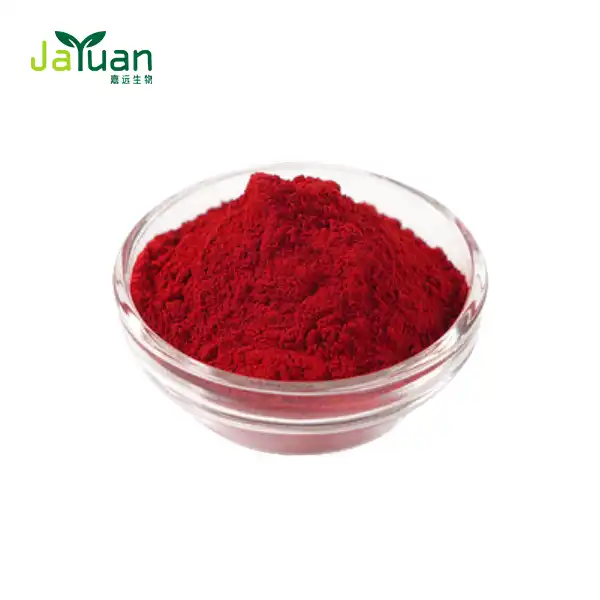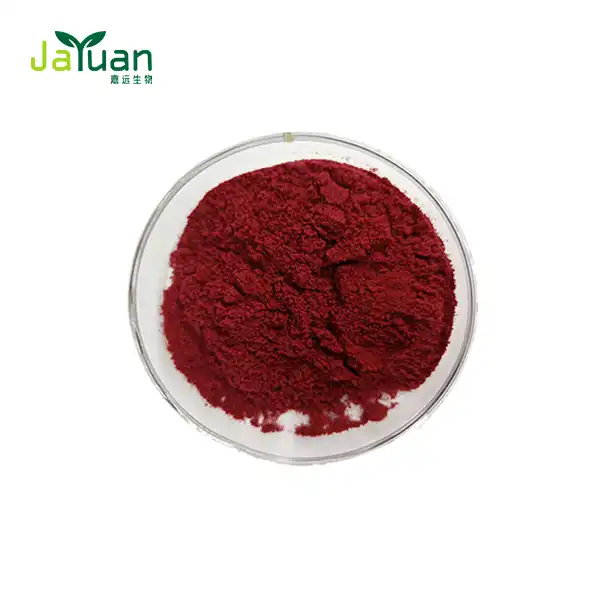
Where can I buy high-quality astaxanthin powder?
Finding suppliers of high-quality Astaxanthin Powder starts with finding ones that put quality, openness, and following the rules first. One reliable company that makes natural plant extracts is Xi'an Jiayuan Bio-Tech. They offer astaxanthin made from Haematococcus pluvialis using advanced supercritical CO2 extraction. Our factory follows GMP guidelines and has ISO, SGS, and HALAL certifications to make sure that every batch meets the strict requirements of the pharmaceutical, cosmetic, and nutritional industries. Direct factory access cuts out middlemen, giving B2B buyers around the world access to competitive prices and custom formulations.
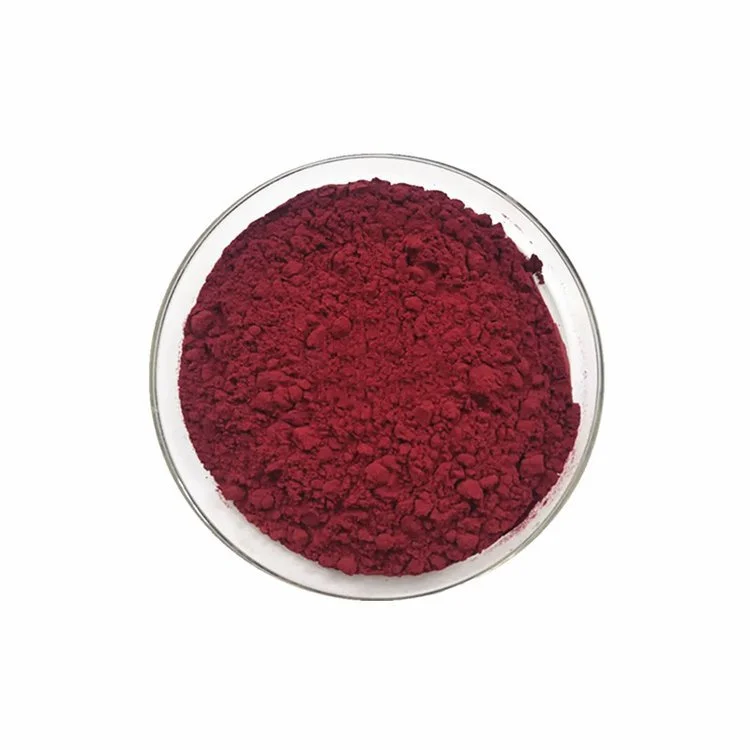
Understanding Astaxanthin Powder and Its Market Demand
As businesses around the world realise that Astaxanthin Powder is the best antioxidant available, demand for it keeps going up. This lipid-soluble keto-carotenoid comes mostly from the microalgae Haematococcus pluvialis. It is now an important part of making nutraceuticals, cosmetics, and functional foods. Astaxanthin is different from other antioxidants because its molecular structure lets it cross cell membranes. This means it protects against oxidative stress, which is linked to ageing, heart problems, and poor eye health.
Analysts expect the industry to rise as consumers learn about preventive health and clean-label goods. This carotenoid is appearing in more anti-inflammatory drugs from pharmaceutical corporations. However, cosmetic businesses are exploiting its UV-protective and melanin-inhibiting properties to produce anti-aging skin care products. Functional beverages and meal replacements employ beauty-from-within principles and cold water-dispersible forms.
Natural Sources Versus Synthetic Alternatives
However, knowing the difference between natural and synthetic astaxanthin is still crucial when buying. Most microalgae contain the 3S,3'S stereoisomer, making them twenty times more effective antioxidants than petroleum-based ones. Since governments throughout the globe are tightening labelling laws concerning genuine ingredients, this biological superiority directly influences product performance and consumer attractiveness.
Different sources have very different supply chain concerns. To keep the naturally unstable substance steady during natural extraction, controlled growing environments, supercritical CO2 technology, and microencapsulation processes are needed. While synthetic production can save money, it is facing more and more opposition in the market from health-conscious consumers who want to know where the ingredients come from.
Applications Across Industries
Astaxanthin Powder is used in many different industrial processes, and each one needs its own set of technical requirements.
Manufacturers of nutraceuticals use standard powder formats in capsule and tablet premixes, where accurate dosing and long-term stability are very important. Reliable providers use microencapsulation technology to protect the active ingredient during the manufacturing process. This keeps its effectiveness during compression, mixing, and packaging.
Astaxanthin is used by cosmetic makers in skin products because it can neutralise reactive oxygen species that are made by UV light. Its stability in both oil and powder media makes it useful for high-end face masks, serums, and moisturisers. This lets formulators use a variety of methods and keeps the ingredient's integrity through different cosmetic processing conditions.
Putting lipophilic compounds into water-based systems is hard for people who make food and drinks. This technical problem can be solved with cold water-dispersible Astaxanthin Powder, which lets it be evenly distributed in drinks, smoothie mixes, and enriched foods without changing the way they taste or look. This style can handle being pasteurised several times, which keeps the product safe without losing its biological potential.
How to Choose High-Quality Astaxanthin Powder: Criteria for B2B Buyers
To tell the difference between high-quality natural Astaxanthin Powder and cheaper alternatives or synthetic adulterants, people who work in procurement have to deal with a lot of complicated quality parameters. The following factors help you make smart choices about where to get your products that protect the quality of the products and the reputation of your business.
Analytical Testing Requirements
HPLC analysis is the standard quality test, not UV spectrophotometry. UV techniques measure total carotenoids, but breakdown products and contaminants make their percentages excessively high. HPLC accurately analyses astaxanthin and looks for contaminants and stereoisomer ratios to verify algal origin.
Chiral HPLC testing finds the optical isomer profile, which proves that the extract from Haematococcus is real and not made in a lab. The main shape of natural astaxanthin is 3S,3'S, while man-made versions have unique 1:2:1 ratios of (3S,3'S), (3R,3'S), and (3R,3'R) isomers. This difference affects not only biological function but also regulation compliance in markets that have strict definitions for natural products.

Contaminant Screening Protocols
Full safety testing goes beyond measuring active chemical. It detects exogenous poisons and microbiological limitations. Heavy metal testing ensures lead, arsenic, and mercury levels are below 3ppm, 1ppm, and 0.1ppm, respectively. Ingredient restrictions for daily items are crucial. Open-pond farming may damage the environment with polycyclic aromatic hydrocarbons, notably benzo(a)pyrene.
Microbiological control is crucial for ready-to-drink cold water-dispersible forms. E. coli, Salmonella, and Staphylococcus screening and total plate count ensure product safety throughout marketing and shelf life. Xi'an Jiayuan Bio-Tech has tight microorganism limits confirmed by an independent lab. Each package includes thorough Certificates of Analysis describing the findings.
Filter paper residue testing at our facilities proves our goods are purer than competitors. This test reveals that our Astaxanthin Powder is impurity-free, indicating a purer extraction technique and better antioxidant capacity. Cleaner products remove free radicals better, improving end-use performance.
Certification and Compliance Documentation
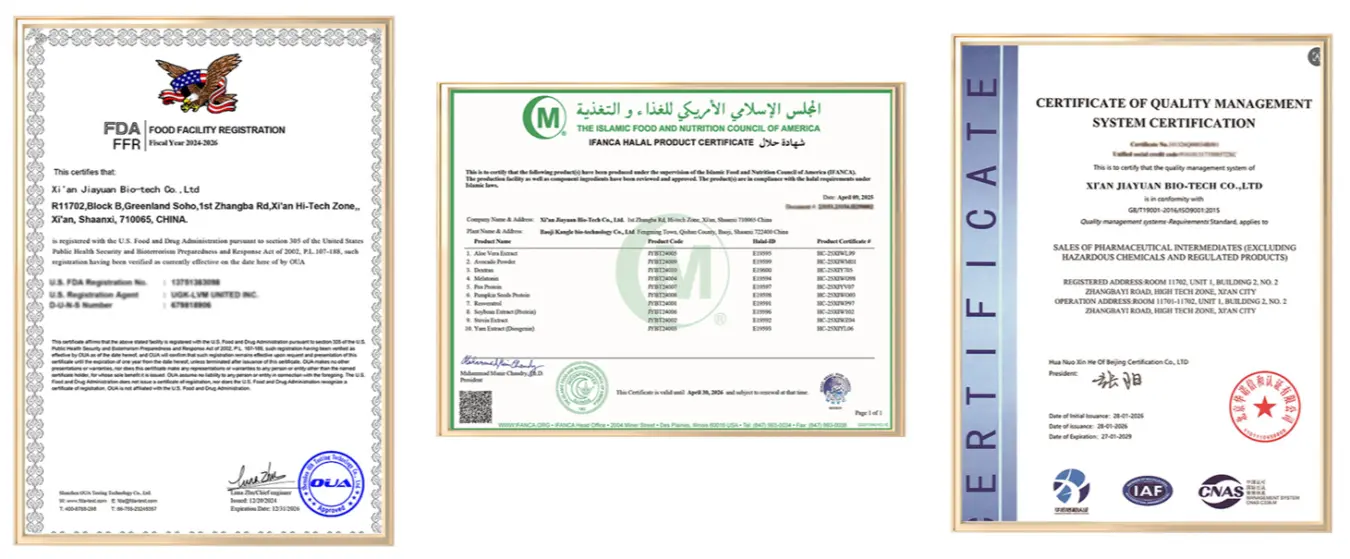
Certifications like ISO and GMP show that a business is run well and has quality management systems that keep products from getting contaminated and make sure that each batch is the same. These checks by a third party give customers peace of mind that factories keep their workplaces clean, use tested methods, and use tracking systems all the way through the production process.
Organic labels and non-GMO proof appeal to groups of consumers who care about the environment and want to know what's in their food. Certifications like HALAL and Kosher make it easier for more products to get on the market, especially functional foods and dietary supplements that are aimed at specific groups of people who have religious dietary needs.
Xi'an Jiayuan Bio-Tech has all the necessary certifications that meet international standards. These certifications provide the proof needed for clearing customs and submitting to regulatory bodies around the world. Our quality assurance team stays up to date on how rules are changing in the US, EU, and Asian markets so they can help clients meet the compliance standards in the places they want to do business.
Where to Buy High-Quality Astaxanthin Powder: Trusted Suppliers & Brands
To find trustworthy suppliers, you need to look at their operational capabilities, quality systems, and how open the supply chain is. Geographic factors affect lead times, shipping costs, and the difficulty of following regulations. Choosing a supplier is a strategic decision that affects the long-term efficiency of procurement for Astaxanthin Powder.
Evaluating Supplier Credentials
Reputable makers show they are open by letting clients inspect their facilities and seeing the production areas and quality control labs. They keep records of their quality management systems, make sure that each batch can be tracked from where the raw materials come from to when the finished product is released, and they keep samples so that they can be tested in the past if there are quality issues.
Testimonials from happy customers and long-term partnerships with well-known drug, cosmetic, and supplement companies show that they can be trusted. Suppliers who work with controlled industries have to keep higher standards because their clients are closely watched by regulators, who demand perfect ingredient records and consistent quality.
Xi'an Jiayuan Bio-Tech has two production lines that are GMP-certified and have the most up-to-date tests and extraction tools. Our skilled technical staff is in charge of getting the raw materials we need. They choose the best Haematococcus pluvialis biomass from trusted growing partners. This vertical integration makes sure that the quality stays the same and that prices stay low by making operations more efficient.
Private Label and OEM Opportunities
With flexible relationship models, brands can use specialised manufacturing knowledge without having to buy their own factories. Companies can sell astaxanthin goods under their own brand names through private label agreements, and OEM services offer full formulation development, stability testing, and packaging solutions that are tailored to each market setting.
Customisation options go beyond standard formulas and include unique delivery systems, ingredient combinations that work well together, and specialised forms for specific market groups. Suppliers' technical knowledge about how ingredients work together, how to process them, and how to follow regulations for different types of products helps collaborative development processes.
Our company provides full OEM services and works closely with customers from the initial idea to the final product. Our team provides technical support to ensure successful product launches backed by strict quality standards. This includes coming up with new vitamin recipes, making branded cosmetic ingredients, and coming up with useful food products.
Geographic Considerations and Logistics
Asian manufactures, particularly Chinese ones with good quality standards, might provide cheaper pricing since they are closer to raw materials and have superior manufacturing infrastructure. Choose accredited facilities with worldwide clientele and detailed quality documentation to reduce quality variability.
Full logistical support from Xi'an Jiayuan Bio-Tech solves purchase concerns. Our worldwide shipping partners include FedEx, DHL, UPS, TNT, and ocean freight for big orders. Our export experts assist with customs paperwork, import limitations, and US and EU customs clearance. Even first-time foreign buyers may be certain that products will arrive safely with this complete help.
Pricing & Procurement Strategies for Astaxanthin Powder in Bulk
Knowing what factors affect prices helps you make realistic budget plans and negotiate well with suppliers. The price of Astaxanthin Powder depends on the cost of the raw materials, how hard they are to extract, the purity requirements, and the amount of the order. Prices for natural and synthetic sources vary a lot.
Price Range Benchmarks
Natural Astaxanthin Powder usually costs a lot, between $800 and $2,000 per kilogram, based on the pure requirements, concentration (2% to 10% active content), and order quantity. Synthetic options are much cheaper, but they may not be accepted by the market as quickly as natural ingredients that are better for you.
Microencapsulated cold water-dispersible formats cost more because they are harder to make and need special carrier materials. However, this extra cost is usually worth it because the product works better, is more stable, and can be used in more ways, which makes the market more competitive.
Unit prices are greatly affected by promises to buy a lot of something. Usually, sales over 50 kilograms qualify for tiered discounts. Long-term supply agreements keep prices stable and protect against changes in the growing seasons of microalgae and political issues that affect international trade.
Negotiation Tactics and Contract Considerations
Negotiations that go well strike a balance between price goals, quality security, and the dependability of the supply chain. Asking for samples to be tested by a third-party lab before placing big orders guards against false claims about quality and shows stakeholders and regulatory authorities that you have done your research.
When negotiating payment terms, the buyer and seller should agree on how to share the risk. Prepayment lowers the supplier's risk and often leads to better prices. However, buyers' interests are better protected when payments are spread out over time and are tied to production goals and quality checks. As trust grows between two people, plans can be made that are more open.
Contract clauses that cover quality standards, testing methods, how to handle complaints, and supply continuity plans keep parties from fighting and make sure everyone is on the same page. Including conditions for "force majeure," "minimum order commitments," and "exclusivity terms" when they are needed sets the stage for stable partnerships that are good for both sides.
Quality Verification Throughout Procurement
Using strict protocols for receiving inspections makes sure that materials bought meet specifications before they are used in production. By comparing supplier Certificates of Analysis with test results from a separate laboratory, you can make sure the information is correct and find any quality drift that needs to be fixed.
Keeping samples from each lot that is received allows testing to be done in the past if problems happen with the end product. This helps find the root cause and decide who is responsible. Samples can be analysed throughout their shelf lives as long as they are stored correctly in a way that keeps the ingredients stable.
Xi'an Jiayuan Bio-Tech tests its goods rigorously. Microorganisms, solvent residues, heavy metals, and exogenous nucleic acid residues are below compliance limits. Internal quality control and third-party lab tests corroborated this. Our products are safe to consume and wear after several testing.
Integrating Astaxanthin Powder Into Your Product Line
To make a good formulation, you need to know about the technical factors that affect stability, bioavailability, and taste qualities. When ingredient suppliers and product developers work together, the results are better because they can share their expert knowledge about how to process ingredients, how they interact with each other, and legal requirements for Astaxanthin Powder.
Formulation Considerations for Supplements
Light- and oxygen-sensitive astaxanthin must be kept safe in encapsulation formats while they are being made, shipped, and stored. Protecting substances needs hard gelatin capsules that don't let light through or bottles that aren't see-through. Softgel encapsulation, on the other hand, is better at blocking oxygen when made with the right oils and antioxidant systems.
When making tablets, you have to be very careful to choose excipients that don't break down when they're compressed. Microencapsulated Astaxanthin Powder can handle tableting pressures better than crude oleoresins. It keeps its effectiveness during production and allows for accurate doses and even spread in matrices.
For general health purposes, daily doses usually range from 4 mg to 12 mg. Higher concentrations are used in targeted formulations that treat specific health problems. Improving bioavailability with lipid carriers or emulsification technologies makes absorption more efficient, which could mean that lower doses are needed to get the same effect.
Cosmetic Applications and Stability
Topical formulations can use astaxanthin's unique ability to neutralise singlet oxygen produced by UV exposure to add to the sun protection effects of regular sunscreen ingredients. Because it is lipophilic, it can be mixed into oil phases of emulsions, dry products, and oil-based serums. It stays stable in these environments as long as it is kept away from light and air.
Aqueous systems need special cold water-dispersible formats that keep the distribution even and don't separate or settle. These mixtures work well in lotions, creams, and gels because they add the pink-orange colour that people associate with high-quality active ingredients while also offering antioxidant benefits.
Stability testing at high temperatures (40°C, 75% relative humidity) can tell you how long something will last on the shelf and help you choose the right packaging. Airless dispensers, clear containers, and nitrogen flushing all make products last longer by protecting the integrity of the ingredients during multiple use cycles by consumers.
Regulatory Compliance Across Markets
Astaxanthin is generally recognised as safe (GRAS) by the US Food and Drug Administration (FDA) for certain uses. The amount that can be used and how it must be labelled vary by product category. When making dietary supplements, companies must follow GMP rules that are specific to supplements. But when making cosmetics, companies must follow different rules for safety proof and ingredient lists.
The European Food Safety Authority (EFSA) has its own approval methods and maximum use levels. To show that a product is safe, toxicological studies and exposure ratings must be shown. Novel food laws may apply based on the extraction methods and source organisms, which means that some forms need to be approved before they can go on sale.
Asian markets have a wide range of regulations. Some countries, like Japan, have used astaxanthin for a long time and have set up legal routes for it. Other countries have stricter import requirements and registration processes. Working with suppliers who know about the rules in the destination market makes compliance easier and speeds up time-to-market.
Conclusion
You must evaluate the supplier's expertise, quality, and compliance with rules to locate high-quality Astaxanthin Powder. Astaxanthin isolated from Haematococcus pluvialis using supercritical CO2 shows stronger biological activity than synthesised. It's worth the extra money since it functions better and appeals to customers. HPLC quantification, stereoisomer profiling, contaminant screening, and microbiological control ensure product safety and efficacy. GMP-certified production, comprehensive quality assurance, and customisable cooperation models are available from Xi'an Jiayuan Bio-Tech for food, cosmetics, nutraceuticals, and pharmaceutical companies. They also offer worldwide logistical experience that simplifies global shopping.
FAQ
1. What makes natural astaxanthin different from synthetic astaxanthin?
Astaxanthin that comes from Haematococcus pluvialis is mostly the 3S,3'S stereoisomer, which is over twenty times more powerful as an antioxidant than synthetic versions that come from petroleum. Synthetic products have 1:2:1 isomer ratios that make them biologically less active, which changes how well the product works and how people feel about it.
2. How can I be sure of the quality of Astaxanthin Powder when I buy it in bulk?
Ask for HPLC testing instead of UV spectrophotometry, chiral HPLC to confirm stereoisomer ratios that show natural origin, and full Certificates of Analysis that list heavy metals, bacteria limits, and leftover solvents. Quality misinformation can be avoided by having an independent lab check the claims made by the seller.
3. What kinds of storage settings keep astaxanthin from breaking down?
Keep in cool, dry places with no air flow and light-resistant containers. For best results, flush with nitrogen to reduce oxygen exposure. Putting things in the fridge makes them last longer, but properly microencapsulated forms stay stable at room temperature as long as they are kept away from light and moisture.
Partner with Xi'an Jiayuan Bio-Tech for Premium Astaxanthin Powder Supply
As a trusted manufacturer of Astaxanthin Powder, Xi'an Jiayuan Bio-Tech offers great value through factory-direct pricing, GMP-certified production, and full quality assurance. Our higher level of purity, which was proven by testing it on filter paper residue, shows that our antioxidant capacity and extraction accuracy are better than those of our competitors. We promise that all safety standards will be met, including those for heavy metals, microorganisms, and residual solvents. This is backed up by extensive toxicity testing that proves the safety of the product. We make international buying easy by helping with customs clearance for markets in the US and Europe, keeping your warehouse stocked to save money on shipping, and offering flexible OEM options that let you make your own formulas. Email our team at sales@jayuanbio.com or sales1@jayuanbio.com to talk about your unique needs and ask for samples that show how committed we are to doing a great job.
References
1. Ambati, R. R., et al. "Astaxanthin: Sources, Extraction, Stability, Biological Activities and Commercial Applications." Marine Drugs, 2014, 12(1), 128-152.
2. Capelli, B., Bagchi, D., and Cysewski, G. R. "Synthetic Astaxanthin is Significantly Inferior to Algal-Based Astaxanthin as an Antioxidant and May Not Be Suitable as a Human Nutraceutical Supplement." Nutrafoods, 2013, 12(4), 145-152.
3. Hussein, G., et al. "Astaxanthin, a Carotenoid with Potential in Human Health and Nutrition." Journal of Natural Products, 2006, 69(3), 443-449.
4. Kidd, P. "Astaxanthin, Cell Membrane Nutrient with Diverse Clinical Benefits and Anti-Aging Potential." Alternative Medicine Review, 2011, 16(4), 355-364.
5. Lorenz, R. T. and Cysewski, G. R. "Commercial Potential for Haematococcus Microalgae as a Natural Source of Astaxanthin." Trends in Biotechnology, 2000, 18(4), 160-167.
6. Yuan, J. P., Peng, J., Yin, K., and Wang, J. H. "Potential Health-Promoting Effects of Astaxanthin: A High-Value Carotenoid Mostly from Microalgae." Molecular Nutrition & Food Research, 2011, 55(1), 150-165.