
What is astaxanthin used for?
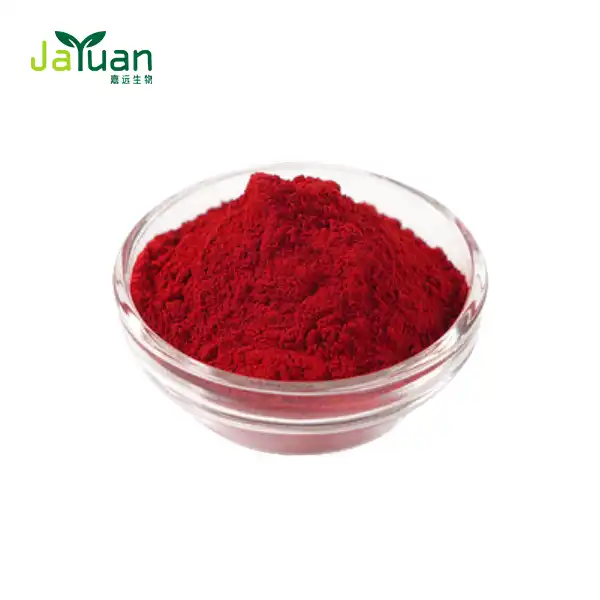
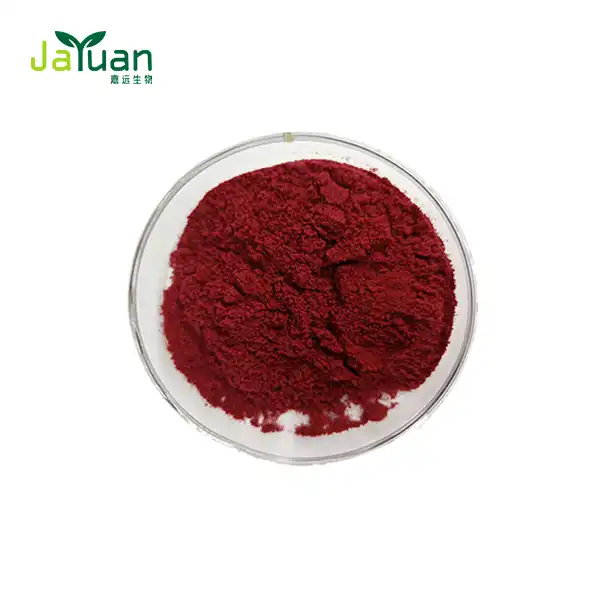
It is added to medicines, beauty products, supplements, and useful foods to help with antioxidants, eye health, heart health, skin health, and lowering inflammation. People who buy Astaxanthin Powder for business purposes put this powerful keto-carotenoid ingredient at the top of their list. This is because it works well with many other ingredients and gets rid of free radicals. This bright red substance comes mostly from the microalgae Haematococcus pluvialis and is now an important part of many health, beauty, drink, and healing goods. Business-to-business buyers can make smart purchases that meet market needs and government rules when they know what astaxanthin is used for.
What Is Astaxanthin Powder and How Does It Work?
Defining Astaxanthin Powder as a Processed Ingredient
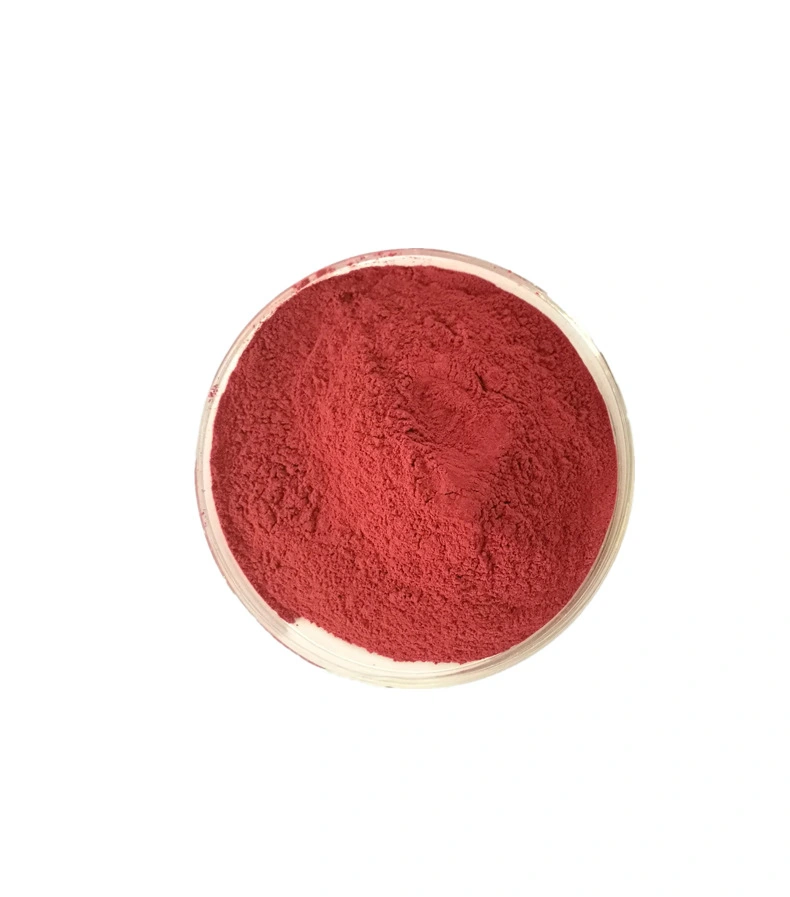
Astaxanthin Powder is the solid form of the keto-carotenoid astaxanthin (3,3'-dihydroxy-2, -carotene-4,4'-dione), which is lipid-soluble. It has a long shelf life. In a unique process, the raw oleoresin of this strong antioxidant is turned into a powder that can be put into drinks, pills, or tablets. To make good astaxanthin products, the lipophilic astaxanthin oil (which is obtained using supercritical CO2) is wrapped in a hydrophilic matrix such as cyclodextrin, gum arabic, or modified starch. With this method, formulations are made without the problems of oxidation instability (raw astaxanthin breaks down quickly in light, heat, or oxygen) or absorption problems that come with using crude oleoresins.
Natural Sources and Extraction Technologies
Haematococcus pluvialis microalgae are the main source of natural astaxanthin, but some is also made by fermenting Phaffia rhodozyma yeast. It can grow in controlled photobioreactor systems or in an open pond. After the plants are picked, their cells are broken up and the oil is taken out. Supercritical CO2 extraction is the best way to get oleoresin because it makes oleoresin that doesn't need any solvents and has higher purity profiles. Other ways of extracting things use ethanol or acetone that is safe for food, but they have to be tested a lot to see how much liquid is left over. You can get synthetic astaxanthin from building blocks derived from petroleum. It is less expensive, but it doesn't have the same stereochemical structure or biological function as natural forms.
Antioxidant Mechanism and Biological Activity
When it comes to getting rid of singlet oxygen and peroxy radicals, astaxanthin is a much better antioxidant than vitamin E and beta-carotene. Astaxanthin can get through two layers of cell membranes and protect both the fatty and watery parts of cells because of how its molecules are built. When astaxanthin binds to this spot, it lowers oxidative stress at the engine level of the cell. Natural sources have a 3S,3'S optical isomer that is more biologically active than man-made racemates, which have a 1:2:1 mix of (3S,3'S), (3R,3'S), and (3R,3'R) stereoisomers.
Quality Differentiation: Natural vs Synthetic Forms
People who work in buying need to be able to tell the difference between natural and man-made wants when they talk about them. Natural astaxanthin powder has the 3S,3'S isomer, which is mostly made up of mono-esters and di-esters that are found in microalgae. This isomer has an antioxidant power that is over 20 times stronger in some tests. Synthetic forms are less expensive, but they have racemates that have not been esterified, which makes them less useful for human health. The status of regulations is also very different. In Europe, natural astaxanthin has been approved by the FDA as a Novel Food. Some markets, on the other hand, need tighter labels for manufactured forms.
Primary Uses of Astaxanthin Powder in Health and Wellness
Skin Health and Cosmeceutical Applications
Astaxanthin Powder reduces melanin production and absorbs UV rays, making it useful in anti-aging and sun protection products. This is used in serums, moisturisers, lotions, and powders to reduce fine lines and wrinkles and make skin more flexible. This chemical helps skin cells produce collagen. This matches the "beauty from within" trend that is boosting functional beverages and vitamins. Clinical studies demonstrate constant nourishment improves skin feel, remain moist, and bounce back. For cosmeceuticals, this supports the product.
Eye Health and Visual Function Support
Astaxanthin is also useful for the eyes. It helps protect the retina and reduces the stress that comes from staring at a screen for a long time. The drug gets through the barrier between the blood and the retina to protect photoreceptor cells and the pigment epithelium of the retina. Supplement companies that want to help with digital eye pain, adjustment function, and macular health are adding this ingredient to mixes with lutein, zeaxanthin, and omega-3 fatty acids more and more. This is done so that the ingredients work better together.
Cardiovascular and Metabolic Wellness
Many ways that astaxanthin can improve heart health are known to businesses that make medicines and sell health foods. To lower cholesterol, improve blood flow, and protect the artery endothelium with vitamins, this ingredient is used. In metabolic health, formulas are used to tackle oxidative stress, which is tied to recovery from exercise, mitochondrial function, and the production of energy in cells. People are interested in sports nutrition and products that help people stay active as they age, so these uses make sense.
Immune Modulation and Inflammatory Response
Because it can change the immune system, astaxanthin is a good ingredient for medicines and foods that are meant to improve immune health. Research shows that this ingredient changes how cytokines are made, how natural killer cells work, and how T cells do their job. There are several ways that the anti-inflammatory effects work, such as by changing the NF-κB pathway and managing inflammatory mediators. This means that new products could be made to help with joint health and overall health.
Astaxanthin Powder vs Other Forms and Alternatives – Choosing the Right Product
Delivery System Comparison
The procurement teams look at various shipping types based on the needs of the business and the final use. Astaxanthin Powder can be used for encapsulation and tableting because it can be directly compressed and flow smoothly. Cold water dispersible (CWD) powder types can be used in drinks because they don't change when heated or when the water is mixed with other things. To get the most out of them, oil solutions and oleoresins must be handled in a certain way and not left to oxidise. With double-shell security, beadlet technology can handle the crushing forces that happen when tablets are made while limiting oxidative breakdown to a minimum.
Bioavailability and Absorption Considerations
It is easier for things to dissolve and soak up the micro-powder form because it has a lot more surface area than the basic oleoresins. It's easier for lipophilic astaxanthin to mix with water when microencapsulation matrices are used. This fixes problems with bioavailability. Astaxanthin is sometimes mixed with phospholipids, lipid carriers, or emulsifiers to help it be absorbed even better. Clinical bioavailability studies help product makers choose forms that raise plasma concentrations in target groups in a way that can be measured. These studies are used to make decisions about formulation.
Cost-Efficiency Without Compromising Purity
People who are watching their spending have to compare how much something costs to how good it is, which can change how well it works and whether it follows the rules. Natural astaxanthin costs more because it takes longer to grow, remove, and process. However, it works better in living things and looks better on the label. The cost of materials goes down with synthetic choices, but it might be harder to sell and get people to accept them. You can save money while still meeting your formulation needs because the concentration ranges from 1% to 5% assay. It is cheaper to make each amount of an ingredient when the concentration is higher because it means less need for fillers.
Comparative Positioning Against Alternative Antioxidants
By comparing astaxanthin to other marine-based ingredients like krill oil or antioxidants like CoQ10, resveratrol, and curcumin, procurement experts can figure out what makes a product stand out from the rest. Because it has a structure that crosses membranes, astaxanthin is not the same as water-soluble antioxidants. It is better at stopping singlet oxygen from forming. When you mix astaxanthin with chemicals that work well together, you get more health benefits and claim choices. This helps supplements stand out in markets that are already very crowded.
Industrial and Procurement Considerations for Astaxanthin Powder
Pharmaceutical-Grade vs Food-Grade Specifications
Astaxanthin Powder that is FDA-approved for use in food or medicine may be what you need for your production process. When used in pharmaceuticals, there must be strict purity standards, full impurity profiling, and paperwork that can be used for drug master files. Brands that make food and drinks care a lot about visual qualities that don't change the taste or colour, as well as food-grade certifications. It is important to know these differences so that the specs match the needs of the planned use and the regulatory pathway.
Quality Assurance and Testing Parameters
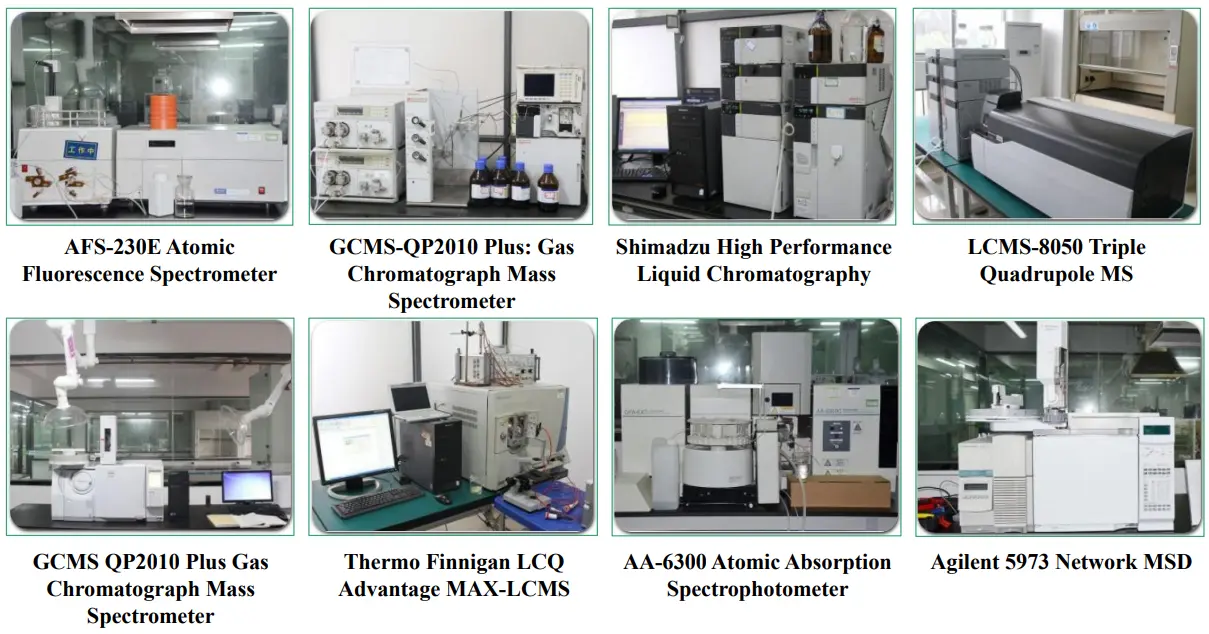
To do strict quality control, the first step is to use HPLC to measure the amount of astaxanthin instead of UV methods, which give wrong results when they measure total carotenoids. The 3S,3'S visual isomer is confirmed by stereoisomer analysis. This is a sign of Haematococcus origin and helps tell the difference between natural and fake sources. During open-pond cultivation, heavy metals like lead (less than 3ppm), arsenic (1ppm), and mercury (less than 0.1ppm) can build up. Polycyclic aromatic hydrocarbons and pesticide residues are all checked for by contaminant screening. There are checks to see how many plates there are, how much yeast and mould there is, and if there are any pathogens. When ethanol or acetone are used in extraction methods, testing for residual liquid shows that they are legal. Based on our tests with filter paper residue, the product is clean and free of impurities when compared to the ingredients from other companies. This means that it is more pure for extraction, has more antioxidants, and can get rid of free radicals better.
Supplier Evaluation and Certification Requirements
If you want to work with reliable companies, you should look at their manufacturing certifications, like ISO and GMP compliance, as well as product certifications, like Kosher, Halal, Novel Food approval, and GRAS status. Paperwork that shows where the algae came from and how it was turned into powder helps customers check the supply chain and keep it safe. Tests done by separate labs, acting as a third party, improve quality control and lower the risk in the supply chain. Suppliers who are steady, can help with technology issues, and provide quick customer service are important for long-term partnerships.
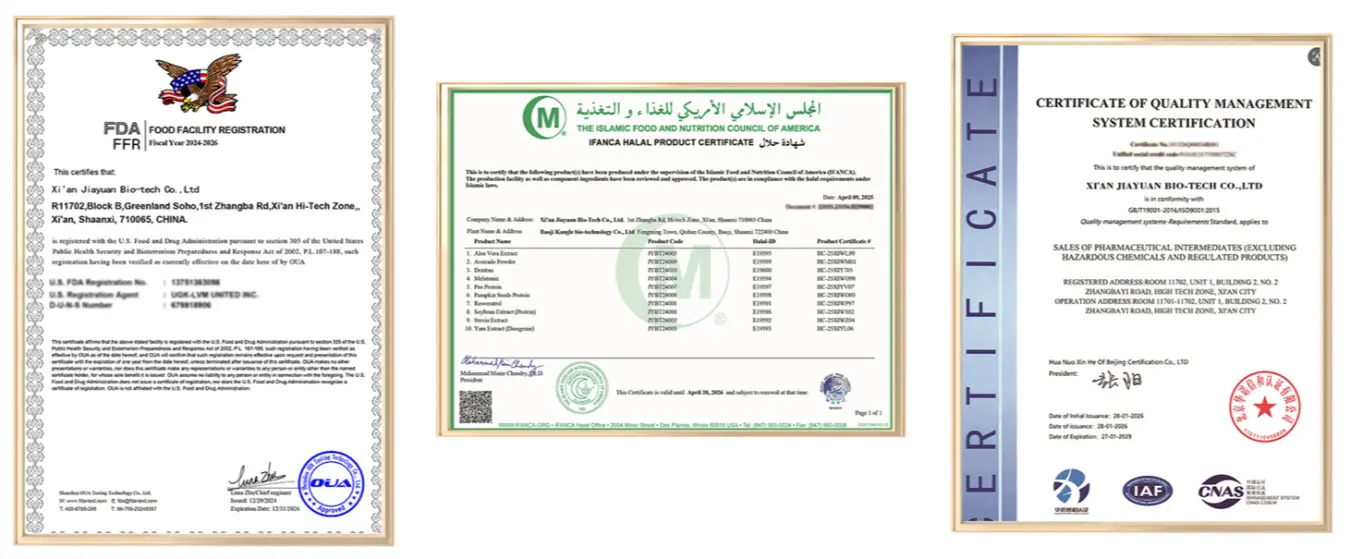
Bulk Purchasing and Logistics Strategies
When you buy in bulk, you should think about the minimum order quantity, price breaks at different volume levels, and how stable the storage is over long periods of time. In order to prevent it from spoiling while it is being shipped or stored, Astaxanthin Powder must be kept in a dark, cool, dry environment that is flushed with nitrogen gas. As part of global logistics planning, things like customs rules, import paperwork, temperature-controlled shipping for routes that are affected by weather, and making the best use of air, sea, and land transport choices for goods are all taken into account. Lead time management mixes just-in-time filling with the need for buffer stock to keep work from stopping.

How to Use Astaxanthin Powder – Practical Applications for B2B Clients
Supplement Formulation Guidelines
When you add Astaxanthin Powder to dietary supplement mixes, you need to be aware of the dosage rules, issues with stability, and how well the other ingredients work together. Most people take between 4 mg and 12 mg of a vitamin every day to keep their health in good shape. When used for sports nutrition or intensive antioxidant routines, higher amounts are used. For oil-based suspensions or beadlet powders, hard-shell capsules can hold them. But tablets need to be directly compressed or granulated in a way that works with the way powder flows. Adding desiccant and packaging that doesn't soak up water protect against humidity, which makes rusting happen faster.
Functional Food and Beverage Integration
Powder mixtures that stay stable in acidic environments, after being heated, and for a long time after being stored can be mixed with cold water and used in drinks. Astaxanthin is added to beauty drinks, meal replacement shakes, and functional water products to make them look better and give them colour. Dosing calculations take into account the size of the serving, how often it will be eaten, and the type of person who will be using the product in order to get meaningful nutrient levels in useful forms. If you check to see if it works with other drink ingredients, you can avoid problems that might change the colour, taste, or security of the drink.
Synergistic Ingredient Combinations
Manufacturers mix astaxanthin powder with other nutrients that work well with it to make it work better. When mixed with omega-3 fatty acids, it makes the heart and brain healthier and meets the needs of lipid carriers for maximum intake. There are many ways that lutein and zeaxanthin help your eye health together. Each type of carotene works on a different part of the retina. Vitamin E, vitamin C, and other antioxidants work together to protect against many types of reactive stress. Hyaluronic acid and collagen peptides work together to support skin health blends that make you look good from the inside out.
Quality Control During Manufacturing Integration
Astaxanthin needs to be processed at the right temperature, mixed for the right amount of time, and the tools needs to work well with each other during production integration. Systems for moving and filling powder should keep dust and light out while these processes are going on. In-process testing makes sure that the finished goods have an even distribution of active ingredients and that the treatment hasn't hurt them. What the label says, how stable it is over time, and how it dissolves are all checked out by testing the finished product. All of these things affect bioavailability.
Conclusion
Knowing what astaxanthin is used for helps purchasing managers take advantage of nutraceutical, medical, cosmetic, and food market opportunities. The element is protective and mixable. It also contains several health advantages and may be utilised to manufacture skin, eye, heart, and immune system-friendly products. Before buying, HPLC testing, stereoisomer verification, contaminant screening, and certification confirmation should be done. Know the difference between natural and synthetic substances, look at various distribution methods, and treat them properly to keep ingredients pure from source to completed product. Pure items with clean labelling are becoming increasingly popular. This makes excellent Astaxanthin Powder a vital feature of competitive product lines that address health trends and demographic shifts that favour health.
FAQ
1. What is the recommended dosage range for astaxanthin in supplement formulations?
For overall health reasons, most people take between 4 mg and 12 mg per day. On the other hand, doses up to 20 mg have been shown to help with some health goals. As you choose a dose, you should think about the legal advice, health positioning, and goal groups of your audience.
2. How can I verify the natural origin of astaxanthin ingredients?
Professional labs use chiral HPLC to find stereoisomer ratios, and the fact that 3S,3'S dominates shows that the sample is from microalgae. To be sure the product is natural, ask for certificates of analysis that show where the isomers are found, how they are esterified, and proof of the source organism.
3. What are the storage requirements to maintain product stability?
Keep Astaxanthin Powder somewhere cool and dry that doesn't let light or air in. The best way to do this is with hoover packing or nitrogen cleaning. If you store it right, it should last between 24 and 36 months, but you should check it every so often to make sure it stays strong.
Partner With Jiayuan Bio-Tech for Premium Astaxanthin Powder Supply
Jiayuan Bio-Tech sells high-quality Astaxanthin Powder that has been approved and meets strict B2B buying standards. It can be used in the food, cosmetics, medicine, and nutraceutical industries. All of our products are guaranteed to be free of heavy metals, microorganisms, solvent residue, and nucleic acid contamination. We have full testing records to prove this. Since we have been selling astaxanthin powder for a long time, we can offer natural ingredients that are better for you than those in other products. This is proven by tests on filter paper leftovers, which show that they have more antioxidants and can get rid of free radicals more effectively. All of our bulk orders are of the same high quality because our manufacturing methods are stable and our sites are GMP- and SGS-certified. We can send you samples at any time, help you make your own formulas, and provide OEM processing services that are tailored to your needs. We work with FedEx, DHL, UPS, and other international shipping companies to help you get your goods through customs for markets in the US and Europe. The goods will then be sent straight to your facility. Contact our knowledgeable staff at sales@jayuanbio.com or sales1@jayuanbio.com to talk about your astaxanthin powder needs and get price quotes for buying in bulk at lower factory-direct costs.
References
1. Ambati, R.R., et al. (2014). "Astaxanthin: Sources, Extraction, Stability, Biological Activities and Its Commercial Applications—A Review." Marine Drugs, 12(1), 128-152.
2. Guerin, M., Huntley, M.E., and Olaizola, M. (2003). "Haematococcus astaxanthin: Applications for human health and nutrition." Trends in Biotechnology, 21(5), 210-216.
3. Higuera-Ciapara, I., Felix-Valenzuela, L., and Goycoolea, F.M. (2006). "Astaxanthin: A Review of its Chemistry and Applications." Critical Reviews in Food Science and Nutrition, 46(2), 185-196.
4. Hussein, G., et al. (2006). "Astaxanthin, a Carotenoid with Potential in Human Health and Nutrition." Journal of Natural Products, 69(3), 443-449.
5. Naguib, Y.M. (2000). "Antioxidant Activities of Astaxanthin and Related Carotenoids." Journal of Agricultural and Food Chemistry, 48(4), 1150-1154.
6. Yuan, J.P., Peng, J., Yin, K., and Wang, J.H. (2011). "Potential health-promoting effects of astaxanthin: A high-value carotenoid mostly from microalgae." Molecular Nutrition & Food Research, 55(1), 150-165.