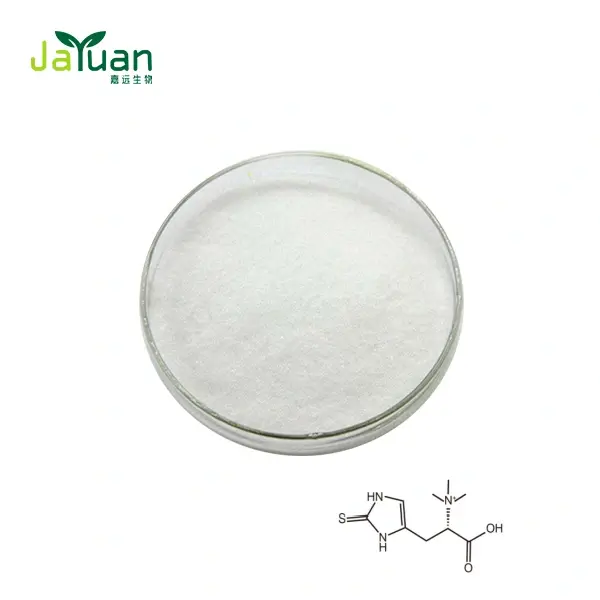

Best ergothioneine supplement for Cellular Antioxidant Protection
When choosing an ergothioneine supplement to protect cells from free radicals, B2B buyers should consider quality, extraction process, and seller reputation. Ergothioneine powder manufactured from mushrooms and verified GMP ensures consistent quality in pharmaceutical and nutraceutical formulae. We employ modern chromatographic purification and automated quality control to ensure our ergothioneine extract is above 95% pure at Jiayuan Bio-Tech. Our ISO-certified manufacturing lines and completely integrated supply chain suit the demands of global buying managers seeking reliable, adaptable antioxidant ingredients for innovative product development.
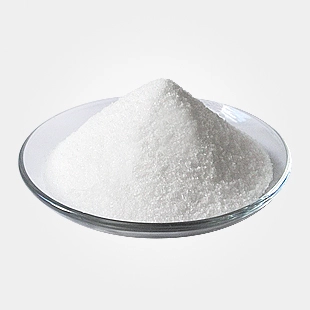
Understanding Ergothioneine and Its Role in Cellular Antioxidant Protection
Ergothioneine is unique because it is a naturally occurring amino acid that contains sulfur and only builds up in cells and tissues that are under a lot of reactive stress. Unlike common antioxidants like vitamin C or glutathione, this one-of-a-kind compound can get inside cells and cluster in mitochondria, saving weak parts from damage caused by reactive oxygen species.
Natural Sources and Biosynthesis
One of the best food sources of ergothioneine is mushrooms, especially shiitake, oyster, and porcini types. Final concentrations depend a lot on the substrates and conditions used for growth. Some strains can have up to 3 mg per gram of dried material. Fermented foods also have useful amounts because certain types of bacteria make ergothioneine during the fermentation process. Spirulina, which is dried biomass from Arthrospira platensis, also has high concentrations and is becoming more popular for medical uses.
Cellular Mechanisms and Oxidative Stress Reduction
Ergothioneine supplements protect cells via many routes. Metal ions that accelerate oxidative processes are controlled by the molecule. This prevents chain reaction damage to lipids, proteins, and DNA. Research reveals that it may maintain mitochondrial function under metabolic stress, helping brain, immunological, and skin cells create energy. When given enough ergothioneine, stressed cells exhibit more resilience, according to research.
Applications Across Health and Longevity
The way this amino acid builds up suggests that it has evolved over time—human cells have special transporters (OCTN1) that are intended to grab and hold ergothioneine from moving around the body. This selectivity shows that it is biologically important for pathways that support brain function, the immune system, skin health, and longevity. Pharmaceutical businesses and nutraceutical developers know that these qualities can be used to make next-generation supplements that target cellular health in a wide range of demographics.
Key Considerations When Selecting the Best Ergothioneine Supplement
It's important to carefully consider factors that have a direct effect on manufacturing efficiency, regulatory compliance, and market positioning when choosing the best ergothioneine ingredients. When making decisions about what to buy, you have to balance quality standards with cost structures and the abilities of the suppliers.
Dosage Forms and Manufacturing Compatibility
Ergothioneine powder is very flexible for B2B uses because it can be easily added to pills, capsules, drinks, and topical products with exact doses. Powder forms make buying in bulk easier and simplify packaging, which is especially helpful for pharmaceutical companies that make a lot of drugs. Crystalline ergothioneine powder has a stable profile that means it can last longer than three years if it is stored properly and the moisture content is controlled. This reduces inventory risk and waste.
For some distribution channels, encapsulated forms are better, but they require more steps in the processing process and cost more. For fast market launch, procurement teams working with dietary supplement names may prefer finished capsules, while pharmaceutical clients usually buy raw powder for developing their own unique formulations.
Natural Versus Synthetic Sourcing
Mushroom-based ergothioneine supplements are vegan-friendly. With regulated microbial strains, fermentation-based manufacturing may scale up while retaining natural categorisation within regulatory frameworks. These procedures provide EP and USP-compliant bioidentical molecules. Important for medicinal purposes requiring distinct biosynthetic routes.
Synthetic production lines are still being worked on, but they have to get through a lot of governmental hurdles to get approved as novel foods and to prove that they are bioequivalent. The people who work in procurement should check the paperwork that shows where the raw materials came from and make sure they come from natural places that are approved by labeling rules in target markets like the US, EU, and Asia.
Quality Standards and Compliance Requirements
Purity specifications guide purchase. Pharmaceutical-grade ergothioneine should be 98% pure, according to HPLC. Comprehensive impurity profiles should indicate heavy metal, solvent, and microbial levels. Cosmetic-grade chemicals must be at least 95% pure, although for skincare, lesser criteria are practicable and cost-effective.
You must preserve Certificates of Analysis, allergy declarations, GMO status, and BSE/TSE statements to comply. Suppliers with GMP accreditation and ISO 13485 quality management systems provide process control and batch stability, which keeps the supply chain honest throughout production cycles.
Comparing Top Ergothioneine Supplement Brands for B2B Procurement
To find your way around the different ergothioneine providers, you need to know how they compare to each other based on quality standards, price, and service offerings. To get the best overall value, procurement managers need to look at more than just unit cost.
Quality Assurance Metrics
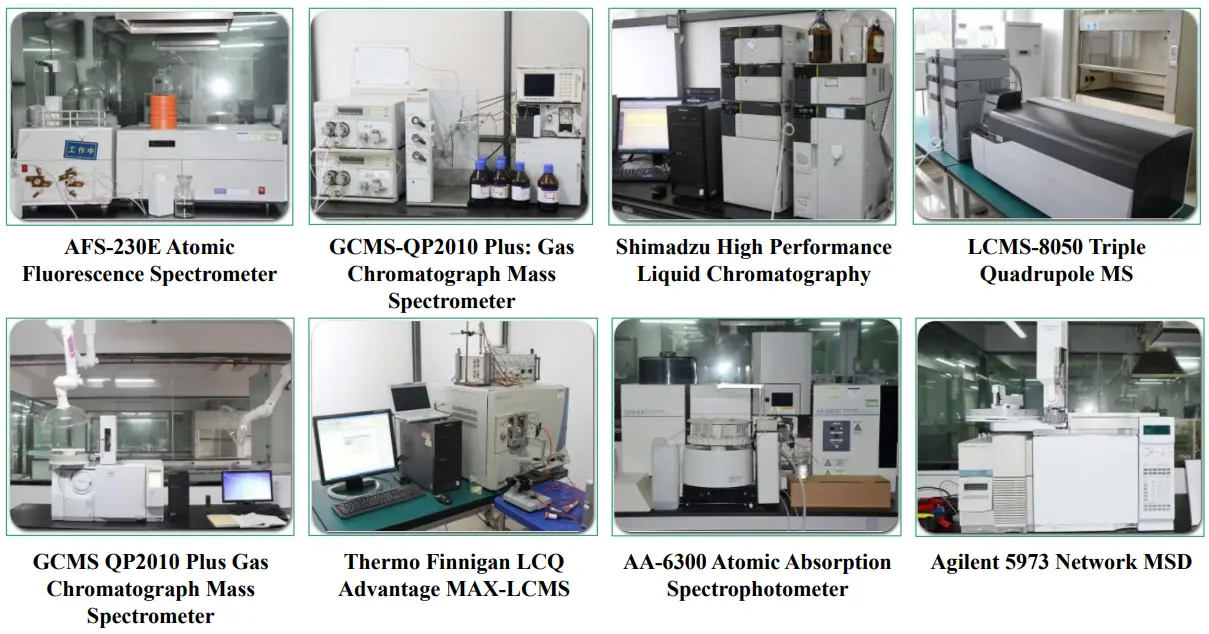
Clear quality control distinguishes top sales. Online monitoring and offline validation provide real-time production security and ensure final standards before delivery. GC-MS and HPLC provide you a clear view of the extract's composition, while near-infrared spectroscopy allows you monitor its concentration during cleaning.
Third-party testing by separate labs gives products more trustworthiness, especially when sellers send batches freely to companies that check botanical ingredients. Certificates from approved testing facilities show that a company is committed to quality beyond what it says on its own website. They also make legal applications easier in places that need independent validation.
Pricing Structures and Bulk Procurement
Pharmaceutical-grade ergothioneine supplement usually costs between 800 and 1,200 USD per kilogram on the market. The price depends on the quality requirements, the amount of the order, and the supplier's production scale. When compared to batch processors, manufacturers with continuous production lines can offer competitive unit economics because their set costs are spread out over higher output amounts, lowering prices by 40 to 60 percent.
When you order more than 25 kilograms, you can get a discount for buying in bulk, and tiered price structures reward customers who sign up for yearly supply deals. Procurement teams should look at the total cost of the purchase, which should include shipping costs, help with clearing customs, and flexible payment options. When you buy complementary botanical extracts at the same time, it's especially helpful to find suppliers that offer consolidated shipments across multiple product lines. This cuts down on repetitive logistics costs.
Supplier Reliability and Service Capabilities
Trustworthy partners can create and maintain inventories, unlike profit-seeking dealers. Famous brands stockpile additional goods in case demand spikes or supply chain issues arise. Minimum order quantities (MOQ) indicate production costs. Low MOQ suppliers (5–10 kg) are flexible and ideal for new brands and research, whereas high MOQ suppliers (50 kg or more) conduct large-scale operations that benefit pharmaceutical companies.
Lead times change depending on when products are made and where they are in stock. Premium providers promise delivery windows of two to three weeks for normal specs. For custom formulation development, delivery times can go up to six to eight weeks. Collaborations that include technical support, formulation advice, and help with regulatory documentation add a lot of value on top of just trading goods.
How to Integrate Ergothioneine Supplements into Your Product Line or Supply Chain
To strategically combine ergothioneine ingredients, suppliers must match their skills with the needs of different channels, such as those that use pharmaceutical, nutraceutical, cosmetic, and food products. Each group has different needs when it comes to formulation, packing, and legal positioning.
Segmentation Strategies Across Industry Channels
Pharmaceutical businesses usually want >99% purity and plenty of evidence for drug master file submissions. These customers want providers with distinct manufacturing lines to minimise cross-contamination. Suppliers who validate stability studies and bioavailability research are also preferred. Orders depend on clinical study requirements and commercial launch expectations. Annual supply arrangements with phased delivery are typical.
Dietary supplement manufacturers use purity ratings between 95 and 98% to balance quality and affordability. These buyers seek to adjust their orders depending on seasonal demand and new products. Suppliers that supply bulk bags and intermediate cases make inventory tracking simpler, even with many SKUs in a supplement collection.
Cosmetic and skin care brands want stable materials (≥95%) in complicated formulations including active chemicals, preservatives, and emulsifiers. Technical assistance with solubility, pH compatibility, and storage is important during product development. Small-batch customisation allows you test the market with limited versions without stocking up.
Evaluating Supplier Capabilities and Partnership Potential
Ergothioneine supplement vendors should be assessed beyond basic norms by purchasing managers. They should assess manufacturing technology and improvement efforts. Ultrasonic-assisted processing and dynamic countercurrent devices make extraction 30–50% more efficient than soaking. This decreases environmental effect and utilises more raw materials. Simulated moving bed chromatography purifies over 98% effectively for batch-to-batch pharmaceutical applications.
Distributed control design in automated control systems lowers human error and accurately controls pH, temperature, and solvent ratios. These abilities affect product consistency, which is crucial to long-term supply agreements. Automation indicates suppliers care about quality and business efficiency, saving procurement teams from batch failures and supply delays.
Supply Chain Resilience and Environmental Considerations
Vertically linked providers that control the farming of raw materials protect against changes in the prices of commodities. Having direct ties with farmers who grow mushrooms or fermentation feedstock makes sure that the quality and quantity of inputs are always the same. This integration is especially useful when there are problems in the market and spot market prices go up or availability goes down.
Environmental compliance and sustainable practices are becoming more and more important in purchasing decisions as stakeholders put pressure on brands to think about how their actions affect the supply chain. Suppliers who use wastewater treatment systems with zero liquid discharge, solvent recovery systems that can recover up to 90% of the ethanol and methanol, and waste composting programs show that their operational excellence is in line with their corporate responsibility goals. By making better use of resources, these methods lower their impact on the environment and raise costs at the same time.
Manufacturing Excellence at Jiayuan Bio-Tech
We've spent years improving our production skills so that we can deliver pharmaceutical-grade plant extracts to markets around the world that are very picky. We've designed systems that meet all of the quality, efficiency, and dependability standards that procurement professionals care about.
Here are the main technological advantages that make our ergothioneine supplement production stand out:
1. Advanced Extraction Technology: Our facility uses dynamic countercurrent extraction along with ultrasonic-assisted processing, which is 30–50% more effective than traditional immersion methods. This method cuts down on the use of solvents while increasing the recovery of active compounds from mushroom waste. The chromatographic purification stage uses simulated moving bed chromatography, which lets it work all the time instead of in batches. This method keeps the quality at or above 98% while allowing for increasing production numbers.
2. Precision Process Control: During ergothioneine supplement extraction and filtration, automated distributed control systems monitor all key parameters. Monitoring pH, temperature, and solvent ratios in real time eliminates hand-made variances. Before further processing, near-infrared spectroscopy monitors extract concentration to ensure compliance. Human errors are reduced and pharmaceutical applications have batch-to-batch consistency with this automation.
3. Comprehensive Quality Verification: Our two-step quality control comprises online monitoring and offline analytical testing. The HPLC and GC-MS testing confirm that the makeup fulfils EP and USP standards. Keeping the product below 0.5% moisture and sealing it in nitrogen-filled packaging extends its shelf life to almost three years. These methods preserve your commodities investment and simplify supply chain management.
These features solve the practical problems that purchasing teams face when they are looking for new suppliers. Our production scale—a line that can make 10 tonnes of goods a year—saves us money by spreading out our fixed costs, which lowers our unit economics by 40 to 60 percent compared to smaller businesses. This speed directly leads to reasonable prices that don't lower quality standards.
Being responsible for the environment adds to our technical skills. With MVR evaporation crystallization technology, wastewater cleaning doesn't release any liquid, and our solvent recovery system saves up to 90% of ethanol and methanol to be used again. Composting waste biomass turns it back into useful materials for farming, completing a circular resource flow. These actions meet the EHS compliance standards that are being looked at more closely during supplier checks.
Our plant is close to the Qinling Mountains, which gives us direct access to great places to grow mushrooms. This cuts down on shipping costs and keeps our raw materials fresh. This geographical advantage, along with policy support from regional biopharmaceutical development initiatives, puts us in a good position to keep our prices low while investing in ongoing improvement.
Conclusion
To discover the finest ergothioneine supplement, check suppliers' quality methods, manufacturing technology, compliance with regulations, and customer service. Procurement professionals must balance purity criteria, cost structures, and supply chain resilience. Pharmacopoeia-compliant mushroom-derived natural sources are employed in innovative pharmaceutical, nutraceutical, and cosmetic formulations. Suppliers must demonstrate superior extraction technology, automated process control, and quality testing for global markets. Environmental sustainability and corporate integration bring strategic value beyond buying and selling. As health and longevity markets embrace cellular antioxidant protection, this creates long-term relationships.
FAQ
1. What dosage of ergothioneine should be included in supplement formulations?
According to clinical studies, the best range for cellular antioxidant support in finished dietary supplement items is between 5 and 25 mg per day. Bioavailability studies show that bigger amounts may be used in pharmaceutical formulations for certain health uses. When purchasing ergothioneine powder as a raw material, buying teams should figure out the inclusion rates by figuring out how much is needed per serve and how people are likely to use it, while also taking into account how stable it is during storage.
2. How does ergothioneine compare to glutathione and NAC as antioxidant ingredients?
When it comes to biological systems, ergothioneine is more stable than glutathione, which breaks down quickly in digestive environments. Ergothioneine works right away after being absorbed, while NAC needs to be changed into active forms. The fact that the molecule only builds up in certain cells suggests that it has special metabolic value. For these reasons, ergothioneine is better used as an extra ingredient in antioxidant mixtures than as a direct replacement for known chemicals.
3. What quality certifications should suppliers provide for pharmaceutical-grade ergothioneine?
Some important qualifications are pharmacopoeia conformance paperwork, ISO quality management system registration, and GMP compliance that is checked by third parties. Suppliers should show thorough lab tests that prove the purity levels, impurity profiles, and lack of contaminants. Full paperwork that connects batches to the places where the raw materials came from helps with regulatory submissions and due research needs in global markets.
Partner with Jiayuan Bio-Tech for Premium Ergothioneine Supplement Ingredients
Jiayuan Bio-Tech wants beauty brands, nutrition companies, and pharmaceutical companies to check out our pharmaceutical-grade ergothioneine powder, which is designed for mass production. As a well-known company that sells ergothioneine supplements, we can guarantee quality that is more than 95% pure thanks to our advanced extraction technology and thorough quality control systems. Our low prices are due to the fact that we can run our business continuously and use solvent recovery systems to keep our costs low. We also meet the standards for global market entry through GMP certification and ISO compliance.
We can make customized formulations for pharmaceutical, cosmetic, and nutraceutical uses, and we can handle order volumes ranging from 5 kg for research purposes to multiple tonnes for commercial supply agreements. As part of our transportation services, we can help with customs clearance for markets in the US and Europe, making sure that delivery to your site goes smoothly. Technical support includes advice on how to make the product, suggestions for keeping it stable, and regulatory paperwork that is specifically made for your product development goals.
For your next project to find ergothioneine supplement ingredients, email our procurement specialists at sales@jayuanbio.com or sales1@jayuanbio.com with specific product details, Certificates of Analysis, and prices. We offer sample sizes so that you can test the recipe before committing to large amounts. Find out how working with an experienced company that makes ergothioneine supplements can help your supply chain and speed up the development of new products in the growing market for cellular health.
References
1. Cheah IK, Halliwell B. Ergothioneine: Antioxidant Potential, Physiological Function and Role in Disease. Biochimica et Biophysica Acta, 2012, 1822(5): 784-793.
2. Paul BD, Snyder SH. The Unusual Amino Acid L-Ergothioneine is a Physiologic Cytoprotectant. Cell Death and Differentiation, 2010, 17(7): 1134-1140.
3. Ey J, Schömig E, Taubert D. Dietary Sources and Antioxidant Effects of Ergothioneine. Journal of Agricultural and Food Chemistry, 2007, 55(16): 6466-6474.
4. Kalaras MD, Richie JP, Calcagnotto A, Beelman RB. Mushrooms: A Rich Source of the Antioxidants Ergothioneine and Glutathione. Food Chemistry, 2017, 233: 429-433.
5. Halliwell B, Cheah IK, Tang RMY. Ergothioneine - A Diet-Derived Antioxidant with Therapeutic Potential. FEBS Letters, 2018, 592(20): 3357-3366.
6. Dubost NJ, Ou B, Beelman RB. Quantification of Polyphenols and Ergothioneine in Cultivated Mushrooms and Correlation to Total Antioxidant Capacity. Food Chemistry, 2007, 105(2): 727-735.