What is Diosgenin Powder?
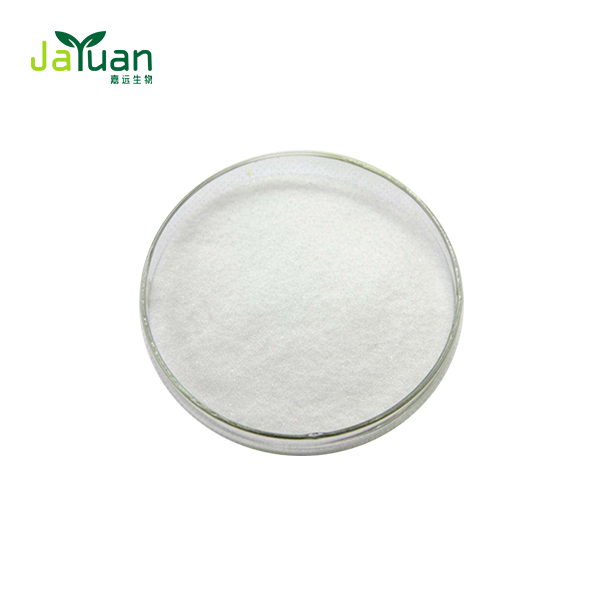
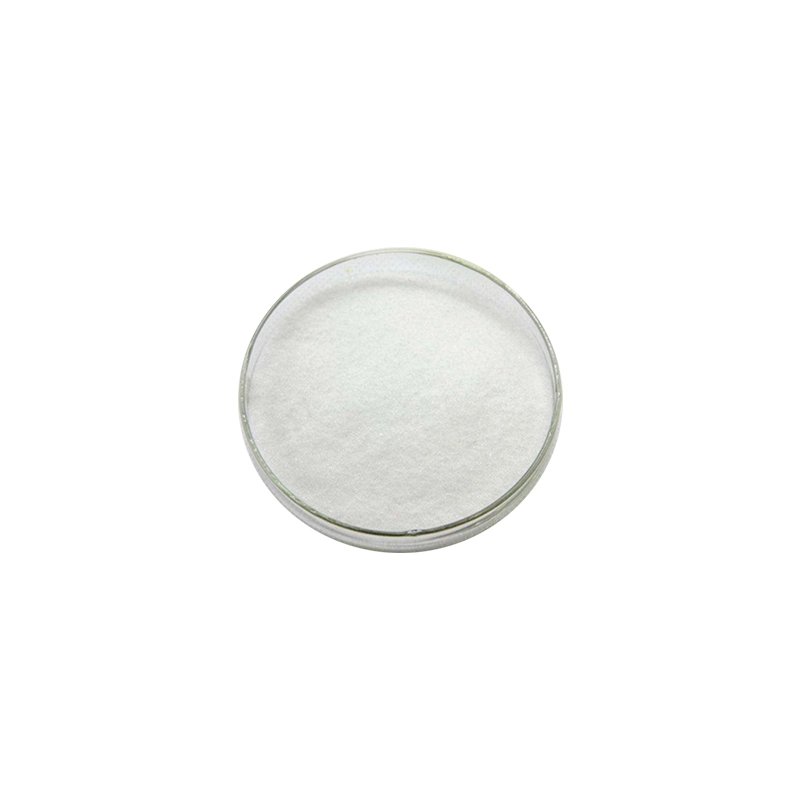
The steroid sapogenin (C₂₇H₄₂O₃) that makes up diosgenin powder is mostly taken from Dioscorea species, like wild yam and fenugreek seeds. It is a white to off-white solid powder that is used to make more than half of the world's steroidal drugs, such as corticosteroids, oral contraceptives, and hormone replacement treatments.
Botanical source: yam
Part of used: Rhizomes
Specs Available: ≥98% HPLC
Melting Point: ≥195℃(95%)
Appearance: White Powder
CAS NO.: 512-04-9
Molecular Weight: 414.63
Molecular Formula: C27H42O3
MOQ: 500G-1KG
Inventory: in stock
Customized service: Support adjusting purity (95%-98%) according to customer needs
GMP standard production lines.
Payment: 100% TT in advance
Certificaions: FSSC2000/ISO2000/HALAL/KOSHER/HACCP
Delivery terms: FedEx, DHL, EMS, UPS, TNT, all kinds of the airline, international shipping companies.
Free sample is available.
We do not sell retail quantities to individuals.
Understanding what makes pharmaceutical-grade diosgenin different from market extracts is important for procurement managers, research and development teams, and supplement formulators because it affects the quality of the product, how well it meets regulations, and the cost of making it. This piece gives buyers the useful details they need, like chemical specs, quality standards, how to judge a seller, and needs that are specific to an application.
Understanding Diosgenin Powder
Chemical Structure and Botanical Origins
The molecule's spirostan skeleton makes it perfect as a building block for making steroids. Diosgenin for industrial use mostly comes from Dioscorea zingiberensis, Dioscorea nipponica, and Trigonella foenum-graecum (fenugreek). Acid processing changes the naturally occurring saponins into the free aglycone form after harvesting. This is the pure powder that makers buy. Key physical parameters for quality verification include a melting point of 204–208°C, specific rotation [α]D²⁵ between -129° and -132°, and good solubility in ethanol and chloroform. These aren't just academic numbers.
A melting point outside this range often signals impurities or degradation, while solubility behavior affects how easily the powder disperses during formulation. Batch-to-batch consistency on these parameters matters far more for manufacturing than for whole-plant extracts, where natural variation is expected.
Key Health Benefits and Functional Properties
Research supports several functional properties that drive commercial demand:
- Antioxidant activity through modulation of cellular oxidative stress pathways, making it relevant for anti-aging and wellness formulations.
- Hormone-balancing applications in women's health products—particularly menopause support—due to structural similarity to endogenous human hormones.
- Metabolic effects that have led to inclusion in weight management supplements, though clinical data in this area remains early-stage.
- Cholesterol-modulating properties studied in cardiovascular health contexts.
What matters for buyers: not every application requires the same purity grade. A nutraceutical formulator working on a multi-ingredient blend has different needs than a pharmaceutical manufacturer synthesizing corticosteroids. Matching the grade to the use case avoids overpaying for unnecessary purity or under-specifying for regulated applications.
Safety Profile and Dosage Guidelines
Regulatory bodies like the European Medicines Agency and the U.S. Food and Drug Administration have carefully looked over botanical preparations that contain diosgenin. The usual daily dose for food pills is between 50 mg and 400 mg, but this depends on what they are meant to be used for and what other ingredients are in them.
Product designers need to think about how absorption changes between regular powder and improved forms like micronised or complexed diosgenin. Stability testing under ICH circumstances shows that the active substance stays within the limits given for the amount of time listed on the label. Formulators save months of work when they work with suppliers who offer fast and real-time stability data.
It is necessary to follow the European Pharmacopoeia (EP) and United States Pharmacopoeia (USP) standards for pharmaceutical-grade materials. These standards set the levels of identity, purity, and imperfection that are used in government reports.
Comparing Diosgenin Powder with Alternatives and Extracts
Compositional Differences: Pure vs. Whole Plant Materials
Raw fenugreek extract and whole wild yam powder usually have 1 to 6 percent diosgenin in them, along with proteins, fibre, starches, and many other phytochemicals. Pure diosgenin powder gives you 95–99% of the active ingredient. Because of this, a formulator who uses whole powder needs about 15–100 times more material to get the same active amount. This changes the size of the pill, the weight of the filling, and the cost per unit.
Still, whole plant powders have their place. The extract of fenugreek gives you extra nutrients that can be used in food. The story of how wild yam powder works as a folk medicine helps sell it. You can choose based on whether your product needs standardised strength or plant variety. Most medicine uses can't handle the fact that whole-plant materials can be different.
Organic vs. Synthetic Sourcing Considerations
Diosgenin from plants makes up most of the market for brands that make claims about having clean labels or being natural. Certified organic material commands a higher price in some markets, but the supply can change depending on harvest yields, weather patterns, and the availability of resources in different areas.
A fully synthetic route exists but sees limited commercial adoption. While synthetic diosgenin offers predictable pricing and supply stability, it faces regulatory scrutiny in markets where “natural” claims matter. Most pharmaceutical manufacturers prefer the botanical route—modern purification technology achieves purity levels matching or exceeding synthetic material while preserving the natural origin that simplifies labeling and marketing.
Cost-Benefit Analysis Across Product Forms
Price per kg doesn't tell the whole story. Standard powder gives formulators the most freedom because they can change the particle size, blend ratios, and packaging factors. Encapsulated or pre-formulated goods cut down on the steps that need to be done in-house, but they cost more because the provider has to do the handling and quality control work.
The other big cost driver is bioavailability. Some companies spend money on micronization or cyclodextrin complexation to make their products easier for the body to absorb. The cost of the ingredients goes up because of these technologies, but the dose per serve may go down, which changes the numbers further down the line. When it comes to these trade-offs, procurement teams that work with R&D make better choices that save money overall than procurement teams that only look at item prices.
Procurement Considerations for Diosgenin Powder
Essential Quality Metrics and Certifications
Three certification layers matter most when evaluating a diosgenin supplier:
- GMP certification confirms the facility operates under pharmaceutical-grade controls for contamination prevention, equipment calibration, and batch traceability. Without it, regulatory filings become significantly harder.
- ISO 9001 establishes the quality management framework. ISO 13485 adds medical-device and pharmaceutical-ingredient specificity that ISO 9001 alone does not cover.
- Batch-level purity testing via HPLC (high-performance liquid chromatography) remains the industry standard. Every shipment should come with a Certificate of Analysis showing assay, moisture content, heavy metals, microbial limits, and residual solvents.
The purity level of pharmaceutical-grade diosgenin powder should be at least 98%. Cosmetic and supplement grades usually accept at least 95%, but stricter requirements lower formulation variability. GC-MS (gas chromatography–mass spectrometry) checks for possible contaminants a second time, which HPLC might miss.
Suppliers that offer both real-time process monitoring (such as near-infrared spectroscopy during production) and offline confirmatory testing demonstrate a quality infrastructure that reduces your incoming QC burden.
Supplier Selection Criteria
Match your supplier's ability to the growth of your number. A facility with 10-ton production lines has different costs than a pilot-scale lab, and switching suppliers in the middle of a project is disruptive. Find out the minimum order quantity right away, as they can be very different.
Both price and supply efficiency are affected by how close a place is to where raw materials are found. Shorter and more reliable supply lines are good for suppliers who are close to places where Dioscorea grows. Check this out, don't just assume it.
The ability to provide technical help is what sets real partners apart from common sellers. Can the supplier help you with formulation, help you with regulatory paperwork for your target markets, or fix problems with stability? Over a number of years, these services become more valuable.
Negotiating Terms and Managing Orders
Pricing that is based on annual volume commitments creates incentives for both parties. Make sure that the quality requirements, such as the test method, acceptance standards, and ways to settle disagreements, are written in both the supply agreement and the buy order. This will keep you safe if a batch doesn't have enough.
Landed cost is directly related to the ability of logistics. An expert foreign provider knows the right HS codes for diosgenin powder, knows what the import rules are for the target country, and can give customs officials the paperwork they need. Paperwork mistakes that cause delays at the border cost more than the shipping itself.
Applications and Industry Use Cases
Pharmaceutical Manufacturing Applications
Pharmaceutical companies are the main ones who use high-purity diosgenin powder. During the next few decades, the Marker breakdown pathway got better after being found in the 1940s. It turns diosgenin into pregnenolone. Making cortisone, progesterone, and many other corticosteroid drugs starts with this step.
The drug industry now has a simple, low-cost alternative to getting drugs from animal organs or using the complicated process of total synthesis. People who work on developing drugs are still trying to change the structures of steroid derivatives that come from diosgenin so that they work better with receptors and cause fewer side effects. It speeds up these study projects when they can always get high-quality materials to start with.Nutraceutical and Dietary Supplement Formulations
Nutraceutical and Dietary Supplement Formulations
The biggest nutrition market for diosgenin powder is women's health goods. It is often found in formulas for menopause support with red clover, black cohosh, and soy isoflavones. These are mixed to help with hormonal changes in a way that works with the other ingredients. The substance is included because its structure is similar to that of natural hormones. However, makers must be careful when making structure-function claims because of rules set by regulators.
More and more weight loss products contain diosgenin powder, which is often mixed with green tea extract, conjugated linoleic acid, and chromium to help the metabolism in more than one way. It is combined with vitamins C and E, as well as selenium, in antioxidant formulas to make claims of better cell defence.
Cosmetic and Personal Care Product Development
Anti-aging skin care items are a growing market for diosgenin made for cosmetics. Formulators like its antioxidant benefits for making safe serums and creams, and the idea of a "plant-derived active" fits well with how clean-beauty brands are positioned.
Cosmetic-grade standards are different from pharmaceutical standards because they usually accept a minimum of 95% purity and a different profile of impurities. However, strict microbial control and stability testing are still needed. The move toward active ingredients that come from plants and have performance data to back them up supports charging more for well-known, traceable material.
Conclusion
It's easy to find good diosgenin powder as long as you do three things: make sure the purity grade fits your needs, look at the supplier's background and lab work, and negotiate terms that protect quality while keeping the total cost low. It is known to be used in the making of steroids, and more and more it is being used in vitamins and makeup. That's why it's an important factor to find the right way. Legal risk is lower when there is a good supply relationship. New formulations are made faster, and production costs stay stable.
FAQ
1. What is the typical purity range for commercial diosgenin powder?
Commercial diosgenin powder ranges from 95% to 99% purity depending on the intended use. Pharmaceutical-grade material for hormone synthesis requires 98%+ with strict impurity controls and comprehensive residual solvent testing. Cosmetic and supplement grades are generally acceptable at 95%+ purity. Higher purity adds cost—each additional purification step increases processing expense—so matching the grade to the application avoids unnecessary spending.
2. How does diosgenin powder compare to wild yam extract in supplement formulations?
Diosgenin powder (95–99% pure) delivers roughly 15 to 100 times more active compound per gram than wild yam extract (1–6% diosgenin content). This means smaller capsules, more precise dosing, and simpler formulation math. Whole-plant extracts carry additional phytochemicals that some brands prefer for a broader botanical profile. The choice should reflect whether your product positioning prioritizes standardized potency or whole-herb complexity.
3. What storage conditions ensure maximum shelf life?
Store diosgenin powder in a cool, dry environment at 15–25°C, in sealed containers protected from moisture and direct light. Nitrogen-flushed packaging further reduces oxidative degradation. Under these conditions and with moisture content held at or below 0.5%, pharmaceutical-grade material typically remains stable for at least three years. Always reference your supplier's Certificate of Analysis for lot-specific storage recommendations, and schedule periodic re-testing for long-held inventory.
Partner with Jiayuan Bio-Tech for Premium Diosgenin Powder Supply
Jiayuan Bio-Tech manufactures diosgenin powder using advanced extraction and purification technology with rigorous quality control at every stage. Our production facility near the Qinling Mountains gives us direct access to premium raw Dioscorea material—a supply-chain advantage that translates to competitive pricing without compromising quality.
Our simulated moving bed (SMB) chromatography process always gives us purity levels above 98% and great consistency from batch to batch. The automatic DCS control system keeps exact extraction settings, so there isn't much difference between production runs. Over 90% of the solvent can be recovered by an integrated ethanol recovery system. This keeps your material costs low.
We keep our GMP and ISO 13485 certifications up to date and offer full documentation packages for regulatory submissions in the U.S., Europe, and Asia. Nitrogen-flushed package keeps the purity of the goods for many years. No matter if you need pharmaceutical-grade material for synthesising steroids, cosmetic-grade material for skin care products, or research-grade material for lab studies, our production scale can handle it all.
Every shipment includes a comprehensive Certificate of Analysis with HPLC assay results, residual solvent data, heavy metals screening, and microbial limits. For international clients, our logistics team manages customs documentation and coordinates delivery to your facility.Reach our technical team at sales@jayuanbio.com or sales1@jayuanbio.com to discuss your specifications, request samples, or obtain pricing for your volume requirements.
References
1. \Marker, R.E. et al. "Steroidal Sapogenins: Extraction and Conversion of Diosgenin to Progesterone." Journal of the American Chemical Society, vol. 69, no. 9, 1947, pp. 2167-2171.
2. Chen, P.S. et al. "Pharmacological Applications of Diosgenin in Pharmaceutical Manufacturing and Nutraceutical Development." Phytochemistry Reviews, vol. 18, no. 4, 2019, pp. 1025-1045.
3. United States Pharmacopeial Convention. "Diosgenin: Chemical and Physical Properties." USP-NF Monograph Standards, 43rd Edition, 2020.
4. Zhang, L. and Wang, Y. "Advanced Extraction Technologies for Steroidal Sapogenins from Dioscorea Species." Industrial Crops and Products, vol. 146, 2020, pp. 112-125.
5. European Medicines Agency. "Quality Guidelines for Botanical Starting Materials in Pharmaceutical Manufacturing." EMA Technical Standards Documentation, 2021.
6. Setzer, W.N. and Vogler, B. "Biological Activity and Chemical Composition of Dioscorea-Derived Phytosteroids." Journal of Natural Products Research, vol. 35, no. 8, 2021, pp. 1456-1478.