
The Melatonin Powder Uses for Supplement Manufacturers
Melatonin powder is an important element for supplement makers in the sleep health industry. This crystalline form of N-acetyl-5-methoxytryptamine allows accurate dosage and flexibility of formulation as well as low-cost manufacture in many product lines. Its bioavailability and stability are harnessed by manufacturers to generate sleep aids, circadian rhythm support formulations, and antioxidant fortified nutraceuticals that fulfill a variety of consumer demands in the pharmaceutical, dietary supplement and functional beverage industries.

Understanding Melatonin Powder and Its Market Potential
The sleep health industry has exploded, and there is a growing need for natural solutions to sleep issues and circadian rhythm dysfunction. This development trajectory as a business-to-business ingredient is supported by melatonin powder, allowing producers the raw resources to create competitive goods.
Defining Melatonin Powder and Its Chemical Profile
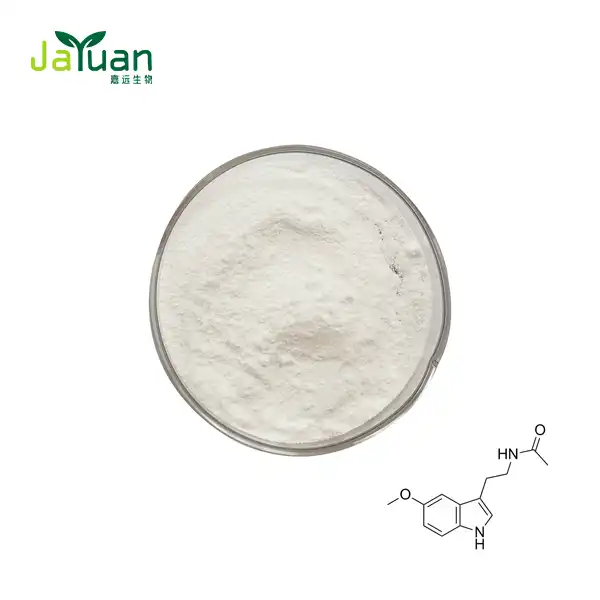
Melatonin powder is the neurohormone that is spontaneously produced by the pineal gland. It is the pure crystalline version of the hormone. This substance is mostly derived via chemical synthesis processes in the production of commercial supplements with pure levels over 99% appropriate for therapeutic usage. The chemical compound (CAS No: 73-31-4) is highly stable if stored properly and it retains its strength throughout the formulation process. This shape is popular with manufacturers because it avoids the absorption problems that might occur when tablets are compressed or encapsulated. This allows tablets to be accurately incorporated into different distribution methods.
Current Market Dynamics and Growth Drivers
The global sleep aid market shows that people are becoming more aware of how good sleep is linked to overall health. According to research institutions, about 30% of adults in developed countries have trouble sleeping sometimes. This has created a strong need for natural solutions. Because of this change in customer tastes, drug companies and supplement companies have added melatonin-containing products to their lines. Manufacturers like bulk powder formats because they allow for quick prototyping, custom dosage development, and more efficient production workflows than pre-formulated options.
Comparative Advantages Over Alternative Formats
Procurement experts have to think about the actual benefits of different melatonin forms when they look at ingredient choices. Melatonin powder is the best choice for professional manufacturers because of the following benefits:
- It's important to know how material format affects production efficiency and final product quality before looking at these benefits. As you can see, each advantage solves a different problem that production teams often face.
- Enhanced Formulation Flexibility: Raw powder can be easily added to pills, tablets, sublingual lozenges, drink mixes, and topical uses; it doesn't need to be reformulated. Because of this, manufacturers can serve a wider range of customers with a single stock of an ingredient, which simplifies their inventory and lowers the cost of buying it.
- Superior Cost Efficiency: Buying powder in bulk usually results in 40–60% lower per-dose costs than buying powder in pre-packaged or measured forms. Instead of sticking to standard capsule counts, manufacturers can find the best batch sizes based on their production schedules. This cuts down on waste and improves margin performance.
- Quality Control Precision: When working with pure powder, testing procedures are easier to follow. When compared to composite products with many ingredients, HPLC assays, particle size analysis, and microbial screening give more accurate baseline data. This openness makes regulatory compliance paperwork stronger and speeds up the batch release process.
- Extended Shelf Stability: Powder that is properly packed stays active for more than three years as long as the moisture level stays below 0.5% and it is stored in nitrogen-filled containers. This longer-term viability lowers the pressure to sell inventory quickly and encourages strategic stockpiling during times when market prices are high.
How to Choose the Right Melatonin Powder for Supplement Manufacturing
To choose the right melatonin ingredient provider, you need to carefully look at a lot of technical and business factors. To set up reliable supply chains, business-to-business buyers have to find a balance between purity standards, certification requirements, and cost structures.
Defining Purity Standards and Sourcing Methods
For pharmaceutical uses, melatonin powder needs to be at least 99% pure, which can be shown by HPLC testing that finds related substances and possible by-products of synthesis. Depending on the end use, cosmetic-grade formulas may be able to handle pure levels between 95% and 98%. Synthetic sourcing, which starts with 5-methoxy-3-indoleacetonitrile precursors, provides consistent quality and gets rid of the biological contamination risks that come with extraction methods that use animals. Some regulatory frameworks make a difference between synthetic and naturally-sourced compounds, so companies that want to sell their products with organic certification should check to see if the synthetic production routes they use are in line with their labeling standards.

Evaluating Supplier Certifications and Compliance Records
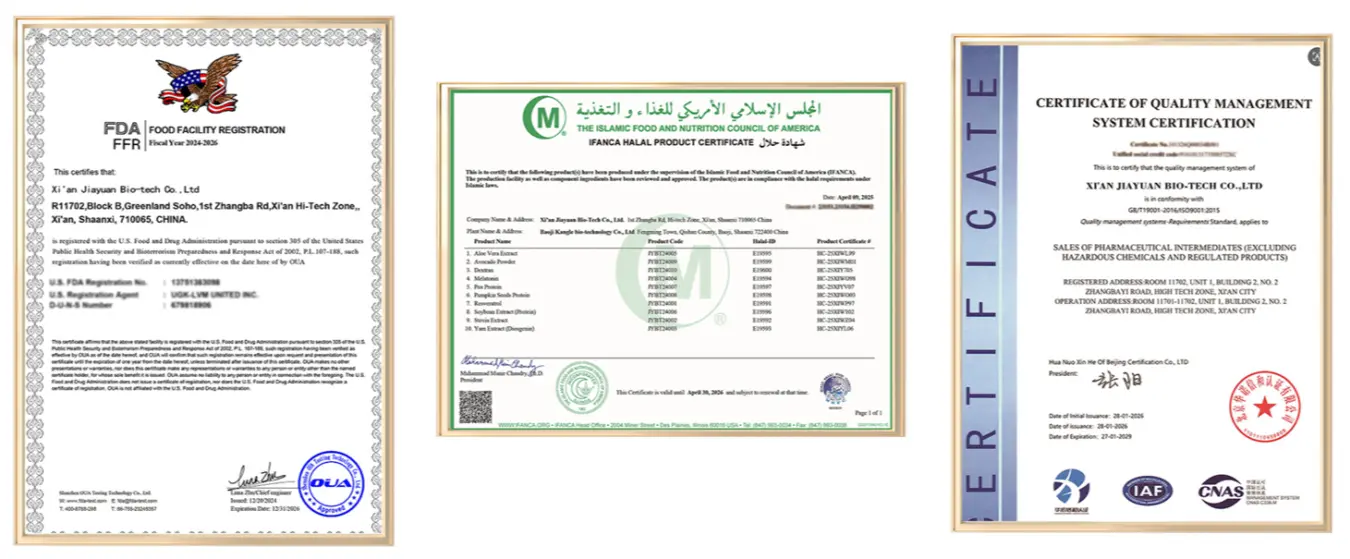
Supplier approval methods are based on making sure that regulations are followed. GMP approval shows that production sites keep controlled environments, processes that have been tested, and quality systems that have been written down. When melatonin ingredients are used in pharmaceutical or medical product markets, ISO 13485 approval is very important. Certificates of Analysis (CoA) for representative batches should be easy for suppliers to provide. These should include full testing data for heavy metals (Lead, Arsenic, Cadmium, and Mercury), residual solvents (ethanol and methanol), and microbiological parameters (Total Aerobic Microbial Count, absence of E. coli and Salmonella). When procurement teams look over these packages of paperwork, they can tell if the quality systems of suppliers are in line with the USP and EP pharmacopoeia standards that apply to the target markets.
Cost Analysis and Bulk Procurement Strategies
To figure out the price per gram, you have to add up all the costs of getting the goods to your country, such as shipping, clearing customs, and storing them. Manufacturers who plan to make more than 500 kg of goods a year can usually get better prices by signing annual supply deals that lock in rates but allow for flexible delivery. Looking at how prices have changed over time across several suppliers can help you figure out where you stand in the market and what risks might be in the supply chain when prices are unusually low. Suppliers who are open and honest break down in detail how things like solvent collection systems, automatic production controls, and economies of scale help keep prices low without lowering quality standards.
Manufacturing Considerations and Best Practices Using Melatonin Powder
When melatonin powder is added to supplement formulas, there are some technical issues that need to be dealt with ahead of time. During the whole manufacturing process, production teams have to deal with precise dosing, even mixing, and keeping things stable.
Overcoming Common Production Bottlenecks
When working with low-dose active ingredients like melatonin, where serving sizes usually run from 1 mg to 10 mg, dosage consistency is the most important thing. Specialized blending tools and methods are needed for larger batch sizes to get a uniform distribution. To keep concentration gradients from happening, manufacturers use geometric dilution techniques to mix melatonin powder with increasing amounts of other ingredients. The consistency of particle size (usually 80–100 mesh) has a big effect on the homogeneity of the blend. This is why checking the specifications of arriving materials is an important part of receiving inspection processes.
Because melatonin is sensitive to light, heat, and wetness, there are worries about how stable the product will be. The temperature and humidity levels in production areas should be kept under control, and there should be designated storage areas with containers that block light. Scientists who work on formulas often use stabilizing excipients to make protective matrices around active molecules. This keeps the product's potency claims throughout the expiration dates.
Quality Control Protocols and Testing Requirements
Modern makers use two types of quality control systems that work together to watch the process in real time and test large batches of products thoroughly. Near-infrared spectroscopy lets you check the regularity of the blend while it's being made before the final dose form is made. Offline HPLC testing checks the end product's effectiveness and looks for breakdown products that could appear during processing. With gas chromatography-mass spectrometry (GC-MS), you can find any solvents that are left over from making ingredients or excipients.
These testing protocols make records that are needed for regulatory submissions and quality agreements with customers. Current Good Manufacturing Practices (cGMP)-compliant factories include these checkpoints in verified batch records that show the whole process, from receiving raw materials to releasing finished goods.
Learning from Successful Implementation
When they switched from small batches to big batches, a medium-sized sleep health supplement firm had problems maintaining quality. By controlling mixing rates and durations using DCS-controlled blending devices, the factory achieved coefficient of variation below 5% across production runs. Automated moisture management during encapsulation improved stability, and customer strength loss complaints reduced 73% over 12 months. This structured method for discovering and addressing bottlenecks illustrates how focused technology expenditures may improve quality.
Melatonin Powder Product Forms and Their Application Advantages
Supplement companies cater to a wide range of customer tastes by offering a number of different delivery forms, each of which has its own benefits for certain groups of people. Understanding why a style was chosen is important for developing a planned product range.
Comparing Delivery Systems and Their Strategic Benefits
Standardized sleep support goods work best in capsule form because they are easy for customers to use and give accurate doses. Custom dosing is possible with melatonin powder blends made for beverage uses, and they appeal to people who like liquid forms. Melatonin powder is bioavailable in a way that makes sublingual tablets work faster than swallowed forms, which is good for people who want to feel effects quickly.
When manufacturers choose a format, they should think about the capabilities of their production equipment, the preferences of their target market, and the legal requirements that are unique to each delivery system. The raw powder format lets all of these finished goods be made from a single source of ingredients, which makes buying things and keeping track of supplies easier.
Matching Product Forms to Consumer Segments
Format preferences vary across demographic groups, which are affected by lifestyle factors and the times when they are used. Younger people tend to like gummy or drink forms that fit in with their social drinking habits. Older people, on the other hand, like traditional capsules or tablets that are easy to carry around. Products that are meant to be taken on trips do better in small packages, like sublingual strips or single-wrapped doses that meet TSA liquid limits.
By understanding these patterns of consumer preference, companies can create targeted product lines that reach as many people as possible without having to change the ingredients. Working with providers who offer flexible batch sizes helps the testing of new products on the market and the creation of new products.
Addressing Safety, Dosage, and Side Effects in Product Development
Making supplements in a responsible way means paying close attention to safety rules and being clear about how to use the supplements correctly. For their downstream customers, B2B suppliers do important educational work.
Establishing Safe Usage Guidelines
Melatonin powder supplements are safe as long as they are taken in the amounts that are suggested by doctors. Adult products usually have between 1 and 10 mg per dose, while kids' products (if allowed by local laws) have between 0.5 and 3 mg. On the label, manufacturers should make it clear that melatonin does not act as a sedative but rather helps the body's natural sleep processes.
Common side effects like feeling sleepy for a short time, getting a slight headache, or having sensitive stomachs rarely happen at the suggested amounts. On the product label, it should say that people shouldn't drive or operate machinery for a few hours after taking melatonin and should talk to their doctor before taking it with other sleep aids or medications.
Regulatory Compliance and Documentation Requirements
When selling melatonin ingredients to other businesses, the companies that do so must keep a lot of regulatory paperwork to back up their customers' needs for market access. This includes thorough product specs, stability studies that back up claims about shelf life, and safety data sheets that talk about how to handle the product safely. When companies sell finished goods in foreign markets, they have to deal with different legal classifications. For example, in some places, melatonin is considered a dietary supplement, while in others, it is controlled as a drug and needs a prescription to be accessed.
Helping customers further down the chain with regulatory changes and paperwork makes partnerships stronger and turns suppliers into strategic partners instead of just transactional vendors.
Procurement Strategies and Trusted Suppliers of Melatonin Powder
Setting up reliable supply chains for ingredients requires picking the right suppliers, keeping an eye on their performance, and managing relationships in a strategic way. Quality assurance, cost management, and supply consistency goals must all be balanced by procurement experts.
Identifying Certified Vendors and Evaluation Criteria
Leading melatonin powder suppliers set themselves apart by having clear quality systems, the ability to test a lot of different things, and a steady production capacity. Certifications like GMP, ISO standards, and regional quality marks (like NSF or USP proof) give you peace of mind about how the product is made. In addition to certifications, procurement teams should look at how well providers can help with technical issues, how knowledgeable they are about regulations, and how ready they are to provide custom specs to meet particular formulation needs.
We at Jiayuan Bio-Tech are known for providing pharmaceutical-grade melatonin powder that is more than 99% pure. We do this by using advanced simulated moving bed chromatography techniques. Our automated DCS systems keep stability from batch to batch, which is important for makers to meet regulations and keep customers happy. Because the plant is close to the Qinling Mountains raw material area and has a vertically integrated supply chain, prices stay stable and deliveries happen on time, which helps our customers plan their production.
Understanding Market Pricing and Negotiation Tactics
The price of melatonin powder changes depending on the cost of raw materials, how well output capacity is being used, and how the market is competitive. Procurement experts with a lot of experience look at price changes across several quarters to find the best times to buy and negotiate volume commitments that get better rates. Suppliers who are open and honest about their practices explain how their production savings, like solvent recovery systems that can collect up to 90% of the ethanol they use, lead to lower costs for customers.
Manufacturers should approach pricing discussions armed with clear volume projections, delivery schedule requirements, and quality specifications. Setting up yearly supply deals with quarterly delivery releases strikes a mix between the costs of keeping inventory and the benefits of buying in bulk while still allowing for supply flexibility.
Building Long-Term Supplier Partnerships
Strategic ties with suppliers include more than just buying things. They also include working together to make new products, sharing information about regulations, and analyzing market trends. Leading ingredient suppliers care about their customers' success and offer formulation advice, help with stability testing, and documentation support for regulatory submissions. These services that add value set strategic partners apart from basic suppliers who only compete on price.
Conclusion
In conclusion, melatonin powder is an important ingredient for supplement companies that are making goods to help people sleep better and support their biological rhythms. Its pharmaceutical-grade purity, formulation flexibility, and low cost make it possible for a wide range of products to be made for research institutions, pharmaceutical companies, nutraceutical brands, and food and drink companies. Quality certifications, reliable suppliers, and clear pricing structures that support scalable production operations are all important parts of good procurement strategies. Manufacturers gain a competitive edge in the sleep health market, which is growing quickly, by working with highly advanced providers that offer full quality control, regulatory knowledge, and collaborative support services.
FAQ
1. What purity level should manufacturers require for supplement applications?
Pharmaceutical-grade melatonin powder is usually ≥99% pure, which can be proven by HPLC testing. This means that it can be used to give exact doses in sleep aids. Depending on the regulations and the needs of the mixture, grades of 95 to 98% purity may be used in cosmetic and functional food uses. Always make sure that the supplier's certificates of analysis include tests for heavy metals, related chemicals, leftover solvents, and microbiological factors that meet USP or EP standards.
2. How does synthetic melatonin powder compare to naturally-sourced alternatives?
Chemical ingredients are used to make synthetic melatonin, which is more consistent and doesn't have the contamination risks that come with biological extraction. The chemical makeup stays the same as melatonin made by the body, so it has the same biological effects. Most manufacturers choose synthetic sourcing because it is reliable, can be scaled up, and meets GMP production standards, which are needed to follow the rules.
3. What storage conditions preserve melatonin powder stability?
Keep large powder in containers that are sealed and filled with nitrogen. Keep these containers out of direct sunlight. Keep the temperature in storage areas between 15°C and 25°C and the relative humidity below 60%. Material that is kept properly will keep its effectiveness for at least three years, but makers should use first-in, first-out product rotation and do stability tests on a regular basis to make sure the quality stays high.
Partner with Jiayuan Bio-Tech for Premium Melatonin Powder Supply
When supplement companies are looking for a reliable source of melatonin powder, working with Jiayuan Bio-Tech has clear benefits. Our material for pharmaceutical use is more than 99% pure thanks to modern simulated moving bed chromatography and automatic DCS controls that keep batch differences to a minimum. Our GMP and ISO certifications give us access to markets in Europe, the US, and China. Our dual quality control systems, which include real-time near-infrared monitoring and offline HPLC verification, make sure that every shipment meets the strict standards set by the EP and USP pharmacopoeias.
Our 10-ton annual production capacity, efficient liquid recovery systems, and vertically integrated supply chain allow us to offer lower costs that are 40–60% lower than small-scale options without lowering the quality. We can make changes that are flexible, from pharmaceutical-grade to cosmetic-grade standards, and our batch sizes are big enough to handle both large-scale production and new research and development projects. You can email our technical team at sales@jayuanbio.com and sales1@jayuanbio.com to talk about your specific formulation needs, ask for certificates of analysis, or set up an evaluation of a sample. Visit jayuanbio.com to see our full range of natural extracts that can help you reach your product development goals.
References
1. Hardeland, R., Pandi-Perumal, S. R., & Cardinali, D. P. (2018). "Melatonin: Chemistry, Biosynthesis, Metabolism, and Clinical Applications." CRC Press, Boca Raton, Florida.
2. Reiter, R. J., Tan, D. X., & Galano, A. (2020). "Melatonin: Pharmacology and Clinical Applications in Sleep Disorders." Journal of Pineal Research, Vol. 68, Issue 2, pp. 87-104.
3. Auld, F., Maschauer, E. L., Morrison, I., Skene, D. J., & Riha, R. L. (2017). "Evidence for the Efficacy of Melatonin in the Treatment of Primary Adult Sleep Disorders." Sleep Medicine Reviews, Vol. 34, pp. 10-22.
4. Zhdanova, I. V. (2019). "Melatonin as a Nutraceutical: Formulation Challenges and Bioavailability Enhancement Strategies." Pharmaceutical Development and Technology, Vol. 24, Issue 7, pp. 847-859.
5. Ferracioli-Oda, E., Qawasmi, A., & Bloch, M. H. (2016). "Meta-Analysis: Melatonin for the Treatment of Sleep Disorders in Healthy Adults." Journal of Clinical Sleep Medicine, Vol. 12, Issue 5, pp. 681-694.
6. Costello, R. B., Lentino, C. V., Boyd, C. C., O'Connell, M. L., & Crawford, C. C. (2021). "The Effectiveness of Melatonin Supplementation for Sleep-Wake Cycle Disorders: A Systematic Review." Nutrition Journal, Vol. 20, Article 18, pp. 1-15.