Melatonin Powder: A B2B Buyer’s Guide to Quality and Supply
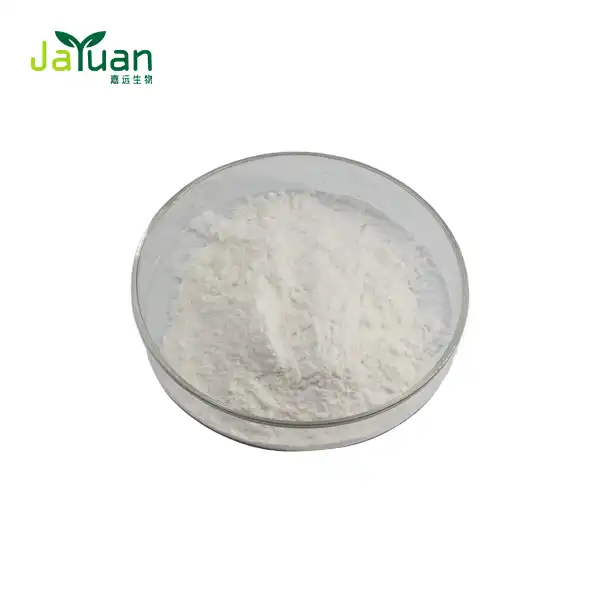
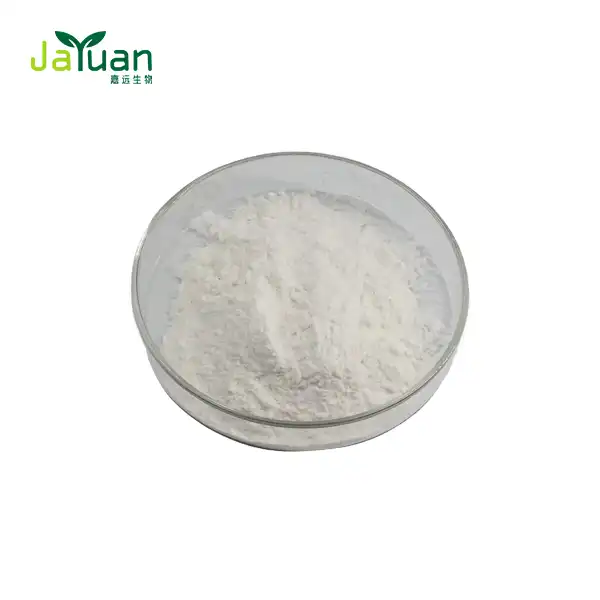
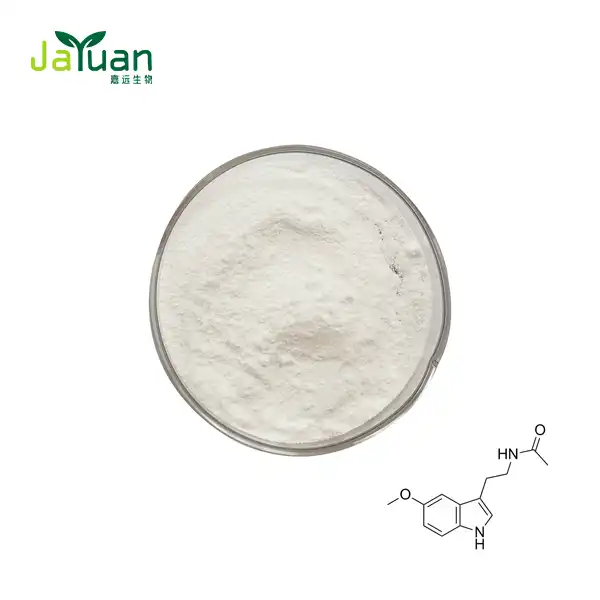
When sourcing melatonin powder for pharmaceutical, nutraceutical, or cosmetic applications, B2B buyers face a complex landscape of quality standards, supplier capabilities, and regulatory compliance. This crystalline neurohormone—chemically known as N-acetyl-5-methoxytryptamine—has evolved from a niche sleep aid ingredient to a multi-industry raw material valued for its circadian rhythm support and antioxidant properties. Understanding the nuances of purity grades, production methodologies, and supplier reliability determines whether your final product meets market expectations while maintaining profitability across your supply chain.

Understanding Melatonin Powder – Composition, Benefits, and Safety
What Defines High-Quality Melatonin Powder?
The raw material you choose has a big effect on how well your product works and how well it meets legal requirements. There are two main types of melatonin powder: phytomelatonin, which comes from plants like St. John's Wort or some types of algae, and synthetic melatonin, which is made chemically from 5-methoxyindole derivatives. The B2B market is mostly made up of synthetic variants because they have a consistent molecular structure and can be scaled up. They usually have purity levels between 95% and 99.5%. When buying teams ask for quotes, knowing these chemical patterns helps them be clear about what they need.
Biological Mechanisms and End-User Applications
This indoleamine hormone is made by the pineal gland when it gets dark, which tells the body it's time to rest. End users of your customers' goods want to be able to fix sleep-wake cycles that get thrown off by things like working shifts, traveling across time zones, or sleeping in strange ways. New research shows that melatonin does more than help with sleep. It also helps control oxidative stress and seasonal mood changes. These benefits can be directly linked to product placement and marketing claims that lead to sales success in stores when making food supplements or functional drinks.
Safety Parameters and Dosage Considerations
Manufacturers who are making precise formulations need to know exactly what the safe usage limits are. Most food products have between 1 mg and 10 mg of melatonin per serving, but clinical studies have looked at doses up to 20 mg without finding any major side effects. Some common things to think about are brief sleepiness, light headaches, or sensitive digestion in some groups. If you store a product in the right way, it will stay stable for longer than three years and have a moisture content below 0.5%. These technical details have a direct effect on how you plan your production and keep track of your goods.
Comparative Insights – Choosing the Right Form of Melatonin for Your Business
Format Evaluation: Powder Versus Finished Forms
Bulk melatonin powder gives companies that are making different kinds of products the most options. When you compare this raw material to finished pills or sweets, you can see that it has big cost and customization benefits. Powder forms let you precisely change the dose and work with many delivery methods, such as sublingual tablets, effervescent mixes, and topical versions for skin care. The consistent particle size (usually 80–100 mesh) makes sure that your production batches are spread out evenly, whether you're making pressed tablets or mixing beverage powders.
The absorption profile is different for each version. Formulations with micronized powder that are meant to be dissolved under the tongue skip the first pass of metabolism, so they work faster than regular pills. Understanding these pharmacokinetic differences helps align product development with target market preferences. More and more, beverage companies want water-soluble versions that stay stable in acidic environments, while cosmetic companies want oil-soluble versions that can be applied directly to the skin.
Synthetic Versus Phytomelatonin: Procurement Trade-offs
Whether you buy synthetic or plant-based melatonin powder depends on three important factors: consistency in purity, cost, and regulatory positioning. Chemical synthesis-based synthetic production gives stable results and gets rid of batch-to-batch differences in plants that make quality control harder. When simulated moving bed chromatography is used in manufacturing, pharmaceutical-grade purity is reached above 98% with few flaws.
Brands that want to get organic approval or market their products as "natural" like phytomelatonin, but these types usually cost 25–40% more. Another thing to think about is the vulnerability of the supply chain. Botanical extraction depends on the seasons and weather, but synthetic production stays the same all year. Compliance teams should note that both forms meet USP and EP monograph standards when they are made correctly, but the documentation needs will depend on the market you are trying to reach.
Sourcing and Procurement Strategies for Melatonin Powder
Identifying Reliable Manufacturing Partners
Working directly with makers cuts down on the costs of going through middlemen and sets up clear lines of communication that are essential for technical specs and custom formulations. When looking at possible providers, give more weight to those that can show they can do everything from finding raw materials to packaging the finished goods. When factories are close to where raw materials are grown, they can often save money on costs by cutting down on transportation costs and making it easier to get fresh ingredients.
Request detailed paperwork that includes up-to-date Good Manufacturing Practice certifications, ISO 13485 compliance for medical-grade uses, and batch analysis certificates with HPLC test results. Suppliers who use Distributed Control Systems show they care about process stability by changing pH levels, temperature settings, and solvent ratios automatically between production runs to cut down on human mistake. These advances in technology directly lead to the stability that your quality assurance teams need from batch to batch for melatonin powder.
Negotiating Commercial Terms and Minimum Orders
Knowing how things usually work in the industry will help you negotiate. The lowest amount that most well-known makers will accept for an initial order is between 25 kg and 100 kg, and savings start to apply at 500 kg. Most of the time, 30% deposits are required against pro forma bills, and the rest is due when shipping papers are presented. Small-batch customization is possible with experienced suppliers during the development stages of a product. This lets the formulation be tested before going into full-scale production.
Melatonin powder is stable at room temperature, but during the summer or when traveling through tropical regions, climate-controlled containers are helpful. Specifications for packaging should include foil bags that keep out wetness and nitrogen flushing to keep things from going bad during long storing. We suggest asking for delivered prices that include help with clearing customs, especially when importing into countries with a lot of rules.
Quality Control Protocols That Protect Your Brand
Essential Testing and Analytical Standards
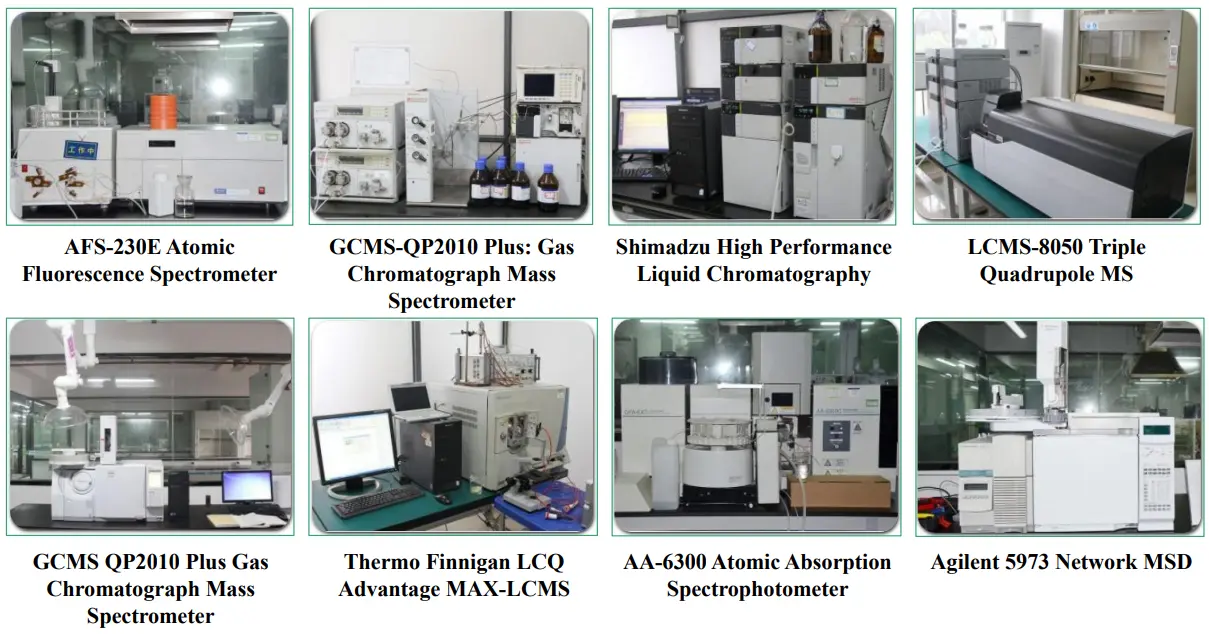
Thorough checking starts with an HPLC analysis to make sure the active ingredient is working properly and to look for any possible by-products or impurities from the manufacturing process. Pharmaceutical-grade melatonin powder is checked for Impurities A, B, and C, which are listed in pharmacopeial papers. Your quality standards should require testing methods that include the following:
- Gas chromatography checks for ethanol, methanol, or acetone that is still present to make sure the levels stay below the ICH Q3C guidelines. The most advanced suppliers use multi-effect evaporators that can recover solvents at rates higher than 90%, which reduces contamination and lowers production costs. This technology ability shows that the manufacturing process is advanced, which protects the purity of your formulation further down the line.
- ICP-MS can find heavy metals like lead, arsenic, cadmium, and mercury with a precision of parts-per-million. When suppliers get their materials from places with a lot of industrial pollution or use old, broken-down extraction equipment, the risk of contamination goes up.
- Laser diffraction study of particle sizes proves mesh consistency, which is important for even mixing in low-dose formulations where content evenness directly affects claims of product effectiveness.
Microbiological Safety and Shelf Stability
Controlling microbes while making and packing a product is important for its long-term safety. Total Aerobic Microbial Count limits, yeast and mold testing, and specific pathogen screening for E.coli and Salmonella all help keep people safe and make sure that the rules are followed. When suppliers keep cleanrooms with positive air pressure and HEPA filtration, the bioburden counts are lower. This means you don't have to use terminal sterilization as much, which could break down active ingredients.
Keeping the moisture level below 0.5% stops clumps and the growth of microbes while the food is being stored. When properly made and stored in light-resistant, nitrogen-flushed containers, melatonin powder stays effective for more than three years under controlled circumstances. These qualities of stability lower the risk of running out of inventory and allow for longer distribution routes, which is especially helpful when serving foreign markets with longer shipping times.
Jiayuan Bio-Tech: Manufacturing Excellence for Global Procurement
Cost-Effective Production with Dual-Specification Capabilities
Xi'an Jiayuan Bio-Tech is an expert in both natural plant products and synthetic active ingredients. They can make melatonin powder more efficiently by using modern production methods. Our manufacturing infrastructure is both efficient and compliant, which solves the problems that B2B buyers have when they have to balance budget limits with quality standards.
Dynamic countercurrent extraction and ultrasonic-assisted processes are used at our plant. These methods are 30–50% more efficient than traditional ones and use less solvent. The chromatographic purification system uses simulated moving bed technology to make sure that production never stops. It consistently achieves purity levels above 98% for pharmaceutical applications and above 95% for cosmetic formulations. With this dual-specification feature, brands can get different grades of a product from a single reliable partner.
Quality assurance combines near-infrared spectroscopy for real-time monitoring with HPLC and GC-MS instruments for thorough testing when the product is not being used. Our dual certification under GMP and ISO 13485 gives us entry to markets in North America, Europe, and the Asia-Pacific area. Each batch of products comes with all the paperwork you need to send them to the government, such as a Certificate of Analysis and reports on heavy metals and microbes.
Our tightly integrated method and economies of scale help us keep costs low. Our solvent recovery system, which includes multi-effect evaporators, recovers more than 90% of the ethanol and methanol. This cuts down on the cost of consumables, which we pass on to customers as low prices. The ability to produce 10 tons per year lowers operating costs, making the unit economics 40 to 60 percent better than those of smaller businesses. Because our plant is close to the Qinling Mountains raw material production zone, logistics are easier and there are incentives for regional growth that make the supply chain more resilient.
Decision-Making Framework for B2B Buyers – Selecting the Optimal Melatonin Powder Supplier
Defining Your Technical Requirements
Creating clear specifications that are relevant to your product group is the first step to successful procurement of melatonin powder. Pharmaceutical companies usually need products to be ≥99% pure with full impurity profiling, but nutrition companies may be okay with 95–98% grades at lower prices. Cosmetic uses focus on changing how fine the particles are and how well they dissolve in oil. Writing down these parameters ahead of time helps avoid misunderstandings and keeps supplier conversations focused on their ability to meet your production needs.
Evaluating Supplier Capabilities and Certifications
The choice of seller is affected by the expected volume. For example, new brands that start with 50 kg trial orders need partners who can offer flexible minimums and technical help while the formulation is being developed. Established makers who place quarterly orders of more than 500 kg have more power when they negotiate better prices and earlier production schedules. Manufacturing technology is a good way to tell what a company can do; automated control systems show that you care about regularity, and high-tech testing equipment shows that you care about quality for melatonin powder.

Building Strategic Partnerships Beyond Transactional Relationships
Long-term value creation includes more than just unit price. It also includes working together technically, making sure there is enough supply, and providing quick service. Suppliers who offer custom formulation support can help you speed up the development of your products, which could give you a competitive edge through proprietary blends or better bioavailability profiles. Communication infrastructure is important. Suppliers who offer dedicated account management and the ability to work with people from different time zones make it easier to coordinate operations.
Conclusion
To find the best melatonin powder, you need to find a balance between technical requirements, legal compliance, and business terms, all while keeping your business goals in mind. The best supplier gives consistent quality backed by strong certifications, reasonable prices that show how efficiently they run their business, and quick technical help throughout the lifecycle of your product. You can make sure that your purchasing decisions will stand up to market pressures and keep the quality of the products you buy by looking at production capabilities, testing protocols, and the resilience of the supply chain. As the need for ingredients that help with sleep and overall health keeps growing, building strong relationships with manufacturers who show they understand technology and the rules protects your brand's reputation and helps it grow even as the market changes.
FAQ
1. What purity grade should I specify for dietary supplement applications?
Melatonin powder with a grade of 95% to 99% is used in most nutraceutical goods. Pharmaceutical-grade versions meant for clinical use usually need to be ≥99% pure and have thorough impurity profiling. Depending on how the final product is positioned, cosmetic applications often accept grades between 95 and 98 percent. Higher clarity comes with higher prices, but it also means cleaner labels and less inactive ingredients in low-dose formulas.
2. How quickly can I expect delivery for initial sample orders?
Sample shipments usually go out three to five business days after confirmation. For international courier delivery, it can take an extra four to seven days, depending on how customs work in the destination country. Orders for commercial production need 15 to 20 days to be made plus the time it takes to ship. By making inventory forecasts, suppliers can divide up their production capacity, which shortens the time it takes to deliver items during your busiest times.
3. Can suppliers accommodate custom particle size specifications?
Controlled milling and classification processes let experienced manufacturers make particles of any size. Standard mesh sizes are between 80 and 100 microns, but micronization down to 10 microns can help with specific uses like making sublingual tablets or aerosols. For custom processing, the minimum order quantity usually starts at 100 kg so that the equipment can be set up and tested to make sure it works.
Partner with Jiayuan Bio-Tech for Your Melatonin Powder Supply
Get a leg up on the competition by working with a melatonin powder provider that combines high-quality production, compliance with regulations, and service that is focused on the customer. Jiayuan Bio-Tech sells cosmetic and pharmaceutical-grade ingredients and backs them up with thorough testing, competitive factory-direct pricing, and logistics support that makes buying from other countries easier. Our technical team works together to improve the formulation, and our quality systems make sure that every batch meets your needs and the rules set by the government. Contact our purchasing agents at sales@jayuanbio.com or sales1@jayuanbio.com to request product details, price quotes, or free samples.
References
1. Hardeland, R., Pandi-Perumal, S. R., & Cardinali, D. P. (2006). Melatonin: A versatile molecule in biological timekeeping and oxidative defense. International Journal of Biochemistry & Cell Biology, 38(2), 196-210.
2. Reiter, R. J., Tan, D. X., & Galano, A. (2014). Melatonin: Exceeding expectations on mitochondrial functions and therapeutic applications. Molecular and Cellular Endocrinology, 397(1-2), 1-22.
3. Pandi-Perumal, S. R., Trakht, I., Srinivasan, V., Spence, D. W., Maestroni, G. J., Zisapel, N., & Cardinali, D. P. (2008). Physiological effects of melatonin: Role of melatonin receptors and signal transduction pathways. Progress in Neurobiology, 85(3), 335-353.
4. Auld, F., Maschauer, E. L., Morrison, I., Skene, D. J., & Riha, R. L. (2017). Evidence for the efficacy of melatonin in the treatment of primary adult sleep disorders. Sleep Medicine Reviews, 34, 10-22.
5. Slominski, R. M., Reiter, R. J., Schlabritz-Loutsevitch, N., Ostrom, R. S., & Slominski, A. T. (2012). Melatonin membrane receptors in peripheral tissues: Distribution and functions. Molecular and Cellular Endocrinology, 351(2), 152-166.
6. Koziróg, M., Poliwczak, A. R., Duchnowicz, P., Koter-Michalak, M., Sikora, J., & Broncel, M. (2011). Melatonin treatment improves blood pressure, lipid profile, and parameters of oxidative stress in patients with metabolic syndrome. Journal of Pineal Research, 50(3), 261-266.