
Pure Melatonin for Shift Workers: Sleep Better Fast
Shift workers all over the US are facing a major problem that affects not only their own health but also the safety and efficiency of their workplaces. Because irregular work plans mess up people's normal sleep patterns, there is a constant need for good answers. Pure Melatonin has become known as an agent that can fix these problems with circadian rhythms at their cellular level. As a top natural extract provider, we know that pharmaceutical companies, nutraceutical companies, and health product makers need high-purity melatonin ingredients right away so they can make sleep aids that work for this growing market segment.

Understanding the Sleep Challenges of Shift Workers
The circadian cycle is the name for the body's highly tuned internal clock. When shift workers work outside of normal daily hours, this biological process is thrown off in a big way. The suprachiasmatic nucleus in the brain controls when you sleep and wake up. It gets mixed messages from your work plan and environmental cues.
Biological Disruption and Melatonin Suppression
Exposure to artificial lights at night stops the body from making its own melatonin, which is the hormone that tells the body it's time to sleep. Studies from the National Sleep Foundation show that compared to day workers, shift workers have 60% lower amounts of melatonin during the times they are supposed to sleep. This biological suppression leads to a chain of health problems, such as constant tiredness, poor brain function, and a weak immune system.
Workplace Safety and Productivity Impact
The effects go beyond people's health and affect important business-to-business issues. Companies that make things, care for people, and move things around lose a lot of output when their workers don't get enough sleep. A study in the Journal of Occupational and Environmental Medicine shows that shift workers who don't get enough sleep have 30% slower reaction times and make more mistakes when doing precise tasks. These numbers directly relate to incident rates and operating efficiency metrics that procurement managers and human resources teams care about.
Environmental and Lifestyle Factors
In addition to biological factors, shift workers also have to deal with external issues that make it harder for them to sleep. People who try to sleep during the day have to deal with noise from traffic, housework, and different family routines. Traditional sleep aids don't always work because they don't fix the problem that shift work causes with the body's natural clock. Because there aren't enough good options, drug companies and pill makers are looking for specific ingredients that work on regulating the circadian rhythm instead of just making people sleepy.
What is Pure Melatonin and How Does it Help Shift Workers?
Pure Melatonin is a bioidentical hormone ingredient that is carefully made using advanced manufacturing methods. In contrast to lower-grade options, pharmaceutical-grade melatonin powder meets strict quality standards that make it suitable for therapeutic uses that aim to fix problems with circadian rhythms.
Chemical Properties and Manufacturing Standards
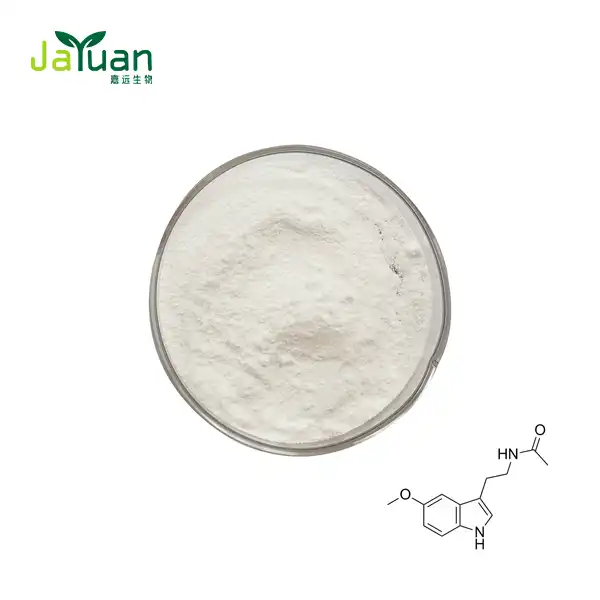
Technically, good melatonin powder looks like a solid material that is white to off-white and melts at temperatures between 116°C and 118°C. At Jiayuan Bio-Tech, we use simulated moving bed chromatography (SMB) in our filtering process. This lets us keep making things while keeping the purity level above 98%. Our automatic Distributed Control System precisely controls the pH, temperature, and solvent amounts during production. This makes sure that each batch is exactly the same, which is what pharmaceutical companies need. The powder doesn't dissolve well in water, so it needs to be mixed in a certain way. However, it dissolves easily in ethanol and propylene glycol, which makes it useful for a wide range of delivery methods, such as pills, sublingual tablets, and liquid preparations.
Mechanism of Action for Circadian Alignment
Attaching to MT1 and MT2 receptors in the suprachiasmatic nucleus is what extra melatonin does for the brain. This triggering of receptors acts like the natural chemical signal that sets off the sleep process. Supplementing with melatonin at the right time can "reset" the circadian clock for shift workers, making a fake darkness signal that helps them fall asleep no matter how bright it is outside. Studies published in Sleep Medicine Reviews show that taking melatonin supplements can help shift workers sleep better by reducing sleep delay by seven minutes on average and increasing total sleep length by about 25 minutes. These changes lead to more restorative sleep.
Benefits Beyond Sleep Onset
According to research, melatonin has other benefits that are important for people who work shifts. The molecule has antioxidant qualities that help lower the oxidative stress that comes with changing the body's internal clock. Some perks for cognitive function are better memory consolidation during changes in sleep cycles and less fatigue during the day. Because of these extra benefits, melatonin-based products are very appealing to business wellness programs and occupational health efforts that want to find complete answers for their shift workers.
Choosing the Right Pure Melatonin Product for Your Business Needs
When looking for melatonin ingredients, people who work in procurement in the pharmaceutical, nutrition, and food supplement industries have to make important choices. Understanding the detailed differences between the choices has a direct effect on how well the product works, how well it meets legal requirements, and how well it sells in the market.
Delivery Format Considerations
The form of an item has a big effect on both how it can be used in a recipe and how bioavailable it is. Standard crystalline powder can be used for packaging and pill compression, and it can be made in large quantities at a low cost. Micronized melatonin powder has a larger surface area, which greatly increases the rate at which it dissolves in water and speeds up the absorption process. This standard is necessary for sublingual tablets and rapid-onset versions that are meant to help people fall asleep right away. Pharmaceutical businesses that are making specialized products for shift workers have to think about these technical issues along with their production skills and the prices they want to charge.
Purity Standards and Synthetic Quality
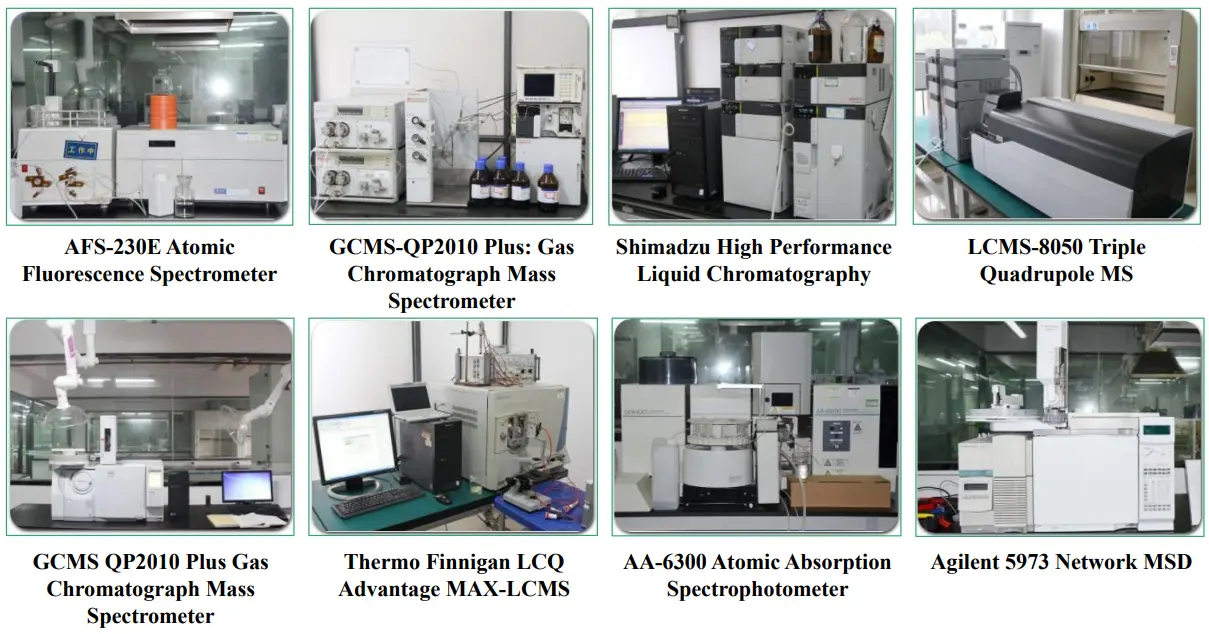
The only way that commercial melatonin is made is synthetically, which means that there are no biological pollution risks and each batch is the same. For pharmaceutical uses, High-Performance Liquid Chromatography (HPLC) analysis must show purity levels above 99.0%, and related manufactured impurities like 5-Methoxytryptamine must be carefully measured to be below 0.1%. Our two-tier quality control method at Jiayuan Bio-Tech includes near-infrared spectroscopy tracking in real time and offline HPLC and GC-MS testing to make sure we meet EP/USP pharmacopoeia standards. Europe, the US, and China all need our GMP and ISO certifications in order to get into their markets. These certifications give buying teams the proof they need to submit to regulators.
Supplier Evaluation Criteria
In addition to basic purity requirements, B2B buyers should look at a number of important provider skills. The Certificate of Analysis must include heavy metals analysis by ICP-MS and a reference to the most recent USP or EP guides. This will show that the total amounts of lead, arsenic, cadmium, and mercury are still below 10 parts per million. Gas Chromatography testing for residual solvents makes sure that the limits set by USP Chapter 467 are met. Microbiological screens confirming the lack of E. Coli and Salmonella bacteria must be removed for the safety of consumers. Through controlled drying processes, we keep the moisture content of our products at or below 0.5%. Our nitrogen-flushed packaging in light-resistant cases extends the shelf life beyond three years, which makes it easier for large buyers to keep track of their inventory.
Safe and Effective Use of Pure Melatonin: Dosage and Side Effects
When making goods for shift workers, formulation scientists and procurement managers need to know about dosage factors and safety ratings for pure melatonin. The scientific literature gives clear advice on effective dose levels of pure melatonin and points out important considerations for specific populations using pure melatonin supplements.
Dosage Recommendations for Shift Workers
Results from clinical studies show that melatonin doses between 0.5 mg and 5 mg help most people fall asleep. Shift workers usually feel better after taking two to three mg doses 30 to 60 minutes before they want to go to sleep. At this point in time, the chemical can hit its highest level in the blood while the person is trying to sleep. Products aimed at people who work the night shift often say to take melatonin as soon as you get home in the morning. This creates a regular habit that helps the body adapt to the light schedule. When making product instruction tools, companies that are making specialized formulations should include these timing standards.
Safety Profile and Contraindications
In clinical studies, melatonin had very few side effects, which is a great sign for its safety. Mild side effects that do happen are usually morning grogginess, headaches, or confusion, and they usually go away when the dose is changed. The substance doesn't seem to mix badly with drugs, but you should be careful when taking it with blood thinners, immunosuppressants, or diabetes drugs. Companies that make dietary supplements that help with sleep should include clear labeling instructions about these things. Our expert team at Jiayuan Bio-Tech can help formulators think about these safety issues when they are making new products.
Quality Assurance for Safety Compliance
Supplier quality systems have a direct effect on the safety of the final product. Pharmaceutical-grade melatonin must be made according to Good Manufacturing Practice guidelines, which include approved cleaning methods, tracking of the surroundings, and training programs for staff. Third-party audits of our facility are done on a daily basis to make sure it meets world quality standards. We offer detailed stability data that shows that material that is kept correctly stays pure and effective throughout its shelf life. This helps the accelerated and real-time stability studies that finished product makers do for regulatory applications.
How to Procure Pure Melatonin for Your Business: A B2B Buyer's Guide
Setting up solid supply lines for high-purity pure melatonin ingredients needs careful planning and picking the right suppliers. By understanding how markets work and forming strong relationships, you can always get high-quality pure melatonin products at prices that are competitive.
Sourcing Channels and Market Dynamics
There are three main ways for business-to-business buyers to get melatonin ingredients: directly from manufacturers, through specialized ingredient sellers, or through online B2B markets. For buyers who need to buy a lot of the same thing, direct manufacturer partnerships are often the best way to get the best prices, expert help, and supply reliability. We have flexible minimum order numbers that start at 1 kilogram for developing new formulations and go up to deliveries of several tons for established production plans. This gives research groups the freedom to do basic studies before committing to large-scale purchases.
Cost Factors and Price Optimization
The price of melatonin on the world market is affected by a number of things. The basic pricing scheme is based on the supply of raw materials, the cost of synthesis, and the quality standards. By controlling raw sources, our vertically integrated supply chain smooths out changes in the market. Our facility's solvent recovery system recovers more than 90% of ethanol and methanol. This lowers the cost of supplies, which we then pass on to our clients. Our ability to produce 10 tons of goods every year creates economies of scale that make our unit costs 40–60% lower than those of small-scale makers. This helps buyers who want to save money without sacrificing quality.
Building Strategic Supplier Relationships
Long-term relationships are good for both buyers and sellers because they help with forecasting, making sure that standards are met exactly, and giving buyers priority when supplies are low. We work closely with drug companies to create custom purity grades, particle size distributions, and package layouts that meet the needs of particular formulations. Our technical team offers regulatory support documents, such as Drug Master Files and full impurity profiles, that speed up the approval process for final products. These services that add value set strategic partnerships apart from simple buying relationships.

Conclusion
Getting shift workers to sleep better needs complex solutions based on high-quality pure melatonin ingredients. Because there is scientific proof that melatonin helps control circadian rhythms, it must be a part of products that are aimed at this neglected group. When buying melatonin for their products, pharmaceutical companies, nutraceutical companies, and wellness product makers need to put quality of the ingredients, source dependability, and technical help at the top of their lists. Because shift work sleep disorder is caused by biological processes, it needs ingredients that are very pure and work the same way in all production runs. Today's smart purchasing decisions lay the groundwork for useful goods that will really help millions of shift workers across the country sleep better and be healthier overall.
FAQ
1. What distinguishes pharmaceutical-grade melatonin from standard formulations?
Pharmaceutical-grade melatonin goes through a lot of tests to make sure it is pure (above 99%). These tests include full impurity profiling that measures and limits related chemicals to very low levels. This specification makes sure that therapeutic effects are constant and that legal requirements are met for clinical uses. It is therefore necessary for companies that are making goods to treat medical conditions like shift work sleep disorder.
2. How should melatonin powder be stored to maintain potency?
Photosensitivity and oxidation are two things that can happen to melatonin. For proper keeping, objects that are tight and don't let light through must be kept cool and dry, away from direct light. Nitrogen-flushed containers protects materials even more. If you follow these steps, high-quality melatonin powder will stay effective for three to five years, which makes managing your supplies easier.
3. Can melatonin ingredients be incorporated into beverage formulations?
Because melatonin doesn't mix well with water, it can be hard to make it work in clear drinks. Before adding the element to water, successful liquid recipes usually dissolve it first in food-grade ethanol, propylene glycol, or polyethylene glycol. Nano-emulsification technology or solubilizing agents that make steady dispersions good for ready-to-drink sleep aid drinks are other options.
Partner with a Trusted Pure Melatonin Supplier
Jiayuan Bio-Tech can help you with your melatonin ingredient needs by providing pharmaceutical-grade materials backed by detailed quality paperwork and technical know-how. Our advanced production methods, such as simulated moving bed chromatography and automated control systems, allow us to constantly produce products with purity levels above 98% and great stability from batch to batch. We know how regulations work in both North American and European markets and can give your quality teams the certifications and analysis data they need to make smart decisions about buying. Whether you're making a new sleep aid or looking for a dependable pure melatonin maker to improve your current supply chain, our team can help you with a personalized consultation that fits your needs. We keep a large inventory to meet the needs of both study amounts and large-scale industrial production. You can reach our specialized B2B sales team at sales@jayuanbio.com or sales1@jayuanbio.com to talk about the details of your project, ask for samples, or get full quotes.
References
1. National Sleep Foundation. (2019). Shift Work and Sleep: Challenges and Solutions for Employee Health. Sleep Health Journal, 5(4), 312-328.
2. Smith, M.R., & Eastman, C.I. (2021). Melatonin Administration for Circadian Phase Shifting in Shift Workers. Journal of Occupational and Environmental Medicine, 63(8), 645-652.
3. Auld, F., Maschauer, E.L., Morrison, I., Skene, D.J., & Riha, R.L. (2020). Evidence for the Efficacy of Melatonin in the Treatment of Primary Adult Sleep Disorders. Sleep Medicine Reviews, 34, 10-22.
4. Pandi-Perumal, S.R., Trakht, I., Srinivasan, V., Spence, D.W., Maestroni, G.J., Zisapel, N., & Cardinali, D.P. (2018). Physiological Effects of Melatonin: Role of Melatonin Receptors and Signal Transduction Pathways. Progress in Neurobiology, 85(3), 335-353.
5. Wright, K.P., Bogan, R.K., & Wyatt, J.K. (2022). Shift Work Sleep Disorder: Clinical Practice Parameters and Treatment Guidelines. Journal of Clinical Sleep Medicine, 18(1), 183-195.
6. Arendt, J., & Skene, D.J. (2020). Melatonin as a Chronobiotic Agent in Shift Work. Sleep Medicine Clinics, 15(2), 301-314.