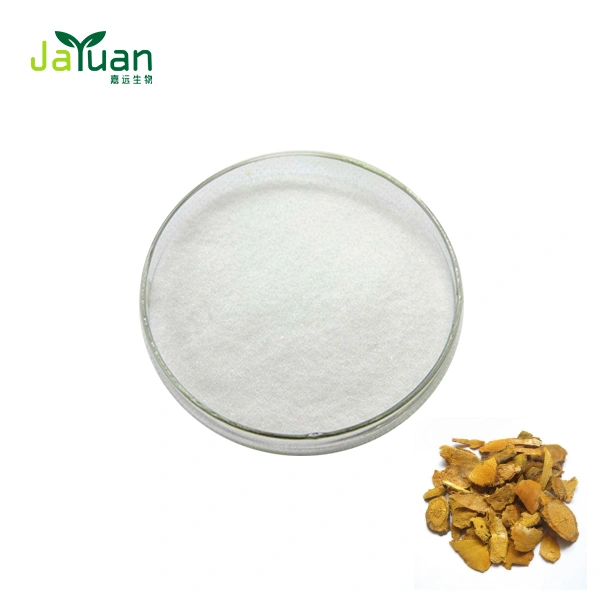

How to use resveratrol powder in smoothies or recipes
Resveratrol powder is a great source of protein and is simple to incorporate into meals or smoothies. This polyphenolic component, which is often extracted from Japanese knotweed or grape skins, mixes nicely with liquid-based solutions. To ensure that the dosage is distributed uniformly, the majority of formulation experts advise starting with 50 to 200 mg per serving and thoroughly mixing the powder with a small amount of liquid before adding additional ingredients. Its somewhat sour flavor complements berry-based recipes, nut butters, and chocolate, making it ideal for use in nutritious goods and functional drinks.
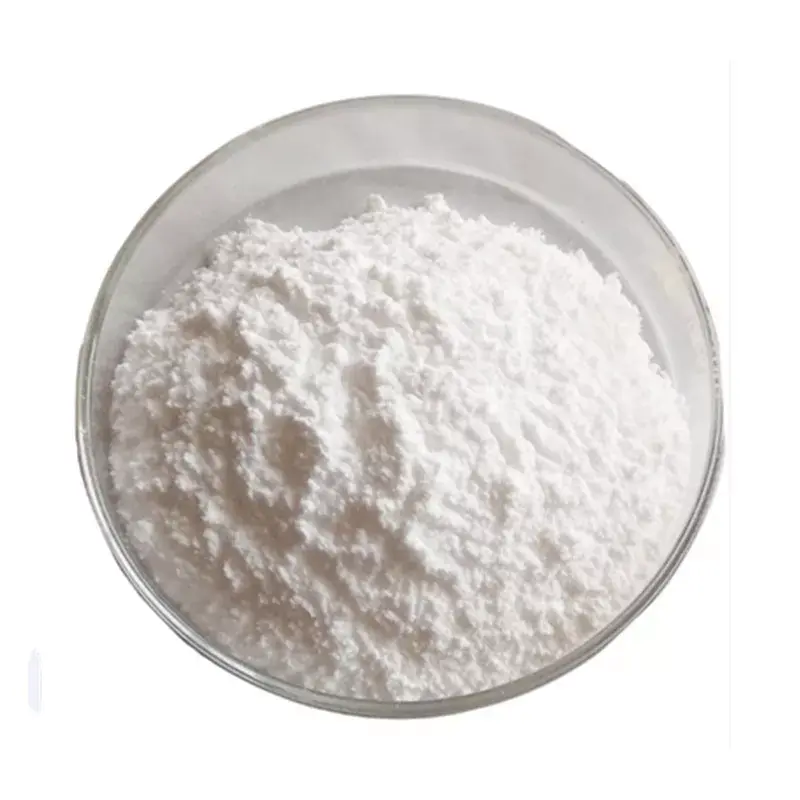
Understanding Resveratrol Powder and Its Benefits
One of the most researched stilbenoid compounds in nature is trans-resveratrol, and our understanding of its properties continues to expand across several domains. When we discuss premium resveratrol powder for commercial applications, we are discussing a particular component that consistently provides the same quantity of advantageous chemicals.
What Is Resveratrol Extract and Where Does It Come From?
The compound is mostly found in two natural sources: grape skins (Vitis vinifera) and roots (Polygonum cuspidatum). Most commercial-grade material comes from knotweed because it has higher concentrations and is often 50–98% pure after being properly extracted. Xi'an Jiayuan Bio-Tech uses dynamic countercurrent extraction along with virtual moving bed chromatography to get purity levels that are always above 98% while cutting the amount of solvent used by almost half compared to traditional immersion methods. The automatic DCS systems we use precisely control the extraction parameters, making sure that the stability from batch to batch that pharmaceutical and nutraceutical companies need. This is very important when making goods because the uniformity of the active ingredient has a direct effect on the claims of effectiveness and on following the rules set by regulators.
Key Health Benefits Backed by Research
A number of clinical studies have shown that improving capillary function and increasing nitric oxide production can help the circulatory system. Studies in peer-reviewed journals show that when people eat standard amounts every day, their lipid levels and vascular flexibility markers change in a good way. In addition to its effects on the heart, the ingredient turns on SIRT1 pathways, which change how cells heal themselves and how mitochondria work. This makes trans-resveratrol very useful in formulas that aim to make people live longer and in NMN synergistic stacks aimed at the anti-aging supplement market. Dermatological study shows that it can stop tyrosinase from working, which is why it is becoming more common in nutricosmetic products meant to treat photoaging and uneven skin tone. The ability to be used both orally and topically opens up new market possibilities for companies making full beauty-from-within product lines.
Dosage Recommendations and Safety Considerations
Supplemental doses are usually between 100 mg and 500 mg per day, but the form of the supplement is very important. To find a good mix between effectiveness and cost, beverage applications usually have 50 to 150 mg per dose. Capsule-based supplements for longer life may have 250 to 500 mg. The United States has rules that say trans-resveratrol is generally recognized as safe (GRAS) when used in the right way. To keep up with FDA scrutiny and back up structure-function promises, product makers should keep a lot of paperwork that shows where raw materials came from, the results of purity tests, and proof that the manufacturing process worked. When doses are higher than 1,000 mg per day, mild stomach impacts can happen. This level is important for formulators to keep in mind when making high-potency goods. Using the right dissolving methods and transport systems can greatly lower the number of times this happens.
How Resveratrol Powder Works in Smoothies and Recipes
Understanding how ingredients behave in different formulation frameworks helps improve both absorption and the user experience. Because of how the substance is made, it needs to be carefully formulated in order to provide the most useful benefits.
Solubility and Bioavailability Considerations
Trans-resveratrol can be challenging to manufacture since it dissolves poorly in water (approximately 0.03 mg/mL). This can be aided by micronization or liposomal packing. Resveratrol powder is considerably simpler for the body to absorb when combined with fat-containing substances like coconut milk, nut butters, or MCT oil for producing shake bases or ready-to-drink beverages. By preventing metabolic enzymes from functioning, researchers have shown that combining the material with piperine (black pepper extract) can increase its bioavailability by up to 154%. This combination works especially well in functional beverage formulas, where getting the most out of each ingredient is important for both cost control and making claims about how well it works. Because the trans-isomer is easily photoisomerized, it needs to be carefully thought out when new products are being made. When formulas are being processed and stored, they should be exposed to light as little as possible. Amber or dark packaging is the best way to protect them. When kept properly, our nitrogen-flushed package keeps ingredients stable for more than three years.
Flavor Profile and Ingredient Pairing
In simple forms, the chemical has an acidic and somewhat bitter taste that may be detected at doses more than 100 mg. Smart ingredient pairing conceals this defect while creating tasty tastes that entice customers to make repeat purchases. Berries, such as blueberries, strawberries, and açaí, naturally complement other flavors and include polyphenols that may increase total antioxidant activity. Cacao powder, which has a rich flavor that both masks and adds flavonoids, is another excellent technique to cover up unpleasant flavors. As flavor bridges, cinnamon, cardamom, vanilla extract, and other spices soften strong tastes without being too sweet. This is especially important when you're trying to reach health-conscious customers who are careful to check the sugar level but still want good taste.
Practical Mixing Techniques for Optimal Dispersion
To get even distribution in beverage grids, you need to follow certain steps that keep the ingredients from clumping together and make sure that the doses are the same from one production batch to the next. For the best results, we suggest taking this approach: Add the measured powder to a small amount of warm liquid (about 30 to 40°C) along with an emulsifying agent, such as lecithin or a small amount of oil. This makes a thick mix that spreads out better than dry powder added straight to cold liquids. Start by blending this mixture at a low speed, then slowly increase the speed while adding the rest of the ingredients. In business production settings, high-shear mixing equipment makes better dispersion by smaller particles and more stable suspensions. To make sure that products are all the same, production sites should test mixing times and speeds and set up standard working procedures. Controlling the temperature during handling keeps the compound's structure. Moderate heat (below 60°C) for a short time doesn't really hurt the effectiveness, but long-term heat contact should be avoided. For brands that focus on being raw or barely processed, cold-process formulas offer the most stability.
Comparing Forms and Brands: Choosing the Right Resveratrol Powder for Your Business
Buying choices have a big effect on how well a product is made, how well it sells, and how efficient production is. Purchasing managers can make smart decisions that help the business reach its goals when they know about the different format choices and the factors used to evaluate suppliers.
Powder Versus Capsule and Liquid Forms
When it comes to cost, bulk resveratrol powder forms are usually the best option for companies that make drinks, functional foods, or custom supplement mixes because they give them the most recipe freedom. The structure lets you precisely change the dose and easily incorporate it into current production processes, without the need for capsule-filling tools or complicated liquid handling. Encapsulated forms are useful for some types of customers where the added ease is worth the extra cost.Finished capsules may be preferred by brands looking to sell directly to customers, while contract manufacturers and suppliers of ingredients typically choose powder forms due to their lower cost and greater flexibility. Liquid extracts are more easily dissolved, but they are more difficult to maintain stability and typically cost more per milligram. With the exception of few skin or spray applications where the liquid distribution technique clearly advantages customers, large-scale production rarely adopts this format.
Quality Markers: Organic vs. Synthetic Sources
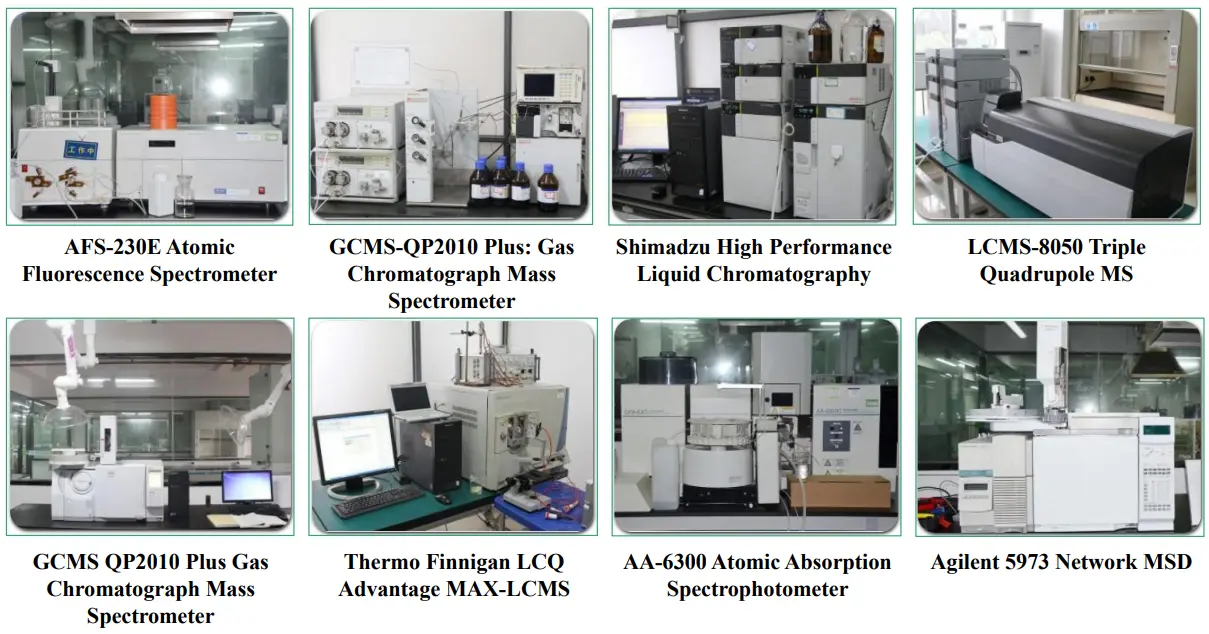
The quality of the source material has a direct effect on the purity and quantity of unwanted chemicals in the end product. Botanical extraction from Polygonum cuspidatum stems gives naturally occurring trans-resveratrol and other plant compounds that work well with it. On the other hand, chemical synthesis makes molecularly similar material without the botanical co-factors. Organic approvals are valuable for brands that want to sell to natural food stores and customers who are willing to pay more for approved organic status. However, in many pharmaceutical and clinical study settings, purity and uniformity are more important than organic designation. This means that conventional extraction is fine or even favored when it gives better analytical profiles. Third-party testing by ISO 17025-accredited labs is an important way to make sure the quality. The papers that make up the Certificate of Analysis should have HPLC purity proof, heavy metal screening, microbial testing, and residual solvent analysis. The company Xi'an Jiayuan Bio-Tech keeps its GMP and ISO 13485 certifications and tests every batch of products thoroughly using both near-infrared spectroscopy for real-time tracking and offline HPLC/GC-MS validation.
Evaluating Suppliers and Procurement Channels
Supply chain transparency, technical assistance, regulatory compliance, and supply stability should all be considered when choosing a supplier in addition to unit cost. Lead times, scalability, and production capacity are important considerations; bigger manufacturers (e.g., 10-ton capacity) provide greater price and dependability. Professionalism is demonstrated by the quality of documentation, including data sheets, stability studies, and regulatory declarations. MOQs must strike a balance between inventory risk and cost effectiveness, and customisation capacity is crucial for a variety of applications, from cosmetic (95% purity) to medicinal (99% purity) grades.
Procurement Best Practices for Bulk Resveratrol Powder
Strategic buying methods lower the risks in the supply chain and make the total cost of ownership as low as possible. Procurement managers can use tried-and-true methods to get reliable amounts of ingredients that meet quality standards and price limits.
Trusted Sourcing Channels and Vendor Assessment
Although access to international ingredient suppliers with confirmed identities has increased because to digital B2B platforms, independent verification is still crucial. Particularly for large purchases, direct manufacturer partnerships are sometimes more affordable than wholesalers and provide superior technical assistance and customisation. Current ISO and GMP certifications that have been validated by external registries, customer references, and responsiveness should be given top priority in vendor evaluations. Stronger quality systems and more dependable long-term relationships are indicated by audit readiness, transparency, and openness to facility inspections.
Pricing Negotiation and Cost Management
Depending on the purity specifications, the size of the order, and the seller's position, high-purity trans-resveratrol now costs between $180 and $450 per kilogram. Understanding these criteria can help you locate competitive offers and avoid paying too little, which may indicate that quality has been compromised. You can receive significant discounts if you commit to purchasing more than 100 kg annually. Savings of 15 to 25 percent are typical when compared to spot purchase pricing. With deliveries every three months, annual supply deals balance the economics of numbers with the costs of keeping inventory, and they also make the budget more stable. Freight, customs taxes, quality testing costs, and possible storage needs should all be added to the total landing cost. Suppliers who offer DDP (Delivered Duty Paid) terms make it easier to buy resveratrol powder and give you peace of mind about costs, which is especially helpful when you're joining new markets or handling a lot of foreign suppliers. Talking about payment terms can help you better handle your cash flow. Prepayment usually gets you a small discount, but if you have a long-term connection with the seller, they may be willing to offer net-30 or net-60 terms that fit your paying needs with the production cycle and your customers' accounts receivable.
Sample Testing and Quality Verification Protocols
Before making a large purchase, third-party laboratories should always do sample testing, including checks from many manufacturing batches. While heavy metal screening guarantees adherence to safety standards for lead, arsenic, mercury, and cadmium, HPLC confirms purity and impurity profiles. Microbial testing uses pathogen absence and total plate count to verify cleanliness. Regulatory requirements must be met by residual solvents, and stability and a long shelf life are guaranteed by moisture content (<0.5%), which is reinforced by nitrogen packing and regulated processing.
Integrating Resveratrol Powder into Your Product Development
Formulation science, adhering to regulations, and market positioning tactics that transform the advantages of the ingredients into compelling consumer value propositions are all necessary to make commercialization successful.
Formulation Strategies for Stability and Shelf Life
Temperature, pH, water activity, and chemical interactions all affect how stable a formulation is. For use in food and beverage applications, trans-resveratrol is best stable at pH values between 4.5 and 7.0. While rapid stability testing (40°C/75% RH) directs formulation decisions, antioxidant systems (ascorbic acid, tocopherols, EDTA) aid in preventing deterioration. Packaging is important because materials that block light and oxygen, such metallized films or amber PET/glass, extend shelf life. Premium product positioning is made possible by encapsulation and liposomal technologies, which improve stability and bioavailability.
Regulatory Compliance Across Key Markets
Trans-resveratrol is permitted as a dietary supplement ingredient in the US under DSHEA, requiring cGMP compliance, proper Supplement Facts labeling, and structure-function claims only, without disease claims unless FDA-approved. In the EU, use depends on Novel Food assessment and varies by country, with differing dosage and labeling rules. Global compliance requires careful regulatory review. Increasing emphasis is placed on full supply chain traceability, documenting each stage from raw material sourcing to final product to support audits and quality control.
Marketing Strategies Balancing Science and Consumer Appeal
B2B marketing should emphasize technical differentiation, supply chain stability, and regulatory compliance rather than general health claims. Procurement teams value consistent quality data, safety documentation, clinical and mechanism-of-action studies, and supply security during market disruptions. Certifications such as organic, non-GMO, and quality system registrations build trust and speed purchasing decisions. Educating buyers on bioavailability and formulation technologies helps justify premium pricing and differentiate products, strengthening brand credibility and long-term customer loyalty.
Conclusion
Trans-resveratrol can be added to soups, drinks, and functional food formulations to create big possibilities in the nutraceutical, medicinal, and cosmetic industries. Formulators can make goods that offer real benefits while still appealing to consumers if they know about solubility traits, flavor control, and stability standards. To be successful in procurement, you need to carefully evaluate suppliers, check their quality, and use smart buying methods that balance how much they cost with how reliable they are. As the markets for functional beverages and drinks that last longer keep growing, resveratrol powder suppliers who offer consistent quality, technical support, and regulatory expertise will be able to meet the needs of manufacturers who want to make unique products that are backed by science and good manufacturing practices.
FAQ
1.Does resveratrol powder maintain potency when heated during recipe preparation?
It is pretty stable at mild temperatures for short amounts of time, according to trans-resveratrol. When beverages are pasteurized at temperatures below 60°C for the normal amount of time, they don't break down much—usually less than 5–8%. However, heating for a long time above 80°C or cooking that involves long-term heat contact can lower potency by 15–30%. While cold-process products keep more of the ingredients, properly designed thermal processes are still fine as long as they pass stable tests.
2.What represents a safe and effective daily intake level for beverages?
A wide range of doses has been shown to be safe in clinical studies. Functional drinks usually have between 50 and 150 mg in each dose, which is a good amount without being too expensive. Studies on humans have shown that daily doses up to 500 mg are very safe, and bigger amounts are well tolerated by most people. When deciding on specific inclusion levels, formulation decisions should take target groups, competitive standing, and cost-to-benefit ratios into account.
3.How can buyers be sure that large orders are pure and real?
An independent lab test is an important way to prove the quality. Ask for Certificates of Analysis from ISO 17025-approved labs that show HPLC purity proof and confirm trans-isomer content above requirements. Testing for heavy metals, microbes, and residual solvents are all part of full review methods. Suppliers with a good reputation will allow third-party tests and will keep samples for proof throughout the shelf life. Creating agreements with analytical labs that have experience testing plant extracts speeds up the quality control process and lowers the cost of proof over time.
Partner with a Trusted Resveratrol Powder Supplier for Your Next Innovation
Xi'an Jiayuan Bio-Tech uses cutting edge extraction methods and strict quality control systems that meet worldwide standards to provide pharmaceutical- and cosmetic-grade trans-resveratrol. Our simulated moving bed chromatography gets purity levels above 98%, and our automatic DCS controls make sure that each batch is very consistent, which is what formulators and makers need. We keep our ISO and GMP certifications up to date, which are accepted in markets in Europe, the United States, and Asia. This gives your legal teams the proof of compliance they need. Our expert team can help you make anti-aging supplements, functional drinks, or nutricosmetic formulations. They can do this by giving you formulation advice, stability data, and choices for customization that are specific to your needs. You can email our purchasing agents at sales@jayuanbio.com or sales1@jayuanbio.com to ask for samples, talk about bulk prices, and learn more about how our vertically integrated supply chain cuts costs and makes sure materials are always available. As a well-known company that can make more than 10 tons of resveratrol powder every year, we can offer reasonable prices and variable minimum order quantities (MOQs) that work for both new brands and established product lines. You can find out more about our wide range of plant extracts and quality control methods by visiting jayuanbio.com.
References
1. Cottart CH, Nivet-Antoine V, Beaudeux JL. Review of recent data on the metabolism, biological effects, and toxicity of resveratrol in humans. Molecular Nutrition & Food Research. 2014;58(1):7-21.
2. Baur JA, Sinclair DA. Therapeutic potential of resveratrol: the in vivo evidence. Nature Reviews Drug Discovery. 2006;5(6):493-506.
3. Smoliga JM, Blanchard O. Enhancing the delivery of resveratrol in humans: if low bioavailability is the problem, what is the solution? Molecules. 2014;19(11):17154-17172.
4. Walle T. Bioavailability of resveratrol. Annals of the New York Academy of Sciences. 2011;1215(1):9-15.
5. Ndiaye M, Philippe C, Mukhtar H, Ahmad N. The grape antioxidant resveratrol for skin disorders: promise, prospects, and challenges. Archives of Biochemistry and Biophysics. 2011;508(2):164-170.
6. Singh CK, Ndiaye MA, Ahmad N. Resveratrol and cancer: challenges for clinical translation. Biochimica et Biophysica Acta. 2015;1852(6):1178-1185.