
Where can I buy astaxanthin powder in bulk?
To choose a reliable Astaxanthin Powder Bulk vendor, check their credentials, product specifications, and delivery choices. Quality-conscious procurement managers contact recognised manufacturers via B2B sites, trade exhibitions, or direct inquiry. Verified sources must fulfil international heavy metal, microbial, and solvent residue criteria via rigorous testing. GMP-certified manufacturers provide a constant supply, accurate documentation, and formulation assistance for pharmaceutical, nutraceutical, cosmetic, and research purposes worldwide.
Understanding Astaxanthin Powder Bulk: What and Why
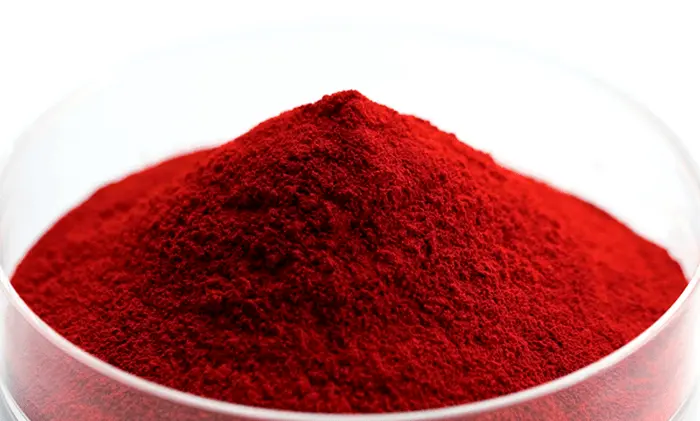
Astaxanthin is typically found in Haematococcus pluvialis microalgae. It has greater antioxidant qualities than beta-carotene and vitamin E. Naturally occurring 3S, 3'S stereoisomer is more bioavailable than synthesised. Chemical formula: C40H52O4, molecular weight: 596.84 g/mol. It protects cells by passing through membranes due to its structure.
Why Bulk Purchasing Makes Strategic Sense
Business-to-business customers seek the greatest costs, economies of scale, and seamless manufacturing when purchasing in bulk. Large purchases reduce unit cost, particularly for supplement firms that require monthly supply. Buying Astaxanthin Powder Bulk reduces supply chain interruptions, allowing enterprises to meet production schedules without running out of inventory. Long-term supplier connections provide stable costs and a consistent supply of resources for anti-aging serums and moisturisers.
As awareness of oxidative stress and cell health grows, the astaxanthin industry will rise fast. Nutraceuticals improve heart health, joints, and athlete recovery. Clinical trials on metabolic health indicators and neuroprotection need standardised extracts. Effective bulk sourcing techniques that fulfil quality and regulatory criteria are becoming more vital as applications increase.
Natural vs. Synthetic Distinctions
Synthetic astaxanthin from petroleum compounds is less effective than algae-grown astaxanthin. The stereoisomer distribution differs greatly. Most natural sources have the (3S, 3'S) structure, whereas manufactured versions contain a 1:2:1 ratio of less physiologically active optical isomers. Buyers targeting high-end markets search for natural goods with clean labelling and bioavailability and strength promises. Understanding these fundamental distinctions helps you pick materials that suit the finished product and its buyers.
How to Choose the Right Astaxanthin Powder Bulk Supplier
Choosing a supplier needs a careful consideration of several criteria that determine product quality, company reliability, and system compatibility. Before signing a partnership agreement, procurement specialists evaluate the other party's technical expertise, regulatory compliance, and service infrastructure.
Certification and Quality Standards
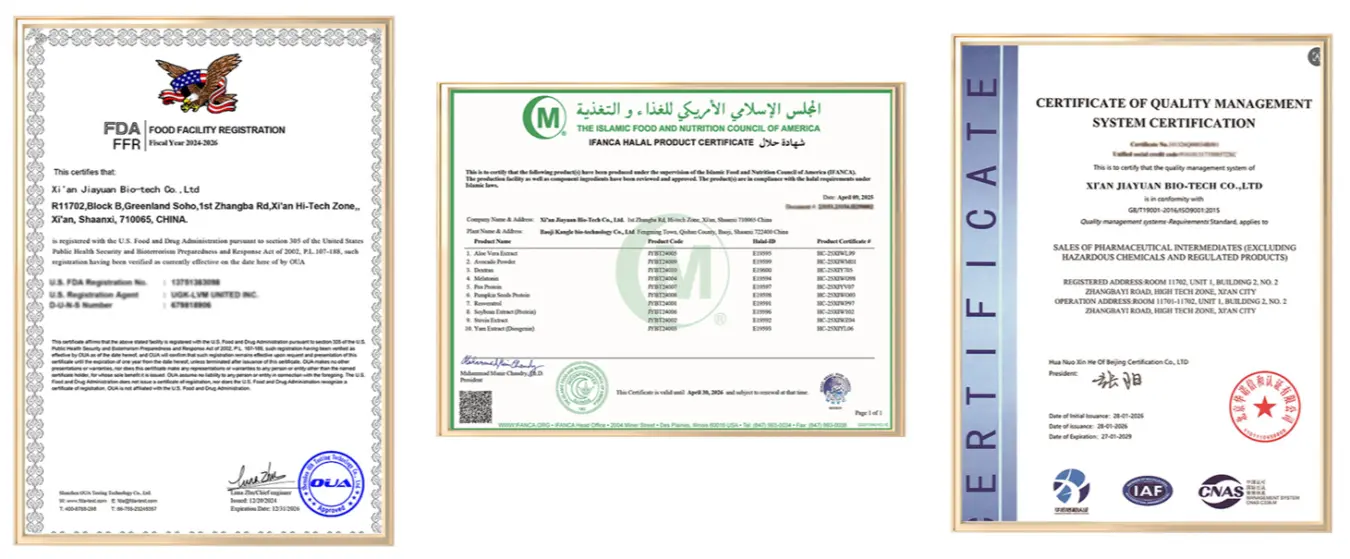
Astaxanthin Powder Bulk suppliers must have GMP certification above anything else. These standards provide manufacturing area control, process verification, and batch accuracy. ISO licenses, notably ISO 9001 for quality management and ISO 22000 for food safety, demonstrate planned corporate improvement. Organic, Halal, and Kosher certifications help companies attract health-conscious and diverse consumers.
We update our certifications to meet GMP and ISO standards. Independent audits by international agencies support this. Our lab equipment ensures that every medicine batch fulfils purity, potency, and safety criteria based on comprehensive testing. For regulatory applications and product label claims, this certification technique offers buying teams confidence that new materials fulfil high quality criteria.
Technical Specifications and Testing Capabilities
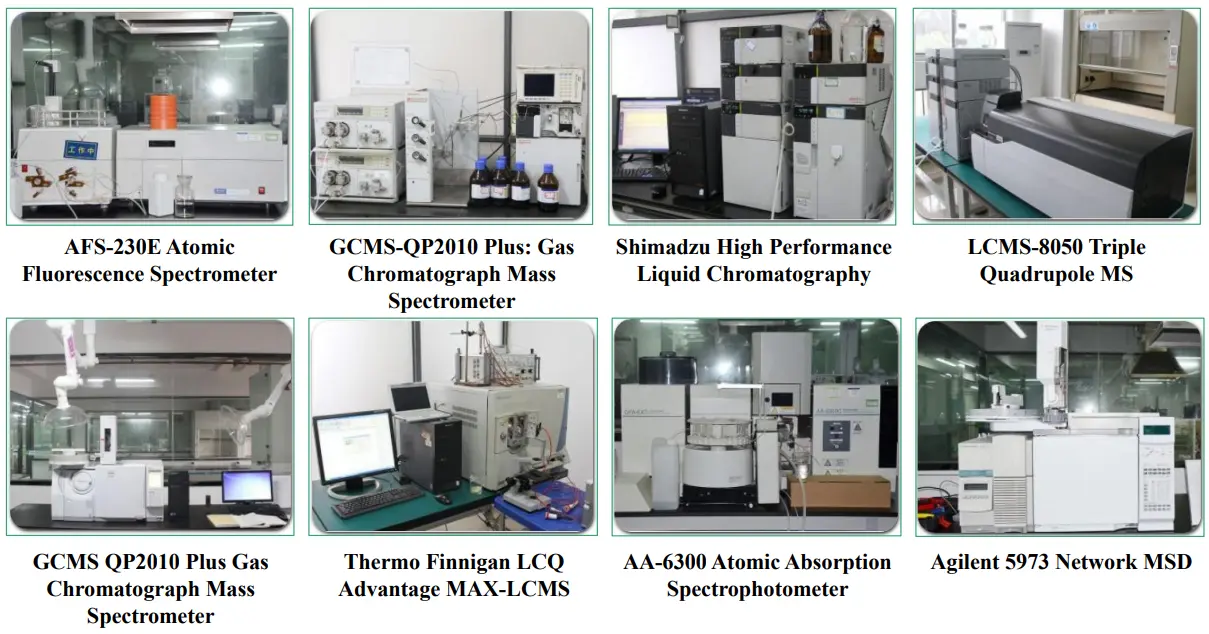
Astaxanthin content, stereoisomer profiles, and degradation product absence are expected by choosy buyers in an HPLC analysis. The more accurate High-Performance Liquid Chromatography can isolate astaxanthin from other carotenoids to improve results. Supplier Certificates of Analysis must include ICP-MS heavy metal testing, microbiological load listing, residual liquid analysis, and moisture content confirmation.
Our quality control lab measures astaxanthin using HPLC, the finest method, to verify its efficacy. In filter paper residue tests, our extraction is purer than competitors', resulting in cleaner profiles without particles. Due to its purity, it has stronger antioxidant capacity and may eliminate free radicals in final items, improving performance.
Production Capacity and Scalability
Supplier production levels should match predicted demand increase to minimise supply bottlenecks during market expansion. Companies with many manufacturing lines can handle urgent orders and repairs. A warehouse with ample stock guards against seasonal demand and shipment delays. Buyers should enquire about minimum order volumes, standard vs. bespoke formula lead times, and capacity expansion plans for long-term agreements.
Only plant extracts are made on our two GMP-certified lines. We have assistance to ensure a consistent supply even when equipment requires servicing or capacity is constrained. Our storage stocking service enables you acquire lesser volumes at reasonable pricing. It reduces inventory expenses and financial risk. This infrastructure works for new nutritional brands who require tiny quantities and well-known pharmaceutical firms that need tonnes of supply annually.
OEM and Customization Flexibility
Private labelling allows firms differentiate their goods with proprietary formulas, strengths, and delivery methods. Suppliers aid formulation development for optimal absorption, stability, and flavour. Encapsulation technologies including cold-water dispersible (CWD) matrices and beadlet forms handle beverage system and tablet compression issues. Customising packaging, from bulk containers to ready-to-sell bottles, works for many supply chain business models.
Our experts collaborate with customers to create astaxanthin formulations that meet application demands. We advise people creating capsules, pills, beverages, or skin-care products on solubility, oxidation, and bioavailability. This cooperation strategy reduces product development time and ingredient blending hazards.
Where and How to Buy Astaxanthin Powder in Bulk
Understanding the pros and cons of each buying method is important for easily navigating procurement channels. Direct ties with manufacturers usually offer the best prices and technical help. Distributors, on the other hand, are more convenient for smaller buyers or those who need to get ingredients from more than one source.
Direct Manufacturer Engagement
By talking to Astaxanthin Powder Bulk manufacturers directly, you may avoid intermediaries and discuss quality and technical issues. Plant surveys are simpler when customers know the manufacturer. Buyers may inspect manufacturing, quality, and environmental procedures. OEM transactions that need IP protection and formulation secrecy benefit from direct procurement.
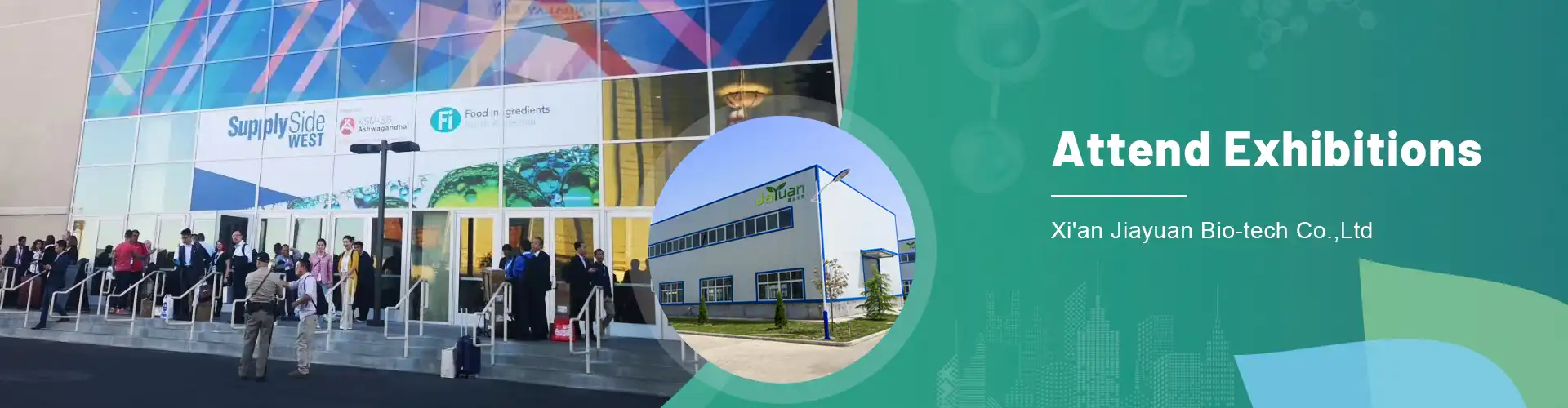
When you chat to Xi'an Jiayuan Bio-Tech, you may obtain technical advice from plant extract experts. Our staff assists purchasers with specs, regulatory documentation, and logistics. Reviews of our facilities and communication concerning manufacturing, testing, and delivery are encouraged.
B2B Platform Utilization
Online B2B platforms connect verified worldwide customers and merchants. They achieve this by offering comparative tools and transaction security. Platforms enable buyers check business profiles, qualifications, and customer reviews before choosing providers. For market research and basic quotations, these methods work well, but for more detailed technical conversations during final transactions, individuals prefer direct contact.
Step-by-Step Procurement Process
Buying begins with requirements that include potency, particle size, moisture content, and allowable impurities. Asking prospective suppliers for detailed technical data sheets and current Certificates of Analysis helps you compare. Include the amount of work needed each year, chosen payment options, and delivery location in quotation requests for accurate costs.
Sample reviews are necessary for confirmation before making large purchases. Reliable suppliers provide examples with analytical data for verification. Samples are tested by third parties to verify vendor claims and establish quality standards. After sample approval, pilot orders enable you test packaging, shipping, and documentation before full production.
Payment terms frequently involve wire transfer plans. Once a relationship is reliable, net words are employed. When conducting business abroad, watch how currency and bank fees impact overall landing expenses. Choosing the proper shipping incoterms (FOB, CIF, DDP) determines who pays for freight, insurance, and customs clearance of Astaxanthin Powder Bulk.
International Shipping and Customs Considerations
International astaxanthin shipments need business invoices, packing lists, and Certificates of Analysis. Harmonised System (HS) numbers inform ports of destination restrictions and taxes. Internationally experienced suppliers can address these challenges and ensure accurate documentation, speeding up customs clearance.
We provide flexible logistics options from FedEx, DHL, EMS, UPS, TNT, and others to meet your demands and budget. We manage customs clearance for European, US, and other markets, so we can transport items straight to your plant and obey the requirements. This all-in-one solution eliminates the challenges of sourcing materials from foreign nations, particularly for those unfamiliar with specific plant items.
Comparing Astaxanthin Powder Bulk Varieties and Quality Grades
Understanding the differences between products helps you make smart choices that balance the need for quality with the need to stay within your budget. Different uses can handle different levels of purity. For example, medicine uses need better standards than food colouring uses.
Concentration Options and Applications
Astaxanthin Powder Bulk is normally standardised between 1% and 10% potency; concentrations over 2% are utilised for certain activities. reduced concentrations (1-2%) work well for cost-effective usage like animal feed or functional foods, where bigger dosages compensate for reduced efficacy. Most supplement manufacture uses 2.5–5% to balance material cost and pill size. Although high-purity crystals are close to 10% concentration, they are vulnerable to oxidation and must be treated carefully.
Pharmaceutical applications concentrate on concentrations that enable precise dosage and reduce excipients. Cosmetic concentrations for emulsion systems and topical colour strength are typically supplied. Understanding your formulation demands helps you determine the optimum concentration, improving product performance and manufacturing cost.
Carrier Systems and Bioavailability Enhancement
Astaxanthin is lipophilic and requires carrier systems to combine with water and be absorbed. Starch, gelatin, or gum arabic matrices prevent astaxanthin from oxidising and stabilise it during storage in microencapsulation. Cold-water dispersible (CWD) astaxanthin particles combine with water without separating, making them ideal for beverages.
Soft-gel capsules are made from MCT or olive oil solutions. This dissolves astaxanthin first, increasing bioavailability. Beadlet shapes assist compress tablets and fill capsules by allowing fluids to flow freely. The production equipment and desired product attributes determine the best distribution format.
Organic Certification Premium
Organic Astaxanthin costs extra since it is cultivated without synthetic fertilisers and pesticides. Organic certification helps luxury brands stand out and promote clean label branding. Organic certification requires annual compliance checks on the supply chain, from algae growth to extraction and processing.
Organic choices are popular in some markets, but conventional grades that pass stringent safety standards are cheaper. Budget-conscious makers of popular items use conventional grades to focus on marketing and sales rather than organic premiums. This technique balances ingredient prices with target customers' preferences and price sensitivity in particular market channels.
Price-Purity Considerations
Higher purity grades cost more due to additional processing stages, tougher quality standards, and lower production. Pharma businesses may charge more since their goods function better and have less regulatory concerns. Supplement companies may save money by carefully selecting ingredients that match label claims without sacrificing quality in competitive markets.
A cost-benefit analysis helps determine the ideal ingredient specifications by comparing material costs to product pricing. Sales prices of high-end products reflect their higher ingredient costs. Value-tier goods must control ingredient prices, choose safe and effective specs, and keep production costs low.
Why Partner with a Certified and Trusted Astaxanthin Powder Bulk Manufacturer
Strategic supplier partnerships are more than just business interactions. They create models for working together that help both parties grow and improve their operations. Independent labs can't match the stability, technical resources, and quality assurance systems that come from certified makers.
Quality Assurance and Testing Rigor
Reputable manufacturers verify raw ingredients, manufacturing controls, and product standards in several stages. ICP-MS heavy metal screening keeps lead, arsenic, cadmium, and mercury within Prop 65 and EU pharmacopoeia limitations. Total plate counts, yeast and mould counts, and pathogen absence exceed pharmaceutical grade product criteria.
Our rigorous testing detects external heavy metals, bacteria, solvent residues, and nucleic acid contamination. This ensures all parameters are within limits. Multiple tests have demonstrated that our products are safe and non-toxic in many scenarios. The tight quality structure provides documentation for health authority and customer audit submissions, protecting your brand's image and legal status.
Consistent Supply and Business Continuity
Supply chain issues put Astaxanthin Powder Bulk dependent manufacturing at risk. Certified producers stockpile supplies, source raw materials from several sources, and have established company survival strategies in case of disaster. Supply agreements that guarantee a set number of products stabilise prices and distribute supplies fairly amid market shortages.
Our supplier network and warehouses safeguard us against botanical extract market supply volatility. We can simplify operations and save shipping and customs clearance by purchasing various items from our factory. This single approach reduces purchase costs and simplifies supply tracking for a variety of ingredients.
Technical Support and Formulation Expertise
Formulation assistance from experienced manufacturers may improve stability, bioavailability, and sensory profile. Technical teams advise on excipients, processing settings, and packaging to prolong product freshness. This combined assistance speeds up product development and reduces the quantity of costly rework to solve technical issues.
Our team has expertise developing plant-extracted medicinal, nutraceutical, and cosmetic medications. We support regulatory submissions with stability data, safety ratings, and analytical method approval reports. Let this all-around support package simplify technical responsibilities so you can concentrate on marketing, sales, and customer relationship management.
Sustainable and Ethical Sourcing Practices
Supply chain sustainability and ethics are increasingly being examined by corporate responsibility initiatives. Companies that use closed-loop farming, renewable energy, and waste reduction meet their ESG objectives. Transparent sourcing documentation ensures fair employment and sustainable raw material collecting along supply lines.
Sustainable manufacturing techniques with minimum environmental impact are our priority. Companies seeking eco-friendly clients share our commitment to ethical sourcing and environmental protection. Working with suppliers that share these principles strengthens the brand's positioning and keeps it relevant in the market, particularly as environmental concerns develop worldwide.
Conclusion
High-quality Astaxanthin Powder Bulk requires thorough supplier screening, technical expertise, and a business model that fosters long-term collaborations. Successful purchasers seek for HPLC-checked purity, complete safety testing, and several possibilities to modify the product for each application. Working directly with manufacturers offers the greatest costs, technical support, and supply dependability. Qualified partners provide regulatory compliance, quality, and formulation expertise that streamlines product development. Strategic sourcing choices must balance costs, quality, market positioning, and risk management. Building strong supplier connections provides pharmaceutical, nutraceutical, cosmetic, and research companies an advantage by ensuring allocation, technical collaboration, and operational efficiency.
FAQ
1. What Minimum Order Quantities Should I Expect?
Minimum order amounts vary per provider, from 1 kilogram for sampling to 25 to 100 kilograms for large orders. For the economy and efficiency of larger batches, larger firms establish higher MOQs. Our method works for new businesses ordering modest amounts and established enterprises ordering tonnes. When you initially chat to suppliers, sharing your estimated annual quantities helps them determine the correct minimum order structures to balance inventory constraints and production efficiency.
2. How Do I Verify Astaxanthin Authenticity?
An HPLC examination must demonstrate natural stereoisomer profiles vs manufactured ones to establish Astaxanthin Powder Bulk is authentic. The presence of primarily (3S, 3'S) isomers indicates a true Haematococcus strain, whereas synthetic materials exhibit equivalent proportions of all optical isomers. Requesting Certificates of Analysis from unbiased third-party laboratories is a reasonable quality check. Because of chlorophyll contamination, high pheophorbide levels indicate poor separation. Supplier relationships, transparent testing data, and independent verification assist develop material authenticity.
3. What Safety Considerations Apply?
Many toxicological studies have proven that astaxanthin is safe at all supplement and cosmetic doses. Our products are repeatedly tested for safety, confirming they have no negative effects. Pharmaceutical safety is ensured by testing for heavy metals, microorganisms, and residual solvents. Buyers should study allergy declarations, particularly those that mention crustaceans being contaminated by algal extracts in marine-sourced items.
Partner with Jiayuan Bio-Tech as Your Trusted Astaxanthin Powder Bulk Supplier
Xi'an Jiayuan Bio-Tech provides approved and lab-tested Astaxanthin Powder Bulk ingredients that meet the high standards of research institutions, pharmaceutical companies, nutraceutical brands, and beauty formulators all over the world. Our GMP-compliant facilities, state-of-the-art testing infrastructure, and experienced technical team make sure that the quality of every production batch is the same. We offer full support for the US, European, and global markets, including custom formulation development, regulatory documentation, streamlined international logistics with customs clearance help, and more. Email our team at sales@jayuanbio.com or sales1@jayuanbio.com for more information on our products, current prices for large orders, or free samples that show how pure and antioxidant-rich our products are. Find out today how working with a trustworthy manufacturer can speed up the growth of your product and make you more competitive in the market.
References
1. Ambati, R.R., Phang, S.M., Ravi, S., & Aswathanarayana, R.G. (2014). Astaxanthin: Sources, Extraction, Stability, Biological Activities and Its Commercial Applications—A Review. Marine Drugs, 12(1), 128-152.
2. Brendler, T., Williamson, E.M., & Heinrich, M. (2021). Pharmaceutical Quality of Herbal Medicines: Challenges and Solutions. Phytochemistry Reviews, 20(4), 743-764.
3. Capelli, B., Bagchi, D., & Cysewski, G.R. (2013). Synthetic Astaxanthin is Significantly Inferior to Algal-Based Astaxanthin as an Antioxidant and May Not be Suitable as a Human Nutraceutical Supplement. Nutrafoods, 12, 145-152.
4. Guerin, M., Huntley, M.E., & Olaizola, M. (2003). Haematococcus Astaxanthin: Applications for Human Health and Nutrition. Trends in Biotechnology, 21(5), 210-216.
5. Shah, M.M.R., Liang, Y., Cheng, J.J., & Daroch, M. (2016). Astaxanthin-Producing Green Microalga Haematococcus pluvialis: From Single Cell to High Value Commercial Products. Frontiers in Plant Science, 7, 531.
6. Yuan, J.P., Peng, J., Yin, K., & Wang, J.H. (2011). Potential Health-Promoting Effects of Astaxanthin: A High-Value Carotenoid Mostly from Microalgae. Molecular Nutrition & Food Research, 55(1), 150-165.
You May Like
0