
Pure Astaxanthin Powder in Beauty and Wellness Formulations
Pure Astaxanthin Powder has emerged as a game-changing ingredient for formulators seeking potent antioxidant solutions in beauty and wellness products. Derived from natural microalgae species, this powerful carotenoid delivers exceptional free radical scavenging capabilities, making it indispensable for anti-aging skincare, nutritional supplements, and functional beauty formulations. Our experience working with research and development teams reveals that high-purity specifications—ranging from 5% to 10% concentration—offer unmatched bioactivity and formulation flexibility, addressing the growing demand for clean-label, science-backed ingredients in premium product lines.
Understanding Pure Astaxanthin Powder and Its Role in Beauty and Wellness
Astaxanthin is different from other antioxidants because of how its biological structure is built. Its molecules are made up of conjugated double bonds, hydroxyl and keto functional groups, and conjugated double bonds. This lipophilic substance can cross whole cell membrane bilayers. Additionally, this transmembrane orientation protects both the lipid interior and the aqueous exterior of cellular structures from oxidative stress.
Biochemical Properties and Antioxidant Mechanisms
The stereoisomer makeup of this ingredient is what makes it stand out. The 3S,3'S form is more common in natural sources than in manufactured ones, and it has better biological function compared to racemic mixtures. Tests in the lab repeatedly show that high-purity astaxanthin is better at neutralizing free radicals than beta-carotene, even at high amounts. This is a very important advantage over beta-carotene, which can be problematic in some situations.
Our protocols for testing filter paper residue show the differences in purity that are important for formulation success. Products that aren't contaminated have higher antioxidant levels and more pure extraction, which means that the ingredients in finished goods work better. This purity has a direct effect on the ingredient's ability to fight oxidant damage, which is a main cause of skin aging and cell death before their time.
Physical Specifications and Handling Requirements
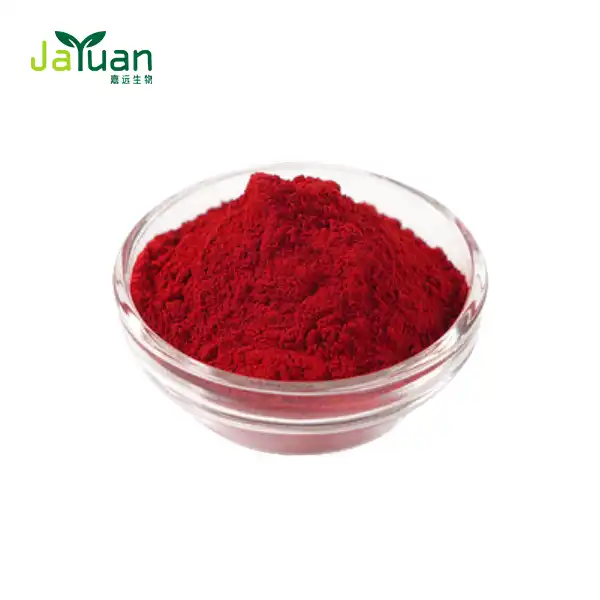
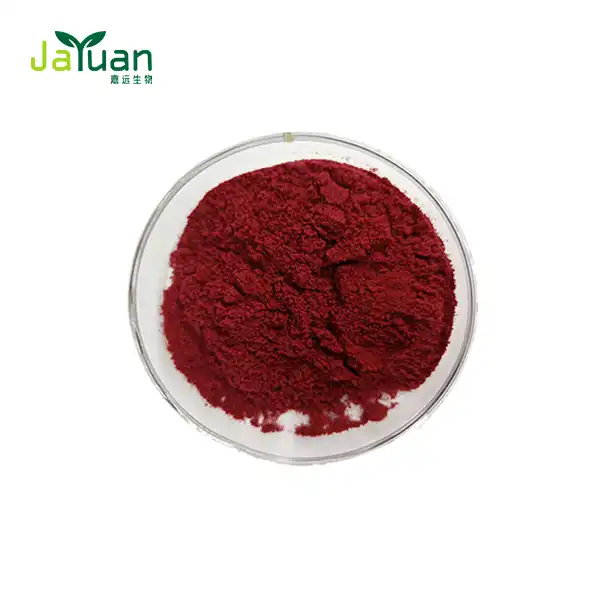
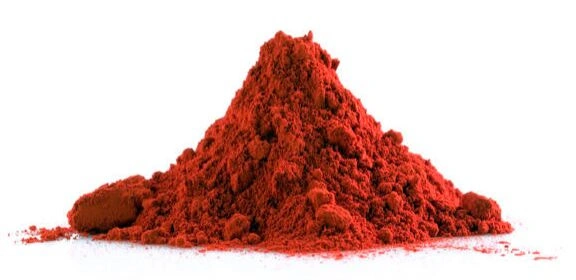
For microencapsulated beadlets, the assay requirements range from 1.0% to 5.0%, and the bulk density is usually between 0.4 and 0.7 g/mL. Our top-of-the-line powder can reach amounts of up to 10%, which is what high-end preparation projects need. The dark red to brownish-red color shows the amount of chlorophyll and carotenoids, which are clear visual signs of quality that experienced formulators can spot right away.
Handling things that are sensitive to temperature needs to be done carefully. When exposed to temperatures above 40°C, the effectiveness decreases, and light speeds up the rusting process. Double-shell protection technology is used in more advanced formulas. Starch or gelatin layers protect the active core from oxygen and temperature stress. This method of encapsulation keeps bioavailability high and extends the shelf life of the product.
Safety Profile and Regulatory Compliance
Multiple chemical tests have shown that natural astaxanthin is safe to use in a wide range of situations. Our products are put through a lot of tests to make sure they don't contain any heavy metals, microbes, solvent residues, or exogenous nucleic acids. All of these parameters are kept within strict compliance limits. The COA paperwork gives a lot of information about these important quality markers, which meets the needs of research teams and regulatory affairs offices for due diligence.
For oral supplements, the recommended dose ranges from 4 to 12 mg per day, while for topical formulations, the concentration ranges from 0.001% to 0.1%, depending on how the product is positioned. These ranges are based on proof and strike a balance between safety and effectiveness. They are in line with global rules that guide cosmetic ingredients and food supplements.
Comparative Analysis: Pure Astaxanthin Powder vs Other Antioxidant Ingredients
Before making a purchase choice, it's important to know how well each antioxidant option meets important evaluation factors. The world of ingredients is full of options, and each one has its own pros and cons that affect how well a formula works.
Antioxidant Potency Benchmarking
According to scientific writings, astaxanthin can take a lot more oxygen radicals than other carotenoids. Studies show that its ability to stop singlet oxygen from forming is ten times greater than that of beta-carotene and about 550 times greater than that of vitamin E in some tests. Because it is so strong, formulators can get strong antioxidant protection with lower inclusion rates. This saves money without lowering the claims of the product.
There are important differences between native and manufactured sources. Synthetic astaxanthin is a racemic mix of stereoisomers that weakens the bioactive 3S,3'S form that is what makes it beneficial. Natural substitutes are stereochemically pure, which is why they are used as special ingredients in complex formulas aimed at picky customers.
Bioavailability and Delivery Systems
There are both opportunities and problems that come with lipophilicity. This trait makes it easier to cross the blood-brain barrier and integrate cellular membranes, but it makes it harder to make formulations that are water-based. Cold water dispersible versions use emulsion technology to make the naturally water-repelling molecule mixable with water, including Pure Astaxanthin Powder. This means they can be used in more drinks, serums, and other water-based mixtures.
Astaxanthin from krill oil comes attached to fatty acids and needs to be broken down by enzymes before it can be absorbed. Free-form powders have direct bioavailability, which is something to think about when making products that work quickly or deliver medicine to specific areas. Encapsulated forms offer protection and limited release at the same time, but they also include extra ingredients that might not fit with clean-label marketing strategies.
Formulation Stability Considerations
Stability testing shows important differences between powder and oil forms. Oil suspensions naturally protect through lipid matrices, but they can be hard to work with because of changes in color and viscosity that depend on temperature. Powder forms provide better color stability from batch to batch, which is very important for high-end brands where consistency in appearance affects how customers see the brand and how likely they are to buy it again.
Microencapsulation technology solves problems with handling powder. During storage, the protected layer keeps the material from oxidizing, and during production, it makes it easier for the particles to spread out. This two-in-one feature makes advanced powder formats very appealing to formulators who need to protect ingredients while also making processing faster.
Application Insights: Incorporating Pure Astaxanthin Powder into Beauty and Wellness Formulations
High-purity astaxanthin can be used in a lot of different types of products, and each one uses different qualities to help people reach their health goals. Formulators can make the most of the potential of ingredients while keeping things stable and following the rules if they know how to use them in real life.
Topical Skincare Applications
The biggest application group is anti-aging formulas. Because it can protect against UV-induced oxidative damage, make skin more elastic, and help it keep water, the compound is perfect for high-end face serums, eye creams, and lotions. Results can be seen when the inclusion rate is between 0.001% and 0.1%. Higher concentrations are only used in intensive treatment products.
Formulators who work with dry bases find that powder forms mix easily with serums and products that are based on oil. Cold water dispersible grades are good for water-based systems because they keep the solution stable through multiple freeze-thaw cycles. Formulation options are increased when popular cosmetic elements like hyaluronic acid, peptides, and ceramides can be used together.
Color traits need to be managed strategically. The natural red-orange color of the ingredient can make the product look better if it is placed correctly, or it may need to be color-corrected in recipes that want neutral tones. Our expert support team helps formulators get the looks they want without lowering the antioxidant activity.
Nutraceutical and Functional Foods
Oral beauty supplements are still growing in popularity because more people know that what they eat can affect their skin health. Soft gel capsules are still a popular way to give medicines, and there are powder types that can be used to make hard capsules, tablets, and more and more, functional drinks. Breaking down cell walls at rates higher than 98% makes sure that the ingredient is digestible and bioavailable, which maximizes its benefits for the whole body.
Dosing plans usually range from 4 mg to 12 mg per day for general health purposes, and clinical studies back up these levels for skin health results. Higher amounts are used in sports nutrition because the ingredient can help muscles heal from exercise and lower oxidative stress caused by hard training, which appeals to people who are focused on performance.
Best practices for formulation include pairing with lipids to improve absorption, avoiding too much heat during processing, and choosing the right encapsulation when other actives don't work well with it. To make sure the product lives up to its label claims during distribution and use by customers, it is tested for stability over its entire intended shelf life.
Emerging Applications and Innovation Opportunities
Formulations for pet care are places with lots of potential. The antioxidant qualities that are good for people's health are also good for the health of your pet's joints, skin, and hair, and they can be used as immune system boosters. Regulatory pathways for pet ingredients are often different from those for human uses, so you need to know a lot about compliance to follow these rules.
Astaxanthin is being used more and more in pre-workout, recovery, and endurance supplements made by sports nutrition brands. Athletes want to improve their efficiency, and this ingredient's ability to help mitochondria work better and control damage caused by exercise fits with those goals. Accurate dosing is easier with powder forms in stick packs, ready-to-mix drinks, and energy bars.
Procurement Guide: How to Source and Purchase Pure Astaxanthin Powder Efficiently
A good way to buy ingredients is to find a mix between quality control, low costs, and a reliable supply. For research and development teams, it's important that their suppliers understand the needs of formulation, and for procurement managers, it's important to find partnerships that lower the total cost of ownership.
Supplier Evaluation and Quality Certifications
Reliable suppliers should maintain ISO-approved quality systems, GMP compliance, and HALAL certifications, supported by detailed COAs covering potency, contaminants, microbes, solvents, and pesticides. Third-party testing strengthens quality assurance. Comparing residue levels and requesting samples helps buyers assess purity, extraction quality, antioxidant potency, and formulation performance before purchasing.
Pricing Models and Cost Optimization
Concentration standards have a big effect on prices, with 10% purity grades being more expensive than lower concentration options. While choices with higher purity make ingredients more expensive per kilogram, lower inclusion rates often lead to similar or lower costs for finished goods with Pure Astaxanthin Powder. Instead of looking at the prices of individual ingredients, buyers should look at the overall economics of the formulation.
Strategies for buying in bulk use promises to buy a lot of goods to get better price terms. But because astaxanthin is easily damaged by oxygen, stocking amounts must be balanced against the risk of degradation. Having suppliers that offer the right packaging—like containers that flush with nitrogen, materials that block light, and units that are the right size—helps with managing these different needs.
Our flexible order numbers can be used for both testing samples and making large amounts of products for sale. This method cuts down on the repeated transportation costs and customs clearance costs that come with broken supply chains. This is especially helpful for companies that are working on multiple product development projects at the same time.
International Sourcing and Logistics
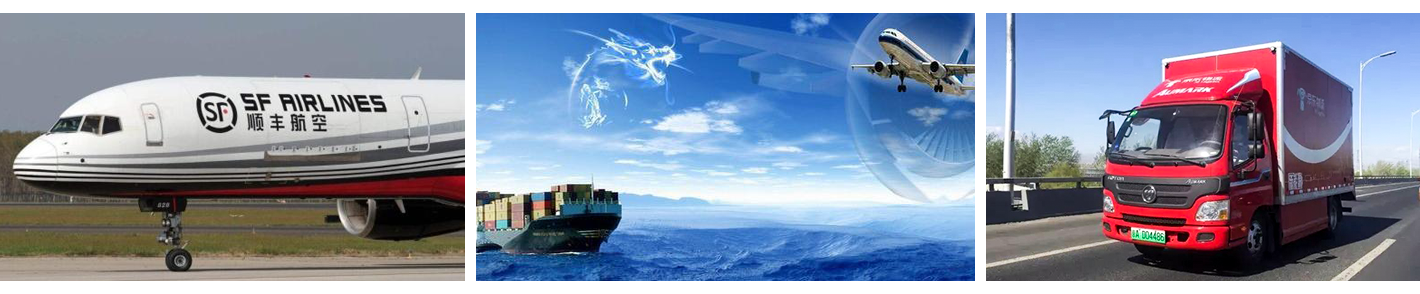
International ingredient sourcing requires customs expertise, reliable logistics, and strict quality control. Temperature-controlled shipping protects sensitive ingredients, while knowledge of tariff codes, import regulations, and phytosanitary certificates helps prevent delays. Working with FedEx, DHL, EMS, UPS, and TNT, plus warehouse stocking, supports reliable delivery and flexible demand management.
Future Trends and Market Outlook for Pure Astaxanthin Powder in B2B Beauty and Wellness
Market changes that affect the market for ingredients show strategic positioning possibilities. When procurement managers and product creators understand these forces, they can predict changes and improve their competitive advantage.
Consumer Preferences and Clean-Label Demands
The clean beauty movement is still changing how ingredients are chosen. More and more, people are reading product labels very carefully and prefer natural ingredients to manufactured ones. Because of this choice, natural astaxanthin that comes from growing microalgae is put ahead of manmade options that come from petrochemicals.
Transparency rules cover more than just where ingredients come from; they also cover manufacturing processes, environmentally friendly practices, and being able to track products through the supply chain. For brands to build trust with smart customers, their suppliers must back up their clean-label claims with a lot of proof. For these proof needs, our quality systems make the tracking records that are needed.
Innovation in Synergistic Formulations
Formulators look for mixtures of ingredients that work better together to give you more health benefits. When astaxanthin is combined with other antioxidants like vitamin C, vitamin E, or coenzyme Q10, they work together to protect against a wider range of oxidative stressors. By understanding how these interactions work, different products can be made that address specific consumer concerns by combining nutrients in specific ways.
New developments in delivery systems keep improving absorption and making things easier for customers. New ways of improving ingredient performance include liposome packaging, nanoemulsion technology, and timed-release structures. Powder providers that offer technical teamwork help formulators figure out how to use these complex delivery technologies.
Sustainability and Supply Chain Resilience
Buying decisions in all fields are affected by concerns about the environment. Growing microalgae to make astaxanthin is naturally environmentally friendly because it uses little land, recycles wastewater, and stores carbon dioxide. When suppliers write down these environmental benefits, it helps brands be more honest about their commitments to sustainability.
Global supply chain problems show how important it is to have a variety of buying methods. Keeping qualified backup suppliers on hand, evaluating suppliers from different parts of the world, and building up inventory gaps are all ways to keep production from stopping. Our reliable infrastructure for quality control and stable production processes give risk management strategies the dependability they need.
Conclusion
Finding high-quality astaxanthin products is very important for brands that want to compete in the high-end beauty and health markets. As we've seen, concentration requirements, pure checks, and source quality systems all have a direct effect on how formulations work and how products are differentiated. When high-quality ingredients are combined with formulation know-how, the biochemical properties that allow transmembrane antioxidant protection become very appealing to consumers. Procurement strategies that work well weigh the short-term costs of buying things against the overall value they deliver, taking into account things like technical support, paperwork for following rules, and the reliability of the supply of Pure Astaxanthin Powder. The market is moving toward naturally sourced, rigorously tested ingredients backed by a lot of quality data. This makes well-qualified suppliers essential to the success of product development.
FAQ
1.What concentration of Pure Astaxanthin Powder is optimal for anti-aging skincare formulations?
Topical skin care products usually have amounts between 0.001% and 0.1%. The exact numbers depend on how the product is positioned and what other active ingredients are present. Higher inclusion rates are used in premium treatment serums that claim to have intense anti-aging benefits, while lower amounts are used in daily creams. The lipophilic nature makes it easy to mix with oil-based and anhydrous systems. Grades that disperse in cold water, on the other hand, allow for water-based formulations. Stability testing over the full shelf life makes sure that the product's effectiveness is kept, and the right packing keeps it safe from light and oxidation.
2.How do natural and synthetic astaxanthin differ in formulation performance?
Astaxanthin that comes from nature mostly has the biologically better 3S,3'S stereoisomer, while man-made forms have racemic mixes that are less active. This difference in stereochemistry means that natural sources are more bioavailable and effective, which explains why they are positioned as premium, even though they cost more. Natural sourcing's clean label appeal and superior efficacy profile are good for formulators who are making high-end products for sophisticated consumers. Our natural astaxanthin keeps cell wall breaking rates above 98%, which makes sure that oral formulations are fully digestible and bioavailable.
3.What quality certifications should buyers prioritize when sourcing astaxanthin ingredients?
A full COA with test results for assay effectiveness using HPLC, heavy metal screening, microbial load testing, fluid residue analysis, and pesticide panels is an example of basic quality assurance. Third-party, ISO, and GMP approvals show that quality control is done in a planned way. Testing the amount of residue on filter paper lets you tell the difference in purity levels between sources. Less residue means better extraction and no fillers. Repeated toxicological studies that confirm safety confirm suitability for intended uses, meeting regulatory requirements in global markets.
Partner with a Trusted Pure Astaxanthin Powder Supplier
Jiayuan Bio-Tech gives research and development teams the technical excellence and quality assurance they need to make breakthrough formulations. Our GMP-certified factories follow strict quality control rules to make sure that every batch of natural astaxanthin meets the exact standards that high-end beauty and health brands require. We can help you with your formulation from the first idea to industrial production. We offer concentrations up to 10% Pure Astaxanthin Powder, full COA paperwork that includes all important parameters, and free samples for validation testing.
We understand the technical problems formulators face because we've worked with supplement brand research teams and high-end oral beauty companies. Our microencapsulated grades have double-shell protection technology that keeps their effectiveness during processing and storage. Our cold water dispersible types solve problems with making solutions that are soluble in water. Batch-to-batch color uniformity meets the stylistic needs that affect how customers see a brand and how trustworthy it is.
Along with high-quality products, our transportation infrastructure makes it easier to source goods from other countries. We handle the customs clearance process for markets in Europe and North America, and through partnerships with major carriers, we can send ingredients directly to your facility. This combined service model makes buying things easier and speeds up the time it takes for new products to hit the market. You can look at all of our ingredients at jayuanbio.com or email our technical team at sales@jayuanbio.com and sales1@jayuanbio.com to talk about your specific recipe needs and get personalized suggestions.
References
1. Ambati, R.R., Phang, S.M., Ravi, S., & Aswathanarayana, R.G. (2014). Astaxanthin: Sources, Extraction, Stability, Biological Activities and Its Commercial Applications. Marine Drugs, 12(1), 128-152.
2. Capelli, B., Bagchi, D., & Cysewski, G.R. (2013). Synthetic Astaxanthin is Significantly Inferior to Algal-Based Astaxanthin as an Antioxidant and May Not be Suitable as a Human Nutraceutical Supplement. Nutrafoods, 12(4), 145-152.
3. Davinelli, S., Nielsen, M.E., & Scapagnini, G. (2018). Astaxanthin in Skin Health, Repair, and Disease: A Comprehensive Review. Nutrients, 10(4), 522.
4. Kidd, P. (2011). Astaxanthin, Cell Membrane Nutrient with Diverse Clinical Benefits and Anti-Aging Potential. Alternative Medicine Review, 16(4), 355-364.
5. Tominaga, K., Hongo, N., Karato, M., & Yamashita, E. (2012). Cosmetic Benefits of Astaxanthin on Humans Subjects. Acta Biochimica Polonica, 59(1), 43-47.
6. Yuan, J.P., Peng, J., Yin, K., & Wang, J.H. (2011). Potential Health-Promoting Effects of Astaxanthin: A High-Value Carotenoid Mostly from Microalgae. Molecular Nutrition & Food Research, 55(1), 150-165.