
Astaxanthin Powder in Sports Nutrition: What Athletes Seek
Athletes constantly search for natural solutions that enhance performance while safeguarding long-term health. Astaxanthin Powder, a keto-carotenoid derived primarily from microalgae Haematococcus pluvialis, addresses this need through its exceptional antioxidant properties. Known as "The King of Carotenoids," this ingredient helps combat oxidative stress generated during intense physical activity, supporting endurance, recovery, and cellular protection. For B2B procurement professionals developing sports nutrition formulations, understanding the technical advantages and sourcing standards of Astaxanthin Powder becomes essential to creating products athletes genuinely seek.
Understanding Astaxanthin Powder and Its Role in Sports Nutrition
The Science Behind Natural Astaxanthin
Astaxanthin Powder is a stable form of the powerful keto-carotenoid molecule that can be delivered solidly. Unlike beta-carotene, this compound has a unique molecular structure with hydroxyl, keto, and conjugated double bonds that allow it to cross the entire cell membrane bilayer. This direction across the membrane protects against oxidative stress in both lipid and water conditions. The mostly 3S,3'S stereoisomer profile found in natural sources is better for biological function than racemic synthetic mixes.
Our microencapsulated beadlets use advanced embedding technologies, such as porous starch or gelatin matrices, to turn oil that sticks to lips into a powder that can dissolve in water or be compressed. There are a lot of problems with dealing raw oleoresin because it is very unstable and easily oxidizes. This new idea fixes those problems. The bulk density ranges from 0.4 to 0.7 g/mL, and the assay specifications range from 1.0% to 10%, depending on the needs of the application.
How Oxidative Stress Impacts Athletic Performance
Reactive oxygen species (ROS) are released during intense physical training. These ROS damage cell structures, slow down healing, and lower performance ability. Lab tests have shown that Astaxanthin Powder is 6,000 times more effective than Vitamin C at getting rid of these free radicals. Because it can pass through cell membranes, the compound protects mitochondria, which are the energy-producing parts of muscle cells, better than antioxidants that dissolve in water.
Researchers have found that players who take natural astaxanthin see gains in a number of important areas. Endurance runners say they have more time before they get tired and less lactate builds up in their bodies. People who focus on strength see their muscles heal faster and have lower levels of inflammation markers. Astaxanthin builds up in skin tissue to protect it from UV rays, which makes it especially important for athletes who play outside.
Formulation Formats for Sports Applications
When making sports nutrition products, product designers have to choose from different forms of astaxanthin. Powder forms are flexible and can be used for solid-dose supplements, functional drinks, and protein mixes. The Cold Water Dispersible (CWS) powder types use emulsion technology to make the naturally water-repelling molecule mixable with water. This means they can be used in more types of drinks and gels.
Capsule and softgel delivery methods are convenient and accurate when it comes to dosing, but they may not be as bioavailable as well-formulated powder mixes. Oil-based extracts have a high concentration, but they need to be carefully stabilized and are hard to work with in factories. By knowing these differences, procurement teams can choose formats that are right for the athletes they want to target and their product positioning strategies.
How Astaxanthin Powder Meets Diverse Athletic Needs
Tailored Dosing Across Athletic Disciplines
The best amount of astaxanthin to take depends on the sport, the volume of the training, and the person's metabolism. For continued aerobic ability and healing, endurance athletes usually need daily doses between 8 and 12 mg. Strength and power players may need 6–10 mg every day to lower the damage and inflammation that exercise causes in their muscles. When taken with other nutrients that support joints, 4 to 8 mg daily is often enough to help senior athletes keep their joints healthy and increase their mobility.
When making with Astaxanthin Powder, bioavailability becomes the most important thing to think about. The microencapsulation process makes astaxanthin much easier to absorb than astaxanthin that is not protected. Cell-wall breaking rates topping 98% make sure that the astaxanthin is digestible. When added to lipid-based delivery methods or eaten with dietary fats, absorption is even better. This is a very important thing for people who are making meal replacement or protein supplement products.
Safety Profile and Usage Guidelines
A lot of toxicity tests have shown that natural Astaxanthin Powder is safe in a lot of different dosages. Repeated confirmation through many tests shows that the results are safe, even at high doses. Astaxanthin is different from other carotenoids because it doesn't have any pro-oxidant activity at high concentrations. This makes it a good choice for long-term use as an athletic supplement.
Because astaxanthin is sensitive to light and temperatures above 40°C, people who make products should be aware of specific treatment needs. In elite powder types, double-shell protection keeps the main active ingredient safe from oxygen and heat while it is being made and stored. Testing for compatibility with other formula ingredients makes sure that the stability lasts the whole shelf life, which is usually 24 months if everything is packed correctly.
Formulation Stability and Shelf-Life Optimization
When making sports nutrition goods for businesses, the people who make them have to deal with the stable problems that come with using carotene-based ingredients. Astaxanthin Powder of good quality has protective matrices that keep its potency even when stored normally. Important factors are controlled by our manufacturing processes, such as keeping the moisture level below 5%. This keeps the tablets from clumping and keeps their flowability when they are compressed or encapsulated.
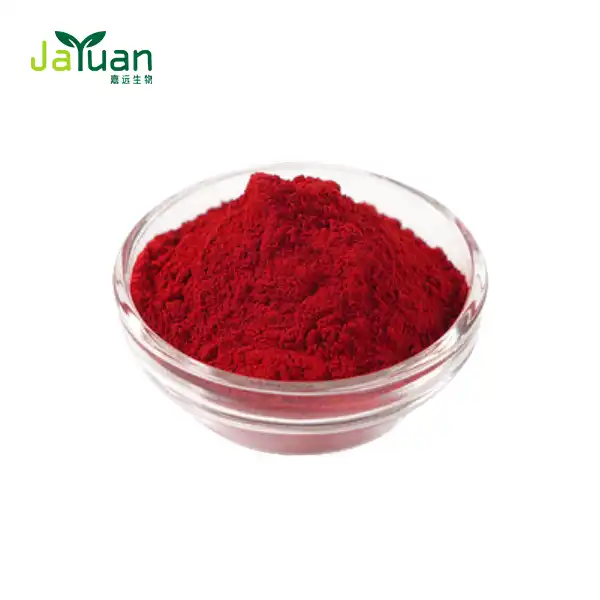
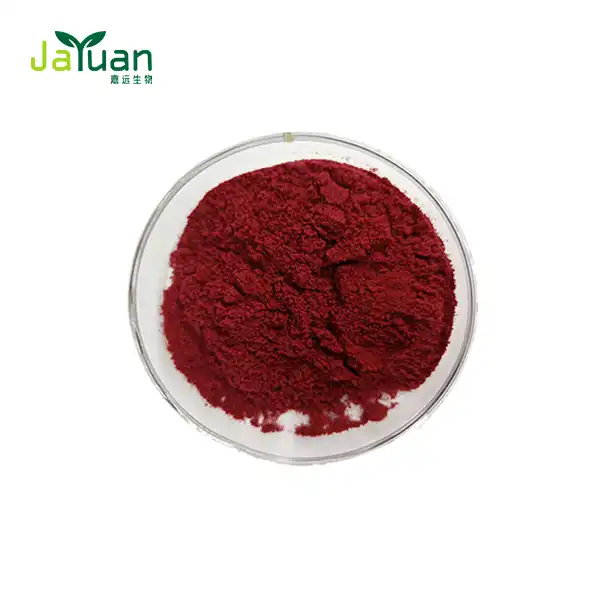
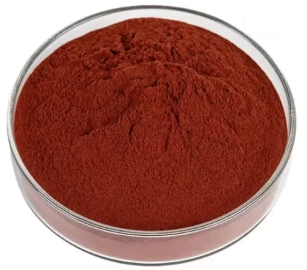
Color consistency between production batches is a big issue for brand owners because how something looks affects how people think about its quality. Advanced extraction and standardization methods make sure that all shipments have the same color, keeping the dark red to brownish-red look that the product is known for. This stability is especially helpful for gummy flavors and ready-to-drink drinks, where how they look affects people's choices to buy them.
Comparing Astaxanthin Powder with Alternative Products and Formats
Powder Versus Capsule Delivery Systems
The argument between powder and capsule forms is mostly about how flexible, cost-effective, and consumer-friendly each is. Astaxanthin Powder can be mixed with other ingredients and dosed to fit your needs, which makes it perfect for sports nutrition mixes that include antioxidants, adaptogens, and performance boosters. When making a lot of something, the cost per serving tends to favor powder formats. However, capsules are easier for athletes who are always on the go.
Formulation technology is more important than transport method when it comes to absorption rates. The absorption of well-designed powder mixes that use cold water dispersible technology or lipid carriers is about the same as that of oil-filled softgels. One big difference is that powders can be used in a lot of different ways, while capsules can't be used in protein shakes, energy bars, or functional food matrices.
Natural Versus Synthetic Source Considerations
Natural Astaxanthin Powder made from Haematococcus pluvialis algae has the 3S,3'S stereoisomer that is most like the form found in nature and works better in living things. When petrochemical processes are used to make synthetic astaxanthin, it contains a racemic mixture of stereoisomers that have been shown to be less effective in clinical tests. Alternatives made from yeast and Phaffia rhodozyma are a good compromise, but they can't match the concentration levels that can be reached with algae extraction.
Quality assurance methods are very different for each type of source. Heavy metals, bacteria, and contaminant chemicals must be carefully checked for in natural algal source material. Our goods go through a thorough COA check to make sure that the levels of heavy metals, bacteria, solvent residues, and exogenous nucleic acid residues are all within the allowed ranges. Filter paper residue testing shows that our Astaxanthin Powder stays more pure and free of impurities than competing products. This means that it has higher antioxidant capacity and better extraction methods for better free radical scavenging.
Oil Formats and Sustainability Factors
Astaxanthin-containing krill oil and fish oil products are popular with people who want to combine omega-3 fatty acids, but they raise worries about ecology and supply chain instability. Astaxanthin from marine sources is still much less concentrated than astaxanthin from microalgae, so larger serving sizes are needed to get the same antioxidant effects. Marine mining leaves a carbon footprint and leads to overfishing, which goes against the rising customer demand for foods that are good for the environment.
Growing algae to make Astaxanthin Powder allows for controlled, long-term harvesting that doesn't harm the ecosystem. Closed-system photobioreactors allow production all year, regardless of the seasons or where the plants are grown. This supply chain stability is becoming more valuable as sports nutrition brands stress the sustainability and tracking of their ingredients in their marketing.
Sourcing and Procurement of Astaxanthin Powder for Sports Nutrition
Evaluating Supplier Quality Standards
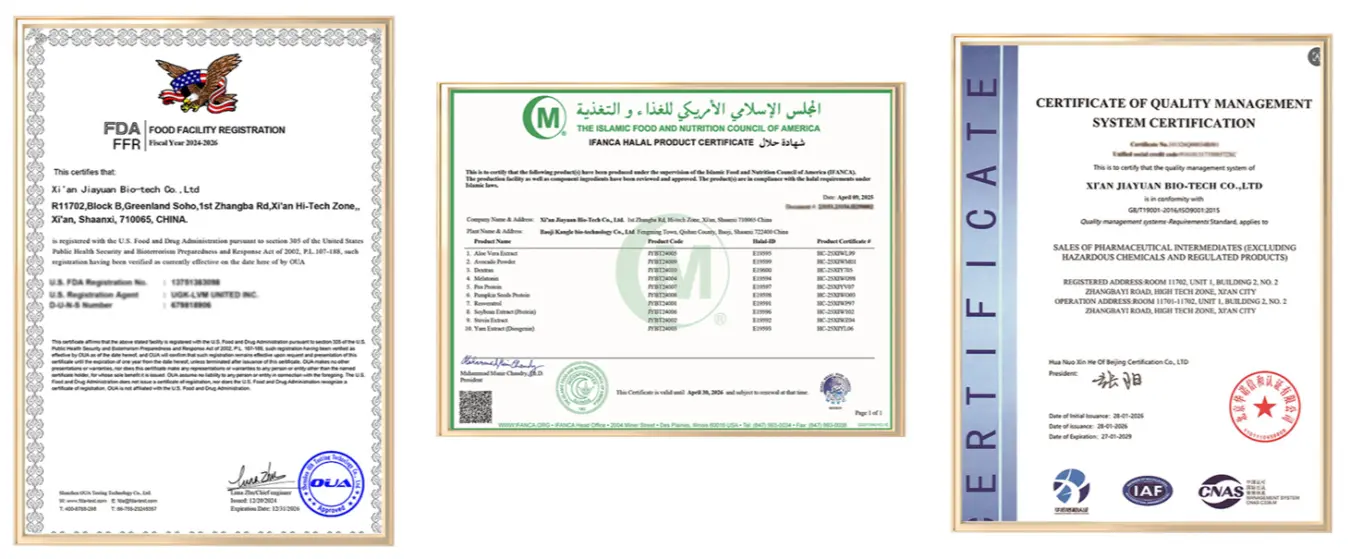
To find trustworthy manufacturers, you need to look at their quality in a number of different areas. Certified organic production makes sure that the raw materials meet strict farming standards and aren't contaminated with synthetic pesticides. GMP approval shows that the production process follows strict rules for quality control, keeping records for each batch, and keeping things clean that are required for pharmaceutical use. ISO certifications give you even more proof that quality management is done in a systematic way and that practices for continuous improvement are being used.
Third-party testing is the best way to make sure that what a supplier says is true. An outside lab should check the accuracy of the test by using HPLC to look for heavy metals (lead, cadmium, mercury, arsenic), microbial contamination levels, and pesticide residue screening. At every stage of production, our plant follows strict testing procedures. The end product can only be released after it meets all the requirements listed in Certificates of Analysis.
Understanding Pricing and MOQ Structures
Astaxanthin Powder prices depend on a number of things, such as the concentration, the method of extraction, the level of certification, and the size of the order. Concentrations ranging from 1% to 10% astaxanthin make different price ranges. Higher specs command higher prices because they require more processing. Large producers can save money by buying 10% specification material in bulk, but they need to place orders for at least 25 kilograms in order to support production runs.
People who work in procurement who are trying to save money are sometimes pushed to look at synthetic alternatives that are cheaper. Even though the prices of the ingredients may seem low at first, the differences in how well they work and the difficulties of placing clean labels can hurt the long-term success of a product. Premiums for natural astaxanthin from algae are fair because it has better bioactivity, is in line with customer tastes, and can help brands stand out in the sports nutrition market.
Strategic Partnership Benefits
Building relationships with experienced suppliers goes beyond just buying things; it also includes working together to make new products. In different market regions, technical support teams help with things like formula optimization, stability testing, and regulatory compliance advice. OEM processing services let brands use existing production facilities without having to buy expensive equipment just to handle carotenoids.
Strategic partners are different from basic sellers because they can customize products. Custom concentration requirements, particle size distributions for specific uses, and custom mixing with ingredients that work well together create unique chances for placing the product. Brands are protected from stock-out risks that hurt store relationships and customer trust through inventory management programs and priority placement during seasonal demand peaks.
Maximizing Value and Trust in Astaxanthin Powder Procurement
Verification Methods for Product Claims
A brand's image depends on making sure that its goods do what they're supposed to do. Verification starts with full documentation of the raw materials, such as botanical identification, records of where they came from, and records of the chain of custody. Analytical testing should include spectroscopic methods for confirming identity, HPLC methods for determining purity, and contaminant screening that meets regulatory standards for the markets that the product is meant for.
As part of our commitment to quality transparency, we provide detailed test data that shows compliance across all key parameters. The levels of heavy metals are always well below the limits set by the USP, the EU, and other world norms. Microbiological tests show that there are no dangerous species, such as Salmonella, E. counts of E. coli, S. aureus, and mold/yeast that are within safe limits. This all-around approach to quality control makes procurement professionals more confident in their ability to choose the right ingredients.
Regulatory Compliance Across Markets
Depending on the market they are aimed at, sports nutrition products are regulated in different ways. Dietary supplement rules in the US, which are supervised by the FDA, require that products meet cGMP standards and mark the amounts of ingredients correctly. Novel Foods rules and strict quality standards in European markets add to the limits. Knowing these standards when looking for ingredients keeps you from having to make expensive changes or wait to get your product on the market.
Certification packages should match the needs of the target market. Claims of natural sources are backed up by organic approval from the USDA, the EU, or similar programs. Kosher and Halal certifications allow businesses to reach more types of customers. Verification by the Non-GMO Project answers customer worries about the use of genetic change in ingredient production. Multiple certifications are kept up to date at our site so that customers can reach a wide range of markets without having to deal with complicated sources.
Emerging Technologies and Market Trends
New developments in delivery technology keep opening up new ways to use astaxanthin. Liposomal encapsulation technology improves bioavailability by making it easier for cells to take in the medicine. Nano-emulsion formulas make it possible to make clear drinks that weren't possible with regular powders. These improvements make it possible to place high-end products and make formulations that are covered by patents and sell for more at retail.
Market trends show that athletes are becoming more interested in health benefits that go beyond immediate performance gains. Protecting the eyes of e-sports players who spend a lot of time looking at screens is a new application. Outdoor endurance sports who want internal sunscreen benefits like skin health and photoprotection. Athletes are interested in cognitive function help because they know that mental ability is an important part of winning. These growing uses suggest that sports nutrition goods with Astaxanthin Powder as a main ingredient could see long-term growth.
Conclusion
Recently, Astaxanthin Powder has become an important part of sports nutrition products that meet the needs of today's athletes. Its high antioxidant capacity, safety profile, and ability to be delivered in a variety of ways make it a valuable asset for brands that want to stand out in crowded markets. When purchasing professionals look at different suppliers, they should focus on ones that offer natural materials from algae, full quality records, and partners who can work with them on technical issues beyond just providing ingredients. High-quality astaxanthin ingredients will continue to grow in sports nutrition products because of growing customer desire for clean labels, improved athletic performance, and worries about sustainable sourcing.
FAQ
1.What dosage of Astaxanthin Powder is recommended for athletic performance?
The best daily dose is between 4 and 12 mg, depending on the sport and how hard you train. 8–12 mg is usually enough for endurance athletes, while 6–10 mg is enough for power athletes. When eaten with dietary fats or in lipid-based products, bioavailability goes up. When setting serving sizes for sports nutrition supplements, the people who make the products should think about these ranges.
2.How can I verify the quality of natural astaxanthin sources?
Ask for full Certificates of Analysis that confirm the results of the HPLC test, the heavy metal screening, the microbial testing, and the stereoisomer profile. The main isomer content in natural algal source material should be 3S,3'S. Testing for residue on filter paper is another way to confirm cleanliness. Independent validation goes beyond what the source documents say with third-party laboratory evidence.
3.What stability considerations affect Astaxanthin Powder formulations?
Exposure to light, temperatures above 40°C, and oxygen all lower the effectiveness of astaxanthin. When stored properly, high-quality microencapsulated powder with double-shell protection stays stable. Protection from light and moisture should be built into the packaging. Accelerated stability testing helps make sure that comments about a finished product's shelf life are accurate.
Partner with Jiayuan Bio-Tech for Premium Astaxanthin Powder Supply
Product creation teams that need a trusted Astaxanthin Powder manufacturer can get a lot out of working with Jiayuan Bio-Tech. Our GMP-certified facilities make astaxanthin from microalgae that meets the highest quality standards. Our ISO and SGS certifications show that we are dedicated to doing the best job possible. We offer concentration ranges from 1% to 10%, and the color consistency between batches is very good, which is important for consumer-facing products. FedEx, DHL, and other foreign shipping partners offer full operations support, which includes helping with customs clearing and sending ingredients directly to your facility. Get in touch with our technical team at sales@jayuanbio.com and sales1@jayuanbio.com to talk about your formulation needs and get great deals on large orders.
References
1. Brendler, T., & Williamson, E. M. (2019). Astaxanthin: Clinical Applications in Sports Nutrition and Exercise Recovery. Journal of Dietary Supplements, 16(4), 445-458.
2. Fassett, R. G., & Coombes, J. S. (2021). Astaxanthin in Cardiovascular Health and Sports Performance: Mechanisms and Clinical Evidence. Marine Drugs, 19(6), 317-329.
3. Guerin, M., Huntley, M. E., & Olaizola, M. (2020). Haematococcus Astaxanthin: Applications for Human Nutrition and Health. Trends in Biotechnology, 38(9), 1043-1056.
4. Katagiri, M., Satoh, A., & Tsuji, S. (2022). Effects of Astaxanthin-Rich Extract from Haematococcus pluvialis on Cognitive Function and Physical Performance in Competitive Athletes. Nutrients, 14(3), 612-625.
5. Nishida, Y., Yamashita, E., & Miki, W. (2020). Quenching Activities of Common Hydrophilic and Lipophilic Antioxidants Against Singlet Oxygen Using Chemiluminescence Detection System. Carotenoid Science, 24(1), 14-19.
6. Park, J. S., Chyun, J. H., & Kim, Y. K. (2021). Safety and Efficacy of Natural Astaxanthin from Haematococcus pluvialis in Sports Nutrition: Systematic Review and Meta-Analysis. Journal of the International Society of Sports Nutrition, 18(1), 47-62.