

Pure Astaxanthin Powder: How This Antioxidant Supports Skin Health
If you are in the business of developing nutraceutical formulas or oral beauty products, chances are you have heard the term astaxanthin. But it’s the pure astaxanthin powder – the concentrated, high-potency constituent form – that professional R&D teams are actually specifying. The singlet oxygen quenching ability of this keto-carotenoid antioxidant derived from microalgae Haematococcus pluvialis is roughly 6,000 times more potent than Vitamin C and 550 times more potent than Vitamin E. Its chemical configuration ( C 40 H 52 O 4 ) enables it to cross the entire cell membrane , safeguarding cells from the inside and outside . When validating a prototype or scaling a premium skin health line, it’s the perfect place to grasp what makes this component unique.
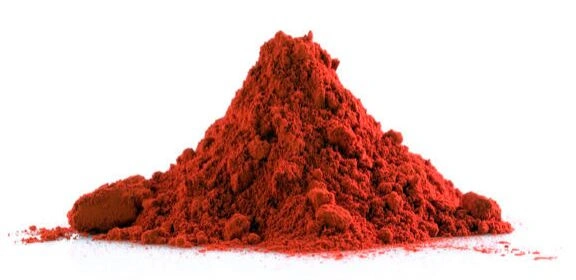
Understanding Pure Astaxanthin Powder and Its Skin Health Benefits
Natural vs. Synthetic: Why the Source Configuration Matters
Not all astaxanthin substances are created equal. The natural astaxanthin from algae is the (3S, 3'S) optical isomer, a chiral configuration which biological systems best recognise and use. Synthetic versions are racemic mixes, including three isomer configurations (3S,3'S : 3R,3'S : 3R,3'R in 1:2:1 ratio) diluting the biological potency. This difference in structure has a direct impact on label claims and end-user results for formulators developing high-specification goods.
Clinically Supported Skin Health Benefits
The data for natural pure astaxanthin powder’s skin wellness is really great. In a randomised controlled trial published in Nutrients (2020), oral supplementation with natural astaxanthin dramatically enhanced skin elasticity and hydration and reduced roughness after 8 weeks. Further peer-reviewed data supports its ability to attenuate UV-induced oxidative stress, reduce activity of pro-inflammatory cytokines and sustain dermal collagen integrity – all mechanisms relevant to visible skin ageing.
These benefits translate immediately into powerful ingredient stories for premium oral beauty supplements, anti-aging nutraceuticals and ingestible skincare lines that are already attracting high consumer interest in the U.S. market.
In addition to skin support, astaxanthin is also active in cardiovascular and immunological pathways, which expands its presence across many supplement categories and promotes cross-category product development for R&D teams.
How to Use Pure Astaxanthin Powder for Optimal Skin Health Results
Dosage Parameters and Delivery Format Flexibility
The relevant range of oral consumption for astaxanthin in supplement applications is commonly defined as 4–12 mg per day under the regulatory and clinical frameworks in the U.S. Powder-form substances are specified with a concentration (often 1-10% via micro-encapsulation or CWS, cold-water-soluble) that dictates the actual active load per gram of ingredient.
Pure astaxanthin powder can be formulated into many dosage methods. The key formats of interest to B2B formulators are:
- Hard-shell capsules and softgels Astaxanthin is lipophilic, hence oil-based softgel encapsulation is a high-bioavailability option for oral beauty supplements claiming skin hydration and suppleness.
- Effervescent and powder mixes CWS-grade astaxanthin powder is easily dispersible in sachet and stick-pack formats to facilitate beverage supplement creation where visual clarity is important.
- Topical Delivery Systems Astaxanthin encapsulated can be used to emulsion-based creams and serums, giving a complimentary ingredient story for marketers establishing inside-out beauty lines.
Formulation teams with 5% to 10% concentration specifications benefit from a considerable dosing efficiency advantage. Smaller inclusion rates deliver the specified active load, which can offset some of the premium ingredient cost at the formulation level.
Comparing Pure Astaxanthin Powder with Alternative Antioxidant Ingredients
In the case of choosing antioxidant compounds for skin formulations, the comparative field is usually limited to krill oil, beta carotene, CoQ10 and Vitamin E.
In this terrain, pure astaxanthin powder from Haematococcus pluvialis finds numerous differentiated places. It has been shown to have an antioxidant strength of over 800 times that of CoQ10 and 550 times that of Vitamin E in published ORAC and singlet oxygen quenching tests. Unlike beta-carotene, astaxanthin does not convert to Vitamin A in the body hence there are no upper limit problems. Algal astaxanthin powder has a cleaner label profile, no allergy concerns and a more concentrated, standardised active per unit than krill oil.
Natural astaxanthin checks the boxes of non-GMO, vegan and clean-label certification standards, traits that are gaining commercial weight in the U.S. premium supplement market. Synthetic astaxanthin is cheaper at the raw material level, but it lacks these certifications and has the racemic isomer limitation mentioned above.
The premium for a certified natural, high-purity astaxanthin ingredient is often justified by the formulation story it enables at retail for B2B clients balancing ingredient cost with distinctiveness value.
Procurement Guide: Sourcing Pure Astaxanthin Powder for B2B Clients
Supplier Evaluation Criteria That Actually Matter
A simple COA is not sufficient to identify a reliable supplier of astaxanthin ingredients. Here are the evaluation benchmarks that experienced formulators care about:
- Full-panel COA compliance: All heavy metals, micro-organisms, solvent residues and exogenous nucleic acid residues must be under regulatory compliance limits . These data points are transparent for each batch from a trusted provider.
- Filter paper residue testing is a useful measure of extraction quality. Cleaner powder, with less insoluble residue, directly correlates to increased antioxidant activity and more uniform pigment delivery between batches.
- Concentration specification range: For high end formulation work, suppliers who can give 5% to 10% astaxanthin powder specs offer substantial formulation options. Confirm the assay performed – HPLC is the established standard.
- Consistency in colour from batch to batch: The colour of the astaxanthin powder (deep red to violet-red) is a useful proxy for quality. Visible batch inconsistency is an indicator of process unpredictability that will generate challenges when scaling up from pilot to commercial production.
Collectively these parameters safeguard formulators from the biggest pain point in premium ingredient sourcing, which is consistent quality from sampling to mass production.
Logistics, MOQ, and Long-Term Partnership Considerations
When you buy pure astaxanthin powder in bulk internationally, you will need to factor in cold-chain logistics (which is normally stored below 8 degrees Celsius in vacuum-sealed, light-proof packaging), customs paperwork, and lead time preparation. Suppliers offering flexible MOQ terms, private label customisation and OEM processing services can ease the strain of operations for brands moving from pilot batches to commercial volumes.

Conclusion
Pure astaxanthin powder occupies a genuinely differentiated position in the antioxidant ingredient landscape. Its molecular mechanism, natural isomer configuration, and clinically supported skin health activity make it a high-value choice for premium supplement and oral beauty formulations. For R&D teams working with high-specification ingredients, the key variables — concentration grade, full COA compliance, extraction purity, and batch consistency — are what separate a reliable ingredient partner from a commodity supplier. Evaluating these parameters carefully at the sampling stage protects both formulation integrity and long-term production consistency.
FAQ
1.Is natural pure astaxanthin powder safe for daily use in supplement formulations?
Yes. Natural astaxanthin derived from Haematococcus pluvialis has been evaluated in multiple human clinical studies and is recognized as safe within established daily intake ranges. The ingredient carries GRAS status in the U.S. for certain applications. Safety verification through repeated experimental protocols is standard practice for quality manufacturers.
2.What distinguishes natural pure astaxanthin powder from synthetic astaxanthin in formulation?
Natural astaxanthin contains predominantly the (3S, 3'S) isomer, which offers higher biological uptake efficiency compared to the racemic mixture in synthetic versions. This isomer specificity supports stronger antioxidant performance per milligram of active ingredient.
3.How do I verify astaxanthin supplier quality before committing to bulk orders?
Request a full-panel COA covering heavy metals, microbial limits, solvent residues, and isomer profile confirmed by HPLC. Ask for filter paper residue test data as a purity indicator. Evaluate whether the supplier can maintain color consistency and specification compliance across multiple pilot batches before scaling to commercial volumes.
Partner With Jiayuan Bio-Tech for Premium Astaxanthin Ingredients
Jiayuan Bio-Tech operates GMP-certified production lines with ISO and SGS certifications, supplying high-purity pure astaxanthin powder and a full catalog of natural plant extracts to formulation teams across the U.S. and globally. We offer free samples, flexible MOQ, OEM customization, and full logistics support including customs clearance. Reach our team directly at sales@jayuanbio.com or sales1@jayuanbio.com, or visit jayuanbio.com to request specifications, COA documentation, or pricing as a trusted pure astaxanthin powder supplier.
References
1. Tominaga, K., et al. — Nutrients, 2020
2. Davinelli, S., et al. — Marine Drugs, 2018
3. Ambati, R. R., et al. — Marine Drugs, 2014
4. Fassett, R. G., & Coombes, J. S. — Antioxidants, 2012
5. Kidd, P. — Alternative Medicine Review, 2011
6. Higuera-Ciapara, I., et al. — Critical Reviews in Food Science and Nutrition, 2006
You May Like
0