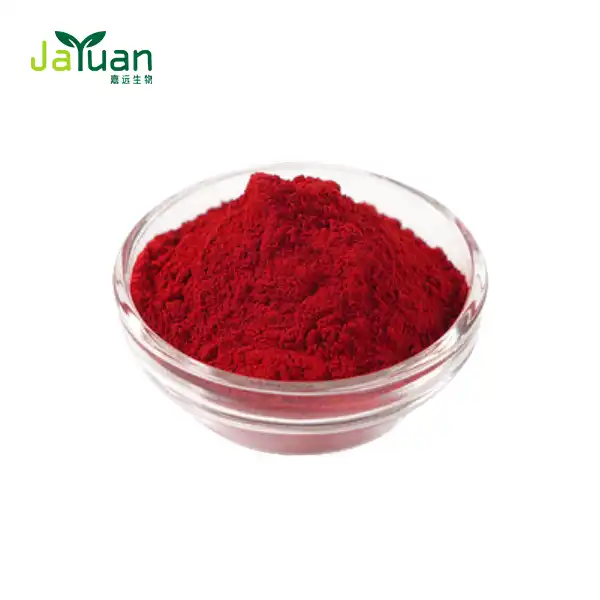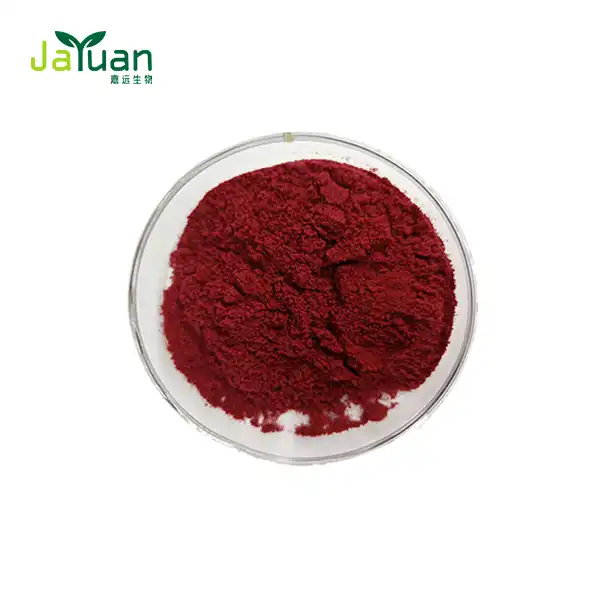

How Pure Astaxanthin Powder Works as a Cellular Antioxidant
Pure astaxanthin powder is a lipid-soluble keto-carotenoid derived from the microalgae Haematococcus pluvialis, widely recognized as one of the most potent natural antioxidant ingredients available for nutraceutical and cosmetic formulation. Its molecular structure (C₄₀H₅₂O₄) allows it to span the entire cell membrane bilayer, providing simultaneous protection on both the interior and exterior of the cell. Clinically, it demonstrates singlet oxygen quenching capacity approximately 6,000 times stronger than Vitamin C and 550 times stronger than Vitamin E—making it a strategically valuable ingredient for R&D teams developing high-performance supplement or oral beauty formulations.
Understanding Pure Astaxanthin Powder and Its Cellular Antioxidant Properties
What Sets Natural Astaxanthin Apart From Synthetic Versions
At the cellular level, not all forms of astaxanthin work the same. Pure astaxanthin powder that comes from H. pluvialis is natural and pure. It has the (3S, 3'S) chiral isomer structure, which is the optical form that works best for cellular uptake. Synthetic versions, on the other hand, are racemic mixtures of three isomeric forms in a 1:2:1 ratio. Only one-third of these forms are the same as the natural bioactive configuration. This difference is important when R&D teams are figuring out how well an ingredient works in a new formula.
The unique thing about high-purity pure astaxanthin powder at the molecular level is that it can attach itself to the whole phospholipid bilayer of the cell membrane. Beta-carotene and Vitamin E are only found in certain membrane regions. Astaxanthin, on the other hand, can cross both water-loving and water-hating zones at the same time. This structural benefit protects cells against reactive oxygen species (ROS), which cause oxidative stress that is linked to aging skin, immune system tiredness, and heart stress.
Key Biological Mechanisms Behind Free Radical Scavenging
When pure astaxanthin powder is added to products, it neutralizes free radicals in two main ways: physically (by transferring energy to the carotenoid backbone) and chemically (by giving up electrons). The conjugated polyene chain in pure astaxanthin powder gives off extra energy as heat, which is completely safe. This leaves the molecule's structure unaltered and ready for more antioxidant cycles, which is something that most other antioxidants don't have.
A lot of published study backs up the idea that taking between 4 mg and 12 mg of a high-purity algal pure astaxanthin powder every day can help keep your skin fluid and your eyes healthy. For formulators, this means that each pill or bag can have less active ingredient while still being effective. This saves money and keeps the label clean.
Comparative Analysis for B2B Buyers: Choosing the Right Astaxanthin Ingredient
For high-end vitamin or cosmetic lines, a purity claim on paper is not enough to make a buying choice. A reliable pure astaxanthin powder supplier is different from a commodity source in a number of important ways.
Here are the main criteria that experienced R&D procurement teams use to judge bids:
- Concentration specification: Pure astaxanthin powder that is sold in stores is usually available in grades ranging from 1% to 10%. This is done through micro-encapsulation or Cold Water Soluble (CWS) technologies. A 10% grade has the most active ingredient per gram, which means less filler material in your recipe.
- Isomer profile: A good natural pure astaxanthin powder should have a lot of All-E geometric isomers with the stereo configuration (3S, 3'S). Not just the total amount of astaxanthin should be confirmed by the COA.
- Batch color consistency: For oral beauty products and clear capsules, all production lots must have the same deep red to violet-red color. Batch-to-batch color differences are a sign of oxidative degradation or extraction controls that aren't working right.
- Full-panel COA data: The levels of heavy metals, microorganisms, solvent residues, and exogenous nucleic acid residues all need to be within the limits set by regulators. Under FDA rules for food supplements, brands that want to sell in the US must do this.
These factors lower the formulation risk that R&D teams face when they move from making a test batch to making a lot of them. It is rare and really valuable to find a supplier whose COA for a pilot sample matches their COA for a bulk shipment.
A test for filter paper remains is an objective way to tell if the quality is good enough. When we at Jiayuan Bio-Tech checked the quality of our pure astaxanthin powder, it had significantly lower residue amounts than competing goods when tested in the same way. There is a direct link between less waste and higher extraction purity and better free radical scavenging ability per gram of ingredient. Additionally, the product has been proven to be safe and non-toxic through multiple tests.
Practical Applications and Usage Guidelines in B2B Industries
Formulation Integration Across Supplement, Cosmetic, and Functional Food Categories
Pure astaxanthin powder can be easily mixed into softgels, hard capsules, stick packs, liquid premixes, and skin serums. The CWS-grade pure astaxanthin powder dissolves in water-based mixtures, giving product makers working on drinkable collagen or healthy beverage lines more options for how they can use it. The standard amount of active ingredient in pill forms is usually between 4 mg and 12 mg per dose, depending on the health goal, such as improving skin tone, heart health, or eye health.
Bulk Handling and Storage Requirements
When exposed to heat, light, and air, pure astaxanthin powder breaks down quickly. These handling rules are important for B2B procurement teams that are in charge of warehouse operations:
- Store below 8°C in vacuum-sealed, nitrogen-flushed, opaque packaging to prevent conversion to the inactive astacene form.
- Maintain dry conditions with relative humidity below 60% to prevent clumping in encapsulated powder grades.
- Confirm shelf-life data under accelerated stable conditions (40°C/75% RH) before committing to big inventory positions.
Following these storage conditions will protect the high-quality pure astaxanthin powder you've bought and make sure that the product that gets to your preparation line has the same strength as what's written on the certificate of analysis.
Trusted Supplier Selection Criteria for Pure Astaxanthin Powder
Certification, Quality Systems, and Traceability
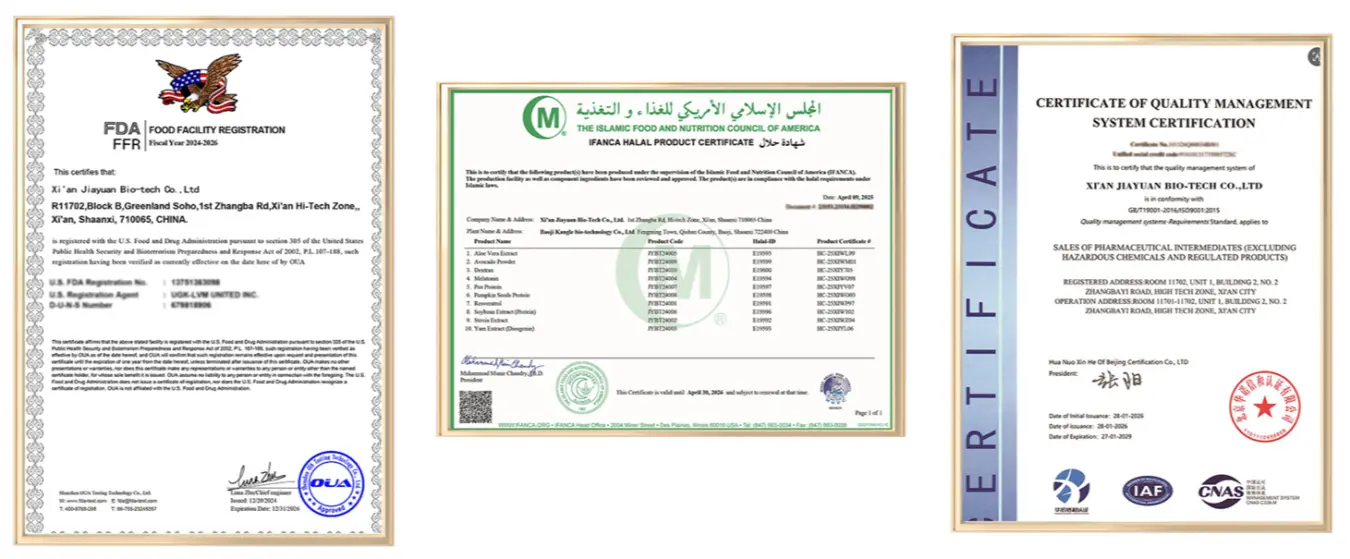
A trustworthy company that sells pure astaxanthin powder has active GMP certification, ISO recognition, and any necessary third-party validations, such as SGS and Halal certification. Beyond qualifications, the real test of a supplier's skills is how well they keep quality uniform between pilot and production runs. Before approving a new source of astaxanthin, R&D teams should ask for both a free sample COA and data on past batches.
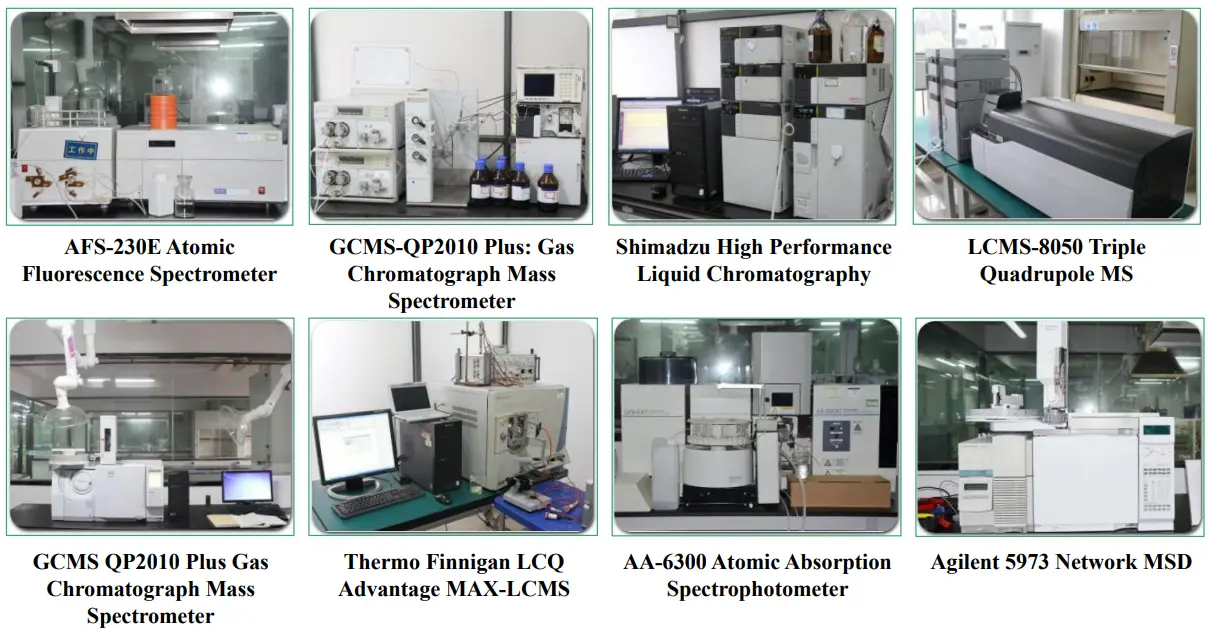
Two GMP-compliant production lines are run by Xi'an Jiayuan Bio-Tech, and the company has its own quality lab that works with our customers' existing quality systems. We can fully track where our raw materials come from, and our separation methods have been tested to make sure they are stable from batch to batch. We work with FedEx, DHL, UPS, EMS, and TNT, and we can help you clear customs straight into the US market. This means that the ingredient will get to your building without any problems.
Future Outlook and Industry Trends in Astaxanthin Antioxidant Use
The global astaxanthin market is expected to keep growing until 2030. This is because demand is rising in North America for high-end supplement brands, mouth beauty products, and useful foods. New developments in micro-encapsulation and supercritical CO₂ extraction are making it possible to achieve higher levels of purity while also making aqueous delivery systems more bioavailable.
Clean-label, non-GMO, and natural ingredient claims are also getting more attention from regulators. Brands that secure a verified and compliant pure astaxanthin powder source are now ahead of rivals who may have to change their recipes because of stricter FDA or NSF rules. Getting a high-quality natural pure astaxanthin powder from a verified GMP manufacturer is not only the right thing to do for quality reasons, it is also a smart way to buy things.
Conclusion
Because of its membrane-spanning chemical structure, its stereo-specific activity (3S, 3'S), and its ability to regenerate cells by scavenging free radicals, pure astaxanthin powder holds a unique place among natural antioxidant components. When R&D teams are making high-end supplements or oral beauty products, the quality of the ingredient they get directly affects how well the finished product works in the clinic and where it stands in the market. A strong formulation strategy starts with picking a source with GMP credentials that can be checked, full-panel COA compliance, and batch stability that can be seen.
FAQ
1.What concentration of astaxanthin powder is best for supplement formulations?
Most high-end vitamin mixes use pure astaxanthin powder at a concentration of 4% to 10%, which lets the active ingredient work well without using too much container volume. A 10% grade has the most potency per gram and is best for high-end product lines that want to keep labels as short as possible and save money on cost-per-dose.
2.How does natural astaxanthin differ from synthetic astaxanthin in formulation?
The natural pure astaxanthin powder mostly has the (3S, 3'S) chiral isomer, which is better for biological uptake than manufactured racemic mixes. Natural-source pure astaxanthin powder is the best choice for brands that focus on effectiveness, both from a scientific and a marketing point of view.
3.What quality documentation should I request from an astaxanthin supplier?
Ask for a full COA that includes a pure astaxanthin powder test, an isomer profile, heavy metals, microbe counts, fluid residues, and residues from outside nucleic acids. Ask for stable data under fast conditions as well as batch color consistency records for more than one production lot.
4.Is astaxanthin powder safe for use in dietary supplement ingredients?
Yes. Generally Recognized As Safe (GRAS) means that natural pure astaxanthin powder is safe to use in the right situations. It has also been tested many times and found to be safe and non-toxic at standard formulation dosages.
Partner With Jiayuan Bio-Tech for High-Purity Astaxanthin Ingredient
Jiayuan Bio-Tech sells pure astaxanthin powder that has been checked and is GMP-certified to R&D teams and formulation brands all over the US. Heavy metals, microorganisms, and solvent residues are all below the regulatory limits for our 10% concentration grade, and we offer free samples for pilot batches. You can email our team at sales@jayuanbio.com or sales1@jayuanbio.com. You can look at our credentials as a pure astaxanthin powder supplier at jayuanbio.com and order a sample right away.
References
1. Guerin, M., Huntley, M. E., & Olaizola, M. (2003). Haematococcus astaxanthin: Applications for human health and nutrition. Trends in Biotechnology, 21(5), 210–216.
2. Naguib, Y. M. A. (2000). Antioxidant activities of astaxanthin and related carotenoids. Journal of Agricultural and Food Chemistry, 48(4), 1150–1154.
3. Ambati, R. R., Phang, S. M., Ravi, S., & Aswathanarayana, R. G. (2014). Astaxanthin: Sources, extraction, stability, biological activities and its commercial applications—A review. Marine Drugs, 12(1), 128–152.
4. Yuan, J. P., Peng, J., Yin, K., & Wang, J. H. (2011). Potential health-promoting effects of astaxanthin: A high-value carotenoid mostly from microalgae. Molecular Nutrition & Food Research, 55(1), 150–165.
5. Lorenz, R. T., & Cysewski, G. R. (2000). Commercial potential for Haematococcus microalgae as a natural source of astaxanthin. Trends in Biotechnology, 18(4), 160–167.
6. Fassett, R. G., & Coombes, J. S. (2011). Astaxanthin: A potential therapeutic agent in cardiovascular disease. Marine Drugs, 9(3), 447–465.