
Pure Astaxanthin Powder Benefits for Skin, Eyes, and Wellness
Pure Astaxanthin Powder delivers remarkable benefits across multiple health domains, positioning it as a premium bioactive ingredient for B2B applications. Derived from microalgae Haematococcus pluvialis, this natural carotenoid demonstrates exceptional antioxidant capacity that supports skin rejuvenation, ocular function, and systemic wellness. Unlike synthetic alternatives, high-purity formulations containing 5-10% astaxanthin content offer superior bioavailability and cellular protection, making them ideal for high-specification supplement brands and oral beauty formulations targeting discerning consumers.

Understanding Pure Astaxanthin Powder and Its Health Benefits
Because of the way its molecules are structured, natural astaxanthin is one of nature's most powerful antioxidants. This molecule can cross whole cell membrane bilayers because it has conjugated double bonds, hydroxyl groups, and keto groups. This gives the cell double the protection it needs from reactive damage. This transmembrane position makes astaxanthin different from other antioxidants that only work in water or fat.
Source and Extraction Purity
The source and processing methods of astaxanthin powder have a big impact on its quality. When astaxanthin comes from microalgae, it mostly has the 3S,3'S stereoisomer, which is more biologically active than the racemic mixes found in synthetic forms. With today's advanced extraction methods, concentrations can be anywhere from 1% to 10%, and for maximum formulation freedom, top specs can hit the upper range.
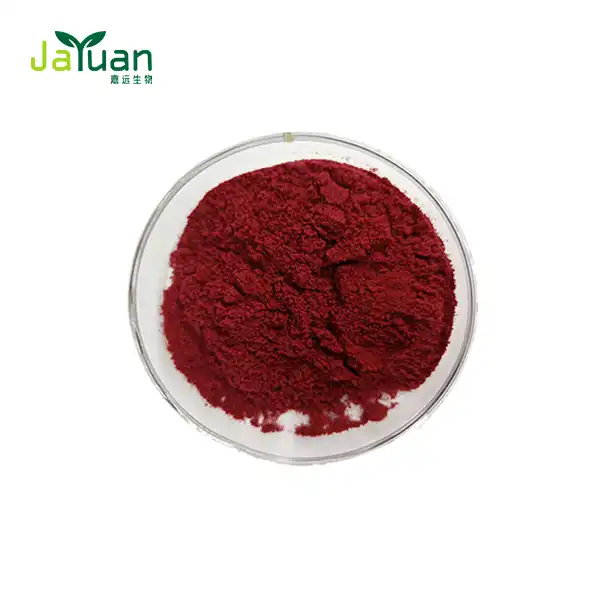
Our production includes strict controls on quality that are carried out using thorough testing methods. The analysis of filter paper residue shows that there are no particle contaminants, showing that the extraction is more refined than usual processing standards. This higher level of purity is directly linked to stronger antioxidant activity and better free radical scavenging performance in finished products.
Core Mechanisms of Action
The reason the chemical works is because it can neutralise reactive oxygen species all around cell structures. Astaxanthin diffuses across the boundary of the membrane, protecting the hydrophobic inner section and the hydrophilic outer part. This versatile defence shields against two key processes that cause cell ageing and malfunction: lipid breakdown and protein oxidation.
Astaxanthin does not exhibit pro-oxidant activity even at large doses and maintains its antioxidant properties. This is particularly important for health goods with large doses, as it is stable and other carotenoids might operate against the body’s natural defences. The chemical structure is stable under physiological conditions, therefore the product will always act in the same manner throughout storage and metabolism.
Applications in Premium Product Development
Astaxanthin powder is more and more popular with the researchers and creators of the new vitamin line and oral beauty products. The ingredient’s versatility means it may be included into a broad variety of delivery methods, from capsules and tablets to functional beverages and beauty-from-within treatments. Formulation specialists prefer the homogeneous powder specifications because it allows for exact dosing, helping them hit their desired levels of efficacy across all manufacturing runs.
The chemical is plant-derived and has a clean label profile that aligns with what consumers expect in ingredients. Highlighting the microalgae source and natural extraction technique may be very useful for brands looking to distinguish out in the high-health space. This allows them to stand out in a competitive market.
Pure Astaxanthin Powder for Skin, Eyes, and Wellness: Scientific Insights
There is clinical proof that astaxanthin has many health benefits, which gives procurement workers faith in its claims of effectiveness. Knowing the scientific background helps you make smart choices about specification needs and the right places to use the technology.
Dermatological Benefits and Skin Health
According to research, taking astaxanthin supplements makes skin more elastic and moisturized while also lowering fine lines and uneven structure. By getting rid of free radicals that are made by metabolism and UV light, the system keeps dermal collagen and elastic fibers from breaking down. Studies show that taking supplements by mouth works better with topical applications because it supports the body's antioxidant defenses and improves the skin barrier's ability to work.
Because the compound can build up in skin tissue, it acts as a buffer against photooxidative damage. This built-in UV protection doesn't replace sunscreen, but it does add to your defense against oxidative stress caused by UVA. Transepidermal water loss was measured in clinical studies and showed that the barrier integrity improved. This led to visible changes in hydration that beauty supplement users like.
Controlling pigmentation is another known benefit. Studies show that astaxanthin may help keep skin tone even by changing the pathways that cause melanogenesis. Because of these qualities, the ingredient is perfect for mouth beauty products that aim to treat face problems caused by getting older and protect against sun damage.
Ocular Health Support
The eyes are constantly challenged by oxidative stress from light and high biological activity. This makes them especially sensitive to damage from free radicals. Astaxanthin gets through the blood-retinal barrier and builds up in the retinal cells, where it protects them from free radicals with Pure Astaxanthin Powder. Studies that looked at signs of macular health show that supplements help the eyes work better and lessen the symptoms of eye fatigue.
Astaxanthin intake leads to better visual performance, including faster adjustment and better contrast perception. These practical improvements are especially useful for people who get digital eye strain from staring at screens for long periods of time. The compound's anti-inflammatory properties work with its antioxidant properties to help with many different pathways involved in how the eyes react to stress.
Researchers who measured the flow of blood through retinal capillaries found that microcirculation got better after addition. This suggests that the supplements have vascular effects that help get nutrients to the tissues of the eye. This multifaceted support system is why the ingredient is being used more and more in eye health products.
Systemic Wellness and Immune Function
In addition to its specific benefits, astaxanthin also helps the body's overall resilience in a number of ways. Because it reduces inflammation, it changes immune reactions without blocking defense processes that are needed, which helps keep immune activity in check. Improvements in lipid oxidation markers and endothelial function have been seen in cardiovascular research, which suggests that vascular health is being supported.
Studies on mitochondria show that astaxanthin improves the efficiency of how cells make energy while lowering the amount of reactive waste. Because it affects both energy metabolism and oxidative stress, this ingredient is useful for wellness products that aim to promote healthy aging and vitality. The substance is safe enough to take every day for a long time, as shown by multiple toxicological tests that confirmed it was not toxic at any amount.
Dosage Considerations for Product Development
Dosage ranges that work depend on the application. For example, skin health products usually include 4–12 mg per day, while eye health products usually say 6–12 mg. Systemic health applications may run from 4 mg to 20 mg, based on where they are used and who they are meant for. These standards help formulation teams figure out how much of each raw material they need and how to make stable delivery systems.
Improving bioavailability through the right preparation is a very important thing to think about. Because astaxanthin is lipophilic, it needs to be paired with dietary fats or delivered using special methods like microencapsulation. Knowing these formulation requirements will help make sure that the ingredients work well in finished products.
Comparing Pure Astaxanthin Powder with Other Forms and Supplements
There are different kinds of astaxanthin on the market, and each has its own pros and cons that affect buyers' choices. By weighing these choices, the best specs for specific product development goals can be chosen.
Powder Format Advantages
Compared to pre-encapsulated forms, astaxanthin powder gives you a lot more options for how to use it. The ingredient can be added to a wide range of forms, such as healthy foods, pills, tablets, and sachets. This flexibility is especially helpful when making custom recipes or adding to an existing line that needs dose changes.
The powder format is also more cost-effective when used in large quantities. By buying standardized powder in bulk, brands can keep costs down while keeping quality control high all along their supply chain. Direct access to ingredients allows for quality control and tracking of stability from batch to batch, which are important for brands that put a high value on dependability.
Cold water dispersible powder versions get around the compound's natural hydrophobicity by processing it in a special way that makes particles that mix with water. This technology makes it possible to use powders in more liquid systems, like drinks and other liquid mixtures, where regular powders that attract fat would not work well.
Natural Versus Synthetic Comparison
The difference between natural and manufactured astaxanthin has big effects on how products are positioned and how well they work. The natural astaxanthin from Haematococcus pluvialis only has the 3S,3'S stereoisomer. Synthetic versions, on the other hand, are made up of racemic mixtures that are less biologically active. When comparing these types in clinical tests, natural stereoisomers always show better results.
Because of environmental concerns, brands that care about sustainability are choosing natural sources more and more. Growing microalgae is a closed-loop, green production method that has a smaller effect on the environment than making petrochemicals. This story about clean production hits home with consumers and improves brand stories about being environmentally responsible.
Quality standards vary a lot from one source to the next. Natural astaxanthin is thoroughly checked for heavy metals, microorganisms, and solvent residues. Products that pass these tests are safe enough to meet international safety standards. Our production keeps full certificates of analysis that list all the contaminant parameters that are within the legal limits. This gives procurement teams full traceability.
Alternative Delivery Systems
Oil-based astaxanthin formulations have chemicals that are already dissolved, which makes some production steps easier. However, they have problems, such as being more likely to oxidize and not being as stable on the shelf as properly treated powders. The bulk volume of oil carriers also impacts how efficiently they are made and the size of the finished product.
Astaxanthin-containing krill oil products offer both omega-3 and antioxidant effects, but they contain less astaxanthin per dose. Formulations that want to get the most astaxanthin usually need to add specific ingredients instead of using sources that are mixed together. Knowing about these changes in concentration helps procurement workers choose the right raw materials to meet their goals for effectiveness.
Using starch or gelatin as a matrix in beadlet technologies makes double-shell security systems that make things more stable while they are being stored and processed. These powders that are enclosed in capsules are better at resisting oxidation and heat degradation than powders that are not enclosed, which extends their shelf life. As a result, the active ingredient's concentration is usually between 1% and 5%, which means that bigger amounts of the ingredient are needed to get the same dose.
Procurement Guide for Pure Astaxanthin Powder: Sourcing and Supplier Insights
To successfully buy ingredients, you need to carefully assess the skills and quality control systems of your suppliers. The following factors help choose trustworthy partners who can help with long-term product development goals for Pure Astaxanthin Powder.
Quality Verification Standards
Comprehensive certificates of analysis are the basis for making sure that the quality is good. Specifications should list the amount of astaxanthin present by using HPLC analysis to ensure that the concentration is correct within the values given. Heavy metal testing is needed to make sure that worldwide standards for lead, arsenic, cadmium, and mercury are being met. This keeps end users from being exposed to contaminants.
Microbiological factors, such as overall plate count, yeast and mold, E. coli and Salmonella need to be tested for and followed. Analysis of the residual liquid makes sure that the extraction process meets safety standards. Ethanol and other processing tools stay below the limits set by regulators. These thorough testing protocols show that the company is serious about manufacturing and following the rules.
Our building has ISO, SGS, and HALAL certifications, which show that we follow foreign quality control systems. These qualifications give procurement teams faith in the consistency of the process and the accuracy of the paperwork. Regular third-party audits make sure that ongoing compliance is being met, providing external validation in addition to self-certification by the supplier.

Production Capabilities and Batch Consistency
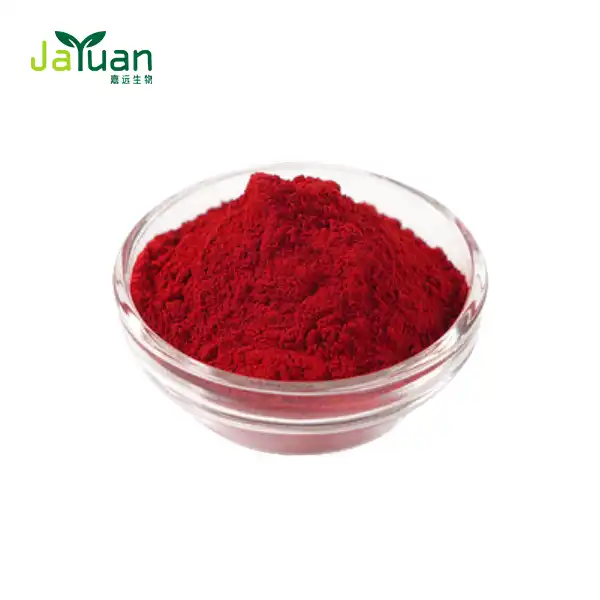
Color uniformity is a useful quality sign that affects how the end product looks. Color and intensity that stay the same from batch to batch show that the growing and extraction processes were controlled. Changes in color can show processing flaws that might be linked to changes in strength, so looking at something is a good way to do a basic quality check.
Advanced sellers use cell-wall-breaking technologies that break down cells at rates higher than 98%, making sure that algae biomass is bioavailable in the best way possible. This step in the process has a big effect on how well the product is digested and absorbed, which has a direct effect on how well the end product works. This measure should be checked in the procurement requirements because incomplete cell disruption lowers the amount of effective astaxanthin that is available.
The way powder is handled and how it reacts to ingredients are both affected by the particle size distribution. Ultra-fine milling makes particles with consistent sizes, which makes mixing more even and improves the way things dissolve. Formulators can predict how processes will work and get consistent production results by using specifications that list particle size ranges.
Supply Chain Logistics
Astaxanthin requires cool, dark storage below 25°C, with protective packaging to preserve stability and antioxidant activity. Understanding supplier MOQs helps manage inventory and cash flow, especially during product development. Reliable international logistics, proper customs documentation, and major carriers such as FedEx, DHL, and UPS support timely, trackable global deliveries.

Building Strategic Supplier Relationships
Long-term supplier relationships improve communication, problem-solving, and product development. Volume commitments can secure better pricing while maintaining quality, and shared forecasts help ensure stable supply. Strategic procurement should balance cost and consistency. Strong technical support from experienced application scientists and formulators further improves product development and resolves formulation challenges efficiently.
Conclusion
Scientific studies have shown that Pure Astaxanthin Powder is a healthy ingredient that can help with eye health, skin health, and overall wellness. Because it comes naturally from microalgae and has a unique molecular structure, it can be used in ways that manufactured replacements can't. Professionals in procurement who are looking for high-quality materials for high-end product lines can benefit from learning about quality factors, extraction purity standards, and bioavailability optimization strategies. As the body of clinical data supporting astaxanthin's effectiveness grows, along with the demand for natural health solutions among consumers, this ingredient becomes strategically useful for brands aiming at health-conscious groups. For implementation to go smoothly, you need to work with providers who have strict quality control, thorough testing methods, and reliable supply chain management to make sure that each batch is the same from the start of production to the end of sales.
FAQ
1.What concentration specifications should I specify for cosmetic versus dietary supplement applications?
Cosmetic supplements usually have daily amounts of 4–8 mg, and the powder needs to have a concentration of 5–10% in order to fill capsules properly. Higher doses (12–20 mg) may be found in dietary health products. Concentrated powders make the end product smaller and make it easier for customers to follow the directions. When choosing a specification, you should think about how to balance cost-effectiveness with formulation usability based on delivery format.
2.How does astaxanthin compare with other antioxidants in terms of potency?
Researchers have found that astaxanthin is a much better antioxidant than popular molecules like vitamin C, vitamin E, and beta-carotene in some test systems. Because it can cross cell walls, it protects both fatty and aqueous parts of cells at the same time, which is something that most antioxidants can't do. In living systems, this structural benefit means that cells are better protected.
3.Can I customize formulations combining astaxanthin with other active ingredients?
Custom formulation creation is one of the main things that experienced providers can do. Omega-3 fatty acids, vitamin E, and other pigments work well with astaxanthin because they are compatible. Technical advice makes sure that ingredients work well together and stay stable over time, so that the mutual benefits are maximized while each ingredient's identity is maintained.
Partner with a Trusted Pure Astaxanthin Powder Manufacturer
Jiayuan Bio-Tech is an expert at sending natural astaxanthin powder that is of pharmaceutical grade and has a concentration of 5 to 10 percent for difficult formulation needs. Our GMP-certified factories and thorough quality checks make sure that every batch meets the highest standards for heavy metals, bacteria, and solvent leftovers around the world. Filter paper residue analysis confirms that the substance is more pure and free of impurities, making it a better source of antioxidants than other options. We help global sourcing teams by offering variable minimum order quantities, free samples for testing, full customs clearance help, and direct delivery through established carrier networks for Pure Astaxanthin Powder. Get in touch with our technical team at sales@jayuanbio.com and sales1@jayuanbio.com to talk about your specific formulation needs and get access to detailed certificates of analysis that show our commitment to quality.
References
1. Ambati, R.R., Phang, S.M., Ravi, S., & Aswathanarayana, R.G. (2014). Astaxanthin: Sources, extraction, stability, biological activities and its commercial applications. Marine Drugs, 12(1), 128-152.
2. Tominaga, K., Hongo, N., Karato, M., & Yamashita, E. (2012). Cosmetic benefits of astaxanthin on human subjects. Acta Biochimica Polonica, 59(1), 43-47.
3. Nagaki, Y., Hayasaka, S., Yamada, T., Hayasaka, Y., Sanada, M., & Uonomi, T. (2002). Effects of astaxanthin on accommodation, critical flicker fusion, and pattern visual evoked potential in visual display terminal workers. Journal of Traditional Medicines, 19(5), 170-173.
4. Nishida, Y., Yamashita, E., & Miki, W. (2007). Quenching activities of common hydrophilic and lipophilic antioxidants against singlet oxygen using chemiluminescence detection system. Carotenoid Science, 11, 16-20.
5. Fassett, R.G., & Coombes, J.S. (2011). Astaxanthin: A potential therapeutic agent in cardiovascular disease. Marine Drugs, 9(3), 447-465.
6. Yuan, J.P., Peng, J., Yin, K., & Wang, J.H. (2011). Potential health-promoting effects of astaxanthin: A high-value carotenoid mostly from microalgae. Molecular Nutrition & Food Research, 55(1), 150-165.