Pure Melatonin: How It Supports a Natural Sleep Cycle
Pure melatonin serves as the cornerstone ingredient for pharmaceutical-grade formulations and premium supplement lines targeting circadian rhythm regulation. This naturally occurring neurohormone, when synthesized to pharmaceutical standards exceeding 99% purity, synchronizes sleep-wake cycles by binding to MT1 and MT2 receptors in the brain's suprachiasmatic nucleus. High-purity melatonin powder enables manufacturers to develop consistent, bioavailable products that support consumers struggling with disrupted sleep patterns, shift work adaptation, and jet lag recovery without the variability found in lower-grade alternatives.
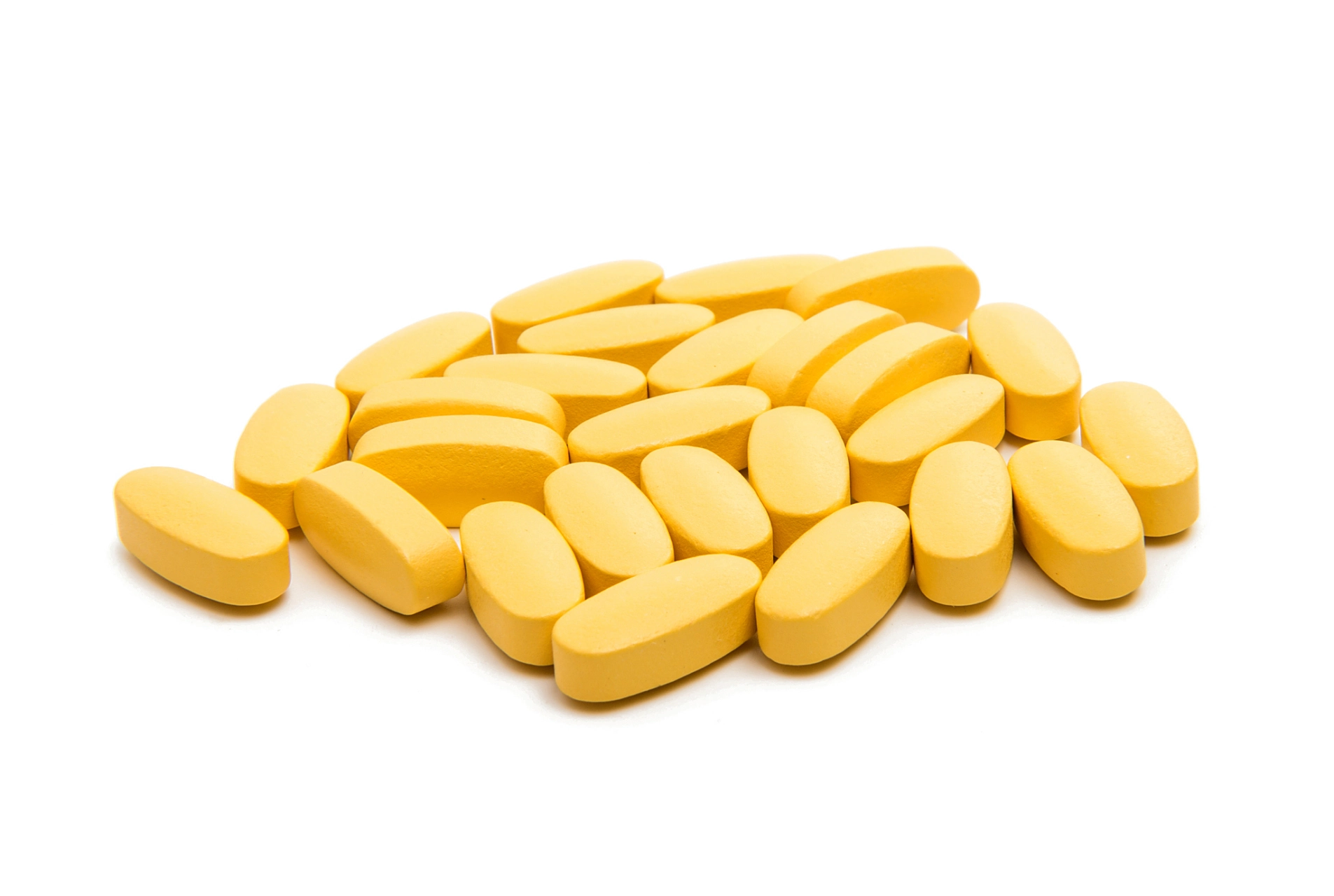
Understanding Pure Melatonin and Its Role in Sleep
Chemical Composition and Purity Standards
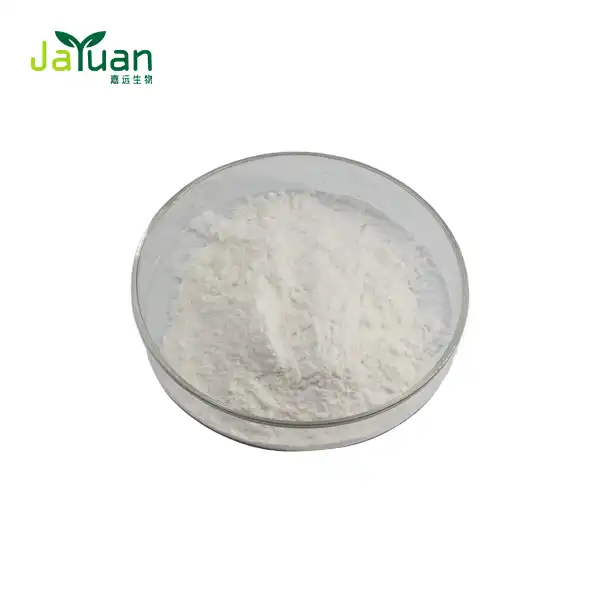
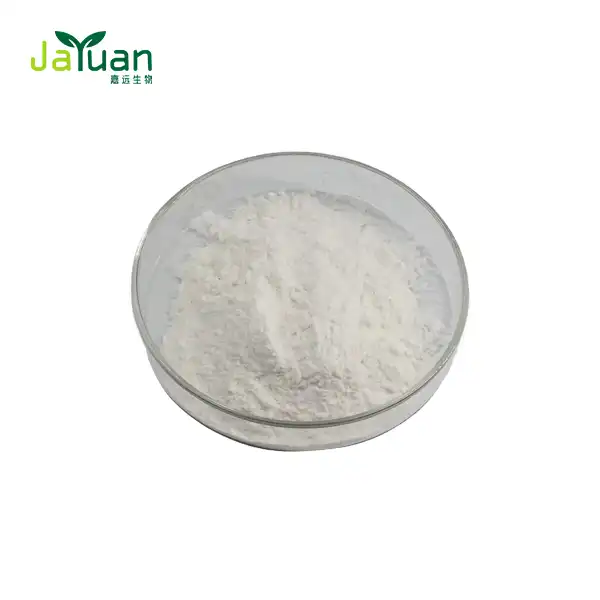
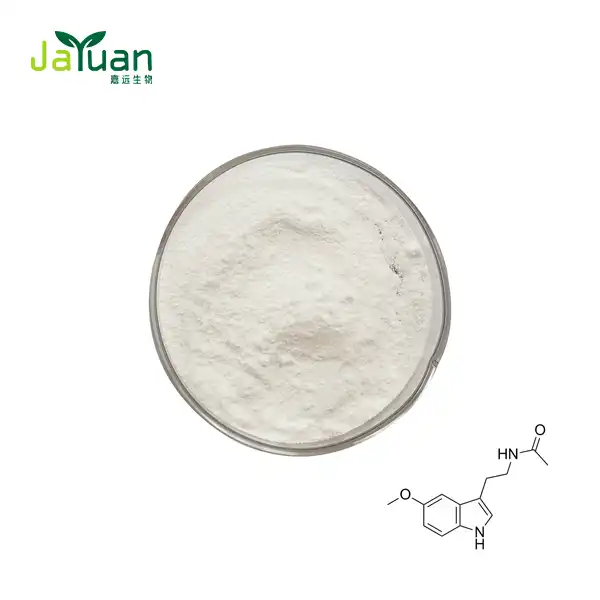
The technical details of good melatonin powder show that it can be used in pharmaceutical processes. Material that is safe for use in medicine is a crystalline powder that is white to off-white and has an exact freezing point range of 116°C to 120°C. Leading manufacturers aim for assay purity levels of 99.5% or higher, which they check using HPLC and make sure are strictly in line with USP and EP monograph requirements. The synthetic production method gets rid of the risk of contamination that comes with using animal-based materials and keeps the stability from batch to batch that is important for GMP manufacturing settings.
Circadian Rhythm Synchronization Mechanisms
The reason melatonin works is because it works perfectly with internal clocks. It works well to trigger melatonin receptors in the brain at nite when given in a pure form that passes the blood-brain barrier. This activation tells the body to go from being awake to being ready for sleep, which naturally lowers core body temperature and makes you less alert. Quality and registration departments that are reviewing ingredient suppliers know that impurities above 0.5% can make receptor binding less effective. This is why third-party testing facilities like SGS or Eurofins are required to confirm purity before the goods are bought.
Bioavailability Considerations in Raw Material Selection
To make pharmaceutical-grade vitamins, you need to know how the solubility profile affects the design of the mixture. Standard solid powder doesn't dissolve well in water (about 0.1 mg/mL), but it dissolves easily in ethanol and propylene glycol. Micronized versions with particles smaller than 10 microns greatly speed up the dissolving process, which is especially helpful for sublingual pills that need to be absorbed quickly through the mouth. When buying ingredients for liposomal delivery systems or fast-acting formulas, procurement teams look for providers that offer a range of particle sizes and include full particle distribution analysis in their Certificate of Analysis paperwork.
Benefits and Usage of Pure Melatonin in Sleep Health
Efficacy in Sleep Quality Enhancement
Clinical research shows that brands can make products with pure melatonin ingredients that work to shorten the time it takes to fall asleep by 7 to 12 minutes on average. The substance helps with deeper, more restorative sleep phases without the addiction problems that come with benzodiazepine options. High-end supplement brands that want to attract health-conscious customers use pharmaceutical-grade purity to market their products as high-end answers for occasional sleeplessness and long-term sleep pattern improvement.
Safety Profile and Dosage Framework
Regulatory-compliant formulations usually have between 0.5 mg and 10 mg per serving, and clinical evidence supports their effectiveness in this range. When the compound comes from a manufacturer that keeps heavy metal content under 10 ppm and residual solvents below the limits set by USP Chapter 467, it has great tolerance profiles. When quality assurance teams look over source paperwork, they pay close attention to Loss on Drying values. These values must stay below 0.5% so that the product doesn't break down due to water during its shelf life. This stability has a direct effect on whether finished goods live up to what they say on the label until the expiration date.
Extended Application Scenarios
In addition to basic sleep aids, research labs that study circadian rhythm diseases also look into more pure grades for specific uses. The element seems like it could help people who are going through seasonal affective patterns, changes in the way they sleep that come with getting older, and getting back on track after having their plans thrown off. Pharmaceutical businesses making prescription-only medicines need proof that there are no BSE or TSE transmission risks and full impurity profiles that measure similar chemicals like 5-Methoxytryptamine below 0.1% limits.
Comparing Pure Melatonin with Other Sleep Aid Options
Synthetic versus Plant-Derived Sources
Synthetic production, which starts with 5-methoxy-3-indolylacetonitrile compounds, is used for most medication production today. When compared to plant extraction methods, which can change with the seasons and produce less, this method is more consistent. Manufacturers can use synthetic methods to get products that are 99% pure or higher, which is needed for pharmaceutical uses, while still keeping prices low for large purchases. Synthetic production is also good for growing customer tastes in supplement markets because it is vegan-friendly.
Formulation Format Considerations
When purchasing managers look at the specs of ingredients, they need to think about what the manufacturing process will need in the future. Crystalline powder works well for sealing and tablet compression, while micronized versions make it possible to make forms that dissolve quickly. Manufacturers of gummy supplements have to deal with problems with solubility that need co-solvents or special emulsification methods. Liquid versions make the supply chain more complicated because they need to be stored in temperature-controlled rooms and packaged in a way that keeps light out.
Comparative Stability and Shelf Life
When stored in a way that keeps moisture below 0.5%, high-quality material that is sealed in light-resistant containers under a nitrogen atmosphere stays effective for three to five years. This stability profile is better than many plant sleep aids that need to be kept cool or have shorter "use-by" dates. Manufacturers who work in warm areas appreciate this resilience the most because it lowers the risk of goods going bad during transportation and streamlines the supply chain.
Procurement Insights: Sourcing Pure Melatonin for Global B2B Clients
Supplier Qualification Criteria
Pharmaceutical companies and high-end supplement brands use strict, multi-phase audits to check out potential suppliers. Important criteria for review include proof of simulated moving bed chromatography, which allows for ongoing purification with a steady purity level above 98%. Advanced makers use Distributed Control Systems to precisely control pH, temperature, and fluid ratios during production. This cuts down on mistakes made by humans and ensures that each batch is exactly the same. These technological skills set suppliers who can meet the needs of pharmaceutical-grade products apart from producers of ordinary goods.
Bulk Purchasing Parameters
For pharmaceutical-grade materials, the minimum order quantities are usually between 25 kg and 100 kg, and the prices are based on the purity standards and testing needs. Premium placement is given to suppliers who provide full Certificates of Analysis that include specific rotation values, residue on ignition data below 0.1%, and full leftover solvent profiles. When you agree to buy more than 500 kg a year, you can often get better prices and make sure you have enough supplies when the market is tight. When registration departments switch suppliers, they need to check to see if the new sources offer regulatory support documents that make it easier to file ANDAs and updates to supplement fact panels.
Compliance Documentation Requirements
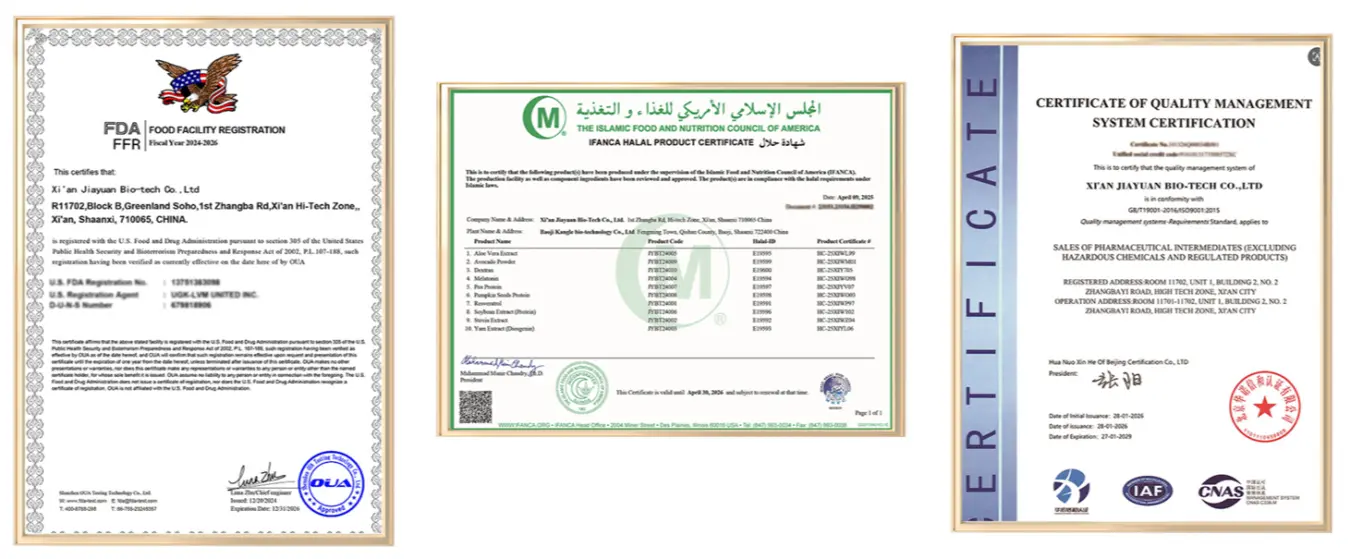
For international trade to happen, a lot of supporting paperwork is needed in addition to the basic COA entries. Export-focused sellers keep their GMP certifications up to date, which cover their factories, as well as their ISO quality management system verification and product-specific Kosher or Halal certificates that meet the needs of a wide range of markets. Pharmaceutical importers need links to the Drug Master File or comments that say the pure melatonin product meets the requirements of a pharmaceutical pharmacopeia. When adding new ingredient sources, complete documentation packages cut down on delays in customs clearance and speed up the qualification process.
Ensuring Quality and Trust in Pure Melatonin Supply
Testing Protocol Verification
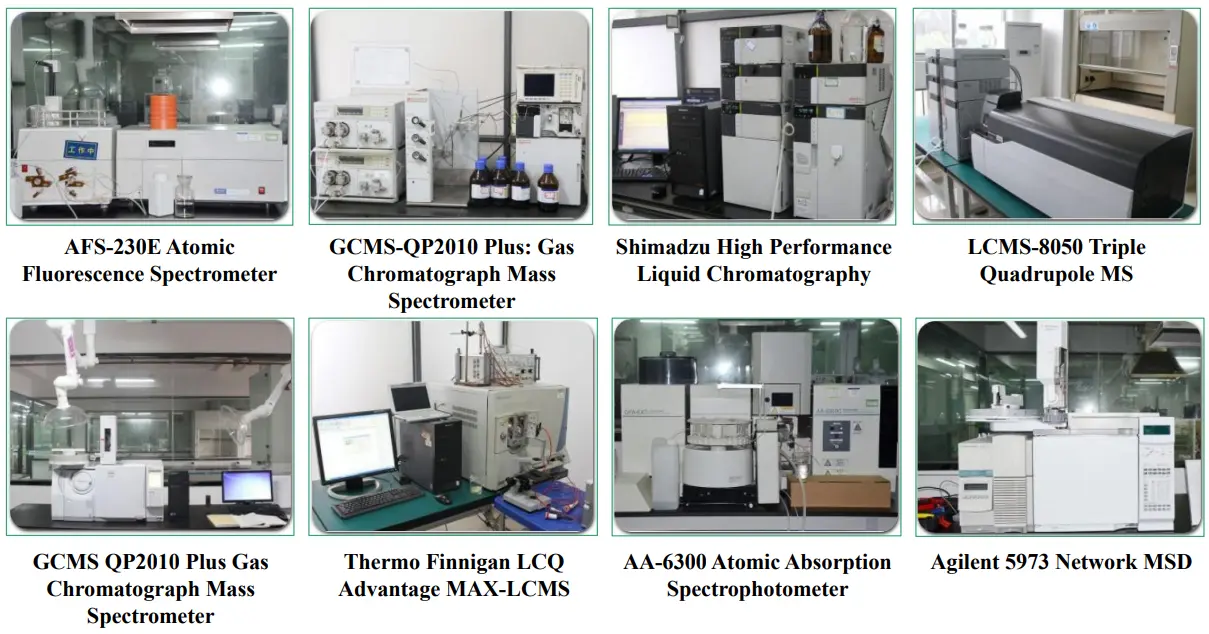
For pharmaceutical-grade output, dual quality control methods are the best way to do things. Online monitoring with near-infrared spectroscopy lets you track concentrations in real time during the extraction steps. Offline HPLC and GC-MS analysis checks that the finished product meets all the requirements. Reliable suppliers provide testing results that show related impurities are still below the limits set by pharmacopeia and heavy metals analysis using ICP-MS that show totals for lead, arsenic, cadmium, and mercury are less than 10 parts per million. Using microbiological tests to make sure there are no E. Coli, Salmonella, and keep the total number of plates in the lab within accepted limits.
Certification Standards and Audit Trails
The factories that make materials for medicines are closely watched by strict government regulations. GMP certification for areas where ingredients are made makes sure that the environment is controlled, that cleaning procedures are tested, and that change control processes are written down. The ISO 13485 certification adds parts to the medical device quality system that are useful for using ingredients in hospital settings. Third-party checks by customers or their agents make sure that written processes match how things are actually made, which proves that the paperwork given is correct.
Supply Chain Transparency Case Study
A big European drug company was able to qualify a Chinese maker by doing a full audit that looked at where the raw materials came from, how the production process worked, and how the quality control system was set up. The company showed vertical integration by signing contracts with growers to get consistent botanical inputs. However, the most valuable part of their work was their advanced chromatographic purification technology. Auditors were pleased by the solvent recovery system's ability to collect 90% or more of the ethanol. This showed that the system was both environmentally friendly and cost-effective. This partnership now provides materials for a number of product lines on three continents. It does this with the help of a dedicated regulatory affairs liaison and regular updates about any changes to production.
Conclusion
High-purity pure melatonin ingredients are the building blocks of successful sleep aids in both the pharmaceutical and nutritional industries. When procurement professionals choose suppliers based on their proven technological skills, thorough quality paperwork, and compliance with regulations, they set their companies up for successful product development and market approval. A provider that can support long-term partnerships has advanced purification technology, strict testing methods, and clear supply chain practices that set them apart. Before starting the seller qualification steps, quality and registration teams that are looking at new sources should do a lot of research on them. They should look at purity data, impurity profiles, and any supporting certifications.
FAQ
1.What purity level is required for pharmaceutical applications?
Pharmaceutical-grade formulas need to be at least 99.0% pure, which can be proven by HPLC testing. The best suppliers get 99.5% purity or higher. To keep the drug's effectiveness constant and meet pharmacopeia standards, related toxins, especially 5-Methoxytryptamine, must stay below 0.1%. Instead of just giving assay values, registration offices should make sure that providers give full impurity profiles.
2.How does storage impact ingredient stability?
If you keep properly packaged items in sealed, light-resistant cases with controlled humidity, they will stay effective for three to five years. Because the element is sensitive to light and absorbs water, it needs to be stored in nitrogen-flushed containers that keep moisture levels below 0.5% so that the quality stays high throughout the shelf life.
3.What documentation supports regulatory compliance?
Full supplier packages come with up-to-date Certificates of Analysis that refer to USP or EP standards, detailed Safety Data Sheets, GMP manufacturing statements, and certifications that the product is free of TSE and BSE. For pharmaceutical uses, they might need to access the Drug Master File or provide similar pharmacopeia compliance documentation to support regulatory submissions in target markets.
Partner with Jiayuan Bio-Tech for Pharmaceutical-Grade Melatonin Supply
Jiayuan Bio-Tech is an expert at providing pharmaceutical-grade melatonin powder that is more than 99% pure. They do this by using cutting-edge chromatographic filtering technology and strict quality control systems. Our factory, which is close to the Qinling Mountains, has GMP and ISO-certified production lines and easy access to raw materials. This makes sure that we always have ingredients that meet USP43 standards. We help pharmaceutical firms and high-end supplement brands by giving them detailed regulatory information, letting them buy in any amount starting at 25 kg, and giving them focused technical advice to help them solve formulation problems. Our solvent recovery systems and zero-liquid-discharge wastewater treatment show that we care about the environment while keeping our prices low. Our full range of tests, such as HPLC purity proof, ICP-MS heavy metals analysis, and residual solvent measurement, helps the quality and register departments. Get in touch with our team at sales@jayuanbio.com or sales1@jayuanbio.com to talk about your needs for a pharmaceutical-grade pure melatonin supplier and to get full product specifications.
References
1. Zhdanova, I.V., et al. (2001). "Melatonin: A Sleep-Promoting Hormone." Sleep Medicine Reviews, Volume 5, Issue 4, Pages 321-332.
2. Brzezinski, A., et al. (2005). "Effects of Exogenous Melatonin on Sleep: A Meta-Analysis." Sleep Medicine Reviews, Volume 9, Issue 1, Pages 41-50.
3. Hardeland, R. (2012). "Neurobiology, Pathophysiology, and Treatment of Melatonin Deficiency and Dysfunction." The Scientific World Journal, Article ID 640389.
4. Pandi-Perumal, S.R., et al. (2008). "Physiological Effects of Melatonin: Role of Melatonin Receptors and Signal Transduction Pathways." Progress in Neurobiology, Volume 85, Issue 3, Pages 335-353.
5. Ferracioli-Oda, E., et al. (2013). "Meta-Analysis: Melatonin for the Treatment of Primary Sleep Disorders." PLOS ONE, Volume 8, Issue 5, Article e63773.
6. Auld, F., et al. (2017). "Evidence for the Efficacy of Melatonin in the Treatment of Primary Adult Sleep Disorders." Sleep Medicine Reviews, Volume 34, Pages 10-22.