
How to Choose High-Quality Astaxanthin Powder for Your Brand
Selecting the right Astaxanthin Powder for your brand requires careful evaluation of source authenticity, purity levels, and supplier credentials. Premium-grade powder derived from Haematococcus pluvialis microalgae offers superior bioavailability and antioxidant capacity compared to synthetic alternatives. Prioritize suppliers who provide transparent COA documentation, demonstrate batch-to-batch color consistency, and maintain rigorous compliance with heavy metal and microbial testing standards. Understanding extraction methods, concentration gradients (1%-10%), and formulation compatibility ensures your product delivers genuine efficacy while supporting competitive positioning in nutraceutical, cosmetic, and functional supplement markets.

Introduction
The worldwide natural antioxidant ingredient industry has risen very rapidly. That’s because more and more individuals are becoming interested in anti-aging, eye health, and skin health. This has made high-quality astaxanthin a sought-after nutrient in the quest for firms to differentiate their supplements, cosmetics, and pet feeds. Purchasing managers and product developers searching for this “king of carotenoids” in an increasingly complex supply chain need to be well informed as to quality requirements, regulations, and suppliers’ capabilities.
Choosing the appropriate Astaxanthin Powder directly affects the product effectiveness, brand image, and regulatory restrictions. The quality of your raw materials impacts the performance of your softgels, gummies, skin serums or pet health products for your clients and their rate of repeat purchase. This guide contains specific decision drivers such as concentration needs, natural source validation, heavy metal compliance, bulk buying price model and batch uniformity. These are all key factors to consider if you want to get a competitive advantage in the eye health and oral beauty supplement markets.
In this article we will look at helpful assessment methods, the comparison of products and the strategic procurement of goods for B2B buyers. We want to provide practical insights that can help you transform purchasing challenges into opportunities to strengthen your brand and build client trust.
Understanding Astaxanthin Powder and Its Market Importance
The Chemical Nature and Biological Significance
The worldwide natural antioxidant ingredient industry has risen very rapidly. This complex structure enables it to traverse whole cell membrane bilayers and results in dual-phase antioxidant protection that is effective in both lipid and aqueous environments. Unlike beta-carotene, astaxanthin does not have pro-oxidant activity and retains its antioxidant action even at high levels. It makes it particularly safe for high-potency products.
The lipophilic nature of the chemical could make it difficult to synthesise, however these challenges have been solved by contemporary processing technology. The oleoresin is sticky by nature. Manufacturers utilise microencapsulation procedures using starch or gelatine matrices to convert the oleoresin into stable powders that do not stick together. The update addresses three significant industry issues: breakdown during storage if you respond to it, handling issues on the manufacturing line, and formulation types that are incompatible with water.
Natural Versus Synthetic Origins
The greatest source of natural astaxanthin is still the microalgae Haematococcus pluvialis which provides the physiologically active 3S,3'S stereoisomer combination. This isomer is better absorbed by cells and is more bioavailable than the racemic mixtures seen in synthetic versions or other yeast-derived sources. While growing, these small algae produce astaxanthin to protect them from environmental stress and reach concentrations of 3-5% of their dry biomass weight.
Supercritical CO 2 extraction is the most efficient method for obtaining pure astaxanthin oleoresin from the harvested algal biomass. This method does not use any solvents and so does not harm the antioxidant structure and does not utilise any chemicals that might make the product unsafe. Once the oil is extracted, it is either spray-dried or beadlet-formed to add protective layers to the active chemical to prevent light, oxygen and temperature fluctuations from affecting it.
Market Relevance Across Product Categories
With its ability to improve both eye health and face beauty, astaxanthin is one of a kind in the nutritional world. When going after the oral beauty market, companies use its ability to fight oxidative stress at the cellular level to keep skin hydrated, flexible, and protected from damage caused by UV rays. Additionally, eye health products can benefit from astaxanthin's ability to cross the blood-retinal barrier and provide specific antioxidant support to cells in the eye.
Formulation flexibility is another important market advantage. Cold water dispersible versions can be used for drinks, and normal beadlets can be used to crush tablets and fill capsules. Oil-suspended forms work well in gummy formulas because they add bright natural color and useful benefits. Astaxanthin is being used more and more in pet supplements to improve joint health and coat quality, which opens up new market opportunities beyond human nutrition.
Key Criteria for Evaluating Astaxanthin Powder Quality
Purity Standards and Concentration Specifications
To judge quality, you must first understand the concentration gradients that are offered in market products. Astaxanthin Powder levels at the entry level are usually between 1.0% and 2.0%. These levels are good for low-cost uses or items where it plays a secondary part. Concentrations in the middle, between 3.0% and 5.0%, are good for mainstream supplement formulations because they are both cost-effective and effective. Premium goods may list 10% or more, but they are much more expensive and need to be carefully weighed against synthetic options in terms of cost-benefit.
High-Performance Liquid Chromatography (HPLC) is still the standard way to confirm the actual amount of astaxanthin in a sample. Suppliers you can trust will give you Certificates of Analysis (COA) that show not only the quantity but also the ratio of free to esterified forms. For finished formulations to work at their best, the cell-wall breaking rate—which shows how digestible and bioavailable the substance is—should be higher than 98%.
Source Authenticity and Extraction Methods
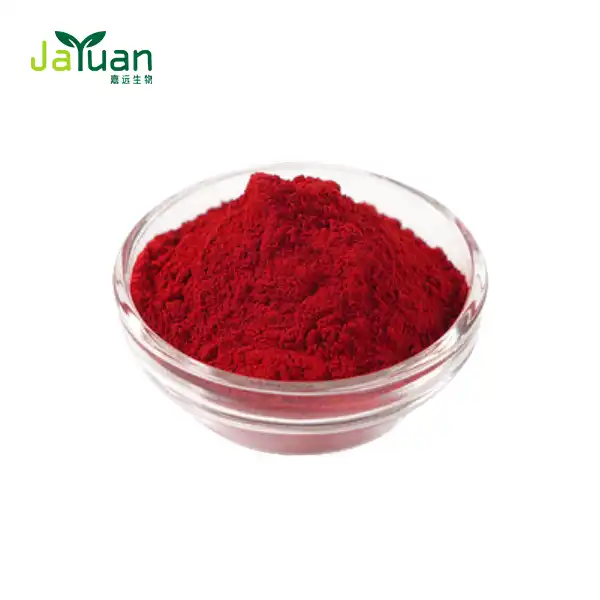
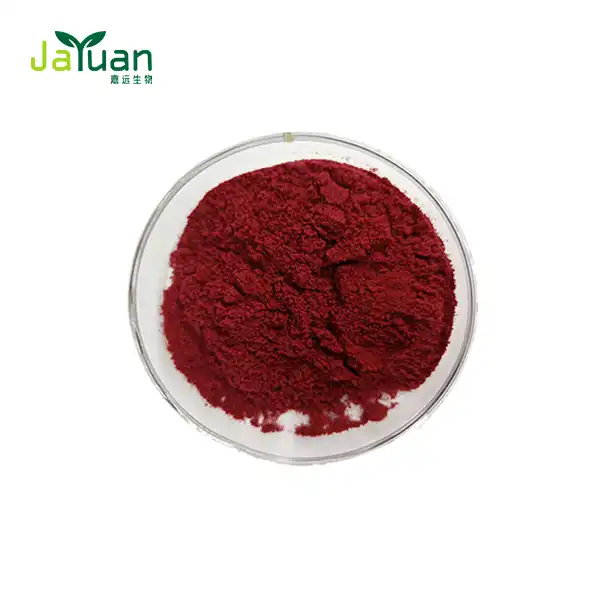
It takes careful seller screening to tell the difference between real Haematococcus pluvialis sources and fake ones. When looked at under a microscope, real natural astaxanthin has a deep red to brownish-red color and a unique crystalline structure. The levels of pheophorbide, which are breakdown products of chlorophyll, must stay strictly controlled because these chemicals can make people sensitive to light.
Advanced suppliers use special growing methods that increase the amount of astaxanthin while lowering the risk of contaminants. When compared to open pond cultivation, closed photobioreactor systems give better control over growing conditions. This means that plants are less exposed to external pollutants and the quality of each batch is more uniform. Traceability documentation that connects finished powder to specific cultivation lots adds to the quality assurance.
Regulatory Compliance and Safety Testing
Pharmaceutical-grade chemicals are different from common materials because they have full safety ratings. Heavy metals like lead, arsenic, cadmium, and mercury stay well below international legal limits at Xi'an Jiayuan Bio-Tech thanks to our strict quality control procedures. Microbial testing makes sure that there are no pathogenic organisms and that the total plate counts are in line with GMP standards. Concerns about chemical contamination can be put to rest with solvent residue analysis, which guaranties the purity of the extraction.
Filter paper residue testing adds another level of assurance that shows how clean the extraction was. Superior products have little to no waste, which means they have been thoroughly cleaned and don't have any cellular trash that could cause rust or lower shelf stability. Independent third-party labs check our facility's safety a lot of times, which gives us faith that the quality of our products will be the same from batch to batch.
Stability and Packaging Considerations
Protecting antioxidants from factors that break them down is very important for their stability. Double-shell microencapsulation technology makes a barrier against oxygen and light, which keeps the product fresh longer under normal storage conditions. Measurements of bulk density (usually 0.4 to 0.7 g/mL) affect formulation formulas and shipping costs, so they need to be taken into account when making purchases.
Astaxanthin breaks down quickly above 40°C, so it needs to be handled in a certain way with care. Premium providers use cold chain transportation and give thorough storage advice, such as how to control humidity and what kind of containers to use. Flushing with nitrogen during packing makes the product last longer by stopping reactive losses that happen during storage and transport.

Comparing Astaxanthin Powder Options for Your Brand
Product Format Selection
When dry blending is needed, powder formulations are clearly better than oil suspensions. The microencapsulated beadlet format easily goes through automatic filling equipment, so there are no worries about cross-contamination. It also makes dosing accurate in tablet or pill forms. Formulation problems can be solved with cold water dispersible variants in beverage uses, but they cost more because they are harder to handle.
Oil-based products are still useful for softgel encapsulation and cosmetic uses on the skin, where lipid carriers help the product get into the skin. When making gummies, companies often choose oil solutions that mix easily with gelatin or pectin and add natural color. Figuring out exactly what your formulation needs will help you choose the best format, which balances technical performance with cost factors.
Natural Versus Synthetic Decision Framework
The natural vs. synthetic fight is about more than just which is better in terms of effectiveness. It's also about how to place a brand. Consumer study shows that people regularly prefer ingredients that come from natural sources, especially in high-end supplement areas. Natural astaxanthin costs 30–50% more than manufactured versions, but this investment backs up marketing claims and allows for higher selling prices.
For many names, the difference in price is due to changes in biological activity between stereoisomers. The 3S,3'S structure found in algae sources is better at being taken up and retained by cells than synthetic racemic mixtures that contain multiple stereoisomers. When making products for picky customers who are willing to pay for proven quality, natural sourcing is no longer a nice-to-have but a competitive necessity.
Interpreting Supplier Specifications
To read expert data sheets, you need to know how to use business terms and how to measure things. Specifications that show "astaxanthin content" should make it clear whether the numbers are for total carotenoids or just astaxanthin, since some sellers use confusing labels to make their products look more powerful than they really are. When powders are properly handled, the amount of moisture they contain affects how long they last on the shelf and how much active ingredient they actually have.
The way particles are distributed affects how the formulation works, especially in beverage uses that need full dispersion. Mesh size specifications (usually 80–200 mesh) show how fine the powder is. Smaller particles usually mix better with liquids, but they might not flow as well through automated filling equipment. Comparing bulk density to tapping density helps figure out how much space is needed for storage and how much it will cost to ship a lot of items.
Quality Red Flags and Verification Methods
When prices are very low compared to market standards, it's usually a sign that the quality has been lowered, either by adding synthetic ingredients or not having enough controls over purity. Concerns should be raised right away if suppliers are unable or unwilling to provide full COA paperwork that includes specific test methods. If the color difference between batches is bigger than what is normally expected, it means that the growing or extraction methods were not consistent, which could affect how the finished product looks.
Third-party identification services offer independent checks when important purchasing decisions need extra security. Isotopic analysis is a sure way to tell the difference between natural and man-made sources, and advanced spectroscopic methods can confirm molecular structure and stereoisomer ratios. Long-term quality partnerships are built on relationships with suppliers who are open to this kind of scrutiny.

Strategic Procurement of Astaxanthin Powder for B2B Buyers
Supplier Vetting and Qualification
A manufacturing capacity review makes sure that providers can keep up with rising demand without lowering the quality of their products. When you tour production sites, you can see how well they follow GMP guidelines and how advanced their equipment is. Systematic quality management goes beyond simple product testing, as shown by ISO certifications, HACCP compliance, and organic certifications (if applicable) for Astaxanthin Powder.
Export records and client references can help you figure out how reliable your business is and how good your customer service is. When it comes to quality standards, suppliers who work with big foreign names usually keep them higher and are more professional when answering technical questions or solving problems. Jiayuan Bio-Tech has long-term partnerships with top beauty and nutritional brands in North America and Europe. These partnerships show our dedication to quality control and quick response to partner needs.
Pricing Structures and Negotiation Strategies
Astaxanthin pricing depends on cultivation, extraction, and concentration, with higher-purity forms costing more. Larger MOQs can reduce unit costs but increase inventory and cash requirements. Volume commitments and quarterly or annual framework agreements help stabilize pricing and secure supply. Xi'an Jiayuan Bio-Tech also supports customized purchasing programs and storage services.
Sourcing Channel Evaluation
Direct manufacturers offer lower costs, technical expertise, and customization, while B2B platforms simplify supplier comparisons but may limit technical communication. Trade shows such as Vitafoods enable direct evaluation and sampling. Private-label and OEM partners add value through formulation, testing, regulatory support, and customs assistance, ensuring smoother product development and delivery.
Supply Chain Risk Management
Dual sourcing reduces risks from production disruptions, regulatory changes, and global events. Maintaining qualified backup suppliers requires ongoing evaluation and periodic test orders. Appropriate safety stock balances lead times, demand fluctuations, and inventory costs. Quality agreements should define specifications, testing, corrective actions, design changes, contamination procedures, and dispute resolution.
Making the Final Decision: Matching Product and Brand Needs
Aligning Specifications with Target Markets
Specifications should reflect target markets and applications. Eye-health products often require higher purity and proven bioavailability, while oral beauty products emphasize natural and sustainable sourcing. Pet supplements may prioritize cost, though premium brands increasingly demand higher standards. Understanding EU, FDA, and Asian regulations helps prevent reformulation, compliance issues, and market-entry delays.
Balancing Quality and Cost Imperatives
Cost-effectiveness should consider cost per final dose, not just price per kilogram. Higher-concentration powders and better stability may reduce formulation costs, waste, and inventory burdens. Quality selection should match brand positioning: premium brands can emphasize natural sources and higher standards, while value-oriented products can use mid-range specifications to support marketing and distribution.
Customization and Differentiation Opportunities
Private-label agreements enable customized concentrations, microencapsulation, organic certifications, and water-dispersible formats, helping products stand out and expand applications. Color standardization ensures consistent appearance across batches, while advanced quality control maintains strict specifications. Together, these capabilities support functional performance, visual consistency, market differentiation, and a premium brand image.
Sustainability and Innovation Trends
Sustainable sourcing increasingly influences B2B purchasing, with responsible farming, renewable energy, waste reduction, and certifications supporting environmental claims. Emerging technologies such as nanoparticles, liposomes, and chelation may improve bioavailability and effectiveness. Partnering with R&D-focused suppliers helps brands stay competitive, while new technologies require careful validation before large-scale adoption.
Conclusion
To choose high-quality Astaxanthin Powder, you need to do a lot of research, including checking the source, analyzing the purity, making sure the seller is reliable, and making sure the product fits with your brand's positioning. Even though they cost more, natural algal sources have better biological activity and marketing benefits. Making sure that the right extraction methods are used, that regulations are followed, and that the sources are stable is also important for making sure that the product works well and that consumers are safe. Brands can get ingredients that set them apart from competitors and keep customers happy in the growing markets for eye health, oral beauty, and specialty supplement formulations by putting in place strict supplier qualification processes, negotiating good purchasing terms, and keeping quality-focused partnerships.
FAQ
1.What concentration of Astaxanthin Powder should I specify for softgel formulations?
Depending on the dose per serving, softgel applications usually use beadlets that are 2% to 5%. More concentrated ingredients are needed in smaller amounts, but the cost of the raw materials goes up. The economic best solution is found by comparing the cost-per-dose of different concentrations. Bioavailability tests show that natural astaxanthin stays effective across this concentration range when it is mixed with the right lipid carriers.
2.How can I verify natural versus synthetic sources in supplier offerings?
Using chiral chromatography, you can tell that real natural astaxanthin has a certain 3S,3'S stereoisomer majority. The COA should list the source organism as Haematococcus pluvialis and include microbe tests to prove that the material came from algae. Isotopic analysis by independent third-party testing services provides conclusive proof when purchasing decisions call for more money to be spent. Reliable sellers like this kind of scrutiny because it backs up what they say about their quality.
3.What shelf-life expectations are reasonable for properly stored astaxanthin powder?
Microencapsulated beadlets that are kept in the right conditions (cool, dry, dark places below 25°C) usually keep 90% of their effectiveness for 24 to 36 months. Data from providers' accelerated stability tests can be used to guess how something will work in real life in a number of different storing situations. Packaging that is flushed with nitrogen and that is protected from light exposure increase viability. Setting up first-in, first-out inventory rotation stops problems in factory processes that come from things breaking down over time.
Partner with Jiayuan Bio-Tech for Premium Astaxanthin Powder Supply
As a reliable Astaxanthin Powder manufacturer with a track record of success in making natural plant extracts, Xi'an Jiayuan Bio-Tech is ready to help you make your formulas work. Our GMP-certified facilities provide products that are very pure, as shown by extensive testing. Heavy metals, bacteria, and solvent leftovers are kept well below the limits required by law. For a smooth integration into your supply chain, we offer consistent batches, cheap bulk prices on specifications ranging from 1% to 10%, and full customs clearance support for the US market. Email our team at sales@jayuanbio.com or sales1@jayuanbio.com to talk about your unique needs and find out how our dedication to quality and technical know-how can help your product line.
References
1. Ambati, R.R., Phang, S.M., Ravi, S., Aswathanarayana, R.G. (2014). Astaxanthin: Sources, Extraction, Stability, Biological Activities and Its Commercial Applications—A Review. Marine Drugs, 12(1), 128-152.
2. Capelli, B., Bagchi, D., Cysewski, G.R. (2013). Synthetic Astaxanthin is Significantly Inferior to Algal-Based Astaxanthin as an Antioxidant and May Not be Suitable as a Human Nutraceutical Supplement. Nutrafoods, 12, 145-152.
3. Guerin, M., Huntley, M.E., Olaizola, M. (2003). Haematococcus Astaxanthin: Applications for Human Health and Nutrition. Trends in Biotechnology, 21(5), 210-216.
4. Higuera-Ciapara, I., Felix-Valenzuela, L., Goycoolea, F.M. (2006). Astaxanthin: A Review of its Chemistry and Applications. Critical Reviews in Food Science and Nutrition, 46(2), 185-196.
5. Shah, M.M., Liang, Y., Cheng, J.J., Daroch, M. (2016). Astaxanthin-Producing Green Microalga Haematococcus pluvialis: From Single Cell to High Value Commercial Products. Frontiers in Plant Science, 7, Article 531.
6. Yuan, J.P., Peng, J., Yin, K., Wang, J.H. (2011). Potential Health-Promoting Effects of Astaxanthin: A High-Value Carotenoid Mostly from Microalgae. Molecular Nutrition & Food Research, 55(1), 150-165.