Pure Astaxanthin Powder and Oxidative Stress: The Science Explained
If you are working in nutraceutical formulation, oral beauty development or in high-end supplement R&D, oxidative stress is a challenge at every stage of product design. I want to walk you through the science that behind one of the most potent natural antioxidant compounds on the market today – pure astaxanthin powder – and why you should add it to your next formulation pipeline.
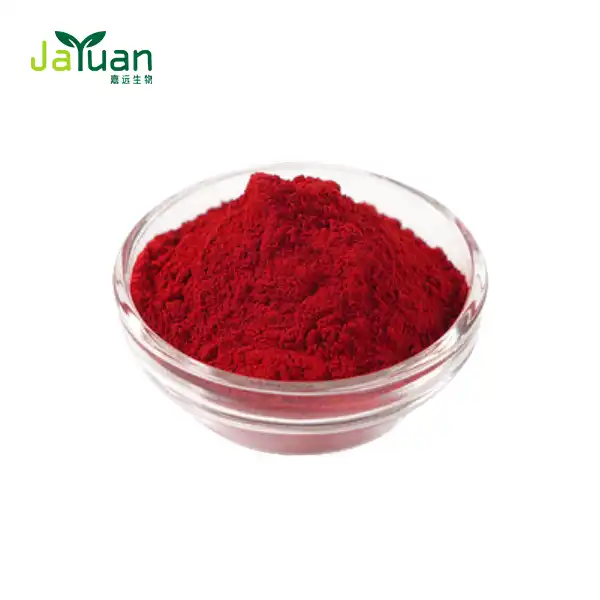
The pure astaxanthin powder is a lipid soluble keto-carotene and is generated from the microalgae Haematococcus pluvialis. Molecular Formula:C40H52O4 Singlet oxygen quenching activity: 6,000 times stronger than Vitamin C 550 times stronger than Vitamin E. These results indicate a significant performance edge worth studying further, if your R&D team is testing antioxidant compounds versus oxidative stress measurements.
Understanding Oxidative Stress and the Role of Astaxanthin
What Oxidative Stress Actually Does to Cells
Oxidative stress is defined as an imbalance between the production of reactive oxygen species (ROS) in the body and the natural antioxidant defence of the body. At the cellular level, ROS attack lipid membranes, proteins and DNA, producing a chain reaction of damage that threatens the body’s health and the safety of recipe ingredients. The oxidative degradation of cosmetics and nutraceuticals also reduces their shelf life and the efficacy of active chemicals, which is of direct importance to formulation engineers.
Many diverse industries are suffering. If you want skin health, eye health, sports performance and anti-aging supplements you need antioxidants proven to work and have a strength that can be evaluated.
Why Astaxanthin Addresses These Challenges Uniquely
The molecular framework is what sets pure astaxanthin powder apart from other antioxidants. Astaxanthin is different from beta-carotene or Vitamin E since it protects both the lipophilic and hydrophilic parts of the cell membrane at the same time. This is especially useful in formulae developed to decrease systemic reactive stress as it offers a double level of protection. The unusual (3S, 3'S) chiral structure, found solely in natural algal sources, results in greater absorption by living organisms than racemic synthetic alternatives.
The Science Behind Pure Astaxanthin Powder's Effectiveness
Natural vs. Synthetic: Why the Distinction Matters
Not all forms of the substance astaxanthin are the same. Synthetic astaxanthin has 3 different types of isomers (3S,3'S), (3R,3'S) and (3R,3'R). They are in the ratio 1:2:1. It is the natural pure astaxanthin powder from H. pluvialis, mainly the (3S, 3'S) visual structure, which is recognised by the body and used more effectively. This distinction also impacts the ingredient paperwork and how the product is positioned from a legal and clean-label compliance perspective in the U.S. marketplace.
The scientific literature supports the benefits of using natural astaxanthin in formulations. An independent study released in 2014 in the journal Marine Drugs showed that natural astaxanthin is much more bioavailable in humans than synthetic forms.
Dosing, Stability, and Bioavailability
Commercial pure astaxanthin powder concentrations vary from 1% to 10% by micro-encapsulation or Cold Water Soluble (CWS) technology. That makes it easy to add to capsules, pills, powder mixes and liquids. Clinical doses that have been demonstrated to be effective for dental health and skin health are generally between 4 mg to 12 mg a day. When the beads are prepared by micro-encapsulation they are substantially more resistant to oxidation. They have a longer shelf-life if stored in sealed, light-proof packaging at a temperature of less than 8°C.
Comparing Pure Astaxanthin Powder to Other Antioxidant Forms
When purchasing teams look at possible antioxidant ingredients, they choose between powders, oils, softgel-ready extracts, and other antioxidants like CoQ10 or krill oil based on performance data and how well they work with other ingredients.
Here is how pure astaxanthin powder compares across key technical parameters:
- Antioxidant potency: pure astaxanthin powder has an antioxidant capacity that is about 800 times higher than CoQ10 and significantly higher than beta-carotene in singlet oxygen quenching tests. This makes it a high-efficiency ingredient that can be used at lower inclusion rates.
- Formulation flexibility: The powder form can be used in a variety of delivery systems, such as pills, packs, functional foods, and skin topicals. This gives research and development teams more options than oil-based formats can always offer.
- Shelf life and stability: Advanced micro-encapsulation keeps the active pigment safe from light, heat, and oxygen. This makes powder ingredients more stable than raw algal biomass and oil extracts that haven't been stabilized.
These benefits directly address the cost-to-performance concerns that R&D and procurement leads bring up when trying to explain why they should buy high-purity ingredients instead of cheaper ones. When the extraction is very pure, a smaller dose is needed to get the same antioxidant effect. This can make up for the higher price per kilogram over the course of a full production run.
Procurement and Sourcing Guidance for Business Buyers
Verifying Quality Before Committing to a Supplier
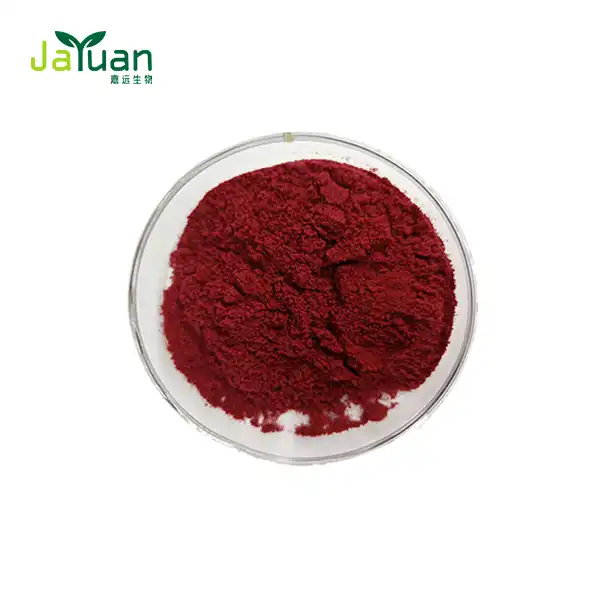
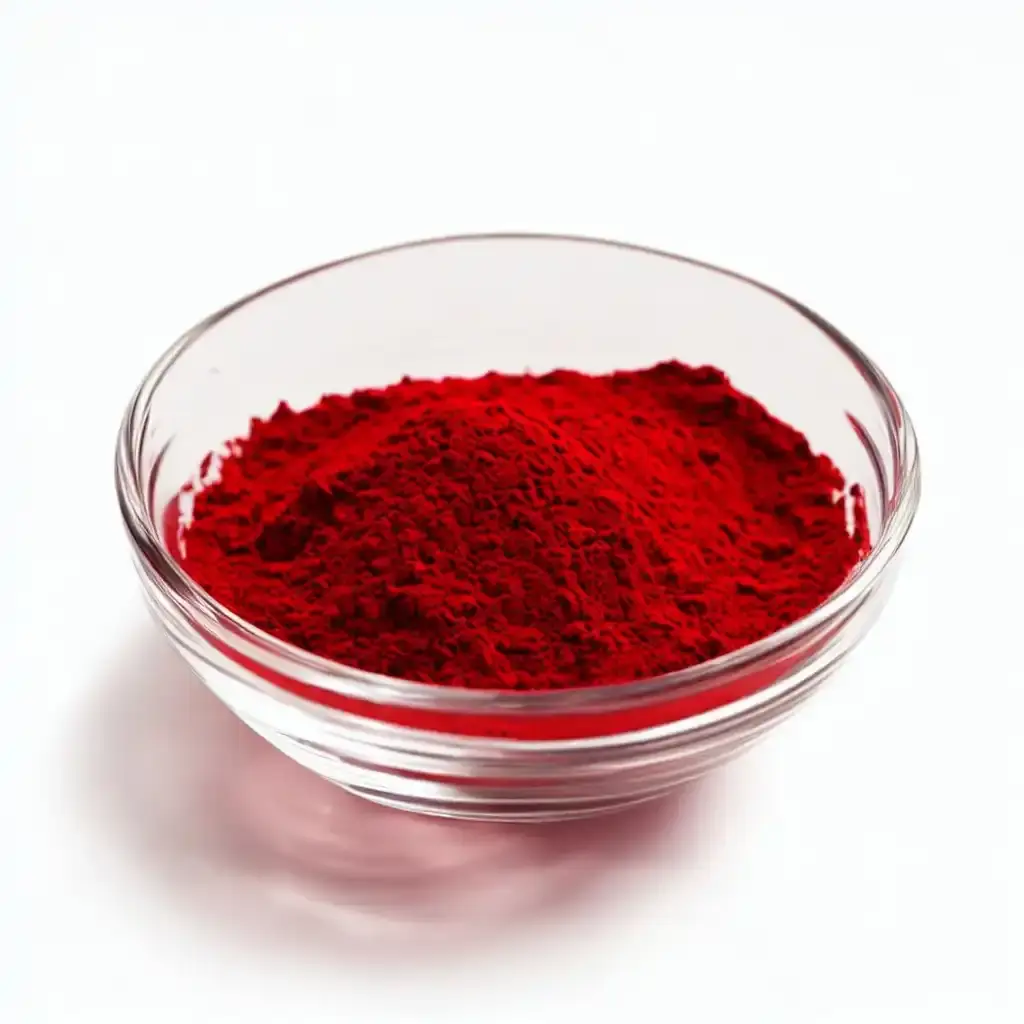
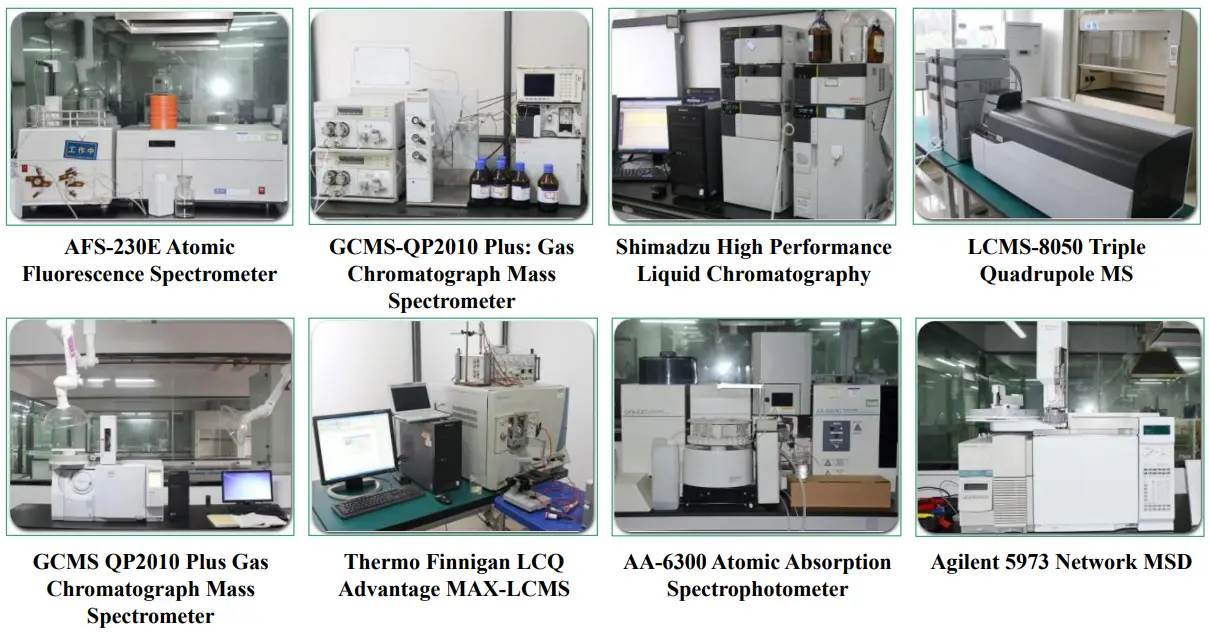
The COA is the starting point for buying teams looking for pure astaxanthin powder in the range of 5% to 10%. However, it should never be the only tool used for proof. A reliable COA checks for heavy metal levels (below 10 ppm), microbe load, solvent residues, and foreign nucleic acid residues, and makes sure they are all below the limits set by the government. Color uniformity from batch to batch, which is shown by a deep red to violet-red hue, is a key visible sign of extraction quality and isomer integrity.
A useful extra quality check is the filter paper residue test. A more pure form of astaxanthin doesn't leave behind much of a residue, which means it was extracted more efficiently and has a higher active content. Lower leftover levels are linked to better ability to fight free radicals and provide more proof of extraction purity than the COA number alone.
What to Look for in a Reliable Manufacturer
Look for manufacturers whose facilities are GMP-certified and whose product lines have ISO, SGS, and HALAL certifications. Make sure the seller gives you free samples that can be tested in a lab. This is what you should expect at this level of detail. Check how well they handle transportation. Reliable sellers of pure astaxanthin powder should be able to help you clear customs directly in key markets like the U.S. and EU, which will cut down on the time and trouble of importing.
Practical Applications and Industry Use Cases
Pure astaxanthin powder is used in a number of high demand application categories in the U.S. B2B ingredient market:
- Oral beauty and skin health formulations Astaxanthin Supports Skin Elasticity and Reduces Oxidative Stress from UV Light as Demonstrated by Clinical Data on Humans It's a natural for high-end beauty blends you can eat, since it pairs nicely with collagen, hyaluronic acid, and ceramide.
- Supplements for eye health: In this group, lutein and zeaxanthin are well recognised, but astaxanthin is unusual in that it may pass the blood-retinal barrier, making it a unique way to protect the eyes. The makers that combine these carotenoids say they work together to minimise oxidative stress.
- Performance & recovery supplements: Several clinical investigations have demonstrated that Astaxanthin has the ability to reduce the accumulation of ROS during exercise, validating its use in sports & recovery products.
The chemical’s safety rating is well recognised. Normal levels of supplement have proved safety in many preclinical and clinical trials. This confidence allows R&D teams to go from pilot samples to full-scale manufacturing, with documented safety guarantee for the ingredient dossier.
Conclusion
It makes sense that pure astaxanthin powder is at the top of the list of natural antioxidants. Because of its chemical structure, optical isomer specificity, clinical confirmation, and formulation flexibility, it is a good choice for companies making supplements and oral beauty items that need to meet high standards. Its ability to reduce oxidative stress is based on strong science, and when you buy it from a company with confirmed COA data, GMP production infrastructure, and uniform batch quality, you can be sure that it will work as promised. The value case is clear for R&D leaders who put ingredient quality ahead of price-driven giving in.
FAQ
1.What concentration of pure astaxanthin powder is recommended for nutraceutical formulations?
Powders that are sold in stores come in concentrations ranging from 1% to 10%. When precise dosing and low inclusion rates are important, 5% to 10% specifications are best for high-end supplement uses.
2.How does natural pure astaxanthin powder differ from synthetic astaxanthin in formulations?
The (3S, 3'S) visual isomer of natural astaxanthin from H. pluvialis is better at being bioavailable and active in living things. Synthetic astaxanthin is a racemic mix that is not allowed to be used as a food supplement by people in the United States.
3.Can pure astaxanthin powder be integrated into cosmetic formulations?
Yes. Stabilized powder forms, especially CWS versions, can be mixed into cosmetic materials that can dissolve in water. Microencapsulated forms keep their antioxidant and color stability through normal cosmetic processes.
4.How do I verify astaxanthin ingredient quality before bulk ordering?
You should ask for a full COA that includes heavy metals, bacteria numbers, solvent residues, and nucleic acid residues. Ask for a sample so that you can test it for filter paper residue. Less residue means that the extraction was cleaner and the antioxidant purity was higher.
Partner With a Trusted Pure Astaxanthin Powder Supplier — Jiayuan Bio-Tech
For pharmaceutical-grade pure astaxanthin powder manufacturing, Jiayuan Bio-Tech can help. Their production is GMP-certified, and they offer free samples for lab testing. Our factory-direct supply model helps you keep your costs low without sacrificing the quality of the specifications. Reach our team at sales@jiayuanbio.com or sales1@jiayuanbio.com, and visit jayuanbio.com to explore bulk pricing and customized formulation options.
References
1. Ambati, R. R., Phang, S. M., Ravi, S., & Aswathanarayana, R. G. (2014). Astaxanthin: Sources, extraction, stability, biological activities and its commercial applications — Marine Drugs, 12(1), 128–152.
2. Nishida, Y., Yamashita, E., & Miki, W. (2007). Quenching activities of common hydrophilic and lipophilic antioxidants against singlet oxygen using chemiluminescence detection system — Carotenoid Science, 11, 16–20.
3. Kidd, P. (2011). Astaxanthin, cell membrane nutrient with diverse clinical benefits and anti-aging potential — Alternative Medicine Review, 16(4), 355–364.
4. Fassett, R. G., & Coombes, J. S. (2011). Astaxanthin: A potential therapeutic agent in cardiovascular disease — Marine Drugs, 9(3), 447–465.
5. Yuan, J. P., Peng, J., Yin, K., & Wang, J. H. (2011). Potential health-promoting effects of astaxanthin: A high-value carotenoid mostly from microalgae — Molecular Nutrition & Food Research, 55(1), 150–165.
6. Lorenz, R. T., & Cysewski, G. R. (2000). Commercial potential for Haematococcus microalgae as a natural source of astaxanthin — Trends in Biotechnology, 18(4), 160–167.