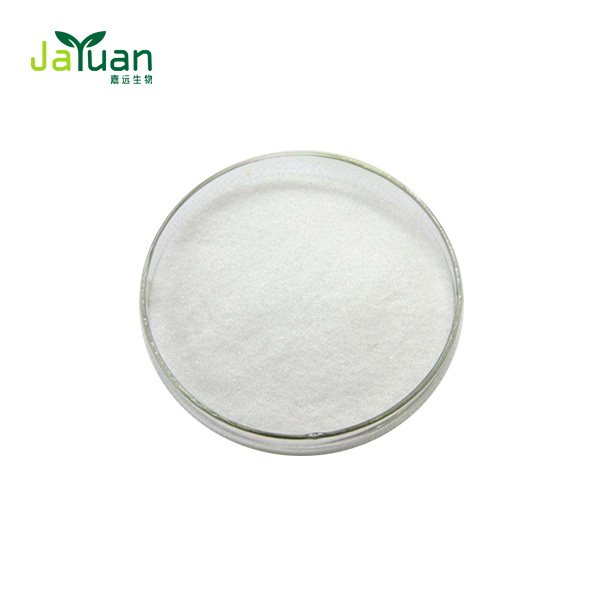

Pterostilbene Powder Supplement Guide for Beginners
Pterostilbene powder has become a standard nutraceutical ingredient after being a specialized research molecule for a long time, and for a good reason: being a dimethylated analog of resveratrol, it has much greater oral bioavailability and stability, the two traits formulators worry most about. For B2B customers – from supplement companies to pharma developers and cosmetic formulators – the practical issues are less about whether pterostilbene function, and more about how to get it to a consistent quality level, at a manageable price, from a supplier who can substantiate every claim. This manual will lead you through the science, the sourcing environment, and the assessment criteria that matter when specifying pterostilbene powder for commercial goods.

Product Name: Pterostilbene powder
Molecular formula: C₁₆H₁₆O₃
Molecular weight: 256.30 g/mol
CAS number: 537-42-8
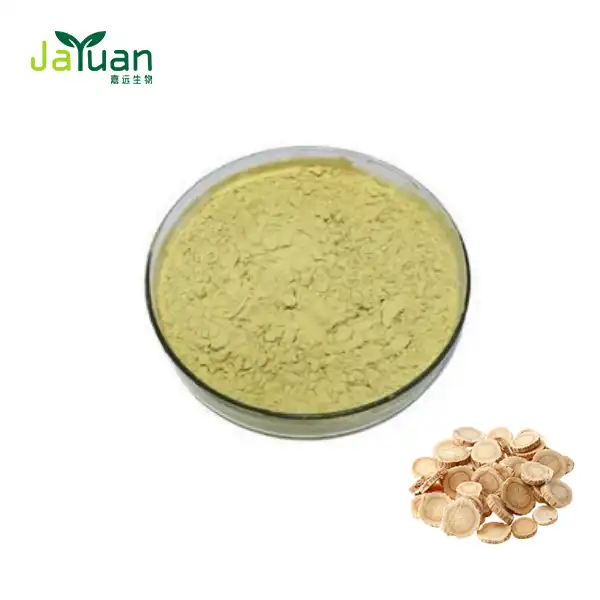
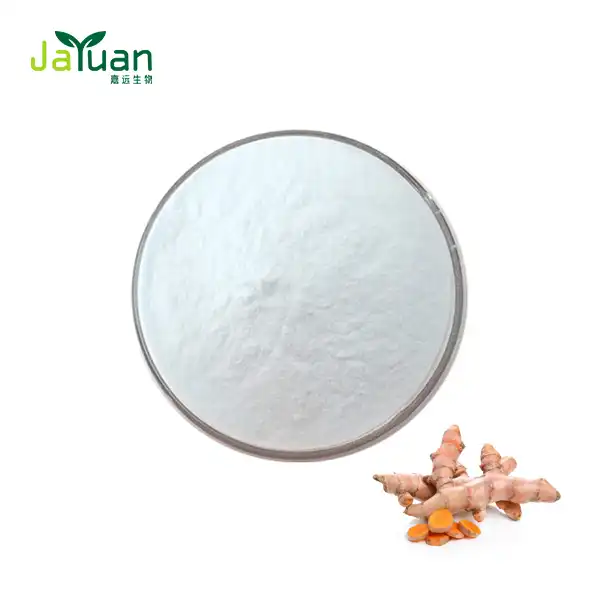
Appearance: White to light yellow powder
Purity: usually 98%~99%
Detection method: HPLC detection
Melting point: approximately 89~92 ° C
Water solubility: extremely slightly soluble (requires co solvents such as DMSO or ethanol)
Fat solubility: Easily soluble in organic solvents such as ethanol, DMSO, and propylene glycol
Photosensitivity: Sensitive to light, it is recommended to store in the dark (brown glass bottle or aluminum foil packaging)
Temperature: It is recommended to store at 2-8 ° C (long-term storage) or room temperature for short-term storage
Oxidation: needs to be sealed to avoid oxidation
MOQ: 500G-1KG
Inventory: in stock
Customized service: Support adjusting purity according to customer needs.
GMP standard production lines.
Payment: TT/DP/PAY PAL/VISA/DA/LC/MASTER CARD/ESCROW
Certificaions: FSSC2000/ISO2000/HALAL/KOSHER/HACCP
Delivery terms: FedEx, DHL, EMS, UPS, TNT, all kinds of the airline, international shipping companies.
Free sample is available.
We do not sell retail quantities to individuals.
Understanding Pterostilbene Powder: Nature, Benefits, and Usage
Pterostilbene (trans-3,5-dimethoxy-4'-hydroxystilbene) is a stilbenoid polyphenol structurally similar to resveratrol. The important difference is structural: pterostilbene has two methoxy groups, resveratrol has hydroxyls, and that little modification explains most of what matters to customers, such as absorption, stability, and dosage effectiveness. The substance is found naturally in blueberries, grapes, and the heartwood of Pterocarpus marsupium. Today, commercial quantities are obtained not from wild collection, but from controlled extraction and synthesis.
Chemical Properties and Bioavailability Advantages
The most prominent pharmacokinetic comparison found pterostilbene to have ~80% oral bioavailability vs ~20% for resveratrol; the methoxy substitutions reduce Phase II metabolism and permit more active molecule to enter circulation (Kapetanovic et al., 2011). The powder melts at 89-92 degrees C, tolerates normal processing and encapsulation temperatures and dissolves rapidly in ethanol and DMSO, so it is easy to work into capsules, tablets and topical bases. Note to Buyers: Headline bioavailability numbers are based on animal models. The direction of benefit is widely understood, but specific numbers for humans are currently being described.
Health Benefits and Mechanism of Action
Most of the reported action of pterostilbene may be attributed to three pathways: activation of SIRT1, regulation of NF-kB to temper inflammatory signaling, and agonist activity at PPARa, which is related to lipid metabolism and weight-management posture (McCormack & McFadden, 2013). Neuroprotective and antioxidant effects are also shown by cell and animal research (Rimando et al., 2002). Human clinical data are still relatively few compared to the pre-clinical basis, therefore marketers should maintain finished-product claims within the structure-function limitations allowed by their target markets. That discipline counts in retail, where both authorities and more savvy customers keep tabs.
Safety Profiles and Dosage Considerations
The human data provided are comforting but limited. In the clinical study used as reference dosages up to 250 mg a day were generally well tolerated, however, the highest dose group revealed alterations in lipid levels that are worth evaluating during formulation (Riche et al., 2013). Preclinical toxicology suggests a large margin at common supplement dosages (Ruiz et al., 2009). Pterostilbene has a longer plasma half-life of around 105 minutes in rat trials, which is about 7 times longer than the 14 minutes of resveratrol, therefore allowing adequate dosage flexibility (Kapetanovic et al., 2011). Most commercial products recommend 50-250 mg per day, and if you stick to that range, you’ll find it easy to pass safety evaluations and to make label claims.
Pterostilbene Powder vs. Other Antioxidants: Making an Informed Choice
Procurement teams frequently reduce the field to pterostilbene vs resveratrol, quercetin or curcumin. Each alternative has a distinct profile of pricing, stability, and evidence depth, and the optimal choice relies as much on raw performance data as on the placement of the final product.
Enhanced Stability and Absorption Profiles
Methylated polyphenols are not subject to the UV and heat degradation as hydroxylated polyphenols are, hence pterostilbene remains intact in delivery systems where resveratrol has difficulty, such as drinks, transparent capsules, and items with lengthy shelf cycles. Its lipophilicity allows passive diffusion across cell membranes, hence formulators do not need bioenhancers like piperine, which are commonly needed for curcumin and resveratrol formulations. This decreases the label and the price per effective dosage.
Synergistic Applications and Quality Control Parameters
Pterostilbene plays nicely with others, often being combined with quercetin in inflammatory formulae and with omega-3s in cardiovascular formulas, where the pairings act on complimentary pathways. On the supply side, synthetic manufacturing pathways provide over 99% purity with strict batch-to-batch consistency, whereas natural-extraction quality follows raw material harvest. There is no superior approach per se, the decision tends to be dictated by brand positioning – a natural claim against a purity promise – and budget.
Sourcing and Procuring Pterostilbene Powder for B2B Clients
When sourcing Pterostilbene powder globally for B2B, three things are most important: knowing the supply chain, validating regulatory compliance, and making sure the supplier’s quality system truly performs what its sales materials say it does. The purchasers who get the best long-term terms are the ones who audit before they bargain.
Certification Requirements and Quality Standards
GMP compliance is the entry ticket. Beyond that, ISO 13485 signals a mature quality management system, and organic certification matters where the brand story requires it. For controlled markets, practical norm is EP/USP pharmacopeia alignment. Modern manufacturing meets these needs: dynamic countercurrent extraction increases yield by 30-50% over traditional production and simulated moving bed chromatography maintains purity over 98% batch after batch, with cost and consistency predictable. Typical specification criteria are expected to be minimum 95% purity for cosmetic grades and minimum 99% for pharmaceutical grades. Moisture would be 0.5% or less and sealed nitrogen-flushed packaging would enable shelf life of more than three years. Each of these data is backed up by a well-run supplier with in-line near-infrared monitoring throughout production, as well as offline HPLC and GC-MS release testing, providing procurement teams with specific criteria for supplier assessment.
Pricing Dynamics and Bulk Purchasing Advantages
Pricing depends on three factors: purity grade, synthesis complexity and order volume. Facilities with 10 tons per year annual capacity prices 40-60% less than small workshop makers, since fixed expenses amortize over considerably bigger runs. Two other levers set the efficient manufacturers apart from the rest: co-extraction of flavonoids from the same raw material stream, and solvent recovery systems that recover at least 90% of ethanol and methanol for re-use. Vertical integration near to raw material supply, which in the case of Jiayuan Bio-Tech is the Qinling Mountains growing area, keeps input prices consistent when spot markets fluctuate, and that stability is precisely what long term B2B pricing arrangements are based on.
Supplier Assessment and Risk Management
Check manufacturing capabilities, batch consistency records, in-house testing capacity and regulatory documents before signing any supply deal. If a supplier claims proprietary purifying patents, ask for the paperwork. Verified IP is one of the clearest signs of a legitimate manufacturing enterprise, not a trading firm that is just reselling stuff. Geography has to be on the risk registry as well. Being close to the raw material areas decreases the supply chain, the number of handling stages and price volatility, which is significant when considering multi-year supply contracts.
How to Select the Right Pterostilbene Powder Supplement: A Buyer's Guide?
Unit price is the wrong starting point. The suppliers worth partnering with are the ones whose capabilities map onto your product roadmap, and the process below is how to find them.
Defining Procurement Goals and Application Requirements
The same chemical is pulled in various directions by different businesses. Pharmaceutical customers want 99% purity and full documentation and batch traceability. In cosmetic formulation, the focus is frequently on organic certification and gentle, low-temperature processes. For the food and beverage teams, taste neutrality and process consistency are most important. Volume flexibility matters at every stage: small-batch customization during R&D and market testing, then full-scale production once a product earns its place. A supplier who handles both ends saves you a requalification cycle later.
Core Evaluation Metrics and Quality Assessment
The headline measure is purity: HPLC testing verifies active concentration, identifies contaminants or degradation products. Residual solvent testing is the most commonly skipped phase by small purchasers, yet extraction normally leaves limitations for methanol (under 3000 ppm) and ethanol (under 5000 ppm) must be checked, not assumed. Packaging is just as important to quality as production. Moisture-barrier materials prevent humidity, light-resistant containers prevent photodegradation, and nitrogen-flushed packaging keeps the product fresh throughout storage and transportation. Get a certificate of analysis on a recent manufacturing batch and compare it to these criteria before asking for price.
Scale-Based Purchasing Strategies
Meaningful volume breaks usually start at 100 kg, minimum order sizes vary per provider. The economics of bulk buying only work when compared against carrying cost and shelf life; three years sealed is generous, but it is not endless. Demand forecasting closes the loop. Buying against forecasted sales rather than temptation from the spot market prevents stockouts on a successful product and capital caught up in a sluggish one.
Future Trends and Market Outlook of Pterostilbene Powder Supplements
Demand increase is being driven by two forces: a steady expansion of the research base and formulators’ increasing comfort with the ingredient as more completed goods reach the market. Buyers who know where both are headed may lock in supply arrangements ahead of the curve.
Emerging Research and Application Expansion
Research now is driving Pterostilbene powder into sports nutrition, healthy-aging and metabolic-support uses – sectors with big potential markets and high consumer pull. On the distribution side, nanoparticles forms, sustained release methods and combination formulations constitute the active research frontiers, each promising greater absorption or clearer distinction on the shelf. If you are looking at spec sheets now, it’s also good to look at the technological roadmap of suppliers investing in these technologies now, since they are the ones that will be able to support the future generation of products.
Strategic Procurement Insights and Partnership Development
“The value-adds of collaborative product development, regulatory support and shared market intelligence are things that spot trading cannot replicate, making long-term supplier relationships pay off beyond price.” “With changing market conditions, flexible supply contracts and reactive production capacity can be the difference between seizing an opportunity and watching it go by. Increasingly, that reality benefits suppliers with a demonstrated capacity to provide and sound finances, the two simplest things to check and toughest to deceive.
Conclusion
Pterostilbene powder provides B2B customers the unusual combination of an ingredient with really distinct science (higher bioavailability and stability than resveratrol) and a supplier market mature enough to sustain large volume. Fundamentals still drive the buying decision: confirmed purity, documented manufacture, and a supplier designed for a long-term partnership, not a one-time deal. If you get those three correct, the ingredient performs the rest.
FAQ
1. Is pterostilbene powder safe for long-term use in supplement formulations?
Available clinical data show pterostilbene powder is generally well tolerated at doses up to 250 mg per day over 6-12 month study periods, with no major adverse effects reported in healthy populations (Riche et al., 2013). One trial noted lipid-level changes at the highest dose, so conservative formulation within the 50-250 mg per day band is the prudent course. Its high bioavailability also means effective doses run lower than equivalent resveratrol formulations, which widens the safety margin further.
2. What makes pterostilbene absorption superior to other antioxidants?
The two methoxy groups make pterostilbene more lipophilic than resveratrol, allowing it to cross cell membranes by passive diffusion rather than relying on active transport. The result is roughly 80% oral bioavailability versus about 20% for resveratrol, and a plasma half-life of about 105 minutes versus 14 minutes, all from the same published preclinical work (Kapetanovic et al., 2011). For formulators, that translates to lower effective doses and more predictable results in finished products.
3. Which certifications should B2B buyers prioritize when sourcing pterostilbene powder?
Start with GMP compliance for manufacturing quality, then ISO 13485 for quality management maturity. Organic certification matters for natural positioning where relevant. Beyond certificates, require EP/USP pharmacopoeia conformity, a full certificate of analysis for each batch, and third-party purity verification. Together, these are what clear regulatory review across global markets.
Partner with Jiayuan Bio-Tech for Premium Pterostilbene Powder Solutions
If you are evaluating Pterostilbene powder suppliers, Jiayuan Bio-Tech offers the combination this guide has described: GMP-certified production, advanced extraction and purification technology, and a two-tier quality control system covering everything from raw material intake to final release testing. We supply pharmaceutical, nutraceutical, and cosmetic grades at competitive bulk pricing, with flexible order quantities from R&D samples to full production runs. Request a certificate of analysis, a sample for your formulation work, or a bulk quotation; our technical team responds quickly and ships globally. Reach us at sales@jayuanbio.com or sales1@jayuanbio.com to discuss specifications, pricing, and partnership terms for your next product.
References
1. Riche, D.M., McEwen, C.L., Riche, K.D., Sherman, J.J., Wofford, M.R., Deschamp, D., & Scheffler, M. (2013). Analysis of safety from a human clinical trial with pterostilbene. Journal of Toxicology, 2013, 463595.
2. Kapetanovic, I.M., Muzzio, M., Huang, Z., Thompson, T.N., & McCormick, D.L. (2011). Pharmacokinetics, oral bioavailability, and metabolic profile of resveratrol and its dimethylether analog, pterostilbene, in rats. Cancer Chemotherapy and Pharmacology, 68(3), 593-601.
3. Rimando, A.M., Cuendet, M., Desmarchelier, C., Mehta, R.G., Pezzuto, J.M., & Duke, S.O. (2002). Cancer chemopreventive and antioxidant activities of pterostilbene, a naturally occurring analogue of resveratrol. Journal of Agricultural and Food Chemistry, 50(12), 3453-3457.
4. McCormack, D., & McFadden, D. (2013). A review of pterostilbene antioxidant activity and disease modification. Oxidative Medicine and Cellular Longevity, 2013, 575482.
5. Ruiz, M.J., Fernández, M., Picó, Y., Mañes, J., Asensi, M., Carda, C., & Asensio, G. (2009). Dietary administration of high doses of pterostilbene and quercetin to mice is not toxic. Journal of Agricultural and Food Chemistry, 57(8), 3180-3186.
6. Pan, M.H., Chiou, Y.S., Chen, W.J., Wang, J.M., Badmaev, V., & Ho, C.T. (2009). Pterostilbene and 3'-hydroxypterostilbene inhibit melanogenesis via PI3K/Akt pathway in zebrafish and B16 melanoma cells. Journal of Agricultural and Food Chemistry, 57(20), 9455-9464.