
Middle-aged people who can't sleep see it as a lifesaver
Everyone in the United States in their middle years wakes up tossing and turning at 3 AM every night. Melatonin is a natural chemical that helps a lot of people fall asleep when nothing else does. This hormone pill comes from natural sources and targets the changes in hormones that make middle-aged people have trouble sleeping. It is a scientifically proven way to get a good night's sleep. Melatonin powder has gained popularity as an ingredient in dietary supplements among pharmaceutical companies, nutraceutical suppliers, and food makers looking for natural ways to help this group of people with their particular sleep problems.
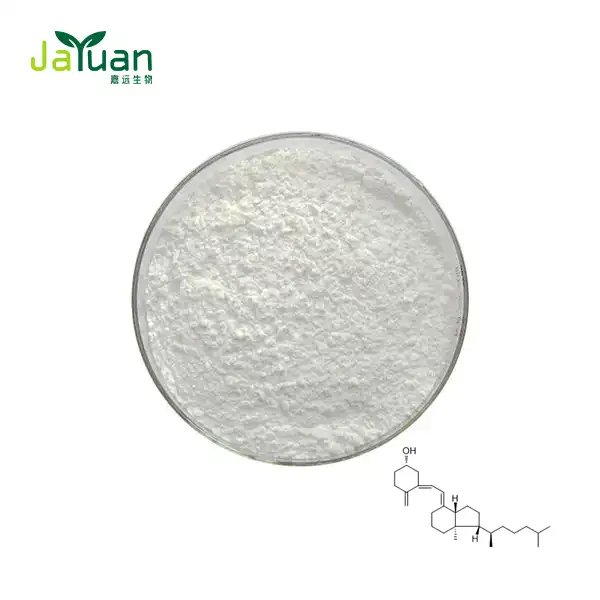
CAS No.: 73-31-4
Appearance: White to off-white powder
Ref standard: USP43
Assay: 99.7%(HPLC)
Molecular formula: C13H16N2O2
Molecular weight: 232.28
MOQ: 1KG
Stock:in stock
Our Advantages: Scalable production capacity, strict quality control, cost efficiency from integrated factories, over 20 years of experience, advanced technology, and 24/7 after-sales support.
Certificaions: FSSC2000/ISO2000/HALAL/KOSHER/HACCP
Delivery terms: FedEx, DHL, EMS, UPS, TNT, all kinds of the airline, international shipping companies.
Payment: TT/DP/PAY PAL/VISA/DA/LC/MASTER CARD/ESCROW
Grade: Pharmaceutical Grade
Customized Service: Supports ODM/OEM
Free sample is available.
We do not sell retail quantities to individuals.
Understanding Sleep Problems in Middle-Aged Adults
In their 30s and 40s, professionals have a lot going on that keeps them from sleeping. Between the ages of 40 and 60, our bodies go through big chemical changes that affect how we sleep.
Hormonal Shifts Driving Sleep Disruption
Melatonin production slowly drops after age 40, which makes it harder for the body to know when it's time to sleep. People get older, and their pineal gland, which makes this important sleep hormone, doesn't work as well. Some women have more issues during perimenopause and menopause because of changes in estrogen and progesterone. These changes make it hard for them to sleep because they worry and sweat at night. That's also true for men. Their testosterone levels drop, which is linked to worse sleep and waking up more often at night.
Lifestyle and Health Factors Compounding the Problem
It's harder to get enough good sleep these days because of how much work there is. Long-term worry, unreliable work hours, and spending more time in front of screens that give off blue light that can wake you up all raise cortisol levels, which fight the body's natural sleep signals. More people have long-term health problems like arthritis, diabetes, and high blood pressure around middle age. These all make it hard to sleep. Sleep problems are often listed as a side effect of medicines used to treat these illnesses. This can be annoying when the medicines used to treat one health issue make another one worse.
n some ways, it can be hard to take regular medication and sleep aids. Many middle-aged people don't want to take prescription sleep aids for a long time because they can become dependent on them, which can make them sleepy in the morning and maybe even hurt the way their brain works. Pharmaceutical and nutraceutical B2B buying teams are looking for natural choices like melatonin that work without any bad side effects because of the gap between what is needed and what is accepted.
How Melatonin Works and Its Benefits for Middle-Aged Adults
Knowing what melatonin does in the body helps people who work in buying understand why this drug has become so important in sleep aids.
The Science Behind Sleep Regulation
The body's circadian rhythms tell you when to sleep and wake up. Melatonin controls these rhythms. When it gets dark, the suprachiasmatic nucleus in the brain tells the pineal gland to make more melatonin. Increasing melatonin levels lowers your core body temperature and makes you sleepy. These are two important changes in your body that you need to fall asleep. Melatonin helps the body move between stages of sleep at night. It supports the deep REM sleep that is needed to remember things and heal the brain.
Supplements with melatonin powder help people in their 40s and 50s make up for the fact that their bodies aren't making enough of it on their own. Sitting down with this vitamin won't put you to sleep as drugs do; instead, it makes your body's natural sleep processes work better.
Clinical Evidence Supporting Efficacy
Melatonin helps middle-aged people, according to many studies. Tests on people have shown that supplements can help people fall asleep faster by seven to twelve minutes on average. This might not seem like a big deal, but for people who have terrible sleeplessness, this is a huge improvement. It also gets better in terms of sleep quality, with users reporting fewer awakenings at night and better, more restful sleep in general.
This drug works best for people who work shifts or move around a lot. Some people get jet lag when their circadian cycle changes. To fix this, they can take melatonin pills, which help their bodies adjust to the new time zones. In the same way, people who work changing shifts can get used to their new schedules faster if they take melatonin at the right time.
Comparing Melatonin to Other Sleep Aids: Making an Informed Choice
You should find out how melatonin stacks up against other sleep aids on the market before you buy it.
Melatonin Versus Prescription Sleep Medications
Z-drugs and benzodiazepines, which are used to help people sleep, work by increasing the activity of GABA neurotransmitters, which slow down brain activity. There are a lot of problems with these drugs, even though they do help you fall asleep right away. For example, you could become hooked on them, get insomnia again after stopping them, and have effects on your brain that are very worrying. People over 65 should be extra careful with these drugs, says the American Geriatrics Society, because they can make them lose their balance and fall more often.
Because it functions in a different way, Melatonin helps regular sleep processes along rather than stopping them. For long-term solutions made for middle-aged people who need regular sleep support instead of just occasional help, this simple difference means better long-term performance.
Comparing Natural Sleep Aid Ingredients
There are a few well-known ingredients in plant and mineral sleep aids that B2B clients often look at:
Valerian root extract can help calm you down a little, but you have to keep using it for a few weeks before you feel better. It tastes and smells strong, so it's hard to use in drinks or other recipes. Magnesium helps people sleep by lowering GABA levels and relaxing muscles. However, it only helps people who are known to be low on magnesium. CBD is getting more popular, but not much is known about the best amount to take or how it will change the way you sleep over time.
The direct effect of melatonin on circadian rhythm control makes it a better choice for supporting the sleep-wake cycle than these other options. But goods that combine melatonin with chemicals that work well with each other usually do a better job. A lot of well-known food products have low amounts of melatonin mixed with L-theanine, magnesium, or plants to help with more than one way that sleep problems show up at the same time.
Procurement Guide: Selecting and Sourcing High-Quality Melatonin for B2B Applications
People all over the world need sleep aids more and more, which is good for companies that make well-formulated melatonin-based products. You need to plan ahead to find high-quality goods in this market if you want to make money.
Essential Quality Indicators and Certifications
People who are in charge of buying things should give sellers with strong quality control systems more attention. Good Manufacturing Practices (GMPs) are used to make sure that the quality of the goods is always the same during the manufacturing process. It shows that you care about quality control methods if you get an ISO license. Companies that make goods that meet the standards set by the USP (United States Pharmacopeia) or EP (European Pharmacopoeia) claim that the ingredients are clean, strong, and of high quality.
Any tests done by a third party give proof that these claims are true. Certificates of Analysis should show that the product is pure, that heavy metals are not present, that the amount of melatonin is right, and that the product is safe for microbes. Test information that is unique to your batch will be happily given to you by suppliers you can trust.
Evaluating Supplier Capabilities and Reliability
There are a few other things that set quality melatonin sellers apart from cheap ingredient providers besides having the right licenses. For example, Xi'an Jiayuan Bio-Tech is a great company with advanced skills that people who work in buying should look for.
The technology used in production has a big impact on the end product's quality and how much it costs. New ways of cleaning and extracting are better than old ways of doing those things. For high-efficiency extraction, dynamic countercurrent or ultrasonic-assisted methods work 30–50% better than normal absorption methods while using 30% to 50% less liquid. Because simulated moving bed chromatography cleans all the time, the purity stays above 98%, which is much higher than the industry norm.
It is very important to make sure that there aren't big differences between batches when making things that need to be dosed exactly. While the product is being made, pH, temperature, and solvent amounts are precisely controlled by distributed control systems. Forget about mistakes made by people, which cause chaos.
Safe Usage Guidelines and Potential Side Effects
When B2B clients make consumer goods, they need to know how to use them correctly and what side effects could happen, so they can give end users good tips.
Recommended Dosing Parameters
For middle-aged people, taking between 0.5 mg and 5 mg of melatonin 30 to 60 minutes before bedtime seems to be the best amount. Since everyone responds differently, it's best to begin with lower amounts and gradually increase them if needed. Different people need different amounts to feel the same benefits. Some can handle 1 to 3 mg without any problems.
When it's taken, Melatonin is just as important as the amount. If you take melatonin too early, it could make you sleepy. If you take it too late, it won't work as well. Shift workers shouldn't take supplements at night. Instead, they should time their vitamins to fit how they plan to sleep now
Managing Potential Side Effects
Most people are fine with taking melatonin pills, but some people may have mild side effects. Most people complain that they feel sleepy during the day, especially when they take higher amounts or types that release slowly over time. Headaches, feeling dizzy, and small periods of sadness happen less often. Most of the time, these effects go away when the drug is stopped or the amount is changed.
People who take medicines for diabetes, high blood pressure, blood thinners, or immune suppressants need to be extra careful about drug combinations. Talking to a doctor or nurse before starting a new vitamin can help find problems.
Special Population Considerations
Some groups need more help than others. There isn't enough research on the safety of melatonin pills in pregnant or nursing women, so they shouldn't be taken by them. This substance is important for growth, but not enough studies have been done on how supplementing affects the health and growth of a fetus.
Safety for long-term use is still being looked into. A study that covers a few years doesn't find any major issues, but there is still not enough information on supplements that covers decades. If someone wants to use it for a long time, they might want to take breaks or learn how to cycle.
Conclusion
A lot of middle-aged people have trouble sleeping because their hormones are changing, and life is stressful these days. Melatonin supplements are a safe and scientifically-backed alternative to sleeping pills that can help with age-related sleeplessness by fixing the problem with the body's circadian schedule that makes it hard to sleep. To meet the rising need for high-quality melatonin powder on the market, people working in the pharmaceutical, nutraceutical, and functional food businesses can buy it from sellers who can make it in a way that follows all rules and regulations. Companies can make products that really help people sleep better by being very careful about which ingredients they use.
FAQ
1. Can melatonin be safely combined with other sleep-supporting ingredients?
Most of the time, combination formulas work better because they target more than one thing that keeps you awake at night. Together with melatonin, magnesium, L-theanine, chamomile, and passionflower are very helpful. But be careful not to get too sleepy if you mix it with other drugs that make you sleepy. B2B clients should test their goods for fit and think about how the ingredients might affect each other pharmacologically when they use more than one.
2. What is the difference between synthetic and natural melatonin sources?
Chemistry can be used in a lab to make synthetic melatonin that is more than 99% pure and doesn't pose any risks of contamination. Melatonin from animal pineal cells is not usually used in business because it is thought to be contaminated with viruses or germs. Instead, synthetic sources are used instead. Both types are made in the same way and have similar chemical structures. The quality and safety are always the same, though, because they are made in a factory.
3. How can procurement teams verify melatonin quality and purity?
The melatonin content should be within ±5% of what is written on the label. You should also get Certificates of Analysis from third-party labs that say the heavy metal levels are within USP standards, the microbiological levels are negative for pathogens, and the solvent levels are also negative. It's easy to get information that is unique to each batch when you work with a reliable service. There are checks done on companies to make sure they follow GMP rules and use quality control methods.
Partner with Jiayuan Bio-Tech as Your Trusted Melatonin Supplier
Pharmaceutical-grade melatonin powder that is more than 95% pure and made using cutting-edge technologies for extraction and processing is available from Xi'an Jiayuan Bio-Tech. This powder can help you make your product. You can be sure of getting the best results with our simulated moving bed chromatography and distributed control systems. Making sure you follow EP and USP rules is what full quality testing does. Companies can sell their goods in many countries if they have certifications like GMP and ISO.
Because our fully integrated supply chain for melatonin is close to the raw material area in the Qinling Mountains, we can get the things we need at prices that are competitive. Our yearly production capacity lets us meet the needs of a wide range of clients, from well-known drug companies to new food brands. This is because we can handle both large-scale sales and special orders for small groups. When we do things for the climate like zero-discharge and solvent recycling, it shows that we care.
We can make what you need, whether it's pharmaceutical-grade ingredients for medical uses or cosmetic-grade materials for recipes that go on the skin. Assuring smooth delivery straight to your building is our job. We handle all the tricky international operations, like passing customs for the US and EU markets.
Send an email to sales@jayuanbio.com or sales1@jayuanbio.com right away to talk about your melatonin powder needs. We give you affordable prices, technical specs, and a lot of paperwork to support your applications to the government.
References
1. Brzezinski A, Vangel MG, Wurtman RJ, et al. "Effects of Exogenous Melatonin on Sleep: A Meta-Analysis." Sleep Medicine Reviews, 2005.
2. Ferracioli-Oda E, Qawasmi A, Bloch MH. "Meta-Analysis: Melatonin for the Treatment of Primary Sleep Disorders." PLoS ONE, 2013.
3. Hardeland R. "Aging, Melatonin, and the Pro- and Anti-Inflammatory Networks." International Journal of Molecular Sciences, 2019.
4. Herxheimer A, Petrie KJ. "Melatonin for the Prevention and Treatment of Jet Lag." Cochrane Database of Systematic Reviews, 2002.
5. Pandi-Perumal SR, Srinivasan V, Maestroni GJ, et al. "Melatonin: Nature's Most Versatile Biological Signal?" FEBS Journal, 2006.
6. Zhdanova IV, Wurtman RJ, Regan MM, et al. "Melatonin Treatment for Age-Related Insomnia." Journal of Clinical Endocrinology & Metabolism, 2001.