Melatonin Powder OEM Guide: From Sourcing to Private Label
Navigating the melatonin powder OEM landscape requires precision, regulatory awareness, and reliable partnerships. This comprehensive guide addresses the critical considerations for pharmaceutical companies, nutraceutical suppliers, and cosmetic brands seeking to develop private label sleep support products. From evaluating supplier credentials to understanding manufacturing workflows and compliance requirements, we provide actionable insights to help procurement managers and product developers source high-purity ingredients that meet global standards while optimizing cost structures and supply chain efficiency.
Understanding Melatonin Powder for OEM Applications
What Makes This Sleep Ingredient Ideal for Manufacturing
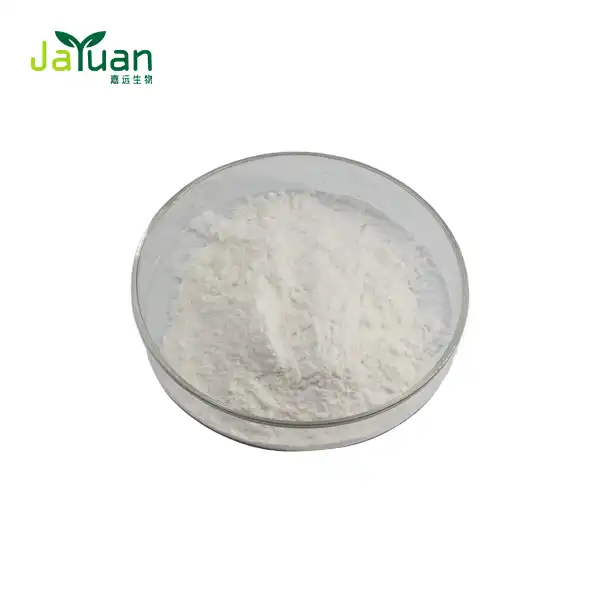
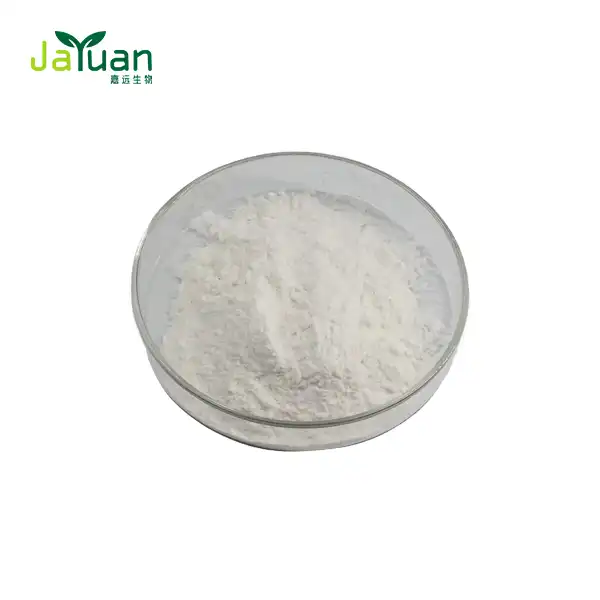
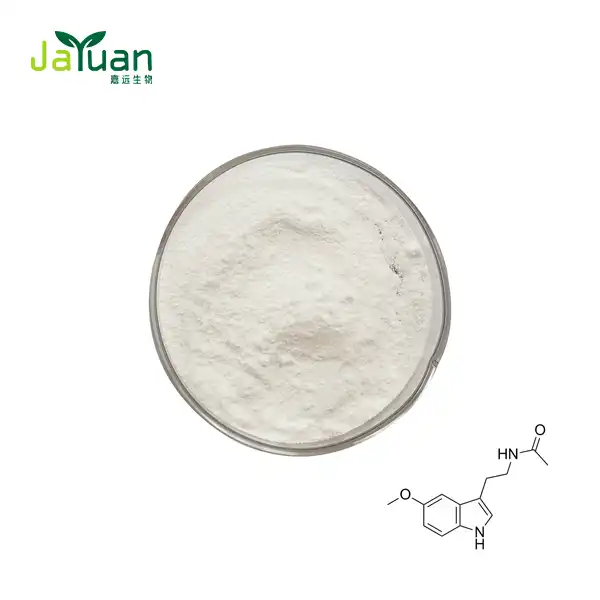
A lot of different businesses use melatonin powder as the main ingredient in products that help people sleep. Circadian rhythms are naturally controlled by this neurohormone, which is a crystalline form of N-acetyl-5-methoxytryptamine. The bulk powder format is much more flexible than liquid extracts or finished pills when it comes to changing dosages and mixing formulations. Pharmaceutical-grade versions are more than 99% pure, and cosmetic-grade versions stay stable at above 95%, so they can be used in a wide range of situations.
The biological benefit is that it can tell when you're ready to sleep without making you dependent on it, which addresses worries that people have about traditional sedative ingredients. Research shows that it works not only to help with insomnia but also to manage the signs of jet lag and help shift workers keep good sleep habits. Manufacturers like that the ingredient works with a range of delivery systems, from sublingual tablets to powdered drink mixes. This helps them set their products apart in the wellness market, which is already very competitive.
Synthetic Versus Natural: Choosing Your Source Material
When choosing melatonin powder for private label development, B2B buyers have two main options for where to get it. Chemical synthesis from 5-methoxy-3-indoleacetonitrile is used for synthetic production. This method gives molecules a uniform structure and gets rid of organic contaminants. This method is mostly used in pharmaceuticals where strict EP/USP monograph requirements call for batch-to-batch uniformity. On the other hand, phytomelatonin that comes from plants is more in line with clean-label trends, though it requires advanced chromatographic techniques to get to the same level of purity.
Figuring out these differences affects both recipe strategy and marketing messaging. Synthetic versions usually have lower costs when used in large amounts, while plant-based versions charge more in the healthy supplement market. Buying choices should be based on what the target market wants, the rules that apply, and how the finished product fits in with other products in the same category.
Sourcing Quality Melatonin Powder for OEM Manufacturing
Evaluating Supplier Credentials and Certifications
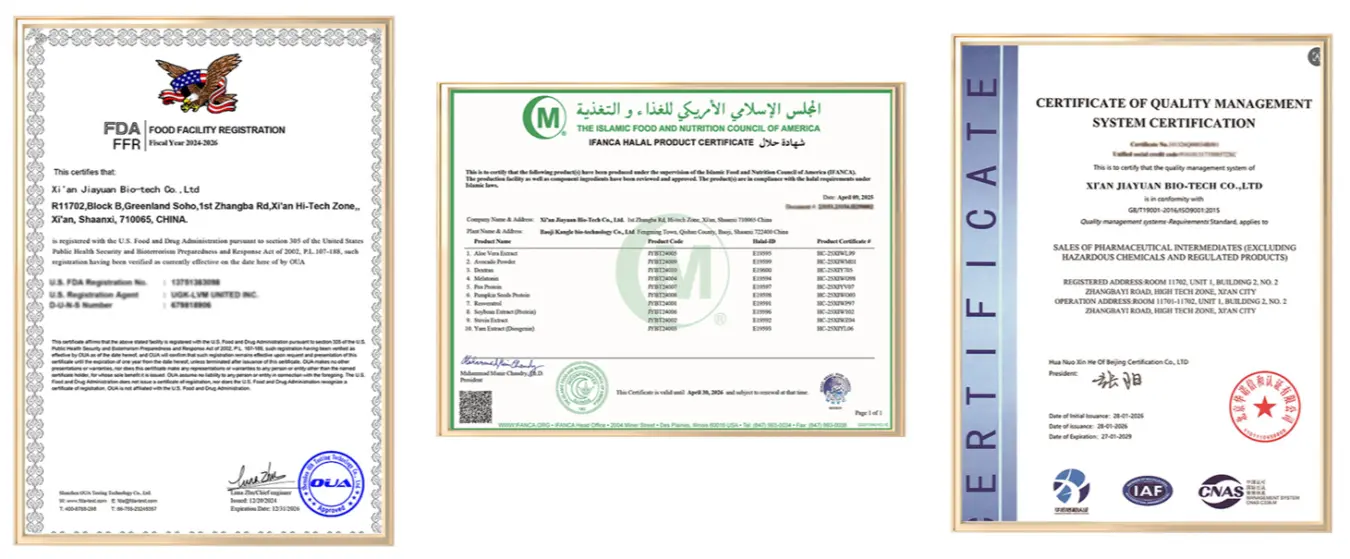
Before choosing a melatonin powder provider, you should check to see if they have any international quality certifications. GMP-compliant facilities make sure that the manufacturing environment is controlled so that cross-contamination doesn't happen and the integrity of the ingredients is kept. Getting ISO 13485 approval shows that you are dedicated to medical device quality control systems, which is especially important for pharmaceutical uses. We follow both standards, and our quality control methods include both real-time near-infrared spectroscopy tracking and offline HPLC testing to make sure we meet global pharmacopoeia standards.
Teams in charge of buying things should ask for Certificates of Analysis (CoA) that show heavy metal screening using ICP-MS, microbiological limit testing for pathogens like E.coli and Salmonella, and residual solvent analysis that shows the product follows ICH guidelines. Our factories keep the wetness level of our products below 0.5%, which means that when they are kept under nitrogen-sealed conditions, they can last longer than three years. This guarantee of stability cuts down on waste and helps OEM partners plan their long-term inventory needs.
Comparing Production Technologies and Cost Efficiency
Modern methods of extraction have a big effect on both the level of purity and the prices. Our high-efficiency extraction method uses ultrasonic-assisted techniques to get 30% to 50% higher yields than traditional immersion methods while using 30% to 50% less solvent. The simulated moving bed chromatography method allows for continual purification, and the purity stays above 98% during production runs. Because of this technological advantage, unit costs are 40% to 60% lower than in small businesses. This gives buying managers reasonable prices without sacrificing quality.
Supply chain transparency sets trusted providers apart even more. Our vertically integrated approach includes growing controlled raw materials near the Qinling Mountains. This keeps prices from changing too much on the spot market. The solvent recovery system can collect more than 90% of ethanol and methanol, which shows that it is environmentally friendly and keeps costs down, which is something that is becoming more and more important in business sustainability reports.
OEM Manufacturing Process and Private Labeling Essentials
Customization Capabilities for Differentiated Products
Flexible production infrastructure is needed to turn bulk melatonin powder into pills that are ready for sale. We can make a lot of different formulations, such as organic blends, dose changes from 1 mg to 10 mg per serve, and hybrid combos with plants that work well together, like valerian root or L-theanine. Precision dosing systems are used in the blending process to make sure that the product is distributed evenly, which is important for low-dose applications. Encapsulation lines can handle both gelatin and vegetarian capsule requirements.
The success of a private label depends on how well the product style fits with what customers want. Sublingual pills are good for travel supplements because they dissolve quickly, and powdered sachets are good for functional food industries because they can be mixed with drinks. Our formulation team works with clients to find the best particle size distribution (usually 80–100 mesh), which makes sure that the product dissolves smoothly and has a pleasant feel that makes people want to buy it again.
Regulatory Compliance Across Global Markets
Labeling rules are very different from one country to the next, which makes it hard to make sure that products sold internationally are compliant. The FDA has rules about how the Supplement Facts panel should be formatted and how many health claims can be made. The EFSA has rules about therapeutic words that are even tighter. We offer complete paperwork kits that include lists of ingredients, allergens, and suggested uses that are tailored to each region's needs. This makes the process of entering new markets easier.
Through accelerated stability testing protocols, quality assurance goes beyond the initial production. Our lab does stress tests and photostability tests under high temperature and humidity conditions to predict how well a product will last on the shelf and find the best packing materials. This proactive method keeps the brand's image high across all lines of sales and avoids costly product returns.
Strategic Decision-Making for B2B Procurement Managers
Balancing Quality, Cost, and Supply Security
When choosing melatonin powder suppliers, procurement professionals have to deal with complicated decision trees. The price per kilogram is only one factor that goes into figuring out the total cost of ownership. Working capital needs and inventory turnover rates are affected by lead time dependability, minimum order quantities, and payment terms in a big way. Our factory-direct supply model gets rid of markups for middlemen, and our warehouse stocking services let you place smaller orders, which lowers the cost of storage and the risk of new brands going out of style.
Technical help services are very useful for more than just making transactions possible. Formulation experts can help you figure out how to fix problems with dissolving or stability while a product is being developed. We test samples before making bulk promises, which lets you check the quality against internal standards before making cash commitments. This way of lowering risk is especially helpful when introducing new delivery forms or going into market groups that you don't know much about.
Aligning With Market Trends and Consumer Demands
Transparency and sustainable sourcing are becoming more and more important in the wellness supplement market. Organic certification comes with extra costs of 15% to 25%, but it attracts people who care about their health and are willing to pay more at the store. Multiple market research studies have shown that consumers want clean label products that don't contain any manufactured ingredients. Our production capacity is flexible enough to meet these unique needs, helping clients with both pharmaceutical-grade high-purity uses and cosmetic-grade formulations that use plant extracts that work well together.
Geography also plays a role in choosing a supplier. Our location close to major production regions for raw materials cuts down on transportation costs and gives us priority access when supplies are low. Regional biopharmaceutical industry incentives help the center spend in process changes and analytical equipment updates that keep it at the cutting edge of technology. When looking at long-term relationships, procurement managers should look at both how innovative a seller can be and how their current prices work.
Case Studies and Best Practices in Melatonin Powder OEM
Overcoming Supply Chain Disruptions
During peak season, supplies for a North American nutraceutical brand were late, which put the products' distribution on store shelves at risk. The company made sure it had a steady supply of goods through FedEx and DHL alternatives when ocean freight was slow by working with suppliers who kept buffer stocks and varied their transportation networks. This case shows how important it is to check a supplier's backup plans and ability to ship via multiple modes during the qualification process.
Formulation complexity is another problem that many people face. A European cosmetics company needed melatonin powder to be mixed into cream bases so that the powder wouldn't settle or change color. By working together to reformulate the mixture using micronized particles and the right solubilizers, stable suspensions were made that passed rapid age tests. This kind of technical problem-solving sets makers who offer real partnership support apart from providers of goods that are bought and sold.
Best Practices for Successful OEM Collaboration
Setting clear communication rules at the start of a project keeps everyone from getting confused during production. Objective quality standards are made up of detailed specification sheets that list acceptable ranges for purity, particle size, and moisture content. Regular updates on production and sharing of batch records create openness that builds trust during campaigns that last more than one month. We set up distributed control systems that give clients access to real-time production data. This lets them check on progress from afar and make changes to schedules before they happen.
Protecting intellectual property is another important thing to think about when sharing secret formulas. Non-disclosure agreements and facility audits make sure that the right steps are being taken to protect information. Our collection of patents in cleaning methods shows that we can do research and development (R&D) and reassures clients that we have the right technical knowledge. These safety steps make it easier for people to work together on new product ideas without worrying about exposing themselves to competition.
Conclusion
For private label sleep supplements to be successful, they need to be backed by smart agreements with suppliers that offer quality control, legal knowledge, and production flexibility. The melatonin powder OEM market rewards purchasing managers who look at providers as a whole, taking into account pricing metrics along with technological skills, compliance infrastructure, and the ability to work together to solve problems. As the need for natural sleep aids grows across pharmaceutical, nutraceutical, and cosmetic categories, brands can position themselves for long-term growth in wellness markets that are already very competitive by finding reliable ingredient sources.
Frequently Asked Questions
1. What Purity Levels Should I Specify for Different Applications?
For pharmaceutical uses, melatonin powder usually needs to be at least 99% pure, which can be confirmed by an HPLC assay along with full impurity profiling to find synthesis by-products. Nutraceutical products work well with pure grades of 98 to 99%, which strikes a good balance between cost-effectiveness and usefulness. When mixed with complementary actives, 95–98% purity versions can be used in cosmetics, as long as stability testing shows that the ingredients will still work together during the shelf life.
2. How Does Powder Form Compare to Other Supplement Formats in OEM?
When it comes to formulation flexibility, bulk powder is better than pre-encapsulated or tablet forms. Manufacturers can precisely control dosage increases, mix ingredients that work well together, and adapt to new trends in delivery systems like stick packs or tablets that fizz. The style also lets you save money by buying ingredients directly instead of paying more for finished intermediate goods.
3. Which Certifications Are Essential for International Distribution?
GMP approval is still necessary for many pharmaceutical and nutritional uses around the world. ISO certifications show that a quality management system is mature, and organic certifications (USDA and EU Organic) let you reach high-end customers. Certifications like Halal and Kosher make it easier to reach new customers in certain areas. When looking at new partnerships, make sure that the paperwork from suppliers is real by having independent audits done.
Partner With a Trusted Melatonin Powder Supplier
With GMP and ISO approvals, Jiayuan Bio-Tech sells pharmaceutical-grade and cosmetic-grade melatonin powder to companies in the nutritional, pharmaceutical, and cosmetic industries. Our advanced chromatographic purification keeps the purity above 98%, and our thorough testing protocols make sure that the product is safe for microbiological safety and heavy metal compliance, as required by EP/USP standards. We make it easier for growing brands to buy things from other countries by offering flexible minimum order amounts, factory-direct prices, and full customs clearance support for both European and North American markets.
Get in touch with our technical team at sales@jayuanbio.com or sales1@jayuanbio.com to talk about your formulation needs and ask for CoA paperwork. As a melatonin powder maker with a lot of experience, we can test samples, help you with formulation, and make sure that the specs you need support your private label vision. Find out how our green production methods and vertically integrated supply chain save you money and earn the respect of today's environmentally conscious customers.
References
1. Hardeland, R., Pandi-Perumal, S. R., & Cardinali, D. P. (2006). Melatonin: Biological Basis of Its Function in Health and Disease. Landes Bioscience.
2. Zhao, D., Yu, Y., & Shen, Y. (2019). Melatonin Synthesis and Function: Evolutionary History in Animals and Plants. Frontiers in Endocrinology, 10, 249.
3. Reiter, R. J., Tan, D. X., & Galano, A. (2014). Melatonin: Exceeding Expectations. Physiology, 29(5), 325-333.
4. Buscemi, N., Vandermeer, B., & Hooton, N. (2005). The Efficacy and Safety of Exogenous Melatonin for Primary Sleep Disorders: A Meta-Analysis. Journal of General Internal Medicine, 20(12), 1151-1158.
5. Ferracioli-Oda, E., Qawasmi, A., & Bloch, M. H. (2013). Meta-Analysis: Melatonin for the Treatment of Primary Sleep Disorders. PLOS ONE, 8(5), e63773.
6. European Food Safety Authority. (2010). Scientific Opinion on the Substantiation of Health Claims Related to Melatonin. EFSA Journal, 8(2), 1467.