Where to Buy Pure Melatonin: A Quality Sourcing Guide
High-quality raw materials are make or break for your product line. Finding a reliable provider of pure melatonin that ensures constant purity, regulatory compliance, and low price is vital. Whether you are manufacturing dietary supplements, investigating sleep treatments or innovating in cosmetics, this guide will show you where to get pure melatonin and how to select providers for success in long-term cooperation. We’ll discuss important quality criteria, sourcing channels and practical procurement techniques to help your organization expand and provide you operating confidence.
Understanding Pure Melatonin and Its Market Value
What Makes Pure Melatonin Different?
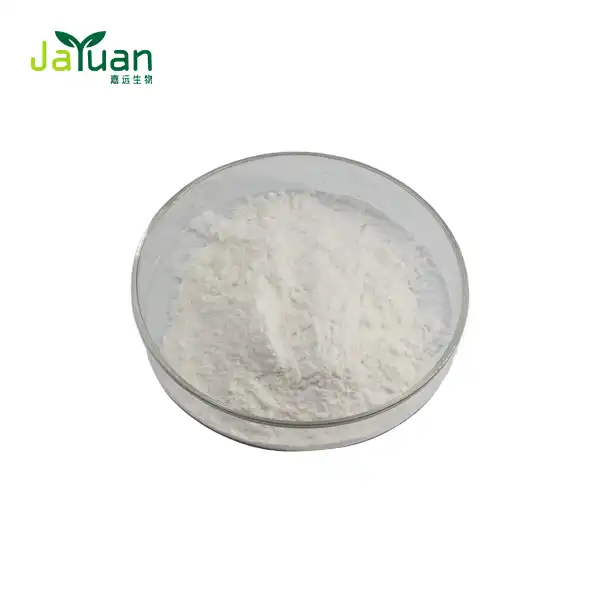
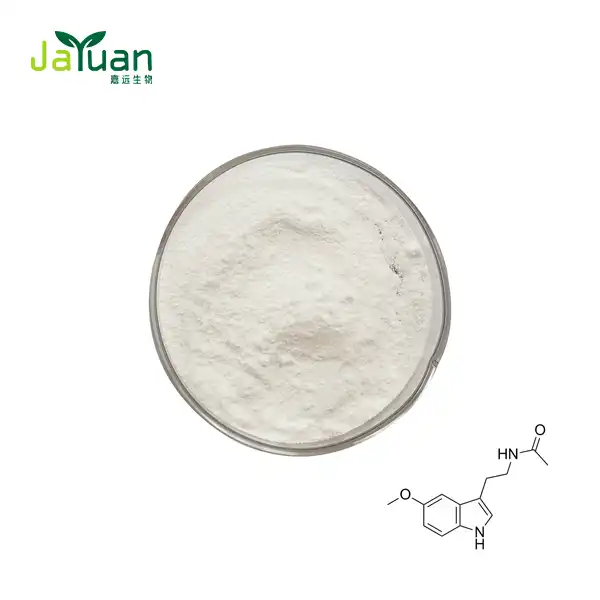
Pure melatonin is a crystalline powder with tested quantities of melatonin often 99% or above. It is produced by a chemical method, ensuring consistency from batch to batch, and contains no animal ingredients. Pharmaceutical grade melatonin nonetheless has very careful control of contaminants with related chemicals such as 5-methoxytryptamine below 0.1%. Unlike lesser grade melatonin blends or organically sourced versions whose strength varies over time. This level of precision is critical for firms developing formulations where the accuracy of the dosage has a direct impact on therapeutic results and regulatory approval.
Biological Functions and Safety Profile
By telling the pineal gland in the brain that it is dark, melatonin controls circadian rhythms and helps people sleep well. Because it is an antioxidant, it is also being used in cosmetics to protect skin from external stress. When used within the suggested dosage ranges—usually between 0.5 and 10 milligrams per dose for dietary supplements—safety data shows good tolerability. However, B2B buyers must make sure that the labeling on the finished product follows FDA DSHEA rules or similar regional frameworks. When you use high-purity material, the chances of bad effects from contaminants or excipient interactions are lower.
Market Demand Drivers in B2B Sectors
Pharmaceutical companies making sleep aids, nutraceutical brands releasing health lines, and makeup formulators adding antioxidants are all increasing the demand for melatonin around the world. For clinical trials and mechanism studies, research institutions also need material that is good enough for analysis. As more clean-label and vegan-friendly ingredients are used, synthetic melatonin is becoming more popular over animal-derived sources. This is forcing procurement teams to focus on sellers with clear paperwork and scalable production capacity.
Key Considerations When Buying Pure Melatonin
Purity Levels and Testing Standards
A true pharmaceutical-grade melatonin powder should test at ≥99.0% by High-Performance Liquid Chromatography (HPLC), the gold standard method used to certify both identity and potency. Reliable vendors provide a Certificate of Analysis (COA) with each batch specifying loss on drying (≤0.5%), loss on igniting (≤0.1%) and heavy metals (total <10 ppm by ICP-MS). These elements directly affect the security of the recipe and shelf life of the product. This is particularly true for products transported in hot or humid settings.
Certification and Following the Rules
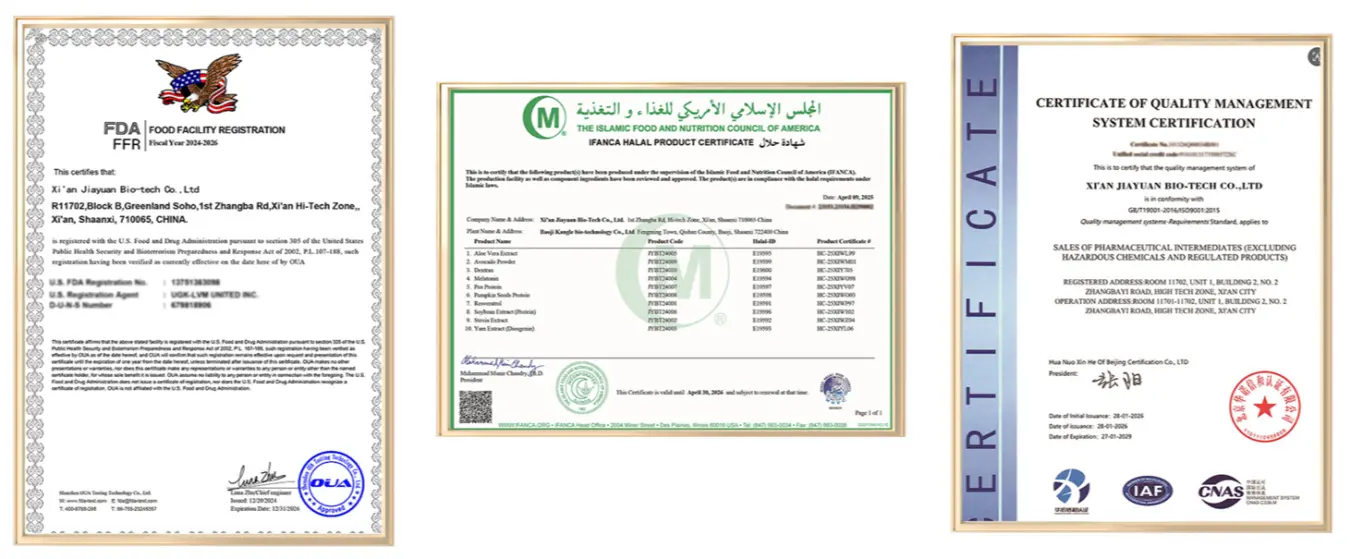
Look for firms that currently have Good Manufacturing Practice (GMP) certifications that are acceptable in the locations you wish to market. ISO 9001 for quality, ISO 13485 for medical device materials, Halal or Kosher certifications are vital if you wish to sell to certain groups of people, etc. Compliance with United States Pharmacopeia (USP) or European Pharmacopeia (EP) monographs implies the item conforms to pharmaceutical standards worldwide. Suppliers are also required to provide TSE/BSE-free declarations and residual solvent testing under USP Chapter 467 to show their commitment to safety and transparency.
Product Formats and Formulation Compatibility
Pure melatonin powder is still the most practical form for business-to-business application, since it allows formulators to manage the precision of dosage and choose fillers of the proper kind. Micronized forms with D90 particle size below 10 micron increase the speed of their dissolution, which is significant for sublingual tablets or rapid-release capsules. Just know that melatonin doesn't dissolve well in water (around 0.1 mg/mL), therefore it has to be combined with other substances like ethanol or propylene glycol to produce liquids. Knowledge of these physicochemical qualities enables procurement teams to choose the appropriate grade – pharmaceutical (≥99%), cosmetic (≥95%) or research-grade – for the assignment.
Synthetic vs. Natural Sources: A Practical Comparison
Melatonin that comes from plants can be removed, but synthetic production is more common in B2B supply lines because it is cheaper and the quality is more consistent. Starting with 5-methoxy-3-indolylacetonitrile, synthetic methods can make materials that aren't affected by changes in farming, yearly supply problems, or possible chemical residues. Batch uniformity helps automatic production processes and makes it easier to submit regulatory documents. A study of costs shows that synthetic material is usually 40% to 60% less expensive than plant extracts of the same purity. This makes it the most cost-effective choice for large-scale production.
Where to Buy Pure Melatonin: Trusted Suppliers and Marketplaces
Direct Manufacturer Sourcing Advantages
Getting to know dedicated manufacturers like Xi'an Jiayuan Bio-Tech gives procurement teams direct access to production expertise, the ability to change specifications, and clear visibility into the supply chain. Direct buying gets rid of markups from middlemen and lets you do quality checks, test samples, and get expert help while developing new formulas. Vertically linked supply chains, in which manufacturers control everything from the farming of raw materials to their final cleaning, make it easier to track their products and protect them against changes in market prices.
Advanced makers use simulated moving bed chromatography (SMB) for continuous filtering, which keeps the purity above 98% and is 30% to 50% more efficient than batch methods. Important factors like pH and temperature are controlled automatically by control systems, which makes sure that each batch is very consistent. Ethanol recovery systems that are at least 90% efficient cut down on solvent costs and help companies follow environmental rules. This makes these providers trusted partners for long-term growth.
Evaluating Online Marketplaces and Distributors
Platforms like Alibaba or specialized B2B exchanges provide a convenient way to source suppliers, but buyers need to be especially vigilant in verifying vendors' credentials and product validity. Before making your purchase, always check to see whether you have the most current COAs, GMP certifications, and customer references. Distributors may often ship in smaller quantities and quicker, but they normally add 15% to 30% to the price that the producer charges. You have to balance the convenience of use against the risk of acquiring phony products or non-uniform batches that might create production delays and damage the image of the business.
Bulk Purchasing Dynamics and Logistics
Pharmaceutical-grade melatonin powder usually has a minimum order quantity of 1 to 25 kilograms. At 100 kilograms or more, volume pricing tiers offer big savings. Talk about payment terms, wait times, and freight plans up front. Reliable providers will work with FedEx, DHL, or specialized pharma logistics to make sure that the shipment is delivered safely and with all the necessary customs paperwork. Some manufacturers offer storage services or exchange agreements to keep buyers' inventory risk to a minimum while keeping the supply chain running smoothly.
Knowing about incoterms like FOB, CIF, and DDP can help you figure out who is responsible for paying for international shipments. When suppliers clear goods at the destination customs office, like Jiayuan Bio-Tech does for Europe and the US, the import process goes more quickly and without as many problems. Before choosing providers based only on price per kilogram, you should look at the total landing cost, which includes duties, storage, and testing.

Evaluating Pure Melatonin Products: Reviews and Effectiveness
Key Quality Indicators to Verify
In addition to reviewing the COA, you should also ask for a residue solvent analysis (Gas Chromatography) and microbiological tests to ensure that E. coli and Salmonella, and stability data showing that the medicine stayed effective over time. To keep photosensitive items from going bad, they need to be packed in light-resistant cases that have been filled with nitrogen. Moisture content kept at ≤0.5% stops sticking and keeps it usable for at least three years when stored properly.
Independent analytical services that verify the work in a third-party lab adds trustworthiness and finds suppliers who are ready to stand behind their quality promises. Testing methods should match the needs of the market you're going after, such as USP standards for dietary supplements sold in the US, EP standards for medicines sold in Europe, or BP standards for goods sold in the UK.
Comparing Effectiveness with Alternative Sleep Support Ingredients
There is a lot of evidence that pure melatonin may aid with jet lag and shorten the time to fall asleep. And the dose-response connection is rather evident as well. Melatonin acts quicker than herbs such as valerian or passion flower and the effects are more predictable. Synthetic purity eliminates the variation that is inherent in plant extracts, giving the formulator greater control over the finished product. Studies reveal that sublingual or quick release types of micronized powder peak plasma levels in 30 minutes. This fits the expectations of clients who want the items to operate immediately.
Case Studies: Successful Supplier Partnerships
Leading nutraceutical brands say that switching from multi-tier wholesalers to direct maker partnerships has saved them a lot of money and made the quality better. One North American supplement company cut the cost of raw materials by 35% and improved batch consistency. They said that working together with their suppliers on custom particle sizing and certificate customization was the key to their success. Research institutions value suppliers who can do test studies with small batches before moving on to mass production. This shows how important it is for manufacturers to be able to change.
Making the Right Purchase Decision: A Procurement Checklist
Defining Your Product Specifications
The following information should be accurately recorded for a successful procurement: desired level of purity (pharmaceutical or cosmetic grade), expected volume (quarterly and yearly), packaging preference (nitrogen sealed foil packs or fibre drums) and delivery frequency. Make sure your guidelines match how your goods will be governed. For example, nutritional supplements need different paperwork than over-the-counter sleep drugs. Let your suppliers know the growth routes you have planned so that they may increase their capacity as your demand develops.
Supplier Screening Criteria
To reduce supply chain risk and ensure long-term success, you should evaluate people in a number of different areas. Important areas for evaluation are:
Quality Infrastructure: Check the validity of the GMP certification, the analytical equipment's powers (HPLC, GC-MS, ICP-MS), and the quality control systems that have been written down. For partnerships with a lot of partners, ask for facility audit reports or set up visits to the site.
Pricing Transparency: Look at how much it costs to land goods, including the cost of materials, processing, packaging, shipping, and customs duties. If a product's price is much lower than the market average, it could mean that the quality has been lowered or the business plan can't last.
Regulatory Support: Check to see if the supplier can provide DMFs (Drug Master Files), documentation on the safety of ingredients, and regulatory updates that might change how melatonin is classified in target markets. Communicating ahead of time about changes to regulations shows loyalty to the relationship.
After-Sales Service: Check how quickly they answer technical questions, how ready they are to give recipe advice, and what their policies are for replacing batches or disputing quality. Strong customer service keeps work from being held up when problems appear.
Building Strategic Supplier Relationships
Don't put all your eggs in one basket. Choose a few of suppliers that can match your demands and then consolidate your volume with one primary partner to receive the best costs. Prepare for supply interruptions by holding a backup stock, assessing possible alternative sources and tracking changes in geopolitics or legislation that might influence producing locations. "Regular business reviews with providers help keep things clear on capacity planning, technology changes and gathering market intelligence."
Get the latest news from the melatonin industry — including how certain areas are tightening laws, how green chemistry is gaining ground and how customers are altering their preferences to clean-label products. Suppliers investing in zero-liquid discharge wastewater systems, recyclable packaging and green energy are prepared to satisfy the demands of the market in the future.
Conclusion
Finding a trustworthy source of pure melatonin means finding a balance between quality checks, following the rules, cutting costs, and trusting the seller. For product development to go well, pharmaceutical-grade materials that meet USP/EP standards, as well as thorough testing and GMP certification, are needed. When compared to marketplace intermediaries, direct manufacturer relationships usually offer better value through clear pricing, technical support, and control over the supply chain. Systematic review using written procurement criteria prevents inconsistent quality and builds relationships that help a business grow over the long run. Your buying strategy will stay competitive and legal if you keep up with changes in regulations and industry trends.
Frequently Asked Questions
1. How can I verify the authenticity of a melatonin supplier?
You should ask for up-to-date GMP and ISO certificates, as well as batch-specific Certificates of Analysis that show HPLC test results, heavy metals testing, and bacterial clearance. Legitimate manufacturers say that their products are free of TSE and BSE and keep records that show how raw materials were used to make finished goods. Think about getting third-party lab proof for your first order and regular checks for your ongoing supply.
2. What minimum order quantities should I expect?
Pharmaceutical-grade sellers usually have minimum order quantities (MOQs) of 1 kg to 25 kg for first orders, and savings start to apply at 100 kg or more. Smaller samples may be okay for research applications. Talk about your expected number with the buyer during negotiations to get good terms and make sure they can keep up with your growth.
3. Is synthetic melatonin suitable for vegan and clean-label products?
Yes, synthetic production gets rid of sources that come from animals and makes sure that each batch is the same, which is necessary for clean-label claims. Modern ways of making things that start with plant-based materials are vegan-friendly and deliver pharmaceutical purity. Always check that the supplier's paperwork backs up the product label's claim of synthetic origin.
Partner with Jiayuan Bio-Tech for Reliable Pure Melatonin Supply
Xi'an Jiayuan Bio-Tech is an expert at providing pharmaceutical-grade raw materials that are backed by cutting-edge cleaning technology and strict quality control systems. Our melatonin powder is always more than 99% pure thanks to automatic chromatographic methods that keep a close eye on each batch. Our GMP and ISO certifications show that we follow international standards, and our thorough testing, which includes HPLC, heavy metals analysis, and microbiological screening, makes sure that the quality of our materials is maintained.
As a well-known pure melatonin supplier, we know how hard it is for business-to-business buyers to balance high quality standards with tight budgets, as well as the challenges of handling foreign shipping and staying in line with regulations in many markets. Our fully integrated supply chain and solvent recovery systems that are more than 90% efficient allow us to offer competitive prices without sacrificing quality. Unit costs are 40% to 60% less than small-scale alternatives.
We handle all of the logistics, including clearing customs for European and U.S. destinations. Through relationships with FedEx, DHL, and specialized pharmaceutical carriers, we send materials straight to your building. Flexible production can handle both large-scale production and small-batch customization for new product development. Our technical team helps with formulation issues like solubility problems, improving stability, and making sure all the necessary paperwork is in order for the government.
To talk about your specific needs, please email our procurement specialists at sales@jayuanbio.com or sales1@jayuanbio.com. We'll give you full product details, up-to-date prices, and trial arrangements so you can decide if our material is right for your needs. You can look at our full list of ingredients at jayuanbio.com and learn how a strategic partnership with Jiayuan Bio-Tech can make your supply chain stronger and help your product succeed faster.
References
1. Andersen, L.P., et al. (2016). "The Safety of Melatonin in Humans." Clinical Drug Investigation, 36(3), 169-175.
2. Buscemi, N., et al. (2005). "Efficacy and Safety of Exogenous Melatonin for Secondary Sleep Disorders." Meta-Analysis of Randomized Controlled Trials, British Medical Journal, 331(7527), 1-8.
3. Hardeland, R. (2017). "Melatonin and the Pathologies of Weakened or Dysregulated Circadian Oscillators." Journal of Pineal Research, 62(1), e12377.
4. Pandi-Perumal, S.R., et al. (2008). "Physiological Effects of Melatonin: Role of Melatonin Receptors and Signal Transduction Pathways." Progress in Neurobiology, 85(3), 335-353.
5. Reiter, R.J., et al. (2014). "Melatonin as an Antioxidant: Under Promises but Over Delivers." Journal of Pineal Research, 61(3), 253-278.
6. Zhdanova, I.V., et al. (2001). "Sleep-Inducing Effects of Low Doses of Melatonin Ingested in the Evening." Clinical Pharmacology & Therapeutics, 57(5), 552-558.