How Does pure melatonin Work in Sleep Cycle Regulation?
Pure melatonin functions as a neurohormone that directly influences circadian rhythm regulation by binding to MT1 and MT2 receptors located in the suprachiasmatic nucleus of the brain. This binding action signals darkness onset, triggering physiological changes that reduce core body temperature, lower cortisol levels, and initiate sleep-wake transitions. As a pharmaceutical-grade ingredient, pure melatonin powder with purity exceeding 99% provides predictable pharmacokinetics essential for formulating consistent sleep support products across pharmaceutical, nutraceutical, and functional food applications.
Understanding Pure Melatonin and Its Role in Sleep
Defining Pure Melatonin and Its Distinctive Properties
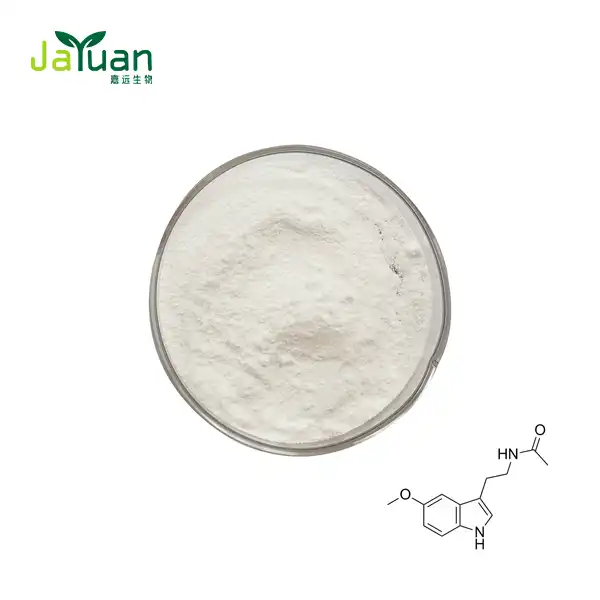
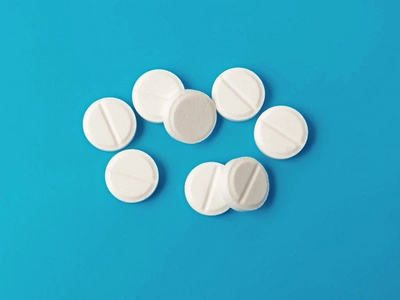
When we say "pure melatonin," we mean lab-made, chemically pure N-acetyl-5-methoxytryptamine for B2B ingredient sources. This element differs from phytomelatonins from plants and glandular secretions from animals because its molecular structure is consistent. High-quality pure melatonin powder is crystalline, white to off-white, and melts at 116°C–120°C.
The physicochemical description highlights compositional elements. The chemical dissolves effectively in ethanol and propylene glycol but not water below 0.1 mg/mL. This attribute informs drink and supplement formulation. Pharmaceutical businesses and nutraceutical suppliers choose powdered versions for precision dosage and simple incorporation into pills and sublingual tablets.
HPLC quality tests are typical in the industry. Pure levels must be 99.5% and contaminants below 0.1%. A third party test reveals that heavy metals are less than 10 ppm and microbiological contamination is below USP and EP pharmacopeia guidelines. These tight standards ensure the goods fulfills US, European, and other market requirements.
Biological Mechanisms: MT1 and MT2 Receptor Interaction
Pure melatonin controls sleep via two G-protein coupled receptors. To help individuals fall asleep fast, MT1 receptors inhibit neurons from activating in the suprachiasmatic nucleus, the brain's primary circadian clock. This inhibition helps the body go asleep. Phase-shifting by MT2 receptors helps the circadian clock adjust to varied time zones and schedules. This is useful for shift workers and foreign travellers.
Sourcing teams picking chemicals for particular product lines must understand receptor chemistry. When pure melatonin binds to receptors in vitro, the product's efficacy is more likely. Sleep research laboratories need purity certifications and receptor activity profiles when purchasing research-grade products.
The time of pure melatonin secretion is predictable. Natural production begins two hours before sleep and peaks throughout biological nite. When taken 30–60 minutes before bedtime, pure melatonin tablets may duplicate this pattern using the body's natural circadian cycles instead of sleep chemicals.
Purity Standards and Third-Party Testing Requirements
B2B buyers are increasingly required to trace materials and ensure quality across their supply chains. Drug businesses must provide Certificate of Analysis documentation that follows USP, EP, and BP book criteria for US, European, and British Commonwealth sales. All standards provide maximum and minimum heavy metal, associated chemical, residual solvent, and identity test quantities.
Testing batteries do more than verify purity. Loss on Drying measures keep moisture below 0.5%, preventing hydrolytic breakdown during storage. Gas Chromatography examination of residual solvents demonstrates that ethanol, methanol, and other process chemicals meet USP Chapter 467 Class 3 solvent limitations. Particle size distribution testing is crucial for sublingual or rapid-dissolve micronized powders, where D90 values below 10 microns optimize mucosal absorption.
Cosmetic and skin care companies that employ pure melatonin as an antioxidant should disclose its stability and oxidation potential. The element is sensitive to UV radiation, thus it must be sealed to keep light out and nitrogen flushed to keep it fresh for over three years. These technological concerns affect bulk ingredient providers' storage and delivery plans.
Benefits and Usage of Pure Melatonin in Sleep Management
Reduced Sleep Latency and Enhanced Sleep Quality
Clinical evidence suggests that pure melatonin supplementation may shorten sleep duration by 7–12 minutes. This impact is short-lived yet constant across several persons, making it beneficial for nutritional product promotion. Companies that create nighttime beverages or snacks may leverage this benefit by adding carefully dosed pure melatonin powder.
Sleep architecture study demonstrates that pure melatonin increases sleep duration without affecting REM or deep sleep. It differs from sedative-hypnotics that disrupt sleep patterns. This trait is sought by dietary supplement businesses targeting health-conscious consumers seeking non-habit-forming sleep assistance. Instead of employing GABAergic pathways to induce sleep, the substance supports the body's natural activities.
Another benefit of pure melatonin is sleep quality. Users report fewer nighttime awakenings and better sleep quality in controlled research. End customers trust these findings about a product's performance, which motivates them to purchase it again, which benefits OEM partners and private label companies along the supply chain.
Circadian Rhythm Regulation for Shift Workers and Travelers
Pure melatonin's phase-shifting actions aid certain sleep-deprived persons. Many shift workers demand effective solutions since their fluctuating schedules disrupt their circadian rhythms. Strategic pure melatonin timing—giving it at your desired bedtime—speeds circadian adaptation by 30 to 50%.
Products with the correct dosage of pure melatonin may assist with jet lag while working abroad. The easiest method to follow the regimen is to take the supplement at the desired bedtime at the new site for three to five nights. Travel supplement firms benefit from this well-known use case, supported by flight medical research.
Chronotherapy may help delayed sleep phase disorder and other circadian rhythm sleep-wake disorders. Research organizations studying these disorders require pharmaceutical-grade pure melatonin powder that is consistent from batch to batch. The component is controlled differently globally. In the US, it's a supplement, however certain European nations need a medical license. Foreign suppliers have trouble meeting all standards.
Comparative Analysis: Forms and Alternative Sleep Aids
Pure melatonin distinguishes out among sleep components for many reasons when purchasing teams compare it. Pure melatonin affects circadian timing systems more directly than magnesium-based preparations. Not only muscle relaxation or neurotransmitter alteration. Because of this, combination products may target many sleep-disrupting processes.
Making gummy formulations has risks and challenges. Pure melatonin is sensitive to heat and light, thus it must be prepared utilizing late-stage addition and opaque packaging. Food firms making functional gummies require ingredient suppliers that can provide stable pure melatonin powders or microencapsulated versions that can withstand 85°C.
Pure, soluble melatonin powder is needed for liquid drops, syrups, and beverages. Standard crystalline materials require co-solvents or solubilizers to dissolve in water. Some companies provide spray-dried or complexed variants that function better with water but cost more. Drink manufacturers performing pilot batch development must be able to discuss ingredient dissolution and fridge stability with ingredient suppliers.
Procurement Considerations for Pure Melatonin in B2B Markets
Evaluating Manufacturers: Certifications and Quality Protocols
You need to search beyond price per kilogram to discover a reliable supplier of pure melatonin ingredients. Minimum standard: GMP clearance. It indicates that drug producers retain batch records, keep the environment safe, and use established cleaning methods. ISO 13485 accreditation allows providers that cooperate with medical device producers who employ pure melatonin in therapeutic goods credibility.
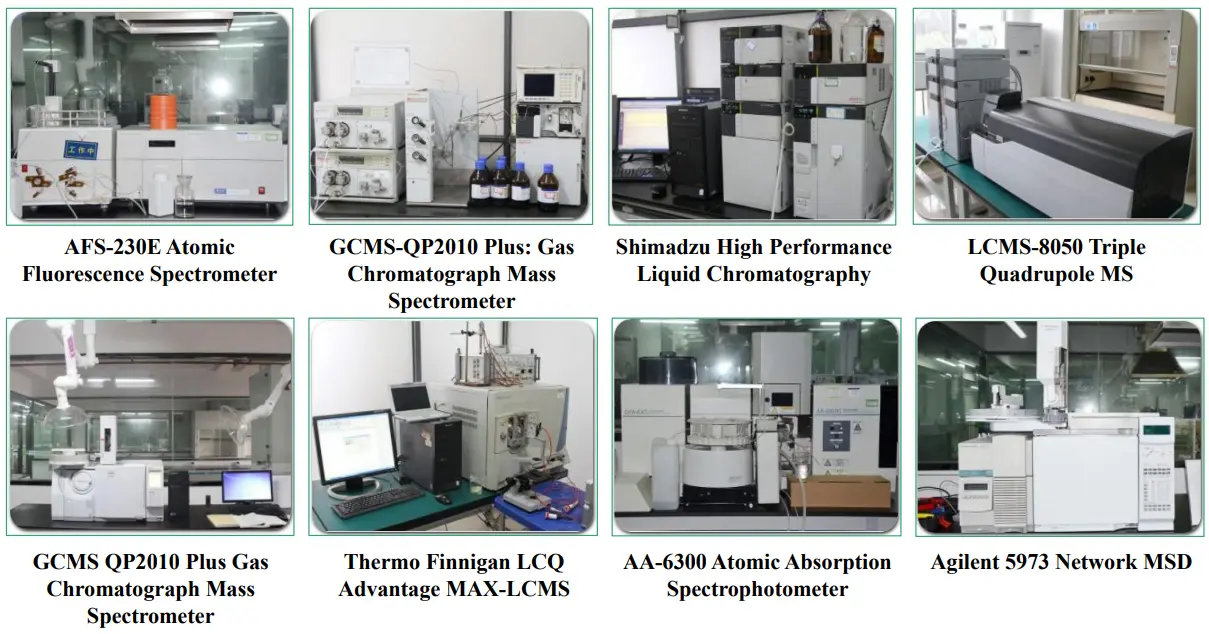
Premium sellers utilize complex analytical techniques, unlike commodity traders. Big enterprises invest in near-infrared spectroscopy-based live monitoring technologies to monitor extraction and purification operations. This system prevents batches that don't meet standards from progressing, reducing B2B rejections. HPLC and GC-MS offline testing provides regulatory and customer verification.
Pharmaceutical and cosmetic industries must now use traceability technologies to monitor raw ingredients to final ingredient batches. Strict supply chain openness rules need it. Blockchain-verified documents or complete chain-of-custody information provide vendors an edge when bidding. Professional ingredient providers can present stability research data showing how long an ingredient can survive in varied storage circumstances, unlike less qualified vendors.
Bulk Purchasing Dynamics and Pricing Structures
Minimum order quantities for pharmaceutical-grade pure melatonin powder are 25–500 kilos. This relies on supplier capacity and market position. Nutraceutical manufacturers with smaller production facilities may struggle with these levels, giving wholesalers who purchase in bulk and repackage opportunities. The pricing differential between 25 kg sales and multi-ton contracts might be 40–60%. This is due to manufacturing amortization and transportation efficiency economies of scale.
The market price of high-purity pure melatonin depends on raw material availability and Asian and European manufacturer competition. EP/USP-compliant pharmaceutical-grade powder costs $180–$320 per kilogram, with micronized variants costing 15–25% more. Purchasing managers monitoring these patterns should establish relationships with many suppliers to ensure they don't lose supply or pricing amid price fluctuations.
Long-term supply agreements and subscriptions benefit buyers and sellers. Manufacturers obtain better production planning information, while consumers enjoy consistent pricing and first selection during strong demand. These transactions usually include quarterly volume commitments and price modifications based on public commodities indexes. These frameworks assist private label businesses develop their market share by ensuring ingredient supply matches promotional campaign and distribution expansion schedules.
Global Logistics and Regulatory Compliance
Pharmaceutical chemicals must be sent internationally by expert freight forwarders that know how to maintain temperature and meet customs regulations. The pure melatonin powder must be packaged in double-sealed foil bags with desiccants and placed in fibre drums with heat-reflective outer layers since light and heat harm it. Air cargo is better for fast production restocking, but ocean freight is still the cheapest option to send huge numbers of products.
Customs clearance varies greatly by destination country. Importing under HTS code 2933.99 and with the right business invoices and Certificates of Analysis is simple in the US. Entering the EU requires evidence of REACH registration and, depending on the ultimate use, a pharmaceutical license. Working with customs brokers who can categorize nutritious components and expedite clearance has helped us achieve these criteria.
Selecting vendors with strong logistical networks is crucial. Our partnerships with FedEx, DHL, UPS, and other pharmaceutical carriers allow us to ship urgent sample orders worldwide in 48–72 hours. Delivered-duty-paid price and complete customs clearance help make cross-border ingredient purchases easy for new customers. This service is ideal for research organizations who need to conclude studies swiftly or companies that need to market products quickly.

Comparison of Pure Melatonin Products for Informed Decision Making
Market Positioning and Quality Differentiation
Based on application and price, pure melatonin compounds are categorized by quality. Pharmaceutical-grade material with ≥99.5% purity by HPLC analysis is utilized by sleep aid manufacturers and compounding pharmacies according to USP standards. Dietary supplement manufacturers that wish to save money without jeopardizing safety or efficacy may use mid-level nutraceutical-grade products with 98–99% purity.
Written clinical study approval affects the market. Marketing advantages go to ingredient sellers that fund sleep research to prove their goods function. Well-known supplement firms' procurement teams increasingly seek clinical research utilizing the quality and source of pure melatonin they're evaluating. From generic literature research to supplier-specific validation.
Customer feedback systems provide real-world data to support lab findings. Cosmetic formulators report simple mixing, stable goods, and no odours or discoloration during shelf life testing. Food manufacturers discuss processing behaviour and flavour compatibility while manufacturing beverages, extrusion, or capsules. Qualitative evaluations, however less standardized than analytical credentials, nonetheless effect a supplier's reputation in industry networks and whether they're purchased from again.
Form Factor Considerations: Powders, Micronized Variants, and Solutions
Crystalline powder is still the best and cheapest option to produce capsules and tablets. The particle sizes are 80–200 mesh and may pass via volumetric dosing instruments without processing. Granulated pure melatonin powders improve direct compression pill flowability and uniformity. However, this increases processing time and expense.
Pure melatonin powder with particles less than 10 microns helps formulate sublingual tablets and orodispersible films. Increased surface area increases breakdown, which speeds mucosal absorption and may reduce dosage levels. Micronization increases dust, static electricity, and corrosion due to more air contact, making it tougher to handle. Suppliers must follow milling and packing requirements to maintain quality throughout distribution.
Pre-dissolved solutions and unique solubilized forms appeal to beverage and liquid supplement companies who wish to simplify preparation. These high-value solutions combine pure melatonin with food-grade antioxidants, solubilizers, and preservatives to create stable, water-soluble concentrations. The simplicity of use costs two to three times the price of powder, but for firms without lipophilic active specialists, the faster time to design and create new formulations is worth it.
Maximizing the Value of Pure Melatonin in Business Applications
OEM and Private Label Product Development Strategies
Brands entering sleep health must decide how to distinguish and where to sell their goods. Pure melatonin-based tablets are simple to get, so competition encourages inventive entrepreneurs to create novel methods to ship or combine ingredients. OEM formulation experts may assist private label customers uncover "white space" possibilities. They may blend pure melatonin and L-theanine to assist anxious individuals sleep or magnesium glycinate to relax muscles and regulate circadian rhythm.
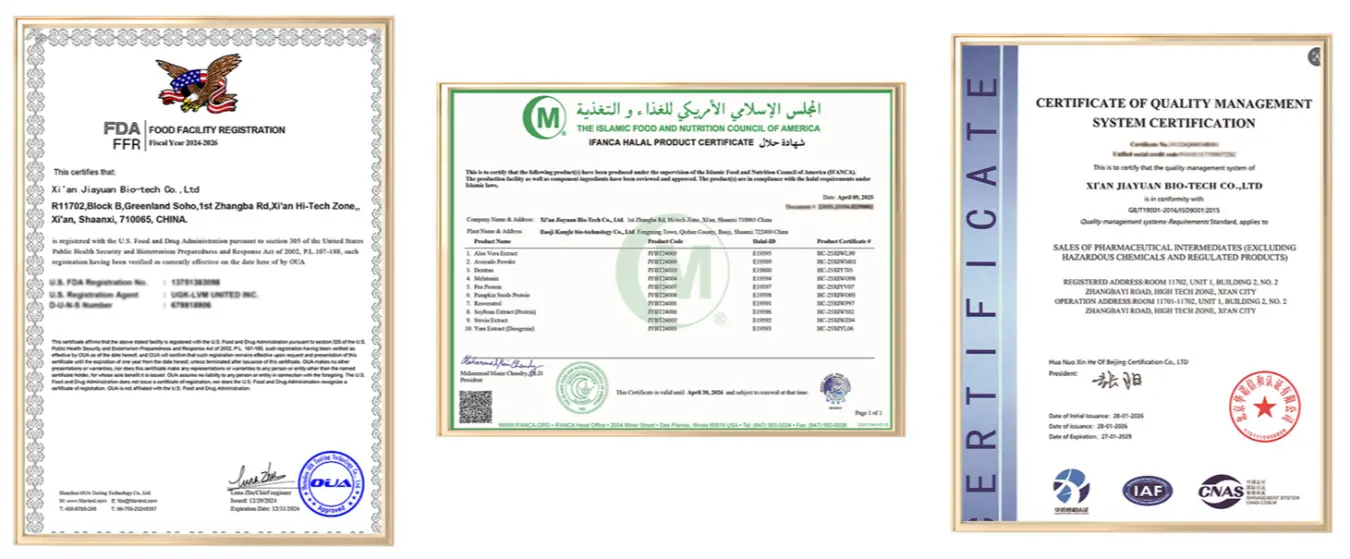
Quality communication from ingredient selection to product testing is essential for market confidence. Innovative brands make their supplier links public, citing GMP clearances and third-party purity tests as competitive advantages. Millennials and Gen Zers research ingredients before buying, thus this method works effectively. Our ISO and SGS certifications demonstrate that our items are high-quality enough for these marketing methods.
Another approach to provide value is customization. Melatonin powder is ≥99% pure in pharmaceutical grade and ≥95% pure in nutraceutical grade. This allows companies formulate the finest products at varied price ranges and audiences. Patented purification procedures ensure that all constituents are the same, ensuring product reliability. Customer support calls and returns decrease, hurting supplement market revenues in a competitive industry.
Innovation Trends: Delivery Systems and Formulation Advances
Flexible dose forms that accommodate for pure melatonin sensitivity are appealing as tailored diets grow more prevalent. Graduated liquid droplets allow dosage titration. They may start at 0.5 mg and increase as needed. Since impurities become increasingly obvious at low doses, ingredient vendors must deliver extremely pure, highly concentrated melatonin solutions for this approach to operate.
Brands get regular revenue streams and higher customer lifetime values when customers pick easy subscription service models. Predicting subscriptions improves supply chain management and inventory usage. Ingredient suppliers that enable these business models include flexible purchase plans, consignment inventories, and just-in-time supply planning to match production batches scheduled weeks in advance with raw material availability.
Customers anticipate speedy delivery logistics, which was formerly a competitive advantage. Safety-stocked suppliers can fulfilll sample requests in 48 hours and production orders in two weeks. Different from providers that depend on extensive overseas factory lead times. Our warehouse stocking solution speeds up purchases so clients may capitalize on market opportunities without storing too much raw material.
Conclusion
Pure melatonin powder has been shown to control sleep cycles in pharmaceutical, nutraceutical, and functional food items. Customers obtain consistent results because its well-studied MT1 and MT2 receptor binding mechanism works dependably. When buying from a third party, you must ensure that the supplier fits your logistical, legal, and HPLC purity requirements. Over time, the market has moved toward greater quality, innovative formulae, and open supply chain relationships. Companies with verified high-purity ingredients and fast technical assistance can fulfill the rising sleep health industry.
FAQ
1. Is long-term use of pure melatonin safe for product formulation?
Pure melatonin supplements from 0.5 mg to 10 mg per day have been investigated for decades and found safe. No toxicological studies have shown that it causes cancer, and controlled trials show similar side effects to placebos. The pineal gland produces the endogenous chemical. This improves tolerance.
Regulatory bodies like the European Food Safety Authority have researched pure melatonin and set long-term safe daily dosage limits. Pharmaceutical and nutritional firms that offer sleep aids for chronic insomnia might review a lot of safety research when addressing regulatory queries or completing risk assessments.
2. How does pure melatonin differ from synthetic alternatives in efficacy?
This question demonstrates typical terminology misunderstanding. Pharmaceutical-grade pure melatonin is produced from 5-methoxy-3-indolylacetonitrile. Before contemporary synthesis processes, animal-derived glandular extracts were contaminated, but this approach ensures batch consistency. The term "pure" means chemical purity, not source differentiation.
Cherries and walnuts contain phytomelatonins, however extraction rates are too low for commercial ingredient synthesis. Botanical sources are unsuitable for precise dosage due to their variability in phytomelatonin levels. The structure of manufactured pure melatonin matches the natural substance, thus it affects the body and attaches to receptors similarly.
3. What critical factors should guide melatonin supplier selection?
Procurement teams should prioritize suppliers demonstrating verifiable GMP manufacturing, comprehensive third-party testing protocols, and regulatory compliance documentation appropriate for target markets. Certificate of Analysis review should confirm HPLC purity ≥99%, heavy metals below 10 ppm total, and microbiological specifications meeting USP standards.
Technical support capabilities distinguish commodity suppliers from strategic partners. The ability to provide formulation guidance, stability study data, and regulatory assistance accelerates product development while reducing formulation failure risks. Established logistics networks ensuring reliable delivery schedules and customs clearance expertise prevent production disruptions that compromise launch timelines and market commitments.
Partner with Jiayuan Bio-Tech for Premium Pure Melatonin Supply
Jiayuan Bio-Tech is a specialized company that makes pure melatonin for research institutions, pharmaceutical companies, and nutraceutical brands in the US and around the world. Our production facilities are GMP-approved and use simulated moving bed chromatography to get consistent purity levels above 98%. Pharmaceutical-grade variants reach ≥99.5% through strict purification protocols. Real-time near-infrared spectroscopy tracking and thorough offline testing with HPLC and GC-MS are used for advanced quality control to make sure that every batch meets the standards set by the EP/USP pharmacopoeia.
We can save you money because we can produce 10 tons of ethanol every year, which is 40 to 60 percent less than smaller businesses. Also, our liquid recovery systems can recycle up to 90% of the ethanol, which means less damage to the environment and lower costs for supplies. We can work with a variety of materials, such as pharmaceutical-grade and cosmetic-grade materials, and can handle both large-scale production runs and small-batch customization for new brands testing market ideas.
Our strategically located near the Qinling Mountains and vertically integrated supply chain protect our raw materials and make logistics easier. We keep stock in our warehouse so that we can quickly meet sample requests and turn around production orders within two weeks. We also have formed partnerships with FedEx, DHL, and UPS to make sure that our deliveries are reliable all over the world. For customers who have never bought ingredients from outside of the United States before, we offer delivered-duty-paid pricing options and full customs clearance support to make cross-border transactions easier.
You can email our technical sales team at sales@jayuanbio.com or sales1@jayuanbio.com to talk about your needs for a pure melatonin supplier, ask for Certificates of Analysis, or set up an evaluation of a sample. You can contact us about private label agreements, OEM formulation development, and bulk buying plans that will help your business grow in the sleep health market, which is growing.
References
1. Auld, F., Maschauer, E. L., Morrison, I., Skene, D. J., & Riha, R. L. (2017). Evidence for the efficacy of melatonin in the treatment of primary adult sleep disorders. Sleep Medicine Reviews, 34, 10-22.
2. Hardeland, R. (2018). Recent findings in melatonin research and their relevance to the CNS. Central Nervous System Agents in Medicinal Chemistry, 18(2), 102-114.
3. Pandi-Perumal, S. R., Trakht, I., Srinivasan, V., Spence, D. W., Maestroni, G. J., Zisapel, N., & Cardinali, D. P. (2008). Physiological effects of melatonin: Role of melatonin receptors and signal transduction pathways. Progress in Neurobiology, 85(3), 335-353.
4. Reiter, R. J., Rosales-Corral, S. A., Tan, D. X., Acuna-Castroviejo, D., Qin, L., Yang, S. F., & Xu, K. (2017). Melatonin, a full service anti-cancer agent: Inhibition of initiation, progression and metastasis. International Journal of Molecular Sciences, 18(4), 843.
5. Tordjman, S., Chokron, S., Delorme, R., Charrier, A., Bellissant, E., Jaafari, N., & Fougerou, C. (2017). Melatonin: Pharmacology, functions and therapeutic benefits. Current Neuropharmacology, 15(3), 434-443.
6. Zisapel, N. (2018). New perspectives on the role of melatonin in human sleep, circadian rhythms and their regulation. British Journal of Pharmacology, 175(16), 3190-3199.