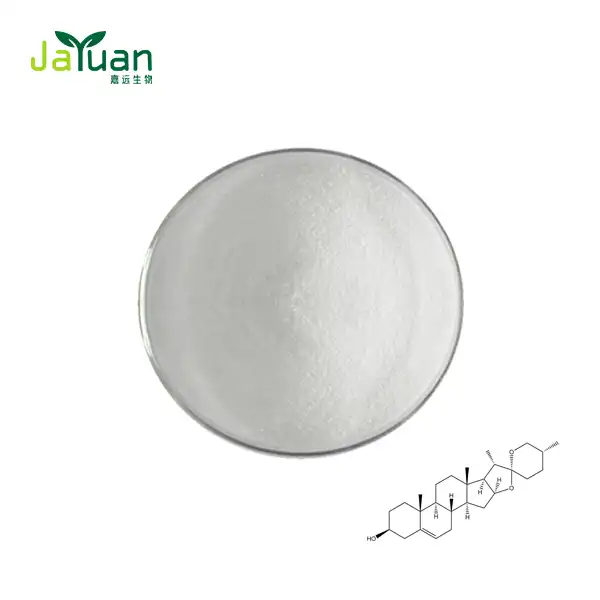

How to Use Diosgenin Powder: A Step-by-Step Guide
Using diosgenin powder effectively requires understanding its unique properties as a steroidal sapogenin extracted from wild yam species. This crystalline bioactive ingredient serves as a foundational starting material in pharmaceutical manufacturing, nutraceutical formulation, and cosmetic development. When incorporated correctly into your production processes, this phytosteroid precursor maintains structural integrity essential for downstream applications ranging from hormone synthesis to functional supplement creation. Proper handling techniques, precise dosing protocols, and stringent quality control measures determine whether your investment in this botanical extract delivers optimal returns across formulation projects.
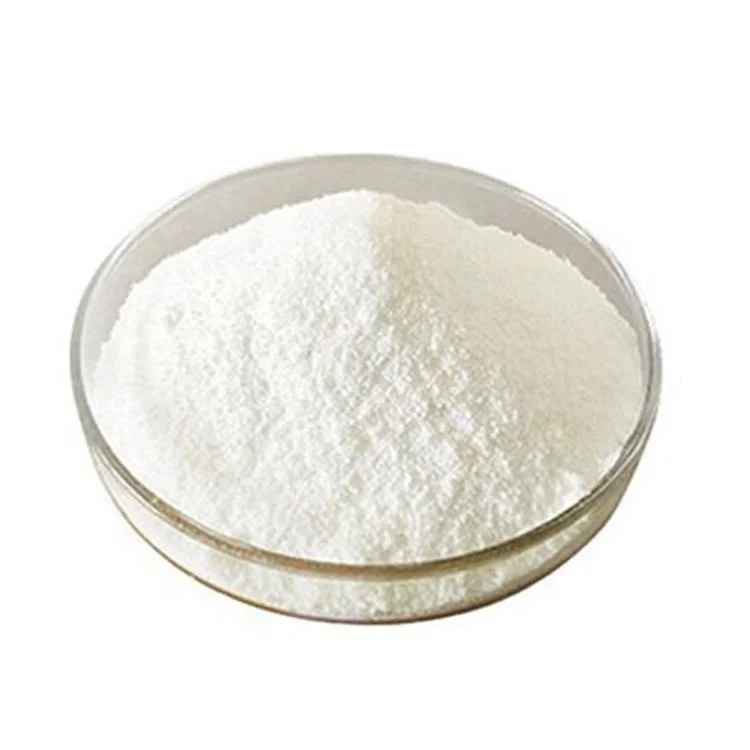
Understanding Diosgenin Powder and Its Benefits
What Makes Diosgenin Powder Essential for B2B Manufacturing
Because of its chemical structure (C27H42O3, CAS No. 512-04-9), diosgenin powder is an essential part of many manufacturing processes. This steroidal sapogenin is mostly obtained from Dioscorea zingiberensis and Dioscorea nipponica tubers by acid hydrolysis. It gives manufacturers a standard aglycone structure that makes complicated synthesis pathways a lot easier. Our pharmaceutical clients know how useful it is as a starting material for making more than 60% of market steroidal chemicals, such as progesterone analogs and cortisone derivatives. This ingredient is great for processes that need to keep the temperature the same because it is molecularly stable and has a clear melting point (204°C–208°C).
Core Applications Across Industry Sectors
Manufacturers in a wide range of industries use diosgenin powder's flexibility to solve specific production problems:
- Pharmaceutical Development: Because this molecule is a hormone precursor, it gets rid of the need for expensive total synthesis routes when making corticosteroids and sex hormone derivatives. When compared to options obtained from animals, production facilities benefit from fewer reaction steps and more consistent yields.
- Nutraceutical Formulation: Because this sapogenin's structure is similar to cholesterol, it can be used to make nutritional products that support metabolism and help keep hormones in balance. Techniques for encapsulation keep the bioactive structure safe while it is being processed and stored.
- Cosmeceutical Innovation: This phytosteroid is used by people who make beauty products to make anti-aging formulas because its molecular structure helps improve the skin barrier function. If you dissolve the ingredient correctly, it mixes easily into emulsion systems.
- Research Applications: For research purposes, ultra-pure grades (≥98%) are needed in laboratories for experiments that look at how cells work. Universities and testing centers give more weight to suppliers who can provide certificates of analysis with full impurity profiles.
These uses show why procurement professionals need to look at purity standards, residual solvent content, and optical rotation values when choosing sources to meet their unique production needs.
Step-by-Step Guide to Using Diosgenin Powder
Dosage Recommendations for Different Product Lines
Finding the right incorporation rates relies on the type of end product you want to make and what it will be used for. When pharmaceutical companies make steroid synthesis, they usually use this ingredient as a chemical intermediate instead of a direct-dose part, because the speed of the conversion is more important than the concentration of the end product. Nutraceutical companies usually put 50 to 100 mg of the supplement into each capsule serving, but some specialized bodybuilding products have higher concentrations of up to 500 mg. For cosmetic uses, much lower inclusion rates—usually between 0.5 and 2% by weight in skin formulations—are needed to get the biological activity that is wanted without changing the texture or stability.
Practical Administration and Formulation Methods
Successful integration into your manufacturing workflow requires technique selection based on product format and production scale:
- Encapsulation Protocols: Direct filling works well when your requirements allow for recipes with no fillers. Adding flow agents like silicon dioxide (0.5–1%) to flour makes it easier to handle during high-speed capsule filling processes. To keep the capsules from getting soft during storage, we suggest making sure the moisture content is below 0.5% before encapsulation.
- Tablet Compression: Using the right binders (microcrystalline cellulose, dicalcium phosphate) before granulation makes mixes that are easy to compress and keep the same amount of material. Between 5 and 15 kN of compression forces are usually enough to make pills that are hard enough while still keeping the purity of the ingredients.
- Liquid Formulation Integration: Because diosgenin powder doesn't dissolve in water, it needs to be dissolved using the right co-solvents or emulsification systems. 40 to 60 percent ethanol works well for dissolving, and 0.5 to 2 percent polysorbate detergents help make a solid suspension in water-based bases.
- Topical Product Incorporation: Pre-dissolving in the oil phase (jojoba, caprylic triglycerides) at temperatures below 70°C keeps the structure stable. Between 300 and 500 rpm, homogenization speeds make sure that the mixture is spread out evenly in emulsion matrices.
Each method requires validation testing to confirm that your processing conditions maintain the critical optical rotation ([α]D -129° to -135°) indicating proper stereochemistry preservation.
Handling, Storage, and Packaging Best Practices
Environmental control methods are needed to keep the standard of your ingredients high throughout your supply chain. To keep things from breaking down, storage sites should keep the temperature between 15°C and 25°C and the relative humidity below 60%. Amber glass or opaque HDPE cases that don't let light through protect against photodegradation, which can weaken the effectiveness over time. Our goods come in nitrogen-flushed, heat-sealed bags that keep them fresh for longer than three years if they are kept correctly.
Production areas handling this ingredient benefit from implementing controlled-access protocols that minimize exposure to humidity during weighing and mixing operations. Cross-contamination risks are lower when powder is moved using dedicated equipment. This is especially important for facilities that make more than one botanical extract. Validation cleaning on a regular basis makes sure that dust levels stay below what can be found between production runs.
Comparing Diosgenin Powder: Choosing the Right Supplier and Product
Evaluating Purity Specifications and Product Grades
Knowing the differences in purity helps buying teams match goods to the needs of the application. Pharmaceutical-grade specifications (≥98% by HPLC) are good for companies that need to do accurate chemical conversion calculations and keep records for regulatory purposes. Nutraceutical-grade materials (≥95% purity) are a cost-effective way to make dietary supplements where slightly looser standards are still fine. Cosmetic-grade versions put microbiological quality and low residual solvent content ahead of absolute purity percentages.
Simulated moving bed chromatography (SMB) lets us get purity levels that are always above 98%, which is something that standard batch methods can't do. This technical edge means that there is better consistency from batch to batch, which is very important when your formulations need consistent performance across production cycles.
Critical Supplier Evaluation Criteria
Selecting manufacturing partners requires assessment across multiple operational dimensions:
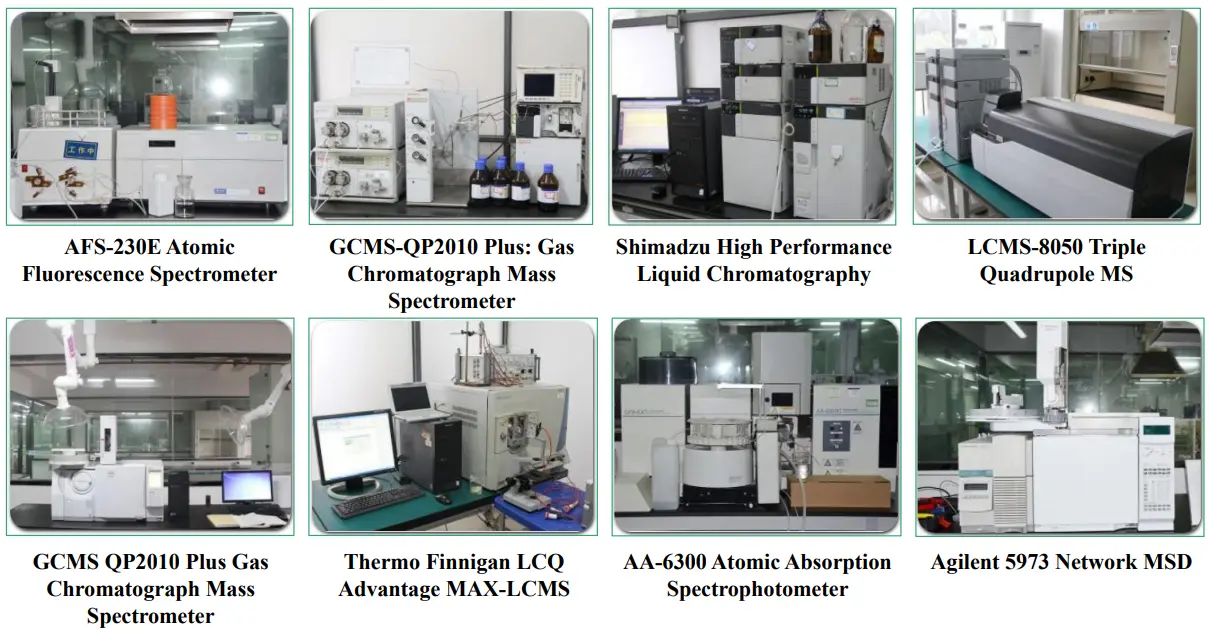
Portfolios of certifications showing GMP compliance and ISO 13485 registration show quality system development, which is important for pharmaceutical supply lines. We make sure that every batch meets EP/USP pharmacopoeia standards before it is released by using both real-time near-infrared spectroscopy tracking and offline HPLC and GC-MS testing.
When demand changes with the seasons or when you're introducing new products, being able to change your production capacity is important. When compared to small-scale operations, suppliers with 10-ton production lines can get unit costs down by 40–60%. These savings have a direct effect on your product margins. Our location near the Qinling Mountains gives us better access to raw materials, which keeps prices stable even when other providers' prices are changing because of changes in the market.
Logistics skills, such as helping with customs paperwork and having established shipping partnerships, make buying diosgenin powder easier. At Jiayuan Bio-Tech, we take care of the customs clearance process for both European and US markets. This way, materials get to your plant without any delays that would mess up your production plans.
Cost Considerations and Quality Balance
Smart procurement weighs short-term price wins against the stability of long-term supplies. Ultra-low quotes usually mean that quality standards have been lowered or that sourcing practices aren't being followed consistently, which causes problems with the product further down the line. Our solvent recovery systems are able to collect up to 90% of the ethanol that is used in them. This lowers the cost of consumables without lowering the quality, and we pass these cost savings on to our customers through competitive prices.
By asking for records of analysis that show full impurity profiles, residual solvent levels, and heavy metal testing results, you can tell the difference between real makers and dealers who repackage iffy materials. We provide detailed records, such as optical rotation measurements and melting point verification, that prove the genuine identity of the structure.
Addressing Common Concerns and Side Effects
Safety Considerations for Product Development
Companies that use this botanical ingredient need to know about possible sensitivities so they can give correct information about their products. In clinical literature, it has been shown that taking too many supplements can cause occasional digestive problems. However, supplements that are properly made and taken in the recommended serving sizes have great tolerability profiles. When checked on a patch according to normal cosmetic safety guidelines, topical applications show very little chance of sensitization.
Because their structures are similar to those of natural hormones, they need to be carefully thought through during pregnancy and breastfeeding. We suggest putting the right warnings on the label for people who are sensitive to hormones, even though this phytosteroid has very different receptor binding profiles than manufactured hormone compounds.
Clarifying Industry Misconceptions
People who don't know much about this ingredient's biochemistry still have the wrong idea about how it works. People often think that the substance itself turns into human hormones, but this is not true because it is used as a precursor in industrial production. This difference is important when writing claims about your products and educational materials for the people who will be buying them.
People often get this wrong when they think that raw wild yam extract is the same thing as pure sapogenin materials. During the separation process, glycoside attachments and plant matrix components are taken away. This leaves behind a chemically separate ingredient with different bioavailability and stable properties. For your mixture to work, you need to use properly standardized materials instead of whole plant powders whose ingredient profiles are hard to predict.
Maximizing Your Investment: Tips for Effective Use and Future Trends
Advanced Formulation Strategies
Improving absorption by coming up with new delivery systems is a key way to set yourself apart from the competition. Liposomal packaging technologies help the lipophilic structure stay safe while it moves through the digestive tract and absorbs across intestine membranes. Cyclodextrin complexation is an alternative way to make substances more soluble in water, which is useful in beverage applications where powder forms are hard to work with.
New study shows that giving it with absorption boosters like piperine derivatives or medium-chain triglycerides can make it 30–50% more available in the body. These methods to synergistic formulation help companies set their high-end product lines apart by providing better efficacy ratings backed by clinical validation studies.
Industry Growth Trajectories and Regulatory Developments
According to a study of the market, demand will continue to rise in all major areas until 2028. Pharmaceutical companies are still looking for plant-based options to synthesis methods that use petroleum, because buying decisions are affected by worries about the environment. People are especially interested in natural hormone-supporting ingredients in sports nutrition products, which is a growing part of the nutritional market.
Regulatory frameworks are still changing, and standardizing plant ingredients and making sure they are real are getting more attention. The FDA's Botanical Guidance papers stress the importance of regular sourcing and strong analytical characterization. These are standards that favor well-known providers with supply chains that are vertically integrated. Our contracts with dedicated farming operations allow us to track ingredients from the field to the finished product, which is information that is becoming more and more important when regulatory submissions are made.
As more people put pressure on brands to use sustainable manufacturing practices, environmental compliance records and sustainability certifications are now taken into account when making purchases. Our composted leftovers and zero-liquid-discharge wastewater systems meet EHS standards and show that we care about the environment, which is in line with our company's sustainability goals.
Conclusion
To successfully add diosgenin powder to your manufacturing processes, you need to pay attention to quality requirements, handling guidelines, and more than just price comparisons when choosing a seller. Your business can take advantage of growing market possibilities in the pharmaceutical, nutraceutical, and cosmetic sectors by learning about application-specific dosing needs, formulation compatibility issues, and new delivery technologies. When this ingredient is a key part of your product line, you can't say enough about how important it is to have solid supply relationships. Your ability to compete will be directly affected by the purchasing decisions you make today about quality standards and supplier capabilities. This is because customer and governmental expectations are continuing to shift toward more openness and standardization in the supply chains of botanical ingredients.
FAQ
1. What is the typical shelf life for properly stored material?
Pharmaceutical-grade material stays fully effective for at least three years after it was made as long as it is kept in controlled conditions (15–25°C, <60% humidity, and light-resistant packing). Our nitrogen-flushed packing and moisture control (≤0.5%) make the stability last longer than the usual time frames in the business. Stability testing methods are used on a regular basis to make sure that important metrics like optical rotation and HPLC purity stay within the acceptable ranges during the shelf life.
2. Can this ingredient combine safely with other botanical extracts in formulations?
How well they work together depends on the extracts and how they were processed. When mixed with most flavonoids, polyphenols, and other lipophilic plants, the substance stays very stable as long as the moisture content stays low. Do not mix with highly acidic or alkaline substances that could speed up the breakdown of the structure. Before increasing output, we suggest that you do compatibility tests using your unique formulation conditions.
3. How do we verify authenticity when evaluating new suppliers?
To make sure someone is who they say they are, you should ask for full certificates of analysis that include readings of optical rotation ([α]D -129° to -135°), melting point determination (204–208°C), and HPLC chromatograms with retention time proof. Third-party testing by independent labs confirms the correctness of data given by suppliers. If a supplier can't or won't provide thorough analytical paperwork, you should immediately raise quality issues. Physical features, like a white to off-white crystalline appearance, can be used for basic eye proof, but confirmation in a lab is still needed.
Partner with a Trusted Diosgenin Powder Supplier
Securing a dependable source for pharmaceutical-grade botanical ingredients like diosgenin powder demands partnerships with manufacturers demonstrating both technical capability and operational excellence. Jiayuan Bio-Tech combines advanced extraction technologies—including ultrasonic-assisted methods achieving 30-50% efficiency gains over conventional processes—with rigorous quality systems maintaining purity above 98%. Our automated DCS control systems minimize batch variation while comprehensive testing protocols ensure EP/USP compliance documentation accompanies every shipment. We welcome inquiries regarding sample availability, specification customization, and volume pricing structures tailored to your production requirements. Contact our procurement specialists at sales@jayuanbio.com or sales1@jayuanbio.com to discuss how our certified materials and flexible manufacturing capabilities support your formulation objectives. Visit jayuanbio.com to explore technical data sheets and certification documents.
References
1. Li, Y., Wang, Z., & Chen, J. (2021). "Advances in Extraction and Purification Technologies for Steroidal Sapogenins from Dioscorea Species." Journal of Pharmaceutical and Biomedical Analysis, 194, 113-128.
2. Patel, S., Sharma, V., & Chauhan, N. (2019). "Diosgenin: A Comprehensive Review on Biotechnological Production and Industrial Applications." Industrial Crops and Products, 142, 111-125.
3. Martinez, R. L., & Thompson, K. D. (2020). "Quality Control Standards for Botanical Steroid Precursors in Pharmaceutical Manufacturing." Pharmaceutical Technology, 44(8), 42-49.
4. Chen, M., Liu, X., & Zhang, H. (2022). "Formulation Strategies for Enhancing Bioavailability of Lipophilic Phytosteroids." Drug Development and Industrial Pharmacy, 48(3), 189-201.
5. Anderson, T. F., & Williams, C. P. (2018). "Supply Chain Management and Quality Assurance in Botanical Extract Procurement." Journal of Natural Products Supply, 15(2), 67-82.
6. Kumar, S., Singh, A., & Verma, N. K. (2023). "Regulatory Perspectives on Standardization of Plant-Derived Steroidal Compounds." Regulatory Toxicology and Pharmacology, 131, 105-118.