How to Use Cytisine Powder for Faster Smoking Relief?
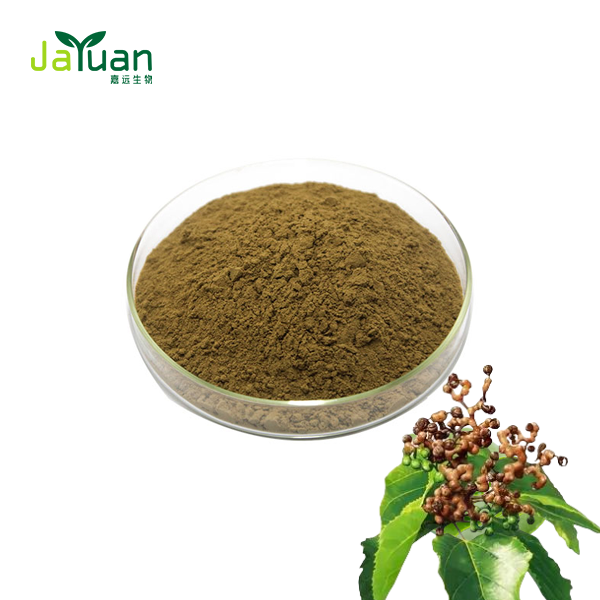
Cytisine powder is a plant-derived alkaloid with a long history of use in smoking cessation. It is derived mostly from the seeds of Laburnum anagyroides (golden rain tree) and has been utilized in Eastern Europe as a stop smoking aid since the 1960s. The molecule hits the same brain receptors as nicotine does to reduce cravings and withdrawal symptoms, but does not promote addiction itself. Cytisine powder is a natural, inexpensive substrate for smoking cessation treatments for formulators and manufacturers and may be brought to market more quickly than synthetic options.
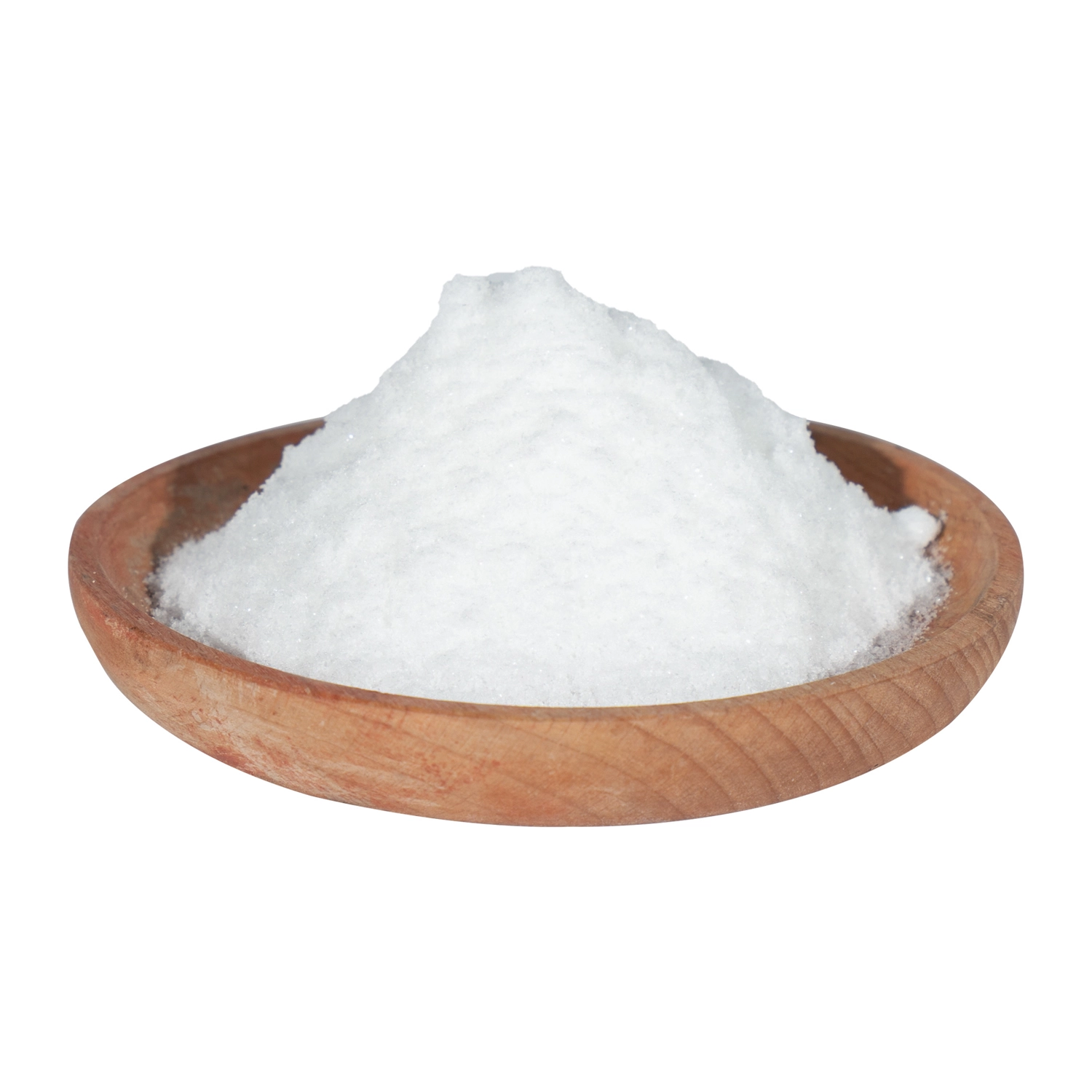
Product Name: Cytisine 98%
CAS NO.: 485-35-8
Molecular formula: C11H14N20
Molecular weight: 190.24
Specification content: 98%(HPLC)
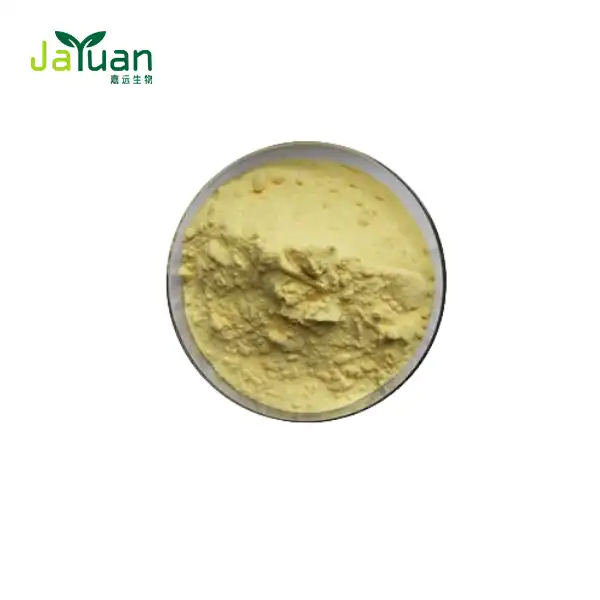
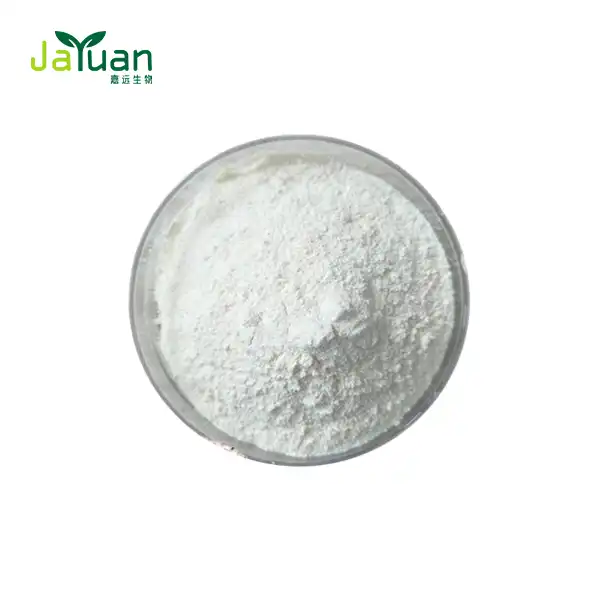
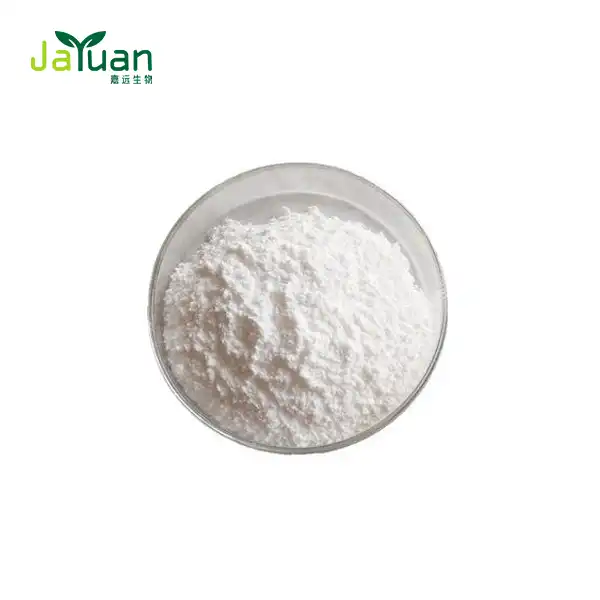
Product Description: Diagonal Prism Powder
Physical properties: Melting point of 98-99 ℃, soluble in water, ethanol, methanol, insoluble in petroleum ether.
MOQ: 500gG-1KG
Our Advantages: Scalable production capacity, strict quality control, cost efficiency from integrated factories, over 20 years of experience, advanced technology, and 24/7 after-sales support.
Certificaions: FSSC2000/ISO2000/HALAL/KOSHER/HACCP
Delivery terms: FedEx, DHL, EMS, UPS, TNT, all kinds of the airline, international shipping companies.
Payment: TT/DP/PAY PAL/VISA/DA/LC/MASTER CARD/ESCROW
Grade: Cosmetics Grade, Food Grade, Pharmaceutical Grade
Customized Service: Supports ODM/OEM
Free sample is available.
We do not sell retail quantities to individuals.
Understanding Cytisine Powder and Its Mechanism for Smoking Relief
The key to successful cessation products is in understanding how nicotine rewires the brain’s reward pathways. Cytisine has a direct effect on these pathways and that is why it is such a useful element for firms that are producing stop smoking formulations.”
Chemical Profile and Natural Origin
Cytisine is a quinolizidine alkaloid that occurs naturally in various leguminous plants, most notably Laburnum anagyroides (golden rain tree). It is structurally similar to nicotine and may occupy the same receptor sites but with far less potential for addiction. It’s a stable chemical, absorbs well and is ideal for pharmaceutical and nutraceutical applications that need constant strength from batch to batch.
Mechanism of Action on Nicotinic Receptors
Cytisine is a partial agonist at the alpha-4/beta-2 nicotinic acetylcholine receptors in the brain, the same receptor subtype that nicotine binds to. When a person smokes , the nicotine binds to these receptors . This causes a modest , continuous effect , which decreases withdrawal symptoms , and blocks nicotine from binding . This dual approach tackles the physical and psychological parts of addiction. Clinically, users often find that the severity of their cravings is significantly reduced in the first hour or two after taking the first dosage.
Proper Usage and Dosage Guidelines for Optimal Results
The reliability of a quitting medication is dependent on an effective and safe dose regimen. The regimen below is the one utilized in published clinical studies and is a useful practical benchmark for product development.
Standardized Dosing Protocols
The most often reported cytisine regimen is the 25-day tapering plan utilized in published research . Patients take 6 × 1.5 mg pills each day for the first 3 days, spaced about 2 hours apart. Day 4 to 12, the dose is reduced to five pills a day at 2.5-hourly intervals, after which tapering continues until day 25. The higher starting dose quickly builds therapeutic blood levels, while the gradual taper maintains receptor occupancy and lets the body adjust. Manufacturers formulating their own products should validate their dosage forms against this type of schedule.
Preparation and Administration Methods
Depending on the target market and user choice, Cytisine powder may be presented as pills, capsules or oral liquids. It is easily soluble in slightly acidic solutions making it easy to combine with stabilizers and excipients. Active ingredient is evenly distributed in each batch and strict quality control ensures good stability of final goods kept below 25 C at less than 60% relative humidity for three years or more.
Best Practices for Timing and Frequency
Best dosing is synchronized with the user’s smoking behavior and withdrawal cycle. Treatment is usually started a few days before the targeted quit date so that therapeutic levels are already achieved by the time the smoker quits. Its half-life is about 4.8 hours therefore dosages are given consistently throughout the day to maintain constant receptor occupancy. The evening dosage is generally decreased or missed to prevent interfering with sleep, while morning and afternoon dosing allows for steady management of cravings.
Comparing Cytisine Powder with Alternative Smoking Cessation Solutions
For product developers and sourcing managers, the positioning considerations all revolve upon how cytisine stacks up against known cessation alternatives. The comparison below is based on effectiveness, cost and market acceptability.
Efficacy Against Nicotine Replacement Therapies
The data reported to far suggests that cytisine compares well with nicotine replacement treatment (NRT). NRT provides an addiction fix by supplying regulated nicotine, but cytisine prevents the loop of reinforcement by directly occupying nicotine receptors. A meta-analysis by Walker et al. (2014) indicated that cytisine significantly boosted long-term quit rates and a subsequent randomized study (Hajek et al., 2019) revealed that an eight-day course of cytisine was as effective as twelve weeks of varenicline. The molecule is also plant-based, not synthetic, which appeals to health-conscious customers who prefer natural solutions. “The cytisine raw material is considerably cheaper than manufactured compounds such as varenicline in terms of cost, which allows manufacturers to price competitively while protecting margins.
Safety Profiles and User Acceptance
The safety record for cytisine in clinical studies is favorable, especially in comparison to prescription options. Varenicline and bupropion have US black box warnings for neuropsychiatric problems, whereas cytisine has not had a similar signal. Most adverse effects are modest and short-lived – nausea, dry mouth and light dizziness during the initial days of therapy – and often pass as the body adapts. In clinical studies, the share of participants stopping treatment because of adverse events has stayed low. Its natural origin also aligns with growing consumer demand for plant-based health products, giving cytisine-based formulations a clear positioning advantage.
Procurement and Supplier Considerations for Cytisine Powder
Finding pharmaceutical-grade Cytisine powder is more than just finding a good price. Buyers want to know their provider is consistent in quality, ready to meet regulations and can deliver reliably.
Supplier Evaluation Criteria
First filter - quality. Top providers employ state-of-the-art extraction and purification processes that keep the purity over 98% and each batch should be sent with an analysis report including HPLC purity, heavy metal testing, microbiological screening and residual solvent analysis. Regulatory status is also critical: GMP certification and a history of successful files simplify the way to product approval. Documentation packages should have complete analytical profiles, stability data and a comprehensive explanation of the production process. Reliability of supply How does the supplier get raw materials? What capacity can they guaranty? Vertically integrated suppliers with exclusive farming relationships usually provide more stable price and regular supply, and a backup sourcing strategy preserves production schedules if a main source is interrupted.
Pricing and Order Optimization
The price of pharmaceutical-quality cytisine varies depending on the purity grade, the size of the order and the capacity of the provider. Buying in bulk is often 20-40% cheaper per kilogram than little purchases, with the 50-500 kg range seeming to give the best tradeoff between price and inventory risk. Long-term supply agreements fix prices against raw material fluctuations and guaranty priority allocation in times of scarcity. Don’t look at price alone. Flexible payment arrangements, fast technical assistance and reliable lead times are frequently worth more than a little cheaper estimate. The higher purity grades cost more to purchase initially, but the premium is often recouped in quicker formulation and a smoother regulatory road.
Safety, Side Effects, and Risk Management
Proper handling and labeling safeguard producers and end-users and maintain items in line with regulatory standards.
Common Side Effects and Contraindications
Clinical experience suggests that cytisine is typically well tolerated. On average, one in four users has modest gastrointestinal effects including nausea or slight stomach pain in the first few days of medication, which often resolve on their own. Cardiovascular effects have not been substantial in healthy users, however patients with pre-existing cardiac issues should be watched by a physician, including blood pressure tests early in therapy. Cytisine is contraindicated in pregnancy and lactation and in patients with serious cardiac disease. These restrictions should be clearly indicated on the label, with a recommendation that anyone with underlying health issues or using other medicines should see a doctor first.
Storage and Handling Guidelines
Good storage maintains cytisine powder stable from the production to the product. To keep it potent and prevent it from degrading, the powder should be kept away from moisture, light and high temperatures. For long term storage advocate sealed containers with desiccant at 2-8 C; shorter durations at regulated room temperature are fine. Handle to minimize dust. Facility workers should utilize proper pharmaceutical safety equipment. These precautions ensure that exposure hazards are well under typical occupational limits.
Conclusion
Cytisine powder provides pharmaceutical and supplement firms with a natural, effective and low-cost basis for smoking cessation solutions. Its clinical track record is similar to synthetic alternatives and its cost profile underpins good profits. With an awareness of dosage, comparative advantages and criteria for selecting suppliers, buyers may make sourcing choices that contribute to successful product development. As demand for natural health solutions increases, cytisine-based products are well placed to take a lead in the emerging smoking cessation industry.
FAQ
1. What is the recommended starting dose for cytisine-based formulations?
The standard clinical starting dose is 1.5 mg taken six times daily for the first three days, followed by a gradual taper over 25 days. This schedule builds therapeutic blood levels quickly while keeping side effects manageable.
2. How does cytisine compare to prescription smoking cessation medications?
Cytisine is at least as effective as prescription options such as varenicline, with a more favorable safety profile and a natural origin. Published trials show long-term quit rates comparable to varenicline and clearly better than placebo, and cytisine has not been linked to the serious neuropsychiatric events behind the black box warnings on some prescription aids.
3. What quality specifications should buyers require from suppliers?
Pharmaceutical-grade cytisine should be at least 98% pure, with batch documentation covering HPLC analysis, heavy metal testing, microbiological screening, and residual solvents. GMP certification and regulatory compliance records confirm the material is suitable for therapeutic use.
Partner with Jiayuan Bio-Tech for Premium Cytisine Powder Solutions
Jiayuan Bio-Tech is a reliable manufacturer of cytisine powder and other pharmaceutical-grade natural extracts. Our advanced extraction technologies deliver 30-50% higher extraction yields than conventional methods while keeping purity consistently above 98%. Backed by GMP certification and complete quality control systems, we provide stable product quality that supports your smoking cessation product goals. To discuss your specific requirements, email our technical team at sales@jayuanbio.com or sales1@jayuanbio.com - and learn how our vertically integrated supply chain can lower your procurement costs while meeting your delivery deadlines.
References
1. Jeong, S.H., et al. "Pharmacokinetic and pharmacodynamic evaluation of cytisine in smoking cessation therapy." European Journal of Clinical Pharmacology, vol. 75(8), 2019, pp. 1089–1098.
2. Walker, N., et al. wrote an article called "Cytisine versus nicotine for smoking cessation: systematic review and meta-analysis." New England Journal of Medicine, vol. 371, no. 25, 2014, pp. 2353–2362.
3. It's P. Tutka and W. Zatonski. "Cytisine for the treatment of nicotine addiction: from a molecule to therapeutic efficacy." Pharmacological Reports, vol. 58, no. 6, 2006, pp. 777–798.
4. There is a Rodu and a Plurphanswat. "A smoking cessation drug with a long history and a bright future" (Expert Opinion on Pharmacotherapy, vol. 18, no. 11, 2017, pp. 1035–1042.
5. Vinnikov, D., et al. "Cytisine versus varenicline for smoking cessation: cost-effectiveness analysis in Eastern European context." Addiction, vol. September 2018, volume 113, issue 9, pages 1683–1691.
6. P. Hajek and colleagues. "Effectiveness and safety of cytisine compared with varenicline in helping people stop smoking: multicentre, double-blind, randomised controlled trial." The BMJ, vol. 365, 2019, page l2218.