

What are the main benefits of using astaxanthin powder daily?
Taking Astaxanthin Powder every day is a great way to protect your body from free radicals. It works better than most carotenoids by blocking them across cellular membranes. This keto-carotenoid ingredient improves the health of your skin, heart, and eyes while lowering signs of oxidative stress. Astaxanthin Powder is a key ingredient used by companies that make nutraceuticals, functional drinks, and cosmetics for health-conscious people looking for natural, science-backed wellness solutions. It is mostly derived from Haematococcus pluvialis microalgae.
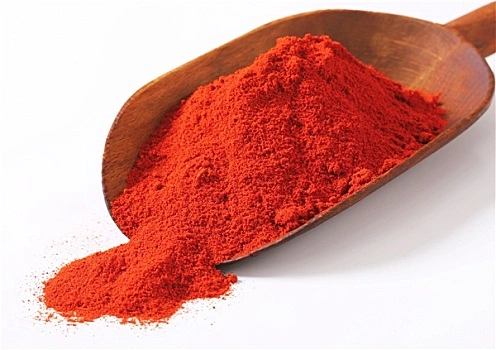
Understanding Astaxanthin Powder: Composition and Natural Sources
Astaxanthin Powder is a stable, solid form of astaxanthin (3,3'-dihydroxy-β,β-carotene-4,4'-dione), a lipid-soluble keto-carotenoid that is naturally made by the microalgae Haematococcus pluvialis. Our production process starts with supercritical CO2 extraction and then uses advanced microencapsulation technology to surround the lipophilic astaxanthin oil with hydrophilic materials like cyclodextrins or modified starches. This technical approach solves two major problems in the industry: bioavailability and oxidation instability.
Chemical Structure and Antioxidant Superiority
The structure of astaxanthin molecules has polar hydroxyl and keto functional groups on both ends. This lets the molecules cross all cell membranes. Because of its special shape, it can neutralise reactive oxygen species in both lipid bilayers and water at the same time. In some cell tests, research shows that pure astaxanthin is about 6,000 times more powerful as vitamin C and 550 times more powerful than vitamin E as an antioxidant.
Natural Versus Synthetic Distinctions
People who work in procurement need to be aware of the big differences between astaxanthin sources that are natural and those that are manmade. The natural astaxanthin from Haematococcus pluvialis mostly has the 3S,3'S stereoisomer configuration, which is better for biological activity than synthetic versions. The racemic mixture of synthetic astaxanthin, which is usually produced from petroleum, has 3S,3'S, 3R,3'S, and 3R,3'R isomers in a 1:2:1 ratio. Studies show that natural astaxanthin is more than 20 times more powerful as an antioxidant when used in humans. As part of our quality control procedures, we use chiral HPLC analysis to make sure that the dominant 3S,3'S isomer is present. This makes sure that the microalgae material you use is real.
Source Control and Purity Standards
All along our supply chain, we use strict source verification procedures. Our farming partners take care of closed-system photobioreactors that keep the environment from getting contaminated as much as possible when compared to open-pond production. Heavy metals and polycyclic aromatic molecules are less likely to be present in this controlled climate, which also keeps astaxanthin levels stable. Filter paper residue testing confirms that our Astaxanthin Powder has a lot fewer impurities than competing products. This is directly linked to better antioxidant activity and better free radical scavenging performance in finished products.
Core Health Benefits of Daily Astaxanthin Powder Use
Astaxanthin Powder can be added to daily supplement routines to promote health benefits in many ways that appeal to a wide range of consumers. Product makers and procurement managers can carefully place their products in competitive markets if they know about these benefits.
Robust Antioxidant Protection and Cellular Defense
Astaxanthin Powder effectively prevents oxidative stress in cells. Because it can traverse membranes, it protects lipid-rich brain, eye, and heart cells. In clinical investigations, daily astaxanthin supplementation effectively reduced oxidative stress indicators such malondialdehyde and 8-hydroxy-2'-deoxyguanosine. This method of cell protection slows tissue breakdown caused by reactive stress, ageing the body healthily.
Pharmaceutical firms creating antioxidant treatments and nutraceutical companies making general health products employ Astaxanthin Powder, a scientifically established substance. We ensure that heavy metals, bacteria, solvent residues, and foreign nucleic acid residues are substantially below international pharmaceutical-grade ingredient standards via quality control.
Skin Health and Cosmeceutical Applications
Astaxanthin Powder improves skin health, thus cosmetic and skincare manufacturers are adding it to more topical and ingestible beauty products. Daily supplements keep the skin moist, increase suppleness, and strengthen collagen, reducing fine wrinkles. The chemical blocks singlet oxygen and reduces sun-induced inflammation to prevent UV damage.
After 6 to 12 weeks of oral astaxanthin supplementation, researchers discovered improved skin texture and transepidermal water loss. These findings make Astaxanthin Powder excellent for beauty-from-within formulae, functional beverages that promote skin health, and cosmeceuticals for consumers who prefer natural skin care components. CWD Astaxanthin Powder may be added into water-based beverages and survive many pasteurisation processes.
Anti-Inflammatory Support and Joint Health
Astaxanthin Powder reduces inflammation by altering inflammatory signals and functioning as an antioxidant. Daily astaxanthin consumption decreases blood C-reactive protein and interleukin-6 levels, according to research. This anti-inflammatory action improves joint mobility. Active nutrition and sports healing formulations need this.
By blending Astaxanthin Powder with complementary chemicals like glucosamine or curcumin, nutraceutical businesses may create joint health solutions that function better for several parts. Our technical staff advises on recipe combinations to maximise ingredient performance and shelf life.
Cardiovascular and Metabolic Health Support
Some new research suggests that Astaxanthin Powder may help heart health in more than one way. Taking supplements every day has been linked to better lipid profiles, such as changes for the better in HDL cholesterol levels and triglyceride concentrations. Astaxanthin may also help keep blood flowing normally by improving the function of endothelial cells and lowering the oxidative damage to LDL cholesterol particles.
Food and drink companies that are making heart-healthy useful goods can use these cardiovascular benefits to set their products apart in the market. Our Astaxanthin Powder stays effective in a range of food types and preparation conditions, so it can be added to functional drinks, nutritional bars, and enriched foods without losing any of its effectiveness.
Visual Health and Eye Strain Relief
Astaxanthin and retinal pigments may build up in eye tissues, notably the macula and retina, due to their similar structures. Daily astaxanthin may improve vision, prevent screen fatigue, and perhaps protect retinal cells from blue light damage. These advantages appeal to young individuals with digital eye strain and senior persons concerned about their vision.
Astaxanthin may pass the blood-retinal barrier and accumulate in eye cells at medically significant amounts, according to eye health researchers. Astaxanthin Powder offers scientifically proved advantages and appeals to a broad variety of customer groups for supplement firms selling eye health goods.
Practical Usage of Astaxanthin Powder: Dosage, Forms, and Safety Considerations
To make good products, you need to know the best Astaxanthin Powder dosage ranges, delivery forms, and safety ratings for a variety of uses. Our technical knowledge helps procurement pros make formulation choices that are effective, cost-effective, and in line with regulations.
Recommended Dosage Ranges for Different Applications
Astaxanthin is indicated for general health at 4–12 mg per day, according to clinical trials. For some uses, higher concentrations are utilised. Nutraceuticals include 6–8 mg per dosage, which is safe and beneficial for several health concerns. Cosmetics and functional foods may utilise lower amounts (2–4 mg daily) depending on health claims and target consumers.
Our product specifications include detailed potency tests that use HPLC instead of the less accurate UV spectrophotometry method. This makes sure that your formulations deliver the right amount of active ingredient. This level of scientific rigour makes it possible to figure out the right dose and backs up product claims during regulatory review processes.
Formulation Formats and Bioavailability Optimization
Because Astaxanthin Powder is lipophilic, it needs to be delivered in a way that makes the most of its bioavailable components. Our microencapsulated powder forms solve this problem in a number of scientific ways. When mixed with the right lipid carriers, like medium-chain triglycerides or phospholipids, standard powder forms easily work into hard-shell capsules, tablets, and softgels.
For use in drinks and water, our cold-water dispersible Astaxanthin Powder has special packaging structures that make it possible for it to dissolve evenly in liquids. This technology keeps astaxanthin stable in complex beverage environments with acids, sugars, and other functional ingredients. It also keeps the antioxidant activity even after being heated and for longer periods of time.
Researchers have found that astaxanthin is much more bioavailable when it is eaten with fats. When making formulations, product makers should think about this pharmacokinetic feature. For example, they could add small amounts of healthy lipids or suggest that people eat the product with food for better absorption.
Stability Parameters and Quality Control
Keeping astaxanthin stable during production, storage, and the product's shelf life is a very important quality issue. When light, heat, and air hit raw astaxanthin oil, it breaks down quickly. As the molecule oxidises, it changes from its normal red colour to yellow. Our microencapsulation technology protects against these routes of breakdown, which greatly increases the stability of the ingredient.
Cases should keep Astaxanthin Powder away of the air and light. Keep it in a temperature-controlled room below 25°C with relative humidity below 60%. Many of our high-quality Astaxanthin Powder products include nitrogen to remove oxygen and stabilise them. HPLC testing should be part of quality control measures to ensure product potency. This ensures consumer items have enough active ingredient.
Safety Profile and Regulatory Compliance
Years of commercial usage and toxicological testing support Astaxanthin Powder's safety. We have tested our product several times using various experimental approaches and found it safe across all typical toxicity criteria. Very high dosages cause modest gastrointestinal troubles in sensitive persons, although adverse effects are uncommon.
Countries control astaxanthin differently. The US allows it as a dietary supplement ingredient, Europe as a novel food, and internationally. Our high-quality paperwork includes analytical certificates, heavy metal testing, microbiological screening, and residual solvent evidence. This aids international regulatory filing. Microorganisms, solvent residues, heavy metals, and foreign nucleic acid residues always fulfil international regulations.
Astaxanthin Powder Versus Other Antioxidant Supplements: Choosing the Optimal Solution
When making new formulations or improving existing product lines, procurement professionals often look at more than one antioxidant ingredient. Knowing what makes Astaxanthin Powder better than other antioxidant sources helps you make smart buying choices that are in line with your product marketing goals and the needs of your target market.
Bioavailability Comparisons Across Antioxidant Forms
Astaxanthin Powder absorbs better than most antioxidants when properly prepared. Astaxanthin is lipophilic and may accumulate in lipid-rich tissues such skin, eyes, brain, and circulatory systems. This differs from water-soluble antioxidants like vitamin C, which are difficult to expel and can't penetrate tissues. This tissue accumulation protects vital health regions from harm over time.
Astaxanthin's chemical structure, which includes both hydroxyl and keto groups, makes it better at crossing membranes and quenching singlet oxygen than other carotenoids like beta-carotene or lycopene. Studies that measure oxygen radical absorbance capacity (ORAC) show that astaxanthin is one of the most powerful natural antioxidants that can be used in food.
Cost-Effectiveness Analysis for Bulk Procurement
Astaxanthin Powder costs more than other antioxidants, but its high potency requires lower inclusion rates to have the same or superior antioxidant benefits. Instead of comparing costs per kilogram, procurement cost studies should include effective price changes. A 6mg dosage of high-quality Astaxanthin Powder may give antioxidant effects that would need considerably greater quantities of other substances, making up for the higher initial expense.
Astaxanthin Powder bulk cost depends on quantity, potency, and formulation. Our warehouse stocks tiny research batches to full-scale manufacturing quantities. Ship orders together to save on shipping and handling. This transparent pricing plan takes into consideration the current market and maintains quality standards regardless of order quantity.
Natural Versus Synthetic Astaxanthin: Quality and Market Considerations
The difference between natural and synthetic Astaxanthin Powder affects product positioning and consumer satisfaction. Natural astaxanthin dominates the market because customers prefer plant-based substances and it is more physiologically active. Health-conscious consumers react significantly to natural source claims, particularly in luxury supplements and cosmetics.
Synthetic astaxanthin is cheaper, but some consumers and authorities are losing faith in it. Stereochemical distinctions between natural and synthesised versions affect their efficacy. In human applications, natural 3S,3'S isomers operate better. Pure Astaxanthin Powder is great for firms who want to stand out and provide luxury goods, even if it costs more.
Capsule Versus Powder Forms: Operational Considerations
Final product manufacturers must decide whether to employ bulk Astaxanthin Powder or pre-encapsulated forms. Bulk powder lets you build unique blends using compatible ingredients and carefully regulate the quantity. This strategy works well for organisations who have been encapsulating things for a long time and earn a lot so they can acquire processing equipment at scale.
However, some suppliers provide astaxanthin tablets or beadlets that are ready to package or need minimal labour. These "turnkey" methods simplify production and require less capital, but they cost more per dosage. Procurement directors should consider how much they want to earn, how much they can create, and how they want to distinguish their goods when deciding amongst these options.
Procurement Insights: Sourcing Astaxanthin Powder for B2B Clients
Getting Astaxanthin Powder involves figuring out how to deal with complicated supplier regions, making sure that quality claims are true, and building strong supply partnerships. Our work with drug companies, cosmetic brands, food manufacturers, and research institutions has taught us a lot that procurement professionals who are new to this speciality ingredient market can use.
Supplier Evaluation and Credibility Verification
It takes more than price comparison to find reliable Astaxanthin Powder providers. Manufacturing certifications (GMP, ISO standards), analytical testing, traceability paperwork, and regulatory compliance history are significant when appraising a product. We have two GMP-, ISO, SGS, and HALAL-certified manufacturing lines, demonstrating our commitment to international quality standards.
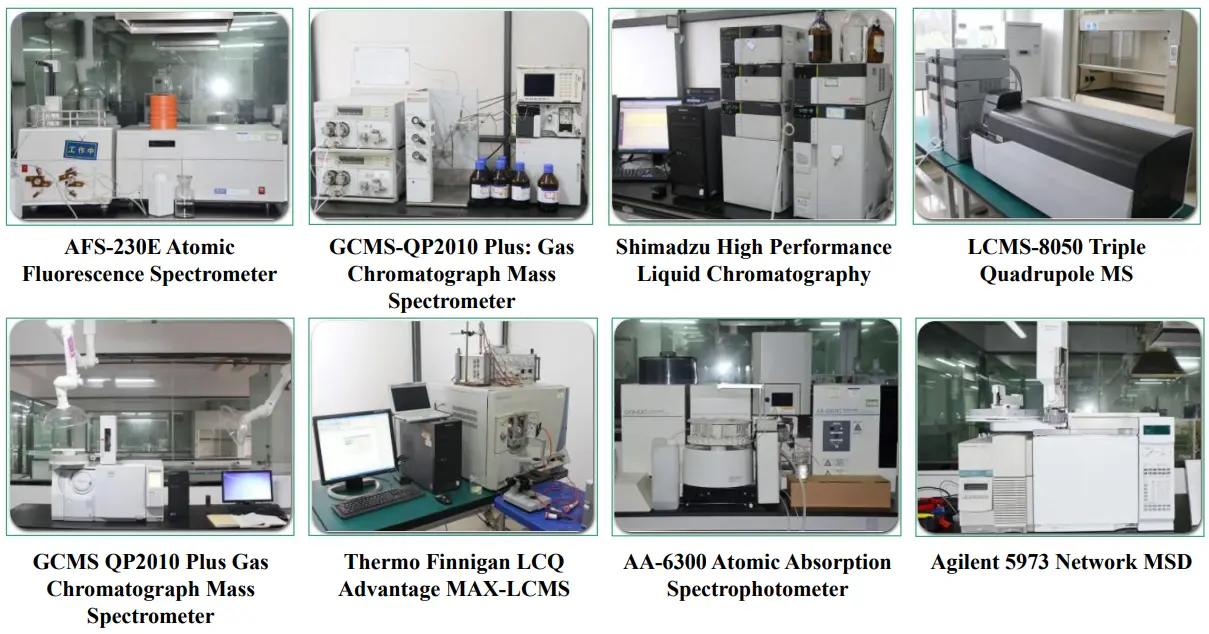
Procurement managers should request HPLC potency, stereoisomer, heavy metal, microbiological, and residual solvent certifications for each manufacturing batch. Our testing techniques exceed industry standards. We employ high-tech technology to ensure pure, natural microalgae products. Testing on filter paper residue consistently demonstrates that it is more pure than rival products, proving its free radical-extracting and protective properties.
Understanding Bulk Pricing Structures and Cost Factors
The cost of cultivating raw ingredients, utilising the suitable extraction method, producing capsules, evaluating quality, and ensuring regulatory compliance affect Astaxanthin Powder pricing. Growing microalgae is expensive, and Haematococcus pluvialis requires photobioreactors and regulated weather to produce the most astaxanthin.
The extraction procedure greatly affects product pricing. Supercritical CO2 extraction costs more than solvent-based procedures but generates a purer product without liquid residue. We've invested in modern extraction technology to ensure our products are solvent-free and fulfil the highest purity requirements for medicine and cosmetics.
Volume pricing arrange production and commodity transfers using economies of scale. We provide flexible minimum order quantities and inexpensive bulk costs for new brands testing the market and established enterprises who need a steady supply of huge volumes. Our warehouse stocking service delivers numerous plant extract ingredient orders. Repeat logistics and customs clearance costs are reduced for consumers.
International Shipping and Customs Clearance Support
Getting Astaxanthin Powder across international borders means figuring out complicated rules for international shipping, customs paperwork, and import compliance. We have long-term partnerships with FedEx, DHL, EMS, UPS, TNT, and other specialised international shipping companies. This lets us deliver packages reliably in the US, Europe, and the Asia-Pacific region, among other places.
Our transportation team handles all of the paperwork and papers needed for customs clearance so that the delivery of your products goes smoothly. This service is especially helpful for procurement professionals who haven't imported speciality ingredients before because it takes the guesswork out of customs procedures and delivery times. We take care of clearing local customs for major markets, so we can deliver directly to your facility without you having to learn how to import things.
Establishing Long-Term Supply Partnerships
Companies that employ Astaxanthin Powder in their goods must ensure supply continuity. Production interruptions or quality issues may derail plans and damage a product's image. We plan inventories, source several times, and communicate to suppliers about manufacturing schedules and supply restrictions to ensure supply chain stability.
Long-term partnerships allow us to organise production around your needs to meet demand during peak times. Our technical help includes formulation advice, stability testing suggestions, and regulatory papers to support your product development goals after purchase. This partnership helps purchasing managers build mutually productive supplier relationships.
Conclusion
Astaxanthin Powder is a multipurpose ingredient that supports antioxidant defence, skin health, circulatory health, and eye health. Astaxanthin Powder's scientifically proven health benefits are in line with what people want in natural, effective wellness ingredients. This is good news for procurement professionals who work in the pharmaceutical, cosmetic, food, and nutraceutical industries. Premium goods are different from cheaper ones because they use natural ingredients, modern extraction technology, and strict testing procedures to make them better. Our dedication to high-quality manufacturing, detailed quality documentation, and a reliable supply chain makes us a reliable partner for discerning B2B clients who want to add this amazing ingredient to their product formulations to make them better.
FAQ
1. Is daily astaxanthin powder supplementation safe for long-term use?
Many toxicological studies and decades of commercial usage support Astaxanthin Powder's long-term safety. Our product has passed various safety tests, proving its nontoxicity. Adverse effects are infrequent, and clinical trials demonstrate that daily dosages of 4–40 mg are safe for long-term use. Quality issues like heavy metals, bacteria, and residual solvents always satisfy international requirements. In daily formulations, the product is safe.
2. How does astaxanthin powder compare to krill oil for antioxidant applications?
Although both include astaxanthin, pure astaxanthin powder contains more per dosage than krill oil. Astaxanthin levels in krill oil are 0.5–1.5 mg per gram, therefore large dosages are needed. However, microencapsulated Astaxanthin Powder allows precision dosing at greater concentrations with fewer servings. Pure powder versions are cheaper and give more formulation possibilities for astaxanthin-focused enterprises.
3. What quality verification criteria should procurement managers prioritize when evaluating astaxanthin powder suppliers?
Ask for HPLC testing instead of UV spectrophotometry since HPLC only measures astaxanthin, whereas UV tests include additional carotenoids for more reliable findings. Chiral HPLC verifies the natural 3S,3'S stereoisomer majority, indicating microalgae origin. Heavy metals, PAH testing, microbiological verification, and residual solvent analysis must be done to screen for pollutants. All of these aspects are included in our analytical processes, and every manufacturing batch is tested. This satisfies pharmaceutical-grade quality assurance criteria.
Partner With Jiayuan Bio-Tech for Premium Astaxanthin Powder Supply
Jiayuan Bio-Tech sells safe Astaxanthin Powder for medication. They provide B2B assistance, innovative production tools, and tight quality control. Our product often exceeds industrial purity standards. Testing on filter paper residue shows it is purer and better at scavenging free radicals than rival products. Two GMP-certified manufacturing lines are equipped with cutting-edge testing and extraction equipment. Thus, we can ensure that every batch fulfils our rigorous heavy metal, bacterium, solvent residue, and nucleic acid contamination criteria. Our skilled technical team helps you reach your product development goals by giving you advice on formulation, suggestions for stable testing, and full regulatory paperwork. To talk about your Astaxanthin Powder needs, please email our purchasing agents at sales@jayuanbio.com or sales1@jayuanbio.com. As a well-known supplier that makes Astaxanthin Powder, we can offer you cheap bulk prices, flexible minimum order amounts, and direct customs handling services that make sure your shipment gets to your facility safely.
References
1. Ambati, R.R., Phang, S.M., Ravi, S., & Aswathanarayana, R.G. (2014). Astaxanthin: Sources, Extraction, Stability, Biological Activities and Its Commercial Applications—A Review. Marine Drugs, 12(1), 128-152.
2. Yuan, J.P., Peng, J., Yin, K., & Wang, J.H. (2011). Potential health-promoting effects of astaxanthin: A high-value carotenoid mostly from microalgae. Molecular Nutrition & Food Research, 55(1), 150-165.
3. Tominaga, K., Hongo, N., Karato, M., & Yamashita, E. (2012). Cosmetic benefits of astaxanthin on human subjects. Acta Biochimica Polonica, 59(1), 43-47.
4. Fassett, R.G., & Coombes, J.S. (2011). Astaxanthin: A Potential Therapeutic Agent in Cardiovascular Disease. Marine Drugs, 9(3), 447-465.
5. Yamashita, E. (2013). Astaxanthin as a Medical Food. Functional Foods in Health and Disease, 3(7), 254-258.
6. Capelli, B., Bagchi, D., & Cysewski, G.R. (2013). Synthetic Astaxanthin is Significantly Inferior to Algal-Based Astaxanthin as an Antioxidant and May Not be Suitable as a Human Nutraceutical Supplement. Nutrafoods, 12(4), 145-152.
You May Like
0