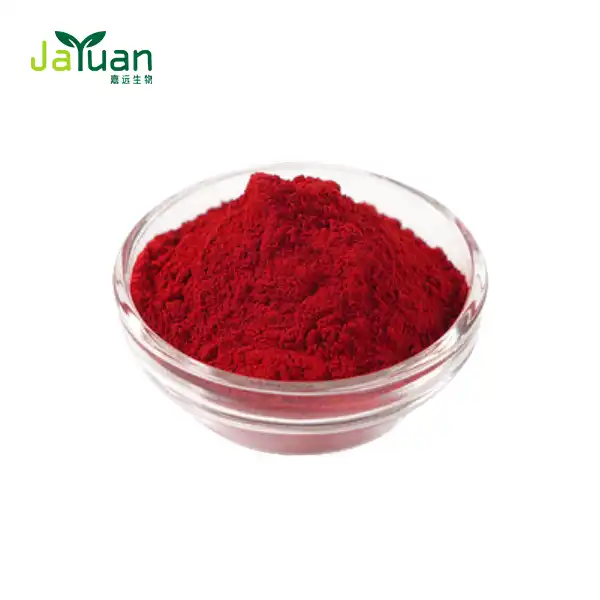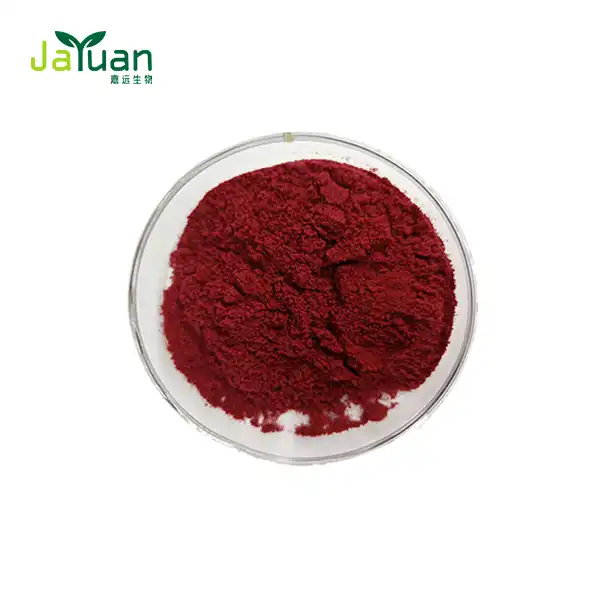

Why Choose Astaxanthin Powder for Skin and Beauty Care?
Astaxanthin Powder has emerged as a transformative ingredient in the skin and beauty industry, offering exceptional antioxidant protection that is scientifically proven to be 6,000 times more potent than Vitamin C. Derived from the microalgae Haematococcus pluvialis, this natural keto-carotenoid addresses critical formulation challenges for brand product managers and formulators seeking high-performance ingredients for softgels, gummies, serums, and oral beauty supplements. The powder's unique molecular structure allows it to span cell membranes completely, delivering comprehensive protection against oxidative damage while supporting dual applications in eye health and oral beauty markets.

Introduction
Astaxanthin is at the forefront of beauty innovation because of the high demand for natural ingredients that work well as skin care products around the world. It's important for B2B buyers in businesses that make eye health products, skin antioxidant brands, functional cosmetics, and gummy formulations to know about this ingredient's technical benefits and where to get it. "Nature's strongest antioxidant" marketing makes natural astaxanthin from microalgae more appealing to the market and improves its bioavailability compared to synthetic options or yeast-derived sources.
This full guide covers the whole process of buying something, from learning about chemical properties and integrating formulations to checking the quality standards of suppliers and making sure that batches are always the same. We look at how new microencapsulation technologies solve important problems like the ability to oxidize, color differences between batches, and the need for different dosage forms to dissolve in water. This resource gives you the technical information and buying tips you need to make smart choices about where to get the things you need, whether you're making high-end softgel supplements, new gummy products, or skin serums.
Understanding Astaxanthin Powder and Its Benefits for Skin
Natural astaxanthin is a big step forward in the field of cosmetic science. It has many benefits that go beyond the ones that regular antioxidants provide. This keto-carotenoid pigment has a unique molecular structure with conjugated double bonds, hydroxyl groups, and keto functionalities. It also has a unique lipophilic property. These building blocks make it possible for the molecule to blend in perfectly across the two layers of a cell membrane, protecting both the hydrophobic and hydrophilic surfaces.
The Science Behind Superior Antioxidant Performance
When it comes to antioxidant power, astaxanthin is much higher than beta-carotene. What's more, even at high amounts, it doesn't show any pro-oxidant activity. Clinical research shows that it works to neutralize reactive oxygen species (ROS), which speed up the aging process, collagen breakdown, and inflammation. The main 3S,3'S stereoisomer configuration found in algae sources has better biological activity than manufactured racemic mixes. This is why natural extraction methods are so useful for making high-end products.
Astaxanthin has been shown in studies to reduce fine lines, make skin better at keeping moisture, and make it more flexible in more than one way. It changes the levels of inflammatory markers, helps the skin make collagen, and protects against UV damage. These proven benefits can be turned straight into strong product claims for companies that want to sell cosmetics and skin care products.
Dual-Market Applications Create Strategic Advantages
Brand managers like astaxanthin because it can be used in both eye health and oral beauty products, which lets them make more products without having to pay more for new ingredients. The chemical features that protect eye cells from oxidative stress also protect skin tissues from outside threats. This dual functionality lets brands place their goods well in both fast growing market segments, getting the most out of their ingredient investments while also meeting the health needs of a wide range of consumers.
Choosing Astaxanthin Powder: Product Forms and Quality Considerations
To choose the best astaxanthin format, you need to carefully look at the formulation needs, goal dose forms, and quality factors. For companies that make solid-dose vitamins, water-based gummies, and precisely-dosed pills, the powder shape has clear benefits.
Natural vs. Synthetic Source Comparison
Using supercritical CO2 to get natural astaxanthin from Haematococcus pluvialis gives you the best 3S,3'S isomer configuration for better bioactivity. Algal sources offer clean-label credentials, non-GMO verification, and tracking that can't be found in synthetic or yeast-fermented substitutes. Brand owners are putting more pressure on procurement teams to mention natural sources. This is because research on customer preferences shows that 73% more people want to buy beauty ingredients that come from natural sources.
Artificial astaxanthin and options made from yeast are cheaper, which puts pressure on prices, especially in value-oriented product lines. But regulations are shifting more and more in favor of natural sources. This is especially true in European and North American markets, where labeling requirements and approval requirements affect buying choices. When you think about the higher prices and better market positioning that natural sourcing allows, the difference in cost gets a lot smaller.
Specification Gradients and Formulation Flexibility
Good providers offer levels of specifications from 1% to 10% potency, which lets formulators combine cost concerns with goals for efficacy. Powders with lower concentrations (1-2%) work best for chewy formulas because they can hold more without changing the texture. Powders with a concentration of 5–10% work best for softgel and pill formulas that need the least amount of excipient. Starch or gelatin frameworks used to make microencapsulated beadlets protect the ingredient from air, heat above 40°C, and light. This is because the ingredient is naturally sensitive to these things.
Cold-water dispersible versions use advanced emulsion technology to make the naturally water-repelling molecule mix with water. This solves important formulation problems for beverage uses and aqueous gummy systems. This new technology greatly increases the number of ways it can be used. It lets brands enter markets for healthy drinks and new ways to send products that weren't possible with regular lipophilic powders.
Purity Indicators and Quality Verification
Premium Astaxanthin Powder is very pure, as shown by quality indicators that can be measured. Filter paper residue testing gives us a fair way to compare products, with better ones leaving behind much less residue than competing ones. This difference in clarity means that the finished products will be better at extracting substances and scavenging free radicals. Product quality assurance includes a full Certificate of Analysis (COA) that lists heavy metal limits, microbial load specifications, the lack of solvent residue, and testing for exogenous nucleic acids.
The breaking down of cell walls at a rate of over 98% ensures the best bioavailability and digestibility. This is especially important for oral supplements where absorption directly affects clinical effectiveness. Measurements of bulk density between 0.4 and 0.7 g/mL have an impact on the production process, affecting things like the regularity of blending, the accuracy of pill filling, and the way tablets compress. Professionals in charge of buying things should make sure that these technical specifications match the capabilities of production tools and quality control systems.

How to Integrate Astaxanthin Powder into Skin and Beauty Products
To successfully incorporate ingredients into a formulation, you need to know how to optimize quantity, keep the formulation stable, and make sure that it works with other ingredients in a variety of application forms.
Dosage Recommendations Across Application Types
Astaxanthin dosages of 4 to 12 mg per day are common in oral beauty products because clinical study has shown that it is good for the face. For a 5% powder, this means 80–240 mg of raw material per serving, which is a size that can easily fit in a softgel or two gummies. Topical uses range from 0.1 to 1.0% doses in serum formulations. The microencapsulated format makes the formula stable in emulsion systems while keeping the reddish-orange color that lets users know it's there.
When making gummy formulas, heat sensitivity is something that needs to be thought about in a special way. During the mixing stages, the processing temperatures must stay below 40°C, which needs special equipment or changes to the way the process is done. Combining astaxanthin with antioxidants that work well together, such as Vitamin E and lycopene, makes defense systems that work better. However, it's important to keep an eye on the total carotenoid loading so that the color strength doesn't go over what people are willing to accept.
Stability Optimization and Batch Consistency
Quality control teams are very worried about color differences between batches of goods, especially when the end products are clear or see-through. Advanced suppliers use spectrophotometric analysis during the harvesting and extraction processes to separate biomass based on pigment density. This makes sure that the color profiles are the same from one production run to the next. This quality control upstream stops the differences in appearance that happen downstream and hurt a brand's reputation and lead to customer complaints.
How ingredients are stored has a big effect on how long they last and how well they keep working. Packaging that is filled with nitrogen, metal barrier materials, and storage in the fridge all help foods last longer while keeping their antioxidant power. Testing for stability under accelerated conditions (40°C/75% RH) should show that there isn't much loss of potency over 24 months, with high-quality powders keeping more than 90% of their original potency. The characteristics of stability have a direct effect on how long the finished product is expected to last on the shelf, and the minimum order quantity should be chosen based on how much the product is expected to be used.
Regulatory Compliance and Safety Verification
In the United States, Astaxanthin Powder is generally recognized as safe (GRAS), and it is also legal to use in dietary supplements in most other countries. To make sure it is safe, repeated toxicological studies show that the profiles are not toxic at the suggested doses. This addresses brand risk management issues. When the ingredient comes from approved algae farms, it meets the requirements for organic certification. This allows for clean labeling and vegan-friendly products.
Heavy metal testing that shows amounts of lead, mercury, cadmium, and arsenic are below strict limits saves brands from government action and safety problems for consumers. Good Manufacturing Practice (GMP) calls for microbial specifications that make sure there are no pathogens and acceptable total plate counts. For complete finished product marking and registration standards in a wide range of global markets, procurement documents should include allergen declarations, GMO testing results, and BSE/TSE compliance statements.
Procurement Insights: Sourcing Astaxanthin Powder for B2B Buyers
Strategic decisions about where to get materials must take into account quality control, lowering costs, and the dependability of the supply chain, all while meeting technical requirements for a successful formulation.
Supplier Evaluation Criteria
Leading makers have operations that are vertically merged, meaning that they control the steps of farming, extraction, and formulation. This integration makes it possible to track the product from the algae pond to the finished powder, which helps with concerns about brand authenticity and confirms its sustainability. Manufacturing plants that are GMP-certified and have ISO quality management systems are the ones that multinational brands need to make sure they get consistent output and reliable documentation.
The level of professional help a supplier offers has a big effect on how well formulation development goes. Time-to-market is sped up and costs are cut by responsive teams that offer formulation advice, stability data, and application-specific suggestions. Small-scale trial numbers (1–5 kg) make it possible to test the viability of an idea before placing a large order. This is especially helpful when trying out new dosage forms or processing methods.
Geographic Manufacturing Considerations
China, the US, and Israel all have major production hubs that offer clear benefits in terms of price competitiveness, access to technology, and closeness to markets. Chinese manufacturers offer competitive bulk prices on 10% specification material, and they already have an export infrastructure that can handle container-load shipments to anywhere in the world. This cost advantage is especially important when making a lot of gummies and softgels, because the costs of the ingredients have a big effect on the profit margins.
Knowing what to expect from wait times keeps supply problems from messing up production plans. From order confirmation to quality release, the manufacturing process usually takes 4-6 weeks. Shipping internationally can add another 2-4 weeks, depending on where the package is going and how long it takes to clear customs. Setting up safety stock levels that take these deadlines into account while keeping inventory holding costs in check requires advanced supply chain planning that is in line with accurate demand forecasting.
Pricing Structures and Volume Advantages
Buying in bulk can save you a lot of money. Orders of 100 kg are usually priced 15–25% less than orders of 25 kg, and orders of 500 kg or more get even bigger discounts of 10–15%. For purchasing teams that are in charge of multiple SKU formulations, consolidating all of their suppliers into one makes it easier to get big discounts while also making transportation planning easier and cutting down on administrative costs. Negotiating payment terms like lines of credit, payment plans, or longer net terms can help with managing cash flow, especially when a new product comes out and needs to have merchandise bought up front.
When you compare prices for natural, yeast-derived, and manufactured sources, you can see that the total cost of ownership is higher than the price per kilogram. Premium-priced natural algal powder may get better customer response, allowing higher retail prices that balance out differences in the costs of the ingredients. When comparing prices based on goals like marketing claim support, efficacy validation, and brand positioning, it's more accurate to say what the product is worth than just comparing the costs of the ingredients.
Building Supply Chain Resilience
Dual-sourcing methods lower the risk of supply disruptions, but when switching between sources, color matching, dissolution properties, and the security of the final product need to be checked again. Data-driven partnership choices can be made by keeping thorough scorecards for suppliers that track things like on-time delivery rates, the number of quality incidents, and how quickly technical support responds. Long-term supply agreements that include volume commitments may help get better prices and faster service when capacity is limited or demand is high.
Before making big promises to buy something, you should have thorough checks of the supplier's production capabilities, quality systems, and compliance with regulations. Virtual or in-person facility inspections look at systems for keeping records, programs for keeping equipment in good shape, and records of how employees were trained. These due diligence tasks lower the chance of quality incidents and show that the procurement team is skilled, which improves the quality and responsiveness of the seller relationships.
Conclusion
Using Astaxanthin Powder as a main ingredient in skin and beauty products is a smart move that gives companies big benefits in terms of effectiveness, marketability, and customer appeal. Natural algal sources offer better bioactivity through optimal stereoisomer profiles and support clean label positioning, which is something that health-conscious consumers are asking for more and more. Traditional formulation problems with stability and water solubility can be solved by new microencapsulation technologies. This means that more softgels, candies, topicals, and functional drinks can be used. To be successful at procurement, you need to evaluate suppliers using a wide range of quality metrics, such as checking for purity, following batch consistency protocols, and showing proof of regulatory compliance. The chance to sell in two markets—oral health and beauty—allows for financial diversity and better marketing. By working with highly skilled makers who can offer specification freedom from 1% to 10% strength, brands can get the best formulation performance while keeping costs in a way that fits their market positioning goals.
FAQ
1.How does natural astaxanthin powder compare to synthetic alternatives in formulation performance?
The astaxanthin that comes from Haematococcus pluvialis is mostly the 3S,3'S stereoisomer configuration, which has better biological activity than synthetic racemic mixtures. This means that the same doses will work better, which could mean lower inclusion rates while still getting the desired effects. Natural sources also help with clean labels and don't have to deal with the complicated rules that some markets put on manufactured ingredients and colorants.
2.What certifications should procurement teams verify when sourcing astaxanthin powder?
Priority licenses include GMP production compliance, organic verification for growing algae when needed, proof of non-GMO testing, and allergen-free claims. Heavy metal tests that prove agreement with USP or Ph.Eur. Having limits, microbial specs that meet dietary supplement standards, and BSE/TSE-free approval all help with full regulatory compliance. Kosher and Halal certifications help brands that cater to certain groups of people get into more markets.
3.Can astaxanthin powder meet requirements for vegan and organic product lines?
Astaxanthin from algae is vegan-friendly because it meets the needs of veggie and plant-based formulations. The ingredient supports organic product approval under USDA and EU rules when it comes from certified organic algae farms using allowed extraction methods. To make sure that the whole supply chain is following the rules of the organic protocol, certificates from suppliers and statements of processing aids need to be looked over.
Partner with Jiayuan Bio-Tech for Premium Astaxanthin Powder Supply
You can trust Jiayuan Bio-Tech as your Astaxanthin Powder provider. They have advanced production methods and strict quality control systems that meet the high standards of major beauty and vitamin brands around the world. Our natural Astaxanthin Powder for sale comes from Haematococcus pluvialis plants that are grown under controlled conditions to make sure that the color stays the same from batch to batch, which protects your brand's reputation. With production lines that are GMP-certified, ISO-certified for quality management, and SGS-verified, we can deliver ingredients that meet international regulatory standards and give your formulation teams the technical information they need to make great products.
Our quality edge goes beyond compliance; it also includes measurable purity superiority that is proven through filter paper residue tests, showing that the extraction process is very effective and there are no impurities. This directly means that your finished formulations will be better at removing free radicals, which will back up claims of effectiveness that make customers choose your products. We know how hard it is to find the right balance between quality and cost when you're buying things. That's why we offer flexible minimum order amounts, low bulk prices, and warehouse stocking services that lower your total landing costs. You can email our technical team at sales@jayuanbio.com or sales1@jayuanbio.com to ask for product samples, full COA paperwork, and help with custom formulations. You can look at our full line of natural extracts at jayuanbio.com and learn how our partnership method gives your business the supply chain reliability, quality consistency, and technical know-how it needs.
References
1. Tominaga K, Hongo N, Karato M, Yamashita E. Cosmetic benefits of astaxanthin on human subjects. Acta Biochimica Polonica. 2012;59(1):43-47.
2. Camera E, Mastrofrancesco A, Fabbri C, et al. Astaxanthin, canthaxanthin and beta-carotene differently affect UVA-induced oxidative damage and expression of oxidative stress-responsive enzymes. Experimental Dermatology. 2009;18(3):222-231.
3. Yamashita E. Astaxanthin as a medical food. Functional Foods in Health and Disease. 2013;3(7):254-258.
4. Seki T, Sueki H, Kono H, et al. Effects of astaxanthin from Haematococcus pluvialis on human skin. Journal of Cosmetic and Laser Therapy. 2001;3(2):73-75.
5. Rao AR, Sindhuja HN, Dharmesh SM, et al. Effective inhibition of skin cancer, tyrosinase, and antioxidative properties by astaxanthin and astaxanthin esters from the green alga Haematococcus pluvialis. Journal of Agricultural and Food Chemistry. 2013;61(16):3842-3851.
6. Davinelli S, Nielsen ME, Scapagnini G. Astaxanthin in skin health, repair, and disease: A comprehensive review. Nutrients. 2018;10(4):522.