

What Makes Astaxanthin Powder a Popular Natural Antioxidant?
Astaxanthin powder has gained a reputation as one of the most powerful natural antioxidants on today’s nutraceutical and cosmetic ingredient markets. The keto-carotenoid ingredient is mostly produced from the microalgae Haematococcus pluvialis and has an antioxidant activity that is predicted to be up to 6,000 times stronger than Vitamin C and approximately 550 times more efficient than Vitamin E. Astaxanthin powder offers a scientifically validated clean-label solution for brand managers and formulation chemists seeking ingredients to supply eye health supplements, oral beauty products or functional skincare actives that meet both consumer demand and formulation performance requirements simultaneously.
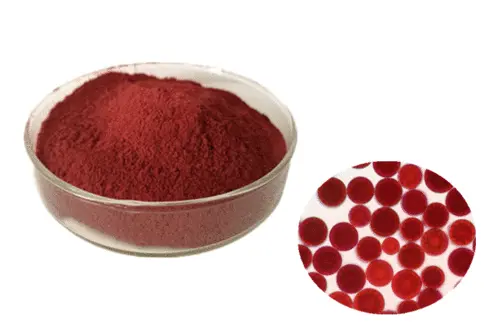
Understanding Astaxanthin Powder: Composition and Health Benefits
The Molecular Advantage Behind Its Antioxidant Power
The molecular framework of astaxanthin is rather strange. Astaxanthin possesses polar groups on both ends of the polyene chain, unlike beta-carotene and lycopene. This makes it able to pass right through the complete lipid bilayer of a cell membrane. Due to its structure, the substance can neutralise reactive oxygen species (ROS) both within and outside the cell simultaneously, which is not something most carotenoids can do. This is why astaxanthin powder has become the most popular ingredient for treatments designed to tackle oxidative stress-related disorders like UV-induced skin ageing, weariness of eyesight, and strain of the macula.
Key Health Benefits Backed by Research
This substance is supported by periodically expert peer reviewed studies showing its functional benefits in two high development market segments. A clinical trial published in the journal Molecular Nutrition & Food Research in 2011 found that frequent astaxanthin administration significantly increased skin’s elasticity and moisture retention. Another study in Nutrients (2020) indicated that those who took astaxanthin supplements for 4 weeks had superior vision and less eye strain.
The most important benefits to B2B formulators are:
- Eye health support Astaxanthin powder has been shown to improve accommodation amplitude and reduce digital eye strain, making it ideal for softgel and gummy supplement formulas targeting those who spend most of their day in front of a screen.
- Skin vitality promotion: As an oral beauty agent, helps to reduce UV induced skin damage, preserves collagen and makes skin tone more even, extremely good for beauty-from-within lines.
- Systemic antioxidant defence: crosses the blood-brain barrier and the blood-retinal barrier, making it the most useful carotenoid active for overall health formulations.
Because of these qualities, astaxanthin powder is one of the few ingredients that can legitimately help with both eye health and oral beauty at the same time. This is a big plus for brands that want to make more than one claim.
Comparing Astaxanthin Powder with Related Products and Alternatives
Natural vs. Synthetic vs. Yeast-Derived Sources
Not all forms of astaxanthin are the same. There are three main types of sources on the market: Haematococcus pluvialis (naturally derived from algae), Phaffia rhodozyma (derived from yeast), and chemically made forms. The astaxanthin powder that comes from seaweed mostly contains the free (3S, 3'S) stereoisomer, which is the form that the body can use best. Synthetic forms, on the other hand, have a racemic mix of stereoisomers that are less biologically active. Sources from yeast are about average in price, but they aren't as pure in isomers as sources from algae.
When it comes to labels and customer trust, algal-sourced astaxanthin powder is still the gold standard for brands that sell high-end nutritional and cosmetic ingredients, especially those that sell on Amazon or through specialty health stores.
Powder vs. Oleoresin: A Practical Formulation Comparison
Raw astaxanthin oleoresin is thick, doesn't like water, and breaks down quickly when it comes in contact with light or heat. Astaxanthin powder, which is made through supercritical CO₂ extraction and then microencapsulation with carriers like modified starch or gum arabic, directly addresses these drawbacks. In dry-blend uses, the powder format allows for exact dosing. In CWS grades, it supports cold-water dispersibility, and it significantly improves shelf life by protecting the conjugated double bond structure from singlet oxygen attack. The powder form is the most useful choice for hard capsules, tablets, and gummies.
Sourcing and Procurement: How to Buy Astaxanthin Powder for Business Needs
What Certified Suppliers Should Provide
When purchasing workers look at a seller of astaxanthin powder, they should focus on the following verification criteria:
- COA transparency: Certificates of Analysis should confirm the amount of heavy metals, microbes, solvent residues, and exogenous nucleic acid residues that are within the limits set by international law.
- Specification range: A trustworthy provider provides concentration gradients ranging from 1% to 10% astaxanthin content to meet the needs of different formulations such as softgels, candies, and topical actives.
- Batch color consistency: RGB or spectrophotometric data across production runs is very important for finished product names. Changes in the color of red-orange coloring ingredients have a direct effect on how the final product looks and how well the brand is known.
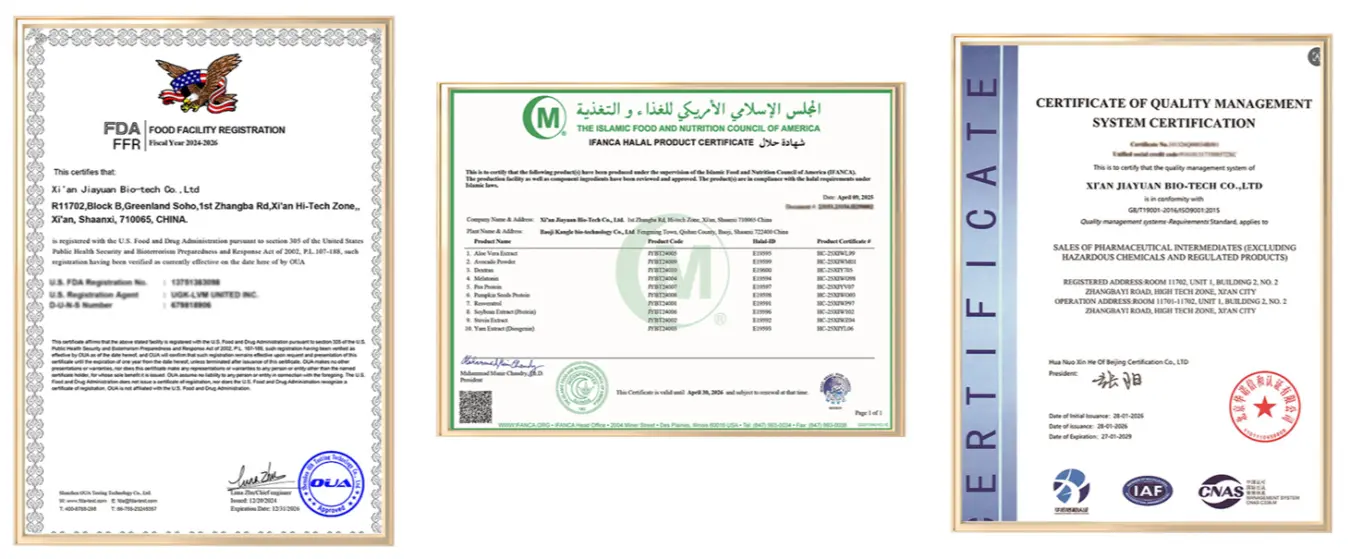
- GMP-certified manufacturing: For chemicals to be sold in controlled supplement markets in the EU or US, they must have ISO certification and GMP-standard production lines.
These factors help buying teams lower the chance of getting low-quality ingredients that don't work well in stability tests or don't pass governmental review when they try to get into a new market.
Integrating Astaxanthin Powder into Your Product Portfolio
Application Scenarios Across Key Industry Segments
Astaxanthin powder can be used in a lot of different types of products that are all growing quickly in the US market right now. Because it flows easily and can be dosed accurately, it works well in nutraceuticals for both softgels and hard capsules. When used in functional gummy forms, CWS-grade astaxanthin powder spreads evenly and doesn't leave behind any oily residue. This keeps the color consistency and visual appeal that gummy brands need. It is an active ingredient in cosmeceuticals that helps make skin formulas that protect against UV rays and collagen damage.
The ingredient is also being used more and more in high-end pet supplements, especially for joint and coat health. On e-commerce sites, natural color stability and antioxidant claims are becoming important ways to set products apart.
Why Astaxanthin Powder Stands Out as the Preferred Natural Antioxidant
Verified Purity and Safety Performance
At Jiayuan Bio-Tech, our astaxanthin powder goes through a strict quality check that takes place over several stages. Microorganisms, solvent residues, heavy metals, and exogenous nucleic acid residues are all kept below tight compliance limits. Our filter paper residue test always shows that our extraction is more pure than competing goods. This is a clear sign that our active ingredients are cleaner and better at removing free radicals. The ingredient has been tested many times and found to be safe and non-toxic. This gives formulation teams the peace of mind to move forward with long development cycles without worrying about safety.
We offer astaxanthin powder in a range of concentrations, from 1% to 10%. Brands that want to make a lot of it can get bulk pricing at higher concentrations. Batch color data can be tracked, and we support private-label OEM workflows by letting you see a sample before you commit to an order.
Conclusion
Astaxanthin powder is a powerful antioxidant that has been shown to improve eye health, oral health, and the effectiveness of supplements. It is molecularly unique, and the powder form makes it useful. This makes it a strategic active for brands that want to stand out in the competitive US nutritional and skincare markets. Verified purity, regular batch quality, and a provider that can consistently grow should be at the top of your list when making sourcing choices. This ingredient can be a long-term asset for all of your products if you work with the right partner.
FAQ
1.Is astaxanthin powder safe for long-term use in dietary supplement formulations?
Yes. Astaxanthin from Haematococcus pluvialis has been looked at and found to be Generally Recognized As Safe (GRAS) by the right authorities to be used in supplements. Multiple safety tests on our astaxanthin powder have shown that it is safe, with all chemical factors staying within acceptable ranges. It's safe and can be used in vitamins that people are supposed to take regularly.
2.How should I choose between natural algal-derived and synthetic astaxanthin for my formulation?
Astaxanthin powder made from algae is biologically active (3S, 3'S) stereoisomer that is best for human use and supports clean-label claims. Synthetic sources have a racemic mix that is less bioavailable and can't be placed in a natural position. Astaxanthin powder from algae is the best choice for brands that want to compete in the US premium supplement or cosmetics market.
3.How do I ensure consistent batch quality when sourcing at scale?
Ask for COA paperwork that lists the amount of heavy metals, microbes, solvent leftovers, and color spectrum data for each run. Work with providers whose production lines are GMP-certified and who can give you info on how to compare batches from the past. Having consistent color measurement data saves the look of your finished product and lowers quality problems later on.
Partner With Jiayuan Bio-Tech for Premium Astaxanthin Powder Supply
Jiayuan Bio-Tech is a reliable company that makes astaxanthin powder and sells it to vitamin and skincare brands in the US and around the world. Because we sell directly from the factory and offer flexible standard gradients (1%–10%) and solid OEM support, we are the best choice for brands that want to scale up their production. Send us an email at sales@jiayuanbio.com or sales1@jiayuanbio.com to get a sample or bulk price right away. You can also find full product information at jayuanbio.com.
References
1. Guerin, M., Huntley, M. E., & Olaizola, M. (2003). Haematococcus astaxanthin: Applications for human health and nutrition. Trends in Biotechnology, 21(5), 210–216.
2. Tominaga, K., Hongo, N., Karato, M., & Yamashita, E. (2012). Cosmetic benefits of astaxanthin on human subjects. Acta Biochimica Polonica, 59(1), 43–47.
3. Iwamoto, T., Hosoda, K., Hirano, R., Kurata, H., Matsumoto, A., Miki, W., & Kamiyama, M. (2000). Inhibition of low-density lipoprotein oxidation by astaxanthin. Journal of Atherosclerosis and Thrombosis, 7(4), 216–222.
4. Nakagawa, K., Kiko, T., Miyazawa, T., Burdeos, G. C., Kimura, F., Satoh, A., & Miyazawa, T. (2011). Antioxidant effect of astaxanthin on phospholipid peroxidation in human erythrocytes. British Journal of Nutrition, 105(11), 1563–1571.
5. Ambati, R. R., Phang, S. M., Ravi, S., & Aswathanarayana, R. G. (2014). Astaxanthin: Sources, extraction, stability, biological activities, and its commercial applications — A review. Marine Drugs, 12(1), 128–152.
6. Naguib, Y. M. A. (2000). Antioxidant activities of astaxanthin and related carotenoids. Journal of Agricultural and Food Chemistry, 48(4), 1150–1154.
You May Like
0