How do I choose the best diosgenin powder for hormone support?
When selecting the correct Diosgenin Powder for hormone support formulations, there are four basic variables to consider: purity level, botanical source, extraction process, and supplier certificates. Typically, pharmaceutical-grade material is tested to be 98% pure or higher and comes with a Certificate of Analysis (COA) from an accredited lab. Pick what fits your development goals, whether you are making nutraceutical supplements, pharmaceutical intermediates or cosmetic actives. B2B buyers want to be assured of quality before they place bulk orders and third-party testing and GMP-certified manufacturing provide the assurance.
Botanical source: yam
Part of used: Rhizomes
Specs Available: ≥98% HPLC
Melting Point: ≥195℃(95%)
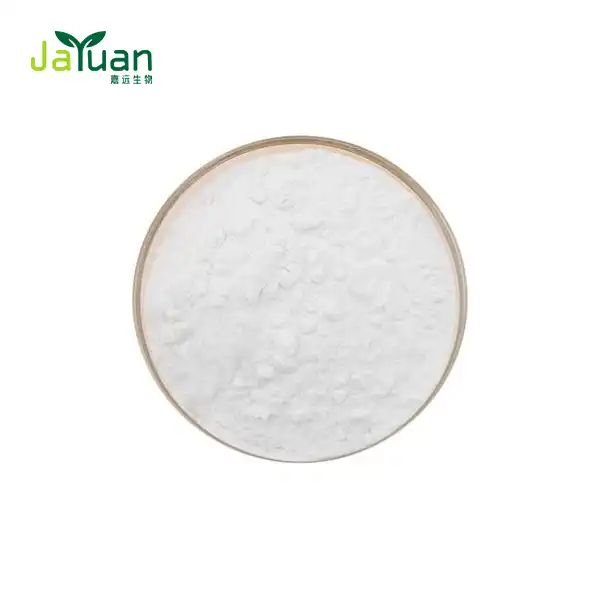
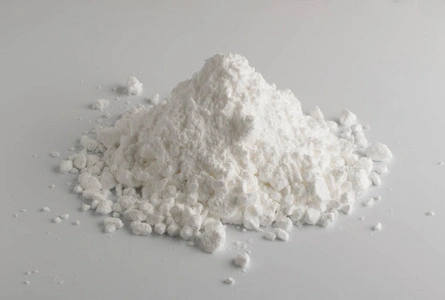
Appearance: White Powder
CAS NO.: 512-04-9
Molecular Weight: 414.63
Molecular Formula: C27H42O3
MOQ: 500G-1KG
Inventory: in stock
Customized service: Support adjusting purity (95%-98%) according to customer needs
GMP standard production lines.
Payment: 100% TT in advance
Certificaions: FSSC2000/ISO2000/HALAL/KOSHER/HACCP
Delivery terms: FedEx, DHL, EMS, UPS, TNT, all kinds of the airline, international shipping companies.
Free sample is available.
We do not sell retail quantities to individuals.
Understanding Diosgenin Powder and Its Role in Hormone Support
Diosgenin Powder is a naturally occurring steroidal saponin extracted primarily from wild yam (Dioscorea species) and fenugreek seeds. For companies developing hormone-support products, this compound matters because it serves as a biochemical precursor in steroid hormone synthesis pathways. Its molecular structure — a spirostanol skeleton with specific hydroxyl groups — allows it to interact with enzymes involved in endogenous hormone production, making it valuable for formulations targeting menopause support, androgen balance, and broader endocrine health.
The Biochemical Profile of Diosgenin
Research published in Biomedicine & Pharmacotherapy (Patel et al., 2018) suggests that the steroidal saponin structure of diosgenin is responsible for its hormone-related bioactivity. It works on particular cell receptors and enzyme systems to boost the body's natural hormone manufacturing routes instead of delivering synthetic hormones directly. Research published in peer-reviewed journals has also shown anti-inflammatory and metabolic advantages outside of endocrine applications, such as possible glucose control benefits in PLoS ONE (Ghosh et al., 2014), expanding its applicability beyond product categories.
Applications Across Industries
High-purity Diosgenin serves as the starting material for the synthesis of steroid drug compounds by pharmaceutical manufacturers. Nutraceutical companies are including it in dietary supplements designed for hormonal balance at all ages. In the cosmetics sector it is used in anti-aging and skin-renewal formulations for its anti-inflammatory effects. “Quality evaluation is critical for B2B procurement teams sourcing raw materials because demand comes from across industries.
Key Criteria for Choosing High-Quality Diosgenin Powder
Choosing the proper Diosgenin powder is a simultaneous assessment of various technical aspects. Purity concentration has a direct impact on formulation effectiveness and batch uniformity. The botanical source and extraction process may impact the bioavailability and safety characteristics, both of which are important to manufacturers.
Here are some of the requirements that differentiate premium-grade material from the typical options:
1. Standards of Purity and Concentration: High-grade Diosgenin Powder should have a purity of 95% or more, and pharmaceutical-grade material should reach 98-99%. Materials of lower purity nevertheless contain remnants of saponins and chemicals of the plant matrix that hamper downstream formulation. Standardised purity results in consistent outcomes batch to batch in manufacturing . It takes the formulation variations and quality control problems out . Scalability of production may be maintained and better levels of purity achieved by suppliers using modern purification processes such as simulated moving bed (SMB) chromatography.
2. Verification of the botanical source. The two major sources, wild yam (Dioscorea villosa) and fenugreek (Trigonella foenum-graecum) have different chemical profiles. Wild yam usually has a larger content of diosgenin, but fenugreek has other phytonutrients. Risk of pesticide and heavy metal exposure is reduced by organic growing techniques. The paperwork for traceability should include the location of harvest, technique of cultivation and date of processing. Suppliers who are vertically integrated and situated close to key growth areas, such as the Qinling Mountains in China, have greater control over raw materials and may provide more competitive pricing.
3. Extraction and Processing Methods: The quality of the final product is greatly influenced by modern extraction technology. The ultrasonic-assisted and dynamic countercurrent techniques have an extraction efficiency 30–50 % greater than that of the classic maceration, with reduced solvent use. Facilities with Distributed Control Systems (DCS) maintain accurate pH, temperature and solvent ratios to ensure batch to batch consistency. The solvent recovery systems that remove >90% of ethanol and methanol minimise environmental impact and manufacturing expenses.
These technical parameters directly affect formulation performance. In assessing suppliers, producers should get thorough processing requirements and confirmation of facility certification.
Certification and Compliance Requirements
A Certificate of Analysis (COA) details batch specific quality testing for purity, microbial counts and heavy metal content. GMP (Good Manufacturing Practice) certification demonstrates compliance with pharmaceutical production standards recognised in the US, EU and other major regulatory markets. ISO certification is a quality management system in compliance. Testing by a third party independent authorised laboratory gives the product an extra layer of verification, increasing consumer trust.
Suppliers that use multiple methods of quality control (inline near infrared (NIR) spectroscopy monitoring as well as offline HPLC and GC-MS testing) are more reliable and provide better regulatory compliance guarantee.
Physical Form and Packaging Considerations
The bulk powder form provides the most flexibility and cost effectiveness for large-scale formulation. Moisture content below 0.5% will prevent degradation, and when combined with nitrogen-flushed, sealed packaging, shelf life will extend beyond 36 months. Physical qualities (particle size distribution, flowability) influence the homogeneity of the mixture with other components and the compatibility with the processing equipment.
Comparing Diosgenin Powder with Alternative Supplements
Knowing how various forms of Diosgenin Powder compare allows producers to choose the optimum grade of ingredient for certain applications. Concentration consistency, bioavailability and supply chain dependability vary widely by product type.
Diosgenin Extract vs. Pure Powder
Standardised extracts are typically 40-60% total saponins, of which only a fraction is diosgenin. The pure powder has a concentrated active substance with a diosgenin level of over 95%. This allows for accurate dosage and formulation control. The high purity powder is useful in pharmaceutical applications where accurate ratio of compounds are needed. However, certain nutraceutical products could choose for broader-spectrum extracts to capitalise on synergistic plant ingredients. The cost factor favours extracts for consumer grade supplements . Investing in pure material makes sense for pharmaceutical and clinical grade products.
Whole Plant Powders vs. Isolated Compounds
Wild yam root powder and fenugreek powder contain naturally occurring diosgenin along with fibre, vitamins and other phytonutrients, usually about 1-3% diosgenin. It takes much larger quantities to reach the same levels of the active compound. Isolated diosgenin has a greater concentration and formulation flexibility, but lacks the co-occurring chemicals present in entire plant materials. The decision is based on product positioning, target market expectations and production capability.
Supply Chain and Consistency Factors
Enhanced lot consistency and price stability from vertically integrated suppliers with contract growing for Pure Diosgenin Powder. Whole plant materials are more prone to seasonal volatility and harvest-dependent quality variation. If you need to produce something all year long, you should work with suppliers that have a lot of stock and different ways to ship. Some vendors have a competitive advantage because of patent-protected purifying processes. The quality requirements are difficult to imitate.
How to Procure the Best Diosgenin Powder for B2B Needs
Strategic procurement is not mere price comparison but also assessment of supplier’s capabilities, quality verification protocols and potential for long-term partnership. The manufacturers sourcing Diosgenin Powder use a comprehensive evaluation framework, considering both technical and commercial criteria.
Supplier Qualification and Verification
Good suppliers are transparent and will let you audit their facilities, provide full documentation and responsive technical support. MOQ should suit your production scale from small research runs to full production manufacturing. Pricing models based on volume allow for cost optimisation while maintaining quality. We provide logistics support, such as customs clearance help, agreements with major carriers (FedEx, DHL, EMS, UPS, TNT) and warehouse services to expedite foreign purchase.
Quality Verification Protocols
Testing before you buy decreases the risk of sourcing and confirms what the seller tells you. Ask the COA for the proposed lots and check the specs versus what you need to formulate. Independent third party testing at an accredited laboratory provides neutral verification of purity, contaminants and compound identity. Define acceptability standards for minimum purity levels, maximum levels of heavy metals, microbiological counts, and limitations of residual solvents.
We ensure compliance with EP/USP pharmacopeial standards with a combination of inline near-infrared spectroscopy for real-time monitoring and offline HPLC and GC-MS for full batch testing, providing a strong quality control method.
Customization and OEM Capabilities
Custom specifications, in pharmaceutical-grade (≥99%), cosmetic-grade (≥95%) or application-specific variations, give critical flexibility for formulations that need precise characteristics. Customising in small batches lets you create products and test markets before you make big production commitments. Brand owners may outsource production via OEM processing services, while still retaining control over quality and protecting intellectual property. Flexibility to produce must be there to handle bulk ingredient supply as well as completed product manufacture for private label.
Ensuring Safe and Effective Use of Diosgenin Powder
Responsible usage of Diosgenin Powder Responsible usage means recognising dose guidelines, possible interactions, and legal considerations. These considerations are protective of both manufacturers and end users and support product efficacy claims.
Dosage Guidelines and Application Protocols
Most commercial formulations contain 25–100 mg of high purity diosgenin per serving depending on product type and intended use. In hormone support supplements, the doses are frequently backed by clinical research. Bioavailability boosting delivery strategies such as liposomal encapsulation or coformulation with absorption cofactors maximise physiological benefits. Clear use instructions and serving size recommendations assist to guarantee correct customer use and pleasure with the product.
Interaction Awareness and Contraindications
Formulators should be aware of possible interactions with hormone-related and endocrine-affecting drugs. Pregnant women and those with hormone-sensitive conditions should exercise care or seek expert advice before using goods containing this component. Transparency on proper usage and contraindications improves customer trust and mitigates liability risks. Product development teams benefit from the involvement of regulatory experts and healthcare professionals in the formulation design process.
Regulatory Compliance Across Markets
To sell in the US, dietary supplement manufacturers must comply with FDA rules including restrictions on structure-function claims and adherence to Current Good Manufacturing Practice (cGMP) standards. Market entry in the EU needs a Novel Food assessment and compliance with food supplement regulations. Proper health claim disclaimers and list of ingredients and concentrations labelled accurately. Safety, quality and identity documentation enables regulatory filing and customs processing. ISO, SGS and HALAL certifications provide access to the worldwide market, while specialist regulatory affairs teams allow customers to manage country-specific compliance needs.
Conclusion
Choosing the best Diosgenin Powder means paying attention to purity standards, botanical sources, extraction methods, and supplier qualifications, all of which should be in line with your specific production needs. Hormone support formulations are best made from material tested for 95%+ purity from GMP accredited facilities. Strategic supplier alliances provide technical assistance, flexible logistics and complete quality assurance, allowing firms to build competitive goods that satisfy worldwide regulatory requirements. In the end, the investment in quality materials and dependable suppliers will pay off in better product performance and a stronger reputation for the brand.
FAQ
1.Is Long-Term Use of Diosgenin Products Safe?
Clinical trials demonstrate the safety of diosgenin-containing formulations when used as advised. Long-term supplementation studies have shown few harmful effects in healthy people. “Everyone is different based on the dose, quality of product and your health status. Manufacturers are advised to undertake stability testing and set suitable shelf-life standards to guarantee product quality throughout the distribution chain.
2.Can Diosgenin Powder Be Incorporated Into Custom Formulations?
High purity powder forms integrate well into a range of formulation types, including capsules, tablets, functional drinks and topical treatments. The compound is stable under normal processing conditions allowing for multiple delivery formats. Custom development services allow for accurate ratio modification, synergistic combination of ingredients and delivery system optimisation. Technical help on formulation issues and processing concerns might be offered by experienced providers.
3.How Can I Verify Supplier Product Authenticity?
Request detailed COA documentation including HPLC chromatograms to verify identification and purity of chemical. Third-party independent testing of supplier claims at recognised labs for objective verification. Validation is further supported by facility audits and certification documents. Track record of suppliers with proven experience in the industry and customer references demonstrate reliability. Bulk purchasing and pre-shipment sample testing: This dramatically reduces sourcing risk.
Partner with Jiayuan Bio-Tech for Premium Diosgenin Powder Supply
Jiayuan Bio-Tech supplies pharmaceutical-grade Diosgenin Powder tested at 95%+ purity with comprehensive quality certifications. Here is what sets our supply apart:
- Advanced extraction technology: Ultrasonic-assisted methods and simulated moving bed chromatography achieve 30–50% higher efficiency than traditional techniques, with 90% solvent recovery for environmental sustainability.
- Geographic advantage: Our facility near the Qinling Mountains cultivation zone enables end-to-end raw material quality control — from harvest through final processing.
- Flexible production: From bulk ingredient supply to small-batch customization and OEM processing, we accommodate diverse client requirements.
- Global compliance: ISO, GMP, and SGS certifications meet US and EU market requirements. We also hold HALAL certification for broader market access.
- Logistics support: Partnerships with FedEx, DHL, EMS, UPS, and TNT, plus customs clearance assistance, ensure direct delivery to your facility worldwide.
Ready to source high-quality Diosgenin Powder? Contact our team at sales@jayuanbio.com or sales1@jayuanbio.com to request samples, discuss custom formulations, or explore OEM processing options.
References
1. Patel, S., Homaei, A., Raju, A.B., and Meher, B.R. (2018). Estrogen: The necessary evil for human health and ways to tame it. Biomedicine & Pharmacotherapy, 102, 403-411.
2. Raju, J., and Mehta, R. (2009). Cancer chemopreventive and therapeutic effects of diosgenin, a food saponin. Nutrition and Cancer, 61(1), 27-35.
3. Ghosh, S., More, P., Derle, A., Patil, A.B., Markad, P., Asok, A., Kumbhar, N., Shaikh, M.L., Ramanamurthy, B., Shinde, V.S., Dhavale, D.D., and Chopade, B.A. (2014). Diosgenin from Dioscorea bulbifera: Novel hit for treatment of type II diabetes mellitus with inhibitory activity against α-amylase and α-glucosidase. PLoS ONE, 9(9), e106039.
4. Ramalingam, M., and Kim, S.J. (2012). Reactive oxygen/nitrogen species and their functional correlations in neurodegenerative diseases. Journal of Neural Transmission, 119(8), 891-910.
5. Sethi, G., Shanmugam, M.K., Warrier, S., Merarchi, M., Arfuso, F., Kumar, A.P., and Bishayee, A. (2018). Pro-apoptotic and anti-cancer properties of diosgenin: A comprehensive and critical review. Nutrients, 10(5), 645.
6. Zhao, H., Zeng, Z.L., He, J., and Yang, B. (2013). Anti-inflammatory activity and structure-activity relationships of natural diosgenin and synthetic derivatives. Molecules, 18(11), 14174-14185.