
How Astaxanthin Powder Works as a Powerful Carotenoid
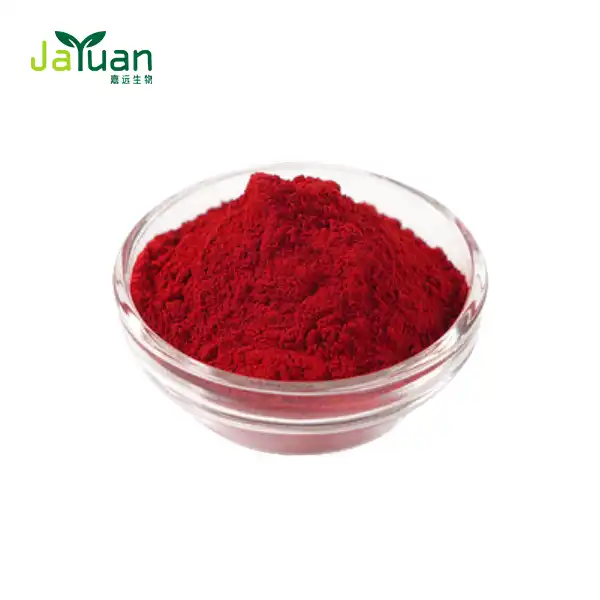
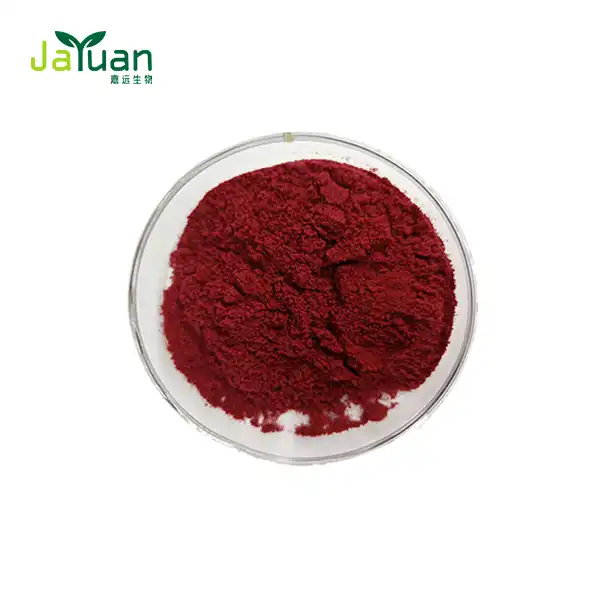
Astaxanthin powder is a keto-carotenoid mostly obtained from the microalgae Haematococcus pluvialis, the gold standard source in nutraceutical and cosmeceutical sectors. Astaxanthin powder differs from regular carotenoids in that its unique molecular arrangement enables it to cover the entire length of a cell membrane — thereby providing antioxidant protection both inside and outside the lipid bilayer. It is one of the most powerful natural antioxidants accessible to ingredient formulators today and studies have shown it neutralises reactive oxygen species (ROS) 6,000 times more effectively than Vitamin C.
Understanding Astaxanthin Powder: Nature's Potent Carotenoid
What Makes This Carotenoid Structurally Unique
Astaxanthin (3,3'-dihydroxy-β,β-carotene-4,4'-dione) is a carotene from the xanthophyll family. The distinctive feature is that it can anchor across the entire cell membrane, because of the twin polar end groups and the conjugated double-bond chain which beta-carotene and lutein just couldn't do. This structural characteristic directly leads to a higher scavenging of singlet oxygen and lipid peroxyl radicals. This makes astaxanthin powder a very valuable bioactive ingredient for products for eye health, oral beauty supplements and antioxidant-rich skin serums.
From Algae to Powder: The Extraction and Stabilization Process
Haematococcus pluvialis matter is passed through supercritical CO2 extraction to provide a lipid-rich oleoresin for the production of high-grade astaxanthin powder. Then the oleoresin is placed in small capsules using gum arabic, modified starch or cyclodextrin as matrix. This is achieved using spray-drying or beadlet technology. This leads to a powder that is resistant to oxygen degradation, homogeneously dispersible in dry blends, and may be manufactured as cold water dispersible (CWD) grades for functional beverages. It’s this conversion from astaxanthin being a thick, light-sensitive oil to a useful ingredient shape that unlocks the full economic potential of astaxanthin in numerous dose forms.
Key Benefits and Applications of Astaxanthin Powder in Industry
The global astaxanthin market reached a valuation of nearly USD 635 million in 2022. It is predicted to increase with a CAGR of more than 7% through 2030, on account of increasing demand from customers for sports nutrition, oral beauty and eye health. Product managers and formulation chemists employ astaxanthin powder in these areas because it has benefits that directly connect to two areas of significant growth in the business world: eye health and skin antioxidant support.
These are the main areas of use that are driving demand for buying right now:
- Softgel and hard pill nutraceuticals: Astaxanthin powder gets rid of the problems with oleoresin-based softgels that cause them to leak and have inconsistent fill weights. The microencapsulated beadlet can handle being compressed into a tablet without breaking its protected matrix. This keeps the active ingredient whole throughout the supply chain and into the body of the customer.
- Functional candies and powder premixes: Sugar cookie makers can use astaxanthin powder in grades that dissolve in water to get even color distribution and dosing without the oily waste or phase separation that comes from using raw carotene oils. This is especially important for brands that compete in retail by having consistent looks.
- Topical serums and cosmeceutical actives: Astaxanthin powder is added to face serums and sunblock to protect against oxidative stress caused by UV light and to support collagen matrix integrity by stopping matrix metalloproteinases (MMPs).
- Pet supplement ingredients: High-end pet health brands that focus on joint and hair health are using astaxanthin powder as a clean-label antioxidant active that fits with the trend in the U.S. market to make pets more like people.
These uses make up the fastest-growing types of purchases for natural astaxanthin supplier partnerships in North America right now. Each one needs strict control over its specifications, especially when it comes to the level of strength, the uniformity of the color batches, and the solubility profile.
Sourcing and Purchasing Astaxanthin Powder: What B2B Buyers Need to Know
Potency Grades, COA Standards, and Batch Color Consistency
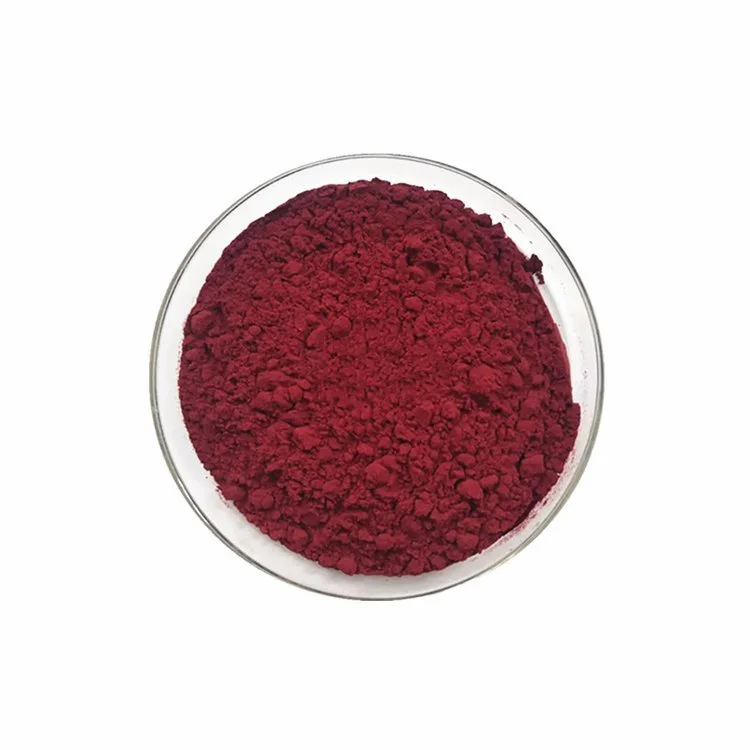
Manufacturers of astaxanthin powder who you can trust offer standard ladders with astaxanthin contents running from 1% to 10%. The 2% to 5% range works well for most softgel and capsule formulations. The 10% high-potency grade is best for concentrates and premium brand positioning. Procurement teams should check a supplier's Certificate of Analysis (COA) to make sure that the levels of heavy metals, microbe counts, solvent residues, and foreign nucleic acid residues are all within the limits set by regulations. Equally important is color uniformity from batch to batch; any noticeable color change in a red-orange ingredient has a direct effect on how the end product looks when it's sold.
Certifications, Logistics, and Regulatory Compliance
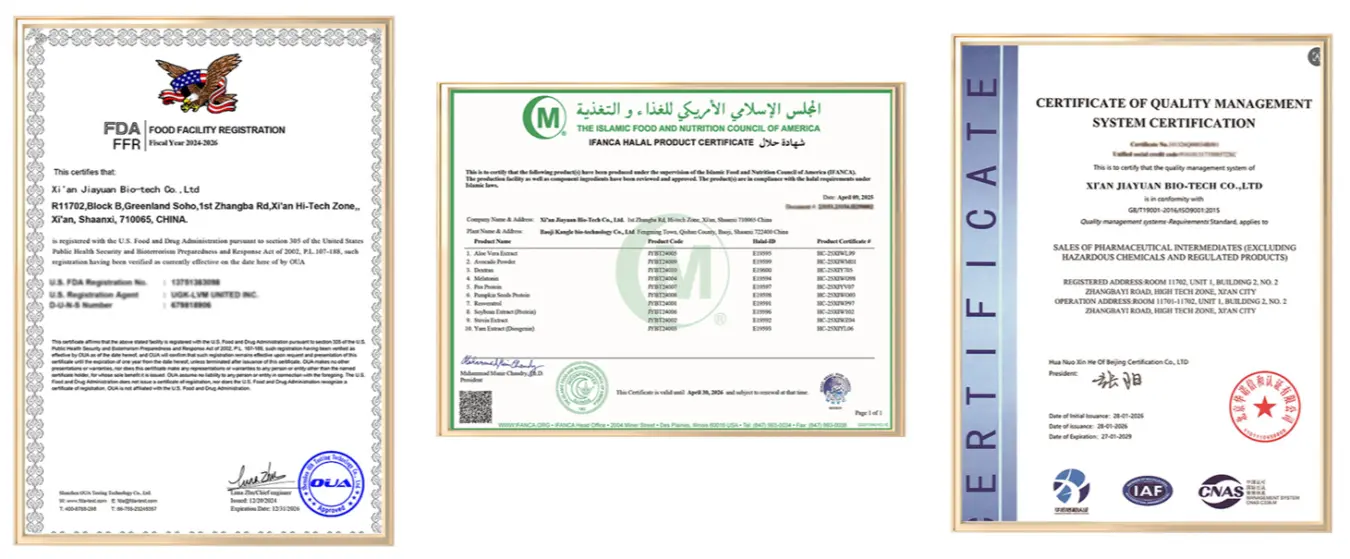
Suppliers that work with the U.S. market should have GMP approval, ISO recognition, and proof of testing by a third party. SGS and Halal certifications make it easier to buy things for international shipping. Look at the 10% grade MOQ flexibility and bulk pricing structures, especially if your brand plans to increase volume. Logistics openness, such as helping with customs clearance for U.S. goods, lowers lead-time risk and makes the buying process a lot easier.
Comparing Astaxanthin Powder to Alternative Solutions
Synthetic astaxanthin and yeast-derived (Phaffia rhodozyma) astaxanthin are both about the same price, but algal-derived astaxanthin powder is better in terms of bioavailability, clean label status, and how people feel about it. Studies regularly show that natural Haematococcus pluvialis astaxanthin is more bioavailable than its manmade cousin. This is a very important fact for high-end supplement brands that make claims about how well their products work.
The filter paper residue test is a good way to measure cleanliness. High-extraction-purity astaxanthin powder doesn't leave much behind, which means that the active ingredient can be separated from the biomass matrix more easily. Competitors with lower purity leave behind particles that can be seen. This is linked to less effective free radical recycling and the possibility of formulation instability. Even though krill oil is known to contain astaxanthin, it does so in smaller amounts and with omega-3 fatty acid variations that make formulation design more difficult. Algal astaxanthin powder in microencapsulated form is still the best and most popular choice for brands that need exact dosing freedom and clean label messaging.
Strategic Tips for Integrating Astaxanthin Powder into Product Lines
To successfully launch an astaxanthin-forward product, the specifications must be aligned from the very beginning. Choose the grade of concentration that matches the amount you want to take each day. Most clinical research on eye health and skin oxidative stress support recommends daily amounts between 4 mg and 12 mg. If your application uses water-based systems or sticky matrices, be sure to clearly state the CWS grades.
Hire providers who can give you information on steadiness under conditions that speed up aging, like high temperatures and light. Transparent sourcing paperwork, such as records of where the algae came from and how it was extracted, supports your brand's clean-label story. Your product will look better on store shelves and be less likely to need to be reformulated as you grow if you have reliable supplier partnerships that offer OEM processing, private label flexibility, and consistent color-matched batches. Astaxanthin powder is becoming more useful in functional foods and skin cosmetics thanks to new ways to improve its absorption, such as phospholipid complexation and nano-emulsion delivery.
Conclusion
In terms of carotenoids, astaxanthin powder holds a unique place. Because it comes from natural algae and can be used in a lot of different ways, it's a very appealing active ingredient for companies trying to build their credibility in the eye health, skin antioxidant support, and oral beauty categories. Choosing a supplier should be based on how open they are, how well they follow the COA, how readily available potency grades are, and how reliable the batch colors are. When all of these things come together, astaxanthin powder offers scientific purity and business difference that other options like synthetic or yeast-derived ones can't.
FAQ
1.Is astaxanthin powder safe for use in dietary supplement ingredients?
Yes. Natural astaxanthin from Haematococcus pluvialis has been shown to be safe in a number of large-scale experimental and clinical tests. As an ingredient provider, making sure that the ingredient meets the requirements for heavy metals, microbes, and solvent residues (which can be proven through COA paperwork) is important for making sure that it meets U.S. and EU regulations for use in dietary supplements.
2.What grade of concentration should formulators specify?
The right grade relies on the dosage and style of the application. For softgels and capsules, grades usually fall between 2% and 5%. The 10% high-potency grade works well in concentrates where low inclusion rates are desired. For gummy or beverage uses, CWD-specific grades should be given.
3.How does astaxanthin powder differ from oleoresin?
Different from oleoresin, microencapsulated astaxanthin powder is free-flowing, doesn't oxidize, and can be mixed dry. It gives more accurate dosing and gets rid of the problems that come with handling viscous lipid-based formats.
4.Can I request samples before placing a bulk order?
Astaxanthin powder providers with a good reputation, like Jiayuan Bio-Tech, offer samples so that formulators can test them before they commit to buying in bulk.
Partner with Jiayuan Bio-Tech — Your Trusted Astaxanthin Powder Supplier
Every order of astaxanthin powder from Jiayuan Bio-Tech comes from a company with years of experience making plant extracts. Our two production lines that meet GMP standards, our ISO and SGS licenses, and our strict in-house laboratory tests make sure that every batch meets the highest standards for purity and potency. We offer private label services, OEM formulation support, and standard grades ranging from 1% to 10%. For U.S. imports, we also help with customs approval. To get a sample, you can email our team at sales@jiayuanbio.com or sales1@jiayuanbio.com, or you can go to jayuanbio.com.
References
1. Guerin, M., Huntley, M. E., & Olaizola, M. (2003). Haematococcus astaxanthin: Applications for human health and nutrition. Trends in Biotechnology.
2. Lorenz, R. T., & Cysewski, G. R. (2000). Commercial potential for Haematococcus microalgae as a natural source of astaxanthin. Trends in Biotechnology.
3. Nishida, Y., Yamashita, E., & Miki, W. (2007). Quenching activities of common hydrophilic and lipophilic antioxidants against singlet oxygen using chemiluminescence detection. Carotenoid Science.
4. Ambati, R. R., Phang, S. M., Ravi, S., & Aswathanarayana, R. G. (2014). Astaxanthin: Sources, extraction, stability, biological activities and its commercial applications — A review. Marine Drugs.
5. Fassett, R. G., & Coombes, J. S. (2011). Astaxanthin: A potential therapeutic agent in cardiovascular disease and oxidative stress-related conditions. Marine Drugs.
6. Yuan, J. P., Peng, J., Yin, K., & Wang, J. H. (2011). Potential health-promoting effects of astaxanthin: A high-value carotenoid mostly from microalgae. Molecular Nutrition & Food Research.