

Astaxanthin Powder Bulk Applications in Functional Food Innovation
Astaxanthin powder bulk has become one of the most sought-after raw materials in the functional food and nutraceutical industry. Derived primarily from Haematococcus pluvialis microalgae via supercritical CO₂ extraction, this keto-carotenoid ingredient delivers an antioxidant profile that surpasses many conventional alternatives. For procurement directors and supply chain managers sourcing large-scale ingredients, understanding how astaxanthin powder bulk integrates into modern functional food formulations—and how to evaluate suppliers strategically—can directly impact product differentiation, cost efficiency, and long-term supply resilience.
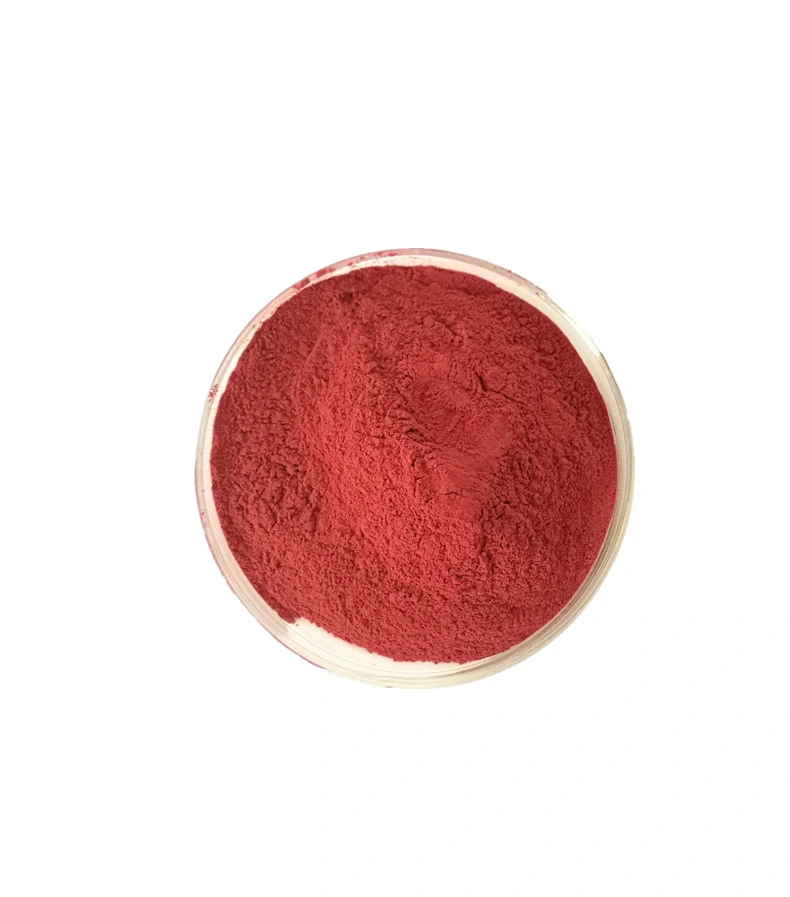
Understanding Astaxanthin powder bulk and Its Functional Benefits
What Makes Natural Astaxanthin Stand Apart
The astaxanthin powder bulk of natural source has a unique molecular structure: it has the 3S,3'S isomeric configuration and is mostly esterified with fatty acids. The molecule can cover the whole cell membrane bilayer because of this molecular feature. It protects on both the lipid and water fronts at the same time. Synthetic astaxanthin, on the other hand, is a racemic mixture of isomers that hasn't been esterified, which makes it less useful in formulations for biological purposes. For companies that want to sell functional foods in the U.S., using natural-source astaxanthin powder bulk is not just a matter of quality; it's becoming more and more of a customer demand.
Key Health Benefits and Dosage Guidance
Astaxanthin powder bulk is good for your face, your immune system, and lowering reactive stress. The scientific literature always says that between 4 mg and 12 mg a day is the best amount. For a 2% assay powder, that means between 200 and 600 mg of raw materials per dose, which is easy for formulators who work on a big scale to figure out. Keeping it in vacuum-sealed, UV-resistant aluminum foil bags at temperatures below 25°C for 24 to 36 months is important for bulk buyers who are in charge of big stockpiles.
Comparing Astaxanthin powder bulk with Alternative Formats and Ingredients
When procurement teams talk about the different types of ingredient formats, they usually talk about powder vs. encapsulated forms. Manufacturers of a wide range of products, from gummies and soft pills to functional drinks and enhanced snack bars, can benefit greatly from using astaxanthin powder bulk. Although capsule formats make it easy to get products ready for sale, they limit the freedom of later reformulation, which is a big problem for contract makers who have to deal with a lot of different SKUs.
Here are the main differences between formats and ingredients that you should keep in mind as you look at different sources:
- Powder vs. Capsule: Astaxanthin powder bulk can be added straight to soft-gel filling lines, gummy matrix systems, and premix mixes. It's the best method for toll makers who are running high-volume production projects because it lets them make exact dosing changes without having to pay extra for repackaging.
- Natural vs. Synthetic Powder: Natural powder costs more but fits with the non-GMO and vegan brands, which are very popular in the U.S. supplement market. Assay purity levels usually run from 1.0% to 10.0%, and prices are tiered to match.
- Astaxanthin vs. Other Antioxidants: Astaxanthin powder bulk is better at getting rid of free radicals than fish oil or beta-carotene. It is very useful in antioxidant-forward formulas because it can stop singlet oxygen from oxidizing.
Because of these differences, choices about where to get materials affect both the quality of the product and the profit margin. If bulk buyers know about purity levels and the benefits of different formats, they can better negotiate good yearly buying deals.
Strategic Procurement of Astaxanthin powder bulk for Functional Food Innovation
Supplier Evaluation Criteria That Matter
When purchasing managers look at astaxanthin powder bulk suppliers, they should base their decisions on documents that can be checked, such as GMP-certified production lines, batch-specific Certificates of Analysis (COA), Material Safety Data Sheets (MSDS), and third-party testing results for heavy metals, microorganisms, solvent residues, and exogenous nucleic acid residues. Each of these factors shows how strict a supplier needs to be in order to bring food-grade ingredients into the U.S. market.
Logistics, MOQs, and Annual Framework Agreements
The effectiveness of buying in bulk relies on more than just the price per unit. Total landed cost is affected by lead times, vessel plans, minimum order sizes (usually 25 kg drums for starters, but up to metric tons for long-term contracts), and the ability to clear customs. When suppliers help with recorded customs clearance for both the U.S. and EU markets, it makes things a lot easier for the government. Locking in yearly framework deals with tiered volume pricing protects against price changes on the spot market and keeps production going.
Functional Food Innovation Powered by Astaxanthin powder bulk
In the US, the functional food industry is still growing quickly. This is because people want the foods and supplements they eat every day to give them real health benefits. Astaxanthin powder bulk easily fits into this demand curve, giving formulators a unique-looking active ingredient that is backed by research.
Manufacturers have successfully added this keto-carotenoid to nutritional drinks by encapsulating it in CWS (Cold Water Soluble) beads made of starch or gum arabic. This creates stable dispersions that have a unique red-orange color. It works as both an active and a natural colorant in gummy and soft-gel forms, so synthetic pigments are not needed as much.
There is a real problem with stability, but it can be fixed. Astaxanthin powder bulk is sensitive to oxygen and light, so choosing the right binder and creating the best way to package it are important steps in the formulation process. Microencapsulation technologies have made it possible for products to last much longer on the shelf than they could before. This means that manufacturers can commit to longer production runs without worrying about losing their effectiveness.
The impurity levels in Jiayuan Bio-Tech's filter paper residue tests are noticeably lower than those in rival goods. This means that the extraction is more pure, the antioxidants are stronger, and the free radicals are scavenged more effectively per gram of ingredient. This is a specification advantage that shows up directly in how well the finished product works.
Selecting the Right Astaxanthin powder bulk Supplier: A Decision Support Framework
It takes more than just comparing prices to find a reliable astaxanthin powder bulk provider. Directors of the supply chain need a structured framework that takes into account logistics, quality, and the depth of partnerships. Here are the main criteria for assessment that you should use:
- Quality Verification: Make sure that the levels of heavy metals, microbes, fluid residues, and foreign nucleic acid residues are all within the allowed range. As a general rule, you should ask for batch COAs and results from third-party labs.
- Extraction Technology: Supercritical CO2 extraction is the gold standard for high-purity output that doesn't need any solvents. If suppliers use this way, they can back up their clean-label claims without having to worry about approval risk.
- Scalability and Stock Availability: Spot inventory at the ton level shows that output has reached its peak. A seller that can't handle sudden rises in volume is actually a supply concentration risk.
- Certifications: ISO, GMP, SGS, and Halal certifications show that quality management is a part of the system, not just rules that are followed occasionally.
- Logistics Support: Full delivery, including clearing customs in the U.S. and other big import markets, lowers the amount of work you have to do internally and the overall cost of buying things.
When applied consistently to all supplier evaluations, these pillars help procurement teams stay away from relying on a single source while upholding quality standards that protect the brand's reputation.
Conclusion
Astaxanthin powder bulk has established itself as a valuable useful ingredient in the American food and nutrition industries. It is a strategic important raw material for large-scale procurement operations because it is a strong antioxidant, can be used in a variety of ways, and fits with consumer preferences for clean labels. If you choose the right supplier—one with verified quality paperwork, stable shipping infrastructure, and open volume agreements—that ingredient edge will turn into a long-term competitive advantage. These are the things that Jiayuan Bio-Tech has built into our supply process.
FAQ
1.Is astaxanthin powder bulk suitable for water-based beverage applications?
Standard astaxanthin powder bulk dissolves in fat and won't mix with water without being changed. For use in drinks, choose CWS beads with a concentration of 1% to 2.5% and encapsulate them in starch or gum arabic to make a stable dispersion. These give the finished drink a natural red-orange color.
2.How do I verify natural versus synthetic astaxanthin?
Ask for proof of chiral analysis. Astaxanthin found in nature is mostly the 3S,3'S isomer and comes in the form of an ester. Synthetic versions are a mix of races and are mostly still not esterified. This difference is important for both label claims and bioactivity predictions.
3.What storage conditions preserve potency?
Astaxanthin powder bulk should be kept in vacuum-sealed aluminum foil bags, out of direct light, and below 25°C. For long campaigns, it should be kept in the fridge at 4°C. When kept this way, it will last between 24 and 36 months.
4.Is this ingredient Non-GMO and vegan?
Because it comes from Haematococcus pluvialis, astaxanthin powder bulk is naturally non-GMO and vegan. Whether finished beadlets are vegan or not depends on the material that holds them together. Check to see if starch or gelatin was used.
5.What safety documentation should I request?
Ask for test findings for heavy metals, microbes, solvent residues, and foreign nucleic acid residues. All of the factors should be within the limits set by the government for food-grade materials.
Partner With Jiayuan Bio-Tech for Reliable astaxanthin powder bulk Supply
Jiayuan Bio-Tech has two GMP-certified production lines and is also certified by ISO, SGS, and HALAL. This makes us a verified bulk manufacturer of astaxanthin powder bulk for markets in the U.S. and around the world. We have spot inventory at the ton level, tiered bulk prices, and full customs clearance support. Email sales@jayuanbio.com or sales1@jayuanbio.com to get in touch with our purchasing team and ask for samples or to talk about annual supply agreements. Visit us at jayuanbio.com.
References
1. Guerin, M., Huntley, M. E., & Olaizola, M. (2003). Haematococcus astaxanthin: Applications for human health and nutrition. Trends in Biotechnology, 21(5), 210–216.
2. Ambati, R. R., Phang, S. M., Ravi, S., & Aswathanarayana, R. G. (2014). Astaxanthin: Sources, extraction, stability, biological activities and its commercial applications. Marine Drugs, 12(1), 128–152.
3. Fassett, R. G., & Coombes, J. S. (2011). Astaxanthin: A potential therapeutic agent in cardiovascular disease. Marine Drugs, 9(3), 447–465.
4. Nishida, Y., Yamashita, E., & Miki, W. (2007). Quenching activities of common hydrophilic and lipophilic antioxidants against singlet oxygen using chemiluminescence detection system. Carotenoid Science, 11, 16–20.
5. Brendler, T., & Williamson, E. M. (2019). Astaxanthin: How much is too much? A safety review. Phytotherapy Research, 33(12), 3090–3111.
6. Davinelli, S., Nielsen, M. E., & Scapagnini, G. (2018). Astaxanthin in skin health, repair, and disease: A comprehensive review. Nutrients, 10(4), 522.
You May Like
0